
When planning a trip to Tibet, travelers often encounter conflicting information that creates unnecessary concern about safety, altitude sickness, travel restrictions, or overall difficulty. In reality, most of these worries stem from outdated assumptions or incomplete understanding of current travel regulations and on-the-ground conditions. This article systematically addresses the most common misconceptions about Tibet travel, providing fact-based explanations and practical guidance to help travelers assess risks accurately and plan with confidence.
Misconception 1: Tibet Travel Is Unsafe
This is a priority misconception to clarify about Tibet travel. Major tourist cities and scenic spots in Tibet have standardized public security management, and travel safety is guaranteed. The core challenge travelers need to pay attention to is the health risks brought by the high-altitude environment, not public security issues. The key to ensuring safety lies in adopting scientific acclimatization measures: reserve sufficient rest time to adapt to the altitude after arrival and avoid strenuous activities immediately; keep warm to prevent colds. With reasonable itinerary planning and necessary health precautions, traveling in Tibet is safe and feasible.
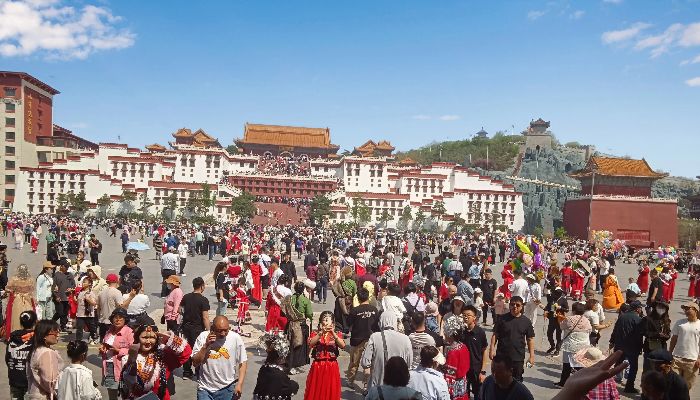
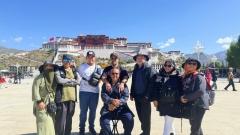
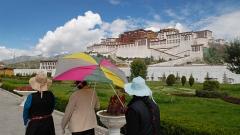
Tourists at Potala Palace Square
Misconception 2: Altitude Sickness Is Inevitable and Severe
Excessive worry about altitude sickness is a common misconception. Altitude sickness is a natural physiological process for the human body to adapt to a low-pressure and hypoxic environment. Its severity varies from person to person and can be effectively managed through systematic methods.
- Gradually acclimatize to the altitude: Choose to enter Tibet by train, or start your trip from Nyingchi Prefecture with a relatively low altitude.
- Control initial activities: Within 24 to 48 hours of arrival, focus on rest and avoid bathing, drinking alcohol, overeating and any strenuous exercise.
- Maintain a calm mindset: Relax and avoid anxiety, as tension may exacerbate physical discomfort.
- Prepare necessary items: You can prepare headache-relieving medicines, energy-supplementing glucose and vitamins in advance.
Most people’s mild symptoms will quickly ease after the body adapts. With correct understanding and active management, altitude sickness usually will not seriously affect the trip.
Misconception 3: Foreign Tourists Face Strict Restrictions on Entering Tibet
This is a key misconception about entry policies. Current regulations clearly state: Travelers holding foreign passports or Taiwan Compatriot Travel Certificates must be received and organized by qualified travel agencies recognized by the Chinese government, enter Tibet in groups (including small private customized groups), and the travel agency will uniformly apply for the “Tibet Travel Permit”. This regulation is mainly to ensure that tourists receive orderly arrangements and guarantees in terms of transportation, accommodation, tour guide services and emergency support. For tourists, the process is clear: confirm the itinerary date → entrust a reliable travel agency (such as China Dragon Travel) to handle the formalities → provide required personal documents → travel according to the established itinerary. It is recommended to start the relevant application process at least 20 to 30 working days in advance.
Misconception 4: Tibet Has Limited Catering Options That Are Hard to Adapt To
The belief that Tibetan food is monotonous is an outdated misconception. In tourist hub cities like Lhasa, the catering industry has become highly diversified, fully meeting the needs of different tastes.
- Abundant Chinese food supply: Sichuan restaurants are particularly widely distributed, suitable for tourists who like spicy food.
- Diverse international catering: You can also find places offering Western food, Nepalese food, Indian flavors and coffee snacks.
- Convenient hotel catering: Most hotels provide buffet breakfasts with Chinese and Western options.
If you have special dietary needs (such as vegetarian food, allergen restrictions), it is recommended to inform the travel agency or tour guide in advance for coordination and arrangement. Carrying a small amount of your favorite snacks can serve as a supplement, but there is no need to worry excessively about adapting to the catering.
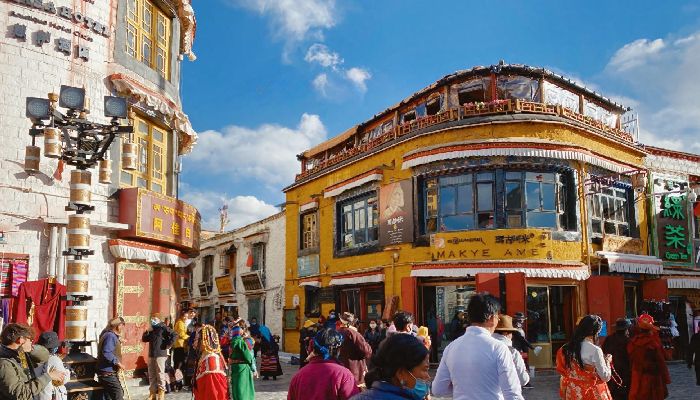
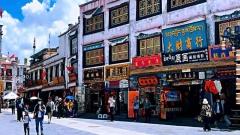
Barkhor Street in Lhasa
Misconception 5: Transportation Conditions Within Tibet Are Extremely Hard
This misconception no longer conforms to the current status of infrastructure. The continuous development of air, railway and highway networks has significantly improved Tibet’s transportation accessibility. Tourists mainly rely on tourist chartered cars to travel between various places. To ensure comfort and safety, when choosing services, you should confirm the recent maintenance status of the vehicle used and the driver’s local driving experience. Vehicles arranged by regular travel agencies (usually off-road vehicles or commercial vehicles) can meet the comfort requirements of long-distance travel, and experienced drivers are familiar with road conditions and can effectively respond to travel situations. Road conditions to regular scenic spots are generally good.
Misconception 6: Local Culture Does Not Welcome Tourists and Photography
Tibetan culture is famous for its tradition of hospitality. This misconception often arises from a lack of understanding of basic etiquette. The premise of receiving respect and friendly treatment is that travelers show equal respect themselves.
- Comply with religious site regulations: Remove hats and keep quiet when entering the main halls of temples. Photography and video recording are strictly prohibited inside most temples, so please be sure to follow on-site instructions.
- Politely photograph people: If you want to take portraits of local residents, especially close-ups, you should first obtain their explicit consent with a smile or gesture.
- Follow local customs: When circumambulating scriptures, temples or religious facilities, please proceed in a clockwise direction.
With an attitude of respect and openness, you will be able to experience the charm of local culture more deeply.
Misconception 7: Tibet Travel Is Extremely Expensive
The budget for Tibet travel can be effectively controlled through careful planning. Here are some specific cost management suggestions:
- Choose off-season travel: From November to April of the following year, airfare and hotel prices drop significantly, and some scenic spots offer discounted tickets.
- Adopt small-group travel: Participating in a boutique small group of 4 to 6 people can share fixed costs such as vehicles and tour guides, with high cost performance.
- Book key services in advance: Especially during the peak tourist season from May to October, booking flights and popular accommodations several months in advance is the key to obtaining reasonable prices and ensuring a smooth trip.
- Clarify personal consumption standards: According to your own budget, clearly choose the corresponding level of accommodation and catering services.
A fulfilling Tibet trip with comprehensive services can be completely realized within a reasonable budget formulated in advance.
Misconception 8: Tibet Is Only Suitable for Travel in Summer
Tibet has distinct landscapes and different travel experiences in four seasons. This misconception may make you miss the unique beauty of other seasons. The choice of travel time should be based on your core interests:
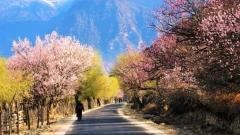
- Spring (April-May): Peach blossoms bloom in Nyingchi Prefecture, presenting beautiful scenery.
- Summer (June-August): The climate is the warmest with lush vegetation, but it is also the period with the most tourists and the highest prices.
- Autumn (September-October): The weather is sunny and stable with high visibility, making it an ideal season for hiking and landscape photography.
- Winter (November-February): Abundant sunshine, few tourists, significantly reduced travel costs, and you can experience a quiet atmosphere.
Therefore, you should choose the travel season based on the type of landscape and activities you prefer.
Misconception 9: Traveling to Tibet Requires Excellent Physical Fitness
This is a common misconception about physical requirements. Tibet travel activities cover a wide range, and mainstream travel products mainly include vehicle-transported sightseeing and light hiking, which have no special requirements for physical fitness. The key is to choose an itinerary that matches your health status and ensure that the itinerary includes sufficient acclimatization and rest time. Before booking, objectively assess your daily activity capacity and fully communicate with the travel agency, who can then recommend travel routes with a gentle rhythm and gradual altitude gain. For people without serious cardiopulmonary diseases, they can enjoy a Tibet trip after making necessary preparations.
Misconception 10: There Are Many Inconvenient Taboos During the Stay in Tibet
This misconception is a general summary of health suggestions. The core purpose of relevant suggestions is to ensure that the body adapts to the high-altitude environment smoothly, rather than setting absolute prohibitions.
- Acclimatization period after arrival (about 1-2 days): It is recommended to refrain from taking a shower temporarily, mainly to prevent colds caused by catching cold, as colds may recover slowly in high-altitude areas. It is also recommended to avoid drinking alcohol to reduce the metabolic burden on the body.
- After the body basically adapts: If there are no obvious discomfort symptoms, you can take a shower and drink moderately, but you still need to keep warm and replenish water in a timely manner.
These are phased practical suggestions based on physiological adaptation, designed to help you better enjoy the entire trip.
Planning a Realistic and Confident Trip to Tibet
Once common misconceptions about Tibet travel are clarified, it becomes clear that most challenges can be managed through proper preparation rather than avoided altogether. From altitude adaptation and seasonal planning to budgeting and permit procedures, a well-informed approach allows travelers to experience Tibet safely and comfortably. Because Tibet travel involves specific permits, high-altitude environments, and long-distance logistics, working with experienced specialists such as China Dragon Travel helps ensure that arrangements comply with regulations and remain flexible and reliable throughout the journey. With accurate information and professional support, Tibet becomes a destination that is demanding—but entirely achievable.
Pre-Trip Preparation Steps & Key Checkpoints
After clarifying the above misconceptions about Tibet travel, systematic pre-trip preparation is the key to ensuring a smooth journey. The following steps are for your reference:
- Health assessment and consultation: If you have any known serious chronic diseases, especially those involving the heart, lungs or circulatory system, it is necessary to consult a doctor for professional advice before traveling.
- Clarify travel priorities: Determine the core content you most want to experience during this trip (such as history and culture, specific natural landscapes or photography themes), which will help you make more appropriate decisions when choosing a specific itinerary.
- Entrust professional service agencies: Given that organizing a Tibet trip involves specialized procedures and logistics arrangements, it is crucial to choose an experienced and reputable travel agency. They are responsible for handling the Tibet Travel Permit, coordinating transportation and accommodation, providing tour guide services, and offering local support in case of emergencies. For example, China Dragon Travel has mature experience in organizing Tibet itineraries and can provide compliant itinerary arrangements and emergency guarantees.
- Prepare travel documents and items: Please ensure that your passport and Chinese visa are within the validity period. In terms of luggage, in addition to regular items, high-multiple sunscreen, windproof and warm clothing (regardless of the season), sunglasses, hats and personal commonly used medicines should be included in the list.