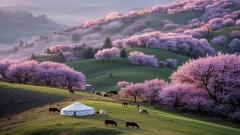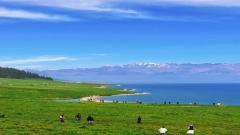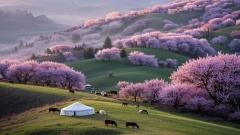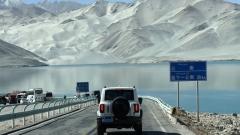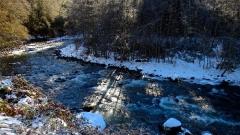

If Northern Xinjiang’s spring is grand and dramatic, Southern Xinjiang’s spring is poetry.
In March, while snow still rests on the peaks of the Pamir Plateau, spring quietly arrives in Tashkurgan. Overnight, ancient apricot trees burst into bloom across valleys along the Tasha Ancient Road. The Yarkand River flows calmly past stone Tajik houses, and century-old apricot trees explode in pink and white beneath towering snow mountains.
This is not a park-style blossom viewing spot.
It is an entire high-altitude blossom corridor.
This guide covers bloom forecasts, village highlights, opening order, road conditions, photography timing, and practical travel advice.
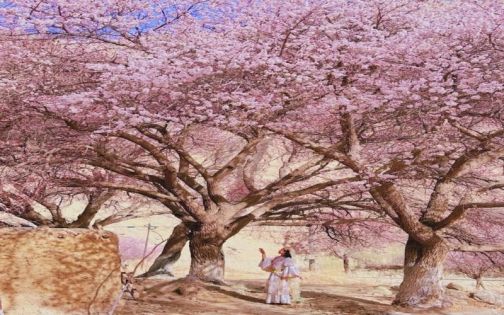
Southern Xinjiang Apricot Blossom
🌸 Where Are the Southern Xinjiang Apricot Blossoms?
The core region lies in:
📍 Tashkurgan Tajik Autonomous County (Pamir Plateau)
📍 Villages along the Tasha Ancient Road
The area is often called the “Pamir Apricot Blossom Corridor,” stretching along the Yarkand River through Datong Township, Tarl Township, Kukesiluke Township, and surrounding villages.
⏰ 2026 Bloom Forecast (Key Information)
Overall season: March 20 – April 10
Entire plateau bloom duration: ~20 days
Individual village bloom: ~7 days
Historical bloom timing:
-
March 15 – March 30 (most years)
-
Lower altitude areas bloom earlier
2026 forecast:
-
Around March 25: entering peak bloom in many areas
-
March 25 – March 30: most stable window
-
Early April: higher-altitude villages bloom
⚠️ Bloom timing depends heavily on temperature and wind. Always confirm before departure.
🌸 Bloom Order (Very Important)
From lower to higher altitude:
Kurukelangan Village
< First bloom in Tarl
< Kuzhu Village ≈ Datong Township
< Tarl Township
< Kukesiluke Township
< Ayikrik Village
< Qiruk Tong Village
< Maeryang Township
In short: the deeper and higher you go into the plateau, the later the blossoms bloom.

Southern Xinjiang Apricot Blossom
🌸 Core Viewing Areas
① Tarl Township (Most Photogenic & Most Popular)
The heart of the blossom corridor.
Highlights:
-
Happiness No. 5 Bridge
-
Apricot Blossom Avenue
-
Alermaileke Village
-
Bogere century-old apricot trees
This area has the densest blossom coverage, riverside reflections, and ancient Tajik stone houses. The century-old trees form massive canopies, blooming like cascading waterfalls of pink.
📅 Expected peak: Around March 25
📷 Arrive before 6:30 AM at Happiness No. 5 Bridge to avoid crowds.
② Datong Township (Most Rustic & Peaceful)
Almost every household plants apricot trees.
Step outside and you’re surrounded by blossoms.
Recommended:
-
Xiaotong Village (fewer tourists)
-
Baga Aigezi Village (old mud houses + blossom sheep pens)
📅 Expected peak: Around March 28
Pros: Fewer visitors
Cons: Trees are generally younger, less dramatic than Tarl
③ Kukesiluke Township (Latest & Most Remote)
Highest elevation and latest bloom.
Features wild apricot forests and many century-old trees.
Don’t miss:
-
Apricot Blossom Island
-
Ancient Congling houses
📅 Expected peak: Late March to early April
Perfect if you arrive in early April.
🌸 Classic 7–9 Day Blossom Route
Start from Kashgar:
→ Baisha Mountain and Baisha Lake
→ Karakul Lake
→ Taxkorgan Wetland
→ Tasha Ancient Road
→ Kukesiluke Township
→ Happiness No. 5 Bridge
→ Tarl Township
→ Khunjerab Pass
→ Panlong Ancient Road
→ Bandir Blue Lake
→ Kashgar Old City
This loop combines snow mountains, lakes, ancient villages, dust roads, and blossoms in one journey.
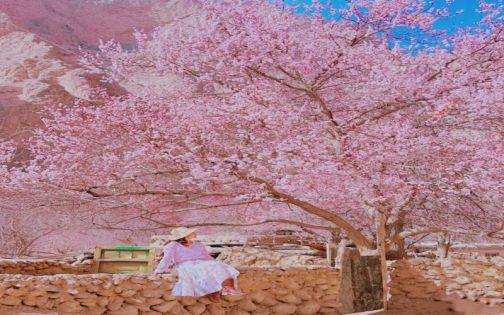
Southern Xinjiang Apricot Blossom
🌄 Must-Visit Surroundings
Muztagh Ata
7,546 meters high, known as the “Father of Ice Mountains.”
Karakoram Highway
The China–Pakistan Friendship Highway, often called one of the most beautiful roads in the world.
🚗 Transportation & Road Conditions (Read Carefully)
1️⃣ Border permit required
2️⃣ Tasha Ancient Road has rough sections and occasional landslides
3️⃣ High-clearance SUV recommended
4️⃣ Not suitable for inexperienced drivers
Alternative route via Yengisar may be necessary depending on conditions.
📷 Best Photography Times
Daily:
-
Before 10:00 AM
-
After 6:00 PM
Soft light and better chances to photograph shepherds releasing sheep among blossoms.
Classic Pamir composition: apricot blossoms + sheep + stone houses + snow mountains.
👗 What to Wear (High-Altitude Conditions)
Tashkurgan elevation: ~3,100 meters
Temperature: -5°C to 10°C
Blossom villages are slightly warmer:
5°C–15°C during the day
Recommended layering:
Upper body:
-
Base layer
-
Thermal wear
-
Fleece
-
Windproof shell
Lower body:
-
Thermal leggings
-
Softshell or hiking pants
Shoes:
-
Waterproof hiking boots
Other essentials:
-
Sunglasses (strong UV)
-
Sunscreen
-
Lip balm
-
Cash (signal can be unstable)
At midday under sunshine, you can comfortably wear dresses for photos.
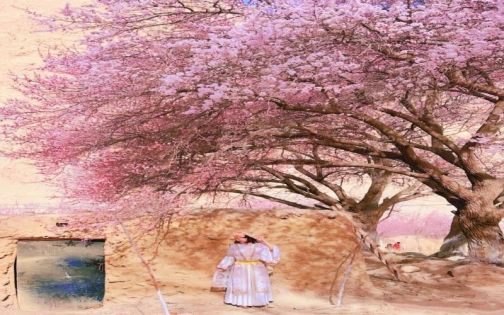
Southern Xinjiang Apricot Blossom
⚠️ Important Notes
✔ Bring cash
✔ Expect weak mobile signal
✔ Respect Tajik customs
✔ Do not enter private courtyards without permission
✔ March 21 is the Tajik New Year celebration
✔ Panlong Ancient Road usually opens March–April depending on snow melt
🌸 Southern vs Northern Xinjiang Apricot Blossoms
🔴 Southern Xinjiang (March 20 – April 10)
-
Snow mountains + ancient Tajik villages + canyon scenery
-
More stable bloom
-
Ideal for cultural & documentary photography
🔴 Northern Xinjiang (Ili Valley, April)
-
Vast wild apricot forests
-
Dramatic landscapes
-
Ideal for drone and grand scenic shots
If traveling in March → Choose Southern Xinjiang
If traveling in April → Choose Northern Xinjiang

![11 Day Tour[Winter Limited] Drunken Beauty Xinjiang Ice and Snow Kanas Fairy Tale New Vision](https://www.chinadragontravel.com/wp-content/uploads/2025/12/25cff76cef9e445-240x135.jpg)