
If you’ve been researching Xinjiang tours, you’ve probably noticed something confusing: prices can vary dramatically for what يبدو like similar itineraries. One 8-day tour might cost $800, while another goes well over $2,000.
So what exactly causes this price gap? And more importantly, how do you know which one is worth it?
This guide breaks down the real reasons behind Xinjiang tour price differences, helping you make an informed decision based on value—not just cost.
The Biggest Factor: Transportation Style
Xinjiang is huge—distances between destinations are often several hundred kilometers. How you travel has a major impact on price.
Budget tours: Typically use standard minibuses or shared coaches. These may be older vehicles with tighter seating and longer driving hours.
Mid-range tours: Use newer vehicles with fewer passengers, offering more comfort and flexibility for stops.
High-end tours: Often include private vehicles or small groups (2–6 people), allowing customized pacing and better overall experience.
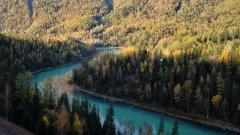
In remote areas like Kanas or the Pamir Plateau, road conditions can also affect comfort, making vehicle quality even more important.
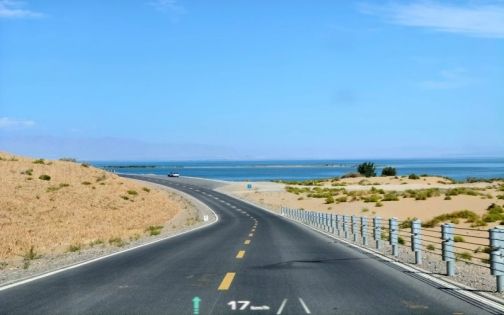
博斯騰湖
Accommodation Standards Matter More Than You Think
Hotels in Xinjiang vary significantly depending on location.
Lower-cost tours: Usually include 2–3 star hotels or basic guesthouses. In remote regions, this may mean limited hot water, simple facilities, and basic cleanliness.
Higher-end tours: Offer 4-star or boutique hotels where available, with better service, heating, and hygiene standards.
Special stays: Some premium itineraries include unique accommodations such as lakeside lodges in Kanas or ethnic-style stays in Kashgar.
Because Xinjiang includes both developed cities and remote region, the difference in accommodation quality can be substantial.
Itinerary Design and Route Differences
Not all itineraries are created equal—even if they look similar on paper.
Shortcuts vs full routes: Cheaper tours may skip less accessible but scenic areas to reduce driving time and fuel costs.
Pacing: Budget tours often have tighter schedules with long driving days, while higher-priced tours allow more time at each location.
Seasonal timing: Visiting during peak seasons (July–August, October) increases costs but also improves scenery in some areas.
A well-designed itinerary can significantly improve your experience, even if it costs more.
Group Size and Travel Experience
The number of people in your group directly affects both price and comfort.
Large groups (20–30 people): Lower cost per person, but less flexibility and more waiting time.
Small groups (6–12 people): Balanced option with better experience and moderate pricing.
Private tours: Most expensive, but offer full flexibility and personalized service.
If you value photography stops, flexible timing, or a quieter experience, smaller groups are usually worth the extra cost.
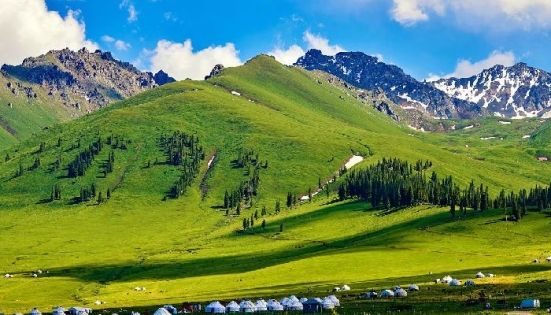
Scenery of Nalati Grassland in Xinjiang
Included Services and Hidden Costs
Some tours appear cheap at first but exclude key expenses.
Lower-priced tours may not include:
- Attraction entrance tickets
- Meals
- Optional activities
- Tips or service fees
Higher-priced tours often bundle these into the total price, making budgeting easier and more transparent.
Always check what’s included before comparing prices.
Guide Quality and Service Level
A knowledgeable guide can completely change your experience in Xinjiang, especially given its cultural diversity.
Basic tours: May provide only a driver or a guide with limited English skills.
Premium tours: Include experienced, licensed guides who offer cultural insights, historical context, and smoother logistics.
Better service also means quicker problem-solving and more organized travel.
When Is a Higher Price Actually Worth It?
Paying more doesn’t always mean better—but in Xinjiang, it often reflects real differences in experience.
Consider a higher-priced tour if you:
- Want a more comfortable journey across long distances
- Prefer better hotels in remote areas
- Value flexible schedules and smaller groups
- Are traveling for photography or in peak seasons
On the other hand, budget tours can still be a good option if you’re flexible and prioritize cost over comfort.
How to Choose the Right Xinjiang Tour
Instead of focusing only on price, compare tours based on:
- Transportation quality and travel time
- Hotel standards in remote regions
- Group size and flexibility
- What’s included vs excluded
- Overall itinerary design
A slightly higher price often results in a significantly better experience, especially in a region as vast as Xinjiang.
Price Reflects Experience in Xinjiang
Xinjiang is not a typical destination—it’s vast, remote, and logistically complex. The difference between a cheap tour and a well-designed one can directly impact your comfort, safety, and overall enjoyment.
Rather than choosing the lowest price, focus on value. A well-organized tour with good transportation, thoughtful pacing, and reliable service will make your journey smoother and far more memorable.