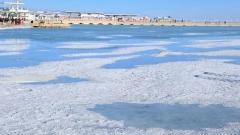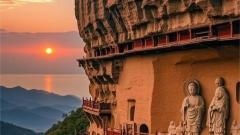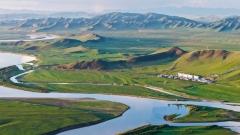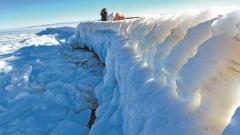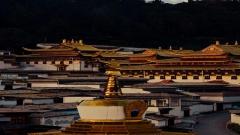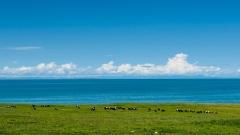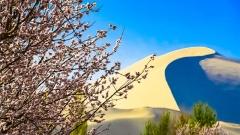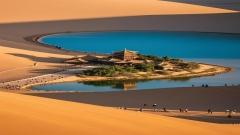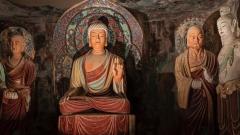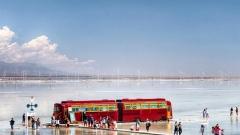

Across the 2,800-kilometer expanse of the Qinghai-Gansu Loop, the scenery evolves outside your window—and so do the flavors on your plate. The cuisine here is a bold reflection of the landscape: rugged, pure, and intensely satisfying. It is a fusion of Tibetan nomadic traditions and the ancient agricultural heritage of the Silk Road. If you are preparing for this journey, bring a hearty appetite to match the vast horizons.
Qinghai Province — Gifts from the High Pastures
1. Hand-Grated Mutton (Shouzhua Yangrou): The Gold Standard
-
The Secret: In Qinghai, sheep roam free on high-altitude saline lands, grazing on wild herbs. This results in meat that is incredibly tender and lacks any gamey odor.
-
The Craft: The mutton is simply simmered in spring water with ginger and salt—no heavy spices are needed.
-
Pro Tip: Locals eat it with raw garlic. The sharp bite of the garlic cuts through the rich fat, enhancing the natural sweetness of the meat. As the saying goes: “Meat without garlic loses half its nutrition.”
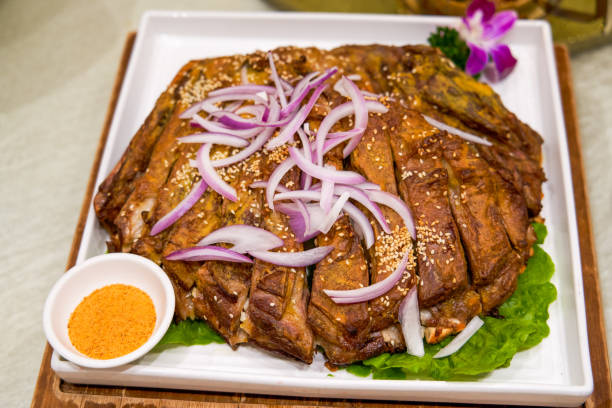
2. Kang Mutton Ribs (Kang Yangpai): The Ultimate Energy Boost
-
The Dish: “Kang” is a unique cooking method involving searing, frying, and stewing in a large iron pot.
-
The Ingredients: Large mutton ribs are crisped alongside golden potato wedges, glass noodles, and onions, all seasoned with cumin and secret spices.
-
The Experience: The potatoes are arguably the best part—they soak up the savory fats and juices, becoming crispy on the outside and velvety on the inside.
3. Handmade Yogurt: Snow in a Bowl
-
The Difference: This isn’t a liquid drink; it’s a solid dessert. It is topped with a distinct layer of golden “milk skin” (condensed cream).
-
The Taste: It is intensely tart. Sprinkle a few generous spoonfuls of white sugar on top, and the contrast creates a refreshing, silky finish that is perfect after a heavy meal.
Gansu Province — Echoes of the Silk Road
1. Dunhuang Donkey Meat Yellow Noodles: A Thousand-Year Legacy
-
The History: Murals in the Mogao Caves depict ancient scenes of noodle-making, a tradition that lives on in this dish.
-
The Craft: The “Yellow” comes from desert plant ash, giving the hand-pulled noodles an incredibly springy texture.
-
The Pairing: It is served with thin, savory slices of braised donkey meat. Locals say: “In heaven there is dragon meat; on earth there is donkey meat.”
2. Huzhou Mutton “Menbing” (Braised Pancakes)
-
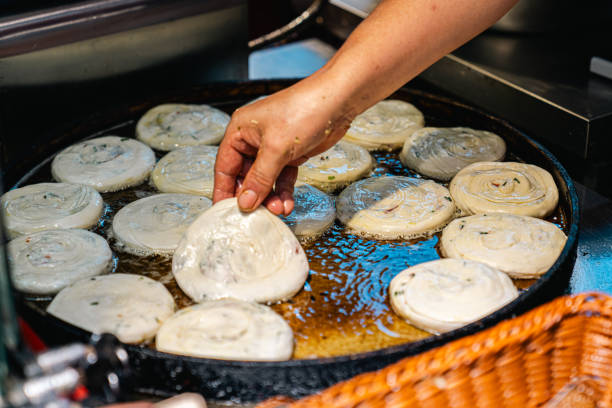
The Dish: Originating as a hearty meal for ancient soldiers, this dish features paper-thin pancakes laid over a pot of braised mutton.
-
The Profile: The pancakes steam in the meat’s aroma, absorbing the rich, salty broth until they are soft yet chewy. It is the ultimate comfort food of the desert.
3. Zhangye “Firecracker” Noodles (Chao Paozhang)
-
The Name: Named for their shape, these short, hand-cut noodles look like small firecrackers.
-
The Flavor: Stir-fried with tender beef, fresh vegetables, and red chili, these noodles are savory and warming—the perfect remedy for a cold evening after crossing the Qilian Mountains.
Night Markets — The Soul of the Northwest
1. Red Willow Lamb Skewers (Hongliu Kaorou)
-
The Detail: Instead of metal skewers, vendors use branches from the Red Willow, a resilient desert plant.
-
The Aroma: As the wood heats up, it releases a subtle, fruity fragrance that infuses the meat, making these the most aromatic skewers you will ever taste.
2. Milk and Egg Leaven (Niunai Jidan Laozao)
-
The Comfort: A warm dessert made by boiling fresh milk with fermented rice wine (Laozao), eggs, sesame seeds, peanuts, and raisins. It’s sweet, creamy, and incredibly soothing after a day of exploration.
3. Apricot Skin Tea (Xingpi Cha)
-
The Savior: Brewed from dried local Li Guang apricots, this tart, sweet tea is the “holy grail” of thirst-quenchers. It is the perfect digestive aid after a heavy BBQ feast.
Professional Dining Advice for Travelers
-
Portion Control: Northwest portions are notoriously large. A meal for two usually only requires one meat dish and one vegetable.
-
Respect Local Traditions: Many restaurants along the loop are Halal (Zhenghai). Please do not bring outside pork products or alcohol into these establishments.
-
Hydration is Key: The climate is dry. Drinking hot brick tea (often provided for free) is much better for digestion and hydration than ice-cold sodas.
-
Embrace the Garlic: If raw garlic is too much for you, try roasted garlic. It becomes soft and buttery, losing its pungency while retaining its flavor.
The landscapes of the Qinghai-Gansu Loop may fade into photographs, but the taste of sizzling mutton ribs and the sweetness of ice-cold apricot tea will stay in your memory forever. Food is the most authentic punctuation mark of a journey. We invite you to follow our lead and taste the spirit of this legendary land.
The Great Northwest: A Journey for the Senses. Your table is waiting.