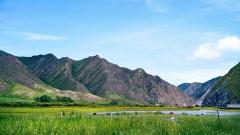

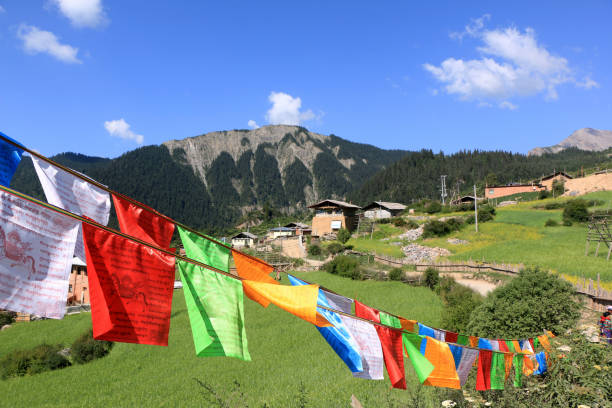
Deep within Diebu County in the Gannan Tibetan Autonomous Prefecture lies a natural stone fortress known as Zhagana. In the Tibetan language, “Zhagana” translates to “Stone Box,” a fitting name for a landscape where limestone forests, deep canyons, and lush grasslands encircle ancient Tibetan villages.
Once praised by the Austrian explorer Joseph Rock as a potential “Eden” on earth, Zhagana is more than a scenic spot; it is a journey back to nature and a soul-stirring encounter with the high plateau.
Majesty and Grace: The Canyons and Grasslands of Zhagana
The landscape of Zhagana is layered, showcasing the extreme natural aesthetics of the high-altitude frontier.
-
The Giant Stone City and Canyons: Zhagana is composed of four distinct Tibetan villages surrounded by towering limestone peaks that form a natural fortress. Traveling through the rugged canyons, you will witness dramatic shifts in vegetation—from dense primitive forests to high-mountain tundra—as the altitude climbs.
-
The Grasslands in the Clouds: Beyond the stone forests, the view opens up into vast, silk-like grasslands that bloom with wildflowers in the summer. This is a paradise for yaks and sheep, and a dream location for photographers capturing the harmony of snow peaks, meadows, and drifting clouds.
-
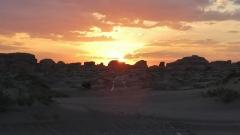
Sunrise at Lasang Temple: Perched at the highest point, Lasang Temple offers the best panoramic view of the entire valley. When the morning mist swirls among the wooden Tibetan houses and the golden sun hits the limestone peaks, the serenity is enough to wash away all worldly worries.
Echoes of History: From Ancient Tribes to Joseph Rock
Zhagana is steeped in history, carrying the weight of centuries within its stone walls.
-
Descendants of Ancient Tubo: The Tibetan residents here are largely descendants of ancient tribes who have maintained a traditional semi-agricultural, semi-nomadic lifestyle for over a millennium. Their architecture, clothing, and festivals preserve the exceptionally intact characteristics of the Khampa Tibetan culture.
-
The Discovery by Joseph Rock: In the 1920s, explorer Joseph Rock reached this hidden valley and wrote in his diary that he had never seen such magnificent scenery. He famously remarked that if the author of Genesis had seen the beauty of Diebu, he would have placed the birthplace of Adam and Eve here.
Gifts of the Plateau: Specialty Cuisine and Cultural Origins
On the oxygen-thin plateau, every dish carries the wisdom of survival and the warmth of hospitality.
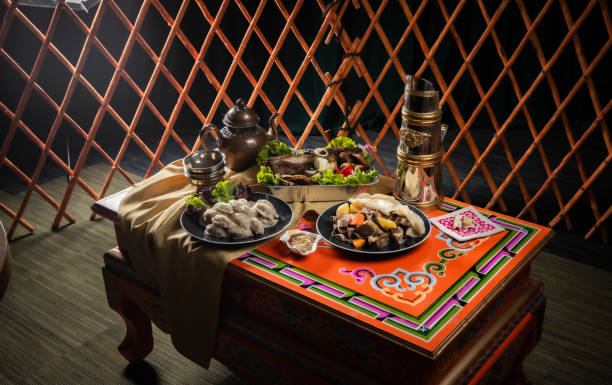
1. Tibetan Kang Mutton (The Boldness of Nomadic Civilization)
-
History & Origins: Kang Mutton is a culinary fusion of Northwest China and Tibetan flavors. Historically, nomads camping in the wild used iron pots (called “Kang”) and mutton fat to cook quickly at high heat, creating a dish that provided immediate warmth and energy.
-
Flavor Profile: Using local free-range lamb from Diebu, the meat is incredibly tender. The mutton and potatoes are seared in the pot until golden and crispy on the outside while remaining succulent on the inside—a perfect comfort for a cold Zhagana night.
2. Butter Tea (The Soul of Plateau Life)
-
History & Origins: The origin of Butter Tea dates back to the Tang Dynasty’s Tea Horse Trade. Nomadic Tibetans discovered that tea helped digest greasy meats and provided vitamins; by mixing it with yak butter, it became a staple of plateau survival.
-
Flavor Profile: A rich blend of creamy milk aroma and bold tea, with a hint of saltiness. It not only helps alleviate altitude sickness but also serves as the first gesture of hospitality for any visitor to a Tibetan home.
Practical Travel Advice for 2026
-
Acclimatization and Pacing: Zhagana’s altitude ranges between 3,000 and 3,800 meters. It is recommended to slow down on your first day and avoid strenuous exercise. For senior travelers, using the park’s sightseeing vehicles to reach high points and slowly walking down is an effective way to minimize oxygen exertion.
-
Vegetarian & Vegan Tips: While the diet is meat-centric, vegetarians can enjoy handmade yogurt, Tsampa (ensure it is served without yak butter if strictly vegan), and Fernroot Rice (Ginseng Fruit Rice). Local wild mushrooms and high-mountain potatoes are also natural delicacies not to be missed.
-
Best Time to Visit: Plan your trip between June and September 2026. This is when the grasslands are at their greenest, the weather is pleasant, and you avoid the risks of winter road closures.
-
Gear Essentials: Temperatures in the canyon fluctuate wildly; even in summer, a windbreaker and fleece are necessary. Additionally, sunscreen and high-quality moisturizer are the “three treasures” for high-altitude travel.
In 2026, follow in the footsteps of Joseph Rock to Zhagana—the “Stone Box”—and explore the purity and beauty left behind in the clouds.