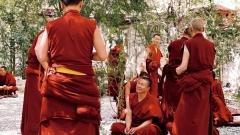

At the heart of Lhasa’s old city, Barkhor Street forms a living circle around the sacred Jokhang Temple. More than a marketplace or tourist attraction, it is one of the most important pilgrimage routes in Tibetan Buddhism. Here, prayer wheels turn beside busy shops, pilgrims walk alongside visitors, and centuries-old traditions continue as part of daily life. To walk Barkhor Street is not simply to explore a historic area, but to witness the spiritual and cultural rhythm of Lhasa as it still exists today.
Where is Barkhor Street in Tibet?
Barkhor Street is an elliptical street surrounding Jokhang Temple, with a total length of about 1.5 kilometers. It takes about 30-40 minutes to walk around (excluding stay time). It is not only the busiest commercial street in the old town of Lhasa, but also one of the most important pilgrimage routes for Tibetan Buddhism.
- Location: Chengguan District, Lhasa City, Tibet (around Jokhang Temple). The surrounding transportation is convenient, and you can walk to famous attractions such as Potala Palace and Ramoche Temple. It is the core starting point for visiting the old town of Lhasa.
- Opening Hours: Open 24 hours a day. Shops are usually open from 9:00 to 20:00. It is recommended to go in the early morning to avoid crowds and experience a purer pilgrimage atmosphere; the evening is suitable for feeling the street lights and urban life.
- Ticket Price: Free (but separate tickets are required to enter Jokhang Temple). Please note that you must carry your ID card and cooperate with security checks when entering the Barkhor Street area.
- Stay Time: Half a day to a full day. If you only take a brief tour, you can arrange 2-3 hours; if you want to deeply experience the pilgrimage culture, browse specialty shops and taste authentic Tibetan food, it is recommended to reserve a full day.
- Best Season: The climate is more comfortable from April to October, among which May to September is the peak tourist season with sunny weather and many festival activities; if you prefer tranquility, you can choose to go in April or October when there are fewer tourists and the travel experience is more comfortable.
Barkhor Street is a living Tibetan culture museum. Wandering around, you will feel that every brick and tile here is telling thousand-year-old faith stories. Please feel the endless spiritual power on this ancient pilgrimage route, and it will surely become one of the most unforgettable memories of your Tibet trip.
Barkhor Street: A Must-visit Place to Explore Tibetan Culture
Pre-trip Preparation for Barkhor Street
Adequate preparation is the foundation for a smooth and safe trip to Barkhor Street. Since Barkhor Street is located in the center of the old town of Lhasa, with the dual attributes of a religious sanctuary and a tourist hotspot, pre-trip preparations need to consider both adaptation to the plateau environment and respect for cultural differences.
- Documents: Mainland China ID card (for Taiwan, Hong Kong and Macao tourists: Taiwan Compatriot Travel Certificate, Home Return Permit or passport). Public security checkpoints are set at all entrances of Barkhor Street, and you must carry them with you and cooperate with inspections.
- Clothing: Lhasa has a large temperature difference between day and night, so it is necessary to prepare a windproof jacket even in summer. Footwear is preferably comfortable and non-slip walking shoes. Clothing should be neat and appropriate, avoiding excessive exposure to show respect for religious venues.
- Protection Supplies: Lhasa has extremely strong ultraviolet rays, so high-factor sunscreen, sunglasses and wide-brimmed hats are essential. The climate is dry, so it is recommended to carry lip balm and moisturizing products.
- Others: Insulated water bottle, a small amount of cash (especially 1-yuan and 5-yuan banknotes, convenient for alms or buying snacks), portable power bank.
The preparation for the trip to Barkhor Street requires us to fully protect ourselves from the strong ultraviolet rays, large temperature differences and dry climate of the plateau materially, and at the same time, prepare a humble heart that respects local beliefs and customs spiritually and in terms of clothing. Only in this way can we fully immerse ourselves in the historical echoes and faith pulses carried by this ancient street.
Core Attractions of Barkhor Street
Barkhor Street, stretching approximately 1.5 kilometers in length, is dotted with numerous core attractions that bear profound historical and religious significance. These sites connect a journey through time—from the Tang Dynasty to the Qing Dynasty, from sacred rituals to everyday life—allowing visitors to intuitively experience the intertwined historical threads of Han and Tibetan cultures, as well as the deep devotion of Tibetan Buddhism, as they walk along this path.
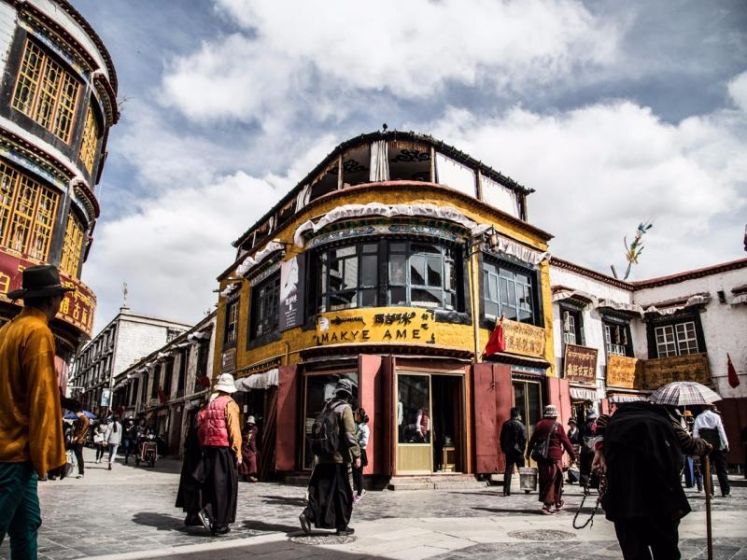
- Barkhor Square: After passing the security check, the first thing that catches your eye is the magnificent golden roof of Jokhang Temple and the pilgrims kowtowing in the square. Please keep quiet and do not take close-up photos of the pilgrims from the front. Most of the first floors on both sides of the street are shops, and the second floor and above are often residences or hotels, full of life atmosphere.
- Tang-Tubo Alliance Monument: Located on the west side of the square, it is an important witness to the friendly history between the Tang Dynasty and Tibet.
- Mani Prayer Wheels: Walking on the street, you will pass hundreds of Mani prayer wheels along the way. You can gently push them clockwise with your right hand, which means reciting scriptures.
- Qing Dynasty Resident Commissioner’s Office in Tibet: Located in the northern section of the pilgrimage route, it is a white Tibetan-style courtyard. The interior is now an exhibition hall, open for free, which helps to understand the history of the central government’s governance of Tibet.
- Incense Burning Experience Point: Located in the southeast corner of the street, where incense smoke curls. Pilgrims will throw pine and cypress branches, tsampa, etc. into the incense burner. You can watch or follow to learn, and feel this ceremony of purifying the environment and worshipping the gods.
- Makye Ame Restaurant: A restaurant reportedly related to the 6th Dalai Lama, Tsangyang Gyatso. It has become a well-known landmark, and you can take photos of its exterior. Its terrace is a popular spot to overlook the street view.
Together, these core attractions of Barkhor Street form a diverse yet unified cultural landscape, vividly reflecting the unique characteristics of Tibetan culture, where the sacred and the secular interweave, and history engages in dialogue with modernity. By exploring these places with an attentive heart, what you gain will extend far beyond photographs—it will be a profound insight into this land and its spiritual essence.
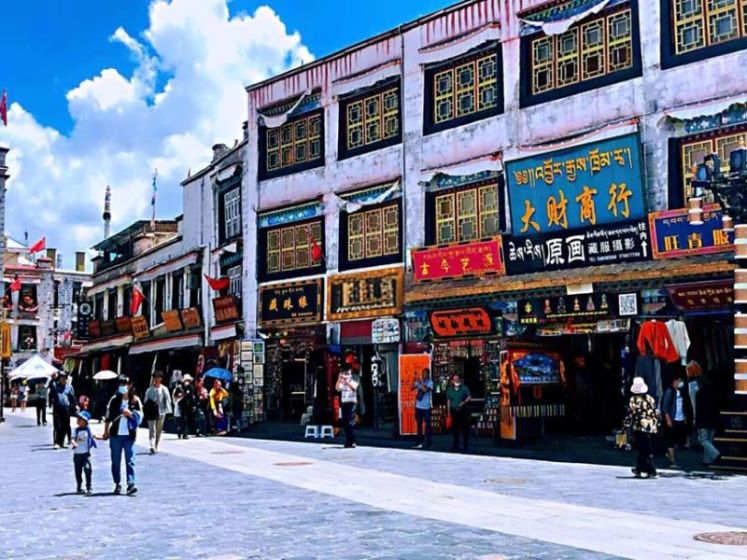
Barkhor Street: Lined with Tibetan Shops
Must-buy List for Barkhor Street
The goods on Barkhor Street carry the beliefs, history, and craftsmanship of the Tibetan people. Purchasing these distinctive items serves as both a memento of your journey and a concrete action to support the inheritance of intangible cultural heritage. This must-buy list will help you find truly precious cultural treasures amidst the dazzling array of offerings in the marketplace.
- Thangka: Religious painting artworks. It is recommended to buy them at thangka painting academies where painters draw on site. They are divided into printed and hand-painted ones. The price varies greatly depending on the size, pigment and painter’s level, ranging from several hundred yuan to several hundred thousand yuan.
- Tibetan Jewelry: Such as dzi beads, turquoise, red coral, beeswax, silver jewelry, etc. Concentrated in East Street and South Street. Pay attention to distinguishing authenticity: natural turquoise has unique textures; real coral has delicate textures. Prices range from tens of yuan to tens of thousands of yuan. Do not easily believe the “antique” claims.
- Religious Supplies: Prayer wheels, prayer beads, tsha-tsha (small Buddha statues), etc. They can be purchased at devout old shops around the temple.
- Textiles and Clothing: Woolen fabrics (Tibetan wool), aprons (bangdian), Tibetan robes, etc. There are more fabric and ready-to-wear shops on North Street.
- Tibetan Food: Such as yak beef jerky, black wolfberry, saffron, etc. Be cautious when buying medicinal materials, preferably with the guidance of local people.
Must-try Food on Barkhor Street
Experiencing the unique dietary culture of Tibet is also an indispensable part of traveling on Barkhor Street. Every dish embodies the wisdom of the plateau people in adapting to nature and loving life. From staple foods to desserts, the following are recommended must-try local delicacies for you.
- Butter Tea: Salty and fragrant. It may be unfamiliar at first taste, but it is an excellent product for adapting to the alpine environment. It costs about 5-10 yuan per pot in small street restaurants.
- Sweet Tea: Similar to milk tea, sweet and delicious, deeply loved by people. It is recommended to try it at time-honored brands to experience the atmosphere of Tibetans sitting around drinking sweet tea. It costs about 1 yuan per cup.
- Tibetan Noodles: Made of wheat, with soup base simmered with yak meat. Usually served with pickled radish. A bowl costs about 7-10 yuan.
- Yak Yogurt: Thick and sour taste, usually served with a lot of sugar. It costs about 5-10 yuan per bowl.
- Tsampa: Roasted highland barley flour. You can knead it into balls and eat it yourself. It is a staple food of Tibetans. It is provided in many restaurants.
Understanding Lhasa Begins on Barkhor Street
What makes Barkhor Street unforgettable is not its age, but its continuity. Rituals are not performed for display—they are lived. Sacred smoke rises beside storefronts, prayer beads pass quietly through devoted hands, and history unfolds step by step along the pilgrimage path. Travelers who approach Barkhor Street with patience and cultural awareness will gain far more than photographs—they will gain insight into the spiritual heart of Tibet.
Because Barkhor Street remains an active religious space as well as a popular travel destination, thoughtful planning can greatly enhance the experience. China Dragon Travel offers culturally informed guidance for exploring Lhasa’s old city, helping travelers navigate timing, etiquette, and key sites with respect and confidence—so that a walk through Barkhor Street becomes a meaningful encounter, not just a stop on an itinerary.