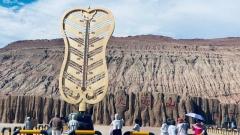

Planning a Silk Road trip? A common first question is: when is the best time to go? The answer depends on which part you plan to explore. The Silk Road isn’t a single route—it stretches thousands of kilometers across inland China and Central Asia, traversing deserts, plateaus, and grasslands, each with distinct climates. There’s no one-size-fits-all answer. Your ideal travel season depends on whether you want to visit the grottoes of Hexi Corridor, the grasslands of Xinjiang, or ancient cities in Central Asia. This article breaks the journey into sections, detailing the best season for each, along with weather tips and practical advice, so you can easily pick the perfect time for your adventure.
Understanding the Silk Road’s Basic Climate
Before delving into each region, it’s important to understand the basic climate characteristics of most parts of the Silk Road. From the Hexi Corridor in Gansu to Xinjiang, and further to Uzbekistan and other countries in Central Asia, the main climate is continental arid climate. Simply put: extremely hot in summer, freezing cold in winter, large temperature differences between day and night, and very little rainfall throughout the year. Spring and autumn are usually short but with mild and comfortable weather, making them the most recommended travel times. Also, due to the aridity, many historic cities developed relying on oasis water sources. Understanding this background helps explain why choosing the right Silk Road travel season directly impacts your travel experience.
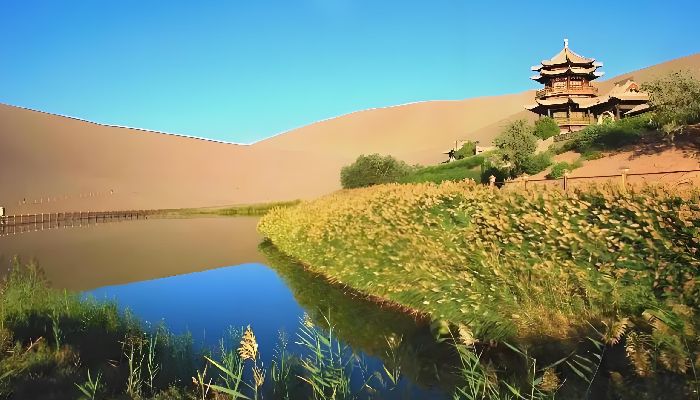
Mingsha Mountain & Crescent Lake – Dunhuang
Hexi Corridor Section: Late Spring and Autumn Recommended
The Hexi Corridor refers to the route from Lanzhou to Dunhuang, including places like Wuwei, Zhangye, and Jiayuguan. The travel seasons here are distinct.
– Most comfortable time: May to early June, and September to mid-October. During these periods, daytime temperatures are warm (around 15 to 25 degrees Celsius), and nights are cool but not freezing. It’s perfect for itineraries involving a lot of outdoor activities, such as climbing Jiayuguan Great Wall, exploring Mingsha Mountain, or visiting Mogao Grottoes at a leisurely pace.
– Summer (July to August): Weather is extremely hot with intense sunlight, sometimes exceeding 30 degrees Celsius. The advantage is longer daylight hours and the most tourism activities. However, be sure to bring plenty of sunscreen and water.
– Winter (November to March next year): Very cold with few tourists. Some places exude a sense of emptiness and desolation. But some scenic spots or facilities may be closed, and transportation may occasionally be affected by snowfall.
Tips for Visiting Zhangye Danxia and Mogao Grottoes
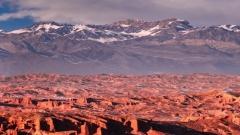
Even in the best seasons, there are tricks to visiting specific attractions. For example, the Danxia landforms in Zhangye are most vivid and colorful in the afternoon, especially when the sun comes out after rain. As for Mogao Grottoes, the temperature inside the caves is relatively low year-round to protect the murals. No matter how hot it is outside, it’s best to bring a thin jacket.
Xinjiang Section: Northern Xinjiang for Nature, Southern Xinjiang for Culture – Seasons Vary Greatly
Xinjiang is extremely large, and the scenery and suitable travel seasons for Northern and Southern Xinjiang are completely different.
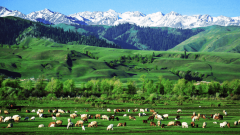
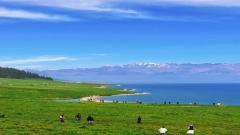
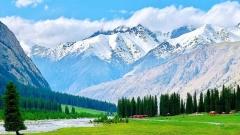
Northern Xinjiang (Kanas, Yili): Mainly features lakes, forests, and grasslands. The best time is June to September, when the weather is cool, the grasslands are lush green, and flowers are in bloom. July and August are when lavender and rapeseed flowers in Yili are at their most beautiful. Starting from late September, the forests in Kanas turn golden red—it’s the golden hour for photography. But be sure to bring warm clothes, as temperatures drop rapidly.
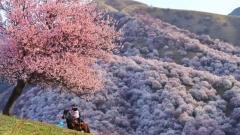
Southern Xinjiang (Kashgar, deserts, Pamir Mountains): Boasts rich ethnic customs and a sense of history. The ideal time is April to June, and September to October. During these months, it won’t be as sweltering as in summer (temperatures near deserts can exceed 40 degrees Celsius in summer) nor as cold as in winter. Spring brings apricot blossoms, autumn brings ripe fruits, and the climate is dry—perfect for wandering around the old town of Kashgar or traveling to Taxkorgan.
Notes for Planning a Trip to the Pamir Mountains
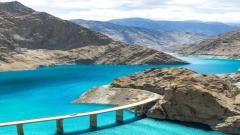
If you plan to visit the Pamir Mountains (to see Muztagata Peak and Khunjerab Pass), pay special attention. The altitude here is very high, so the suitable travel period is shorter, usually only from May to late September. Even in summer, mornings and evenings are often as cold as winter—be sure to bring thick warm clothing.
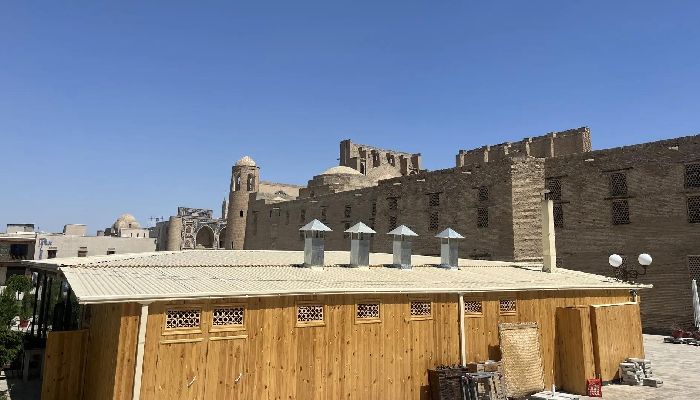
Architecture of Bukhara Ancient City in Uzbekistan
Central Asia Section (Uzbekistan, etc.): Spring and Autumn Are Ideal
The several Silk Road ancient cities in Central Asia, such as Samarkand, Bukhara, and Khiva, have a climate similar to that of southern Xinjiang.
– Best seasons: Spring (April to June) and autumn (September to October). The weather is pleasant—neither cold nor hot, with daytime temperatures around 20 to 28 degrees Celsius. The sun shines brightly but not uncomfortably. It’s the perfect time to stroll leisurely among those blue-domed ancient buildings and bustling markets.
– Summer (July to August): Extremely hot, especially in plain areas like Khiva, where afternoon temperatures often exceed 35 degrees Celsius, making sightseeing outdoors quite tiring.
– Winter (November to March next year): Cold with occasional snowfall. Tourists are extremely scarce—those who enjoy tranquility may appreciate it, but they will face short daylight hours and the closure of some restaurants and hotels.
Incorporate Local Festivals for a More Flavorful Journey
When planning your itinerary, in addition to considering the weather, skillfully incorporating local important festivals will make your Silk Road trip more unique and unforgettable. These festivals are the best window to understand the real life and cultural pulse of local people. When planning your Silk Road travel season, take some time to check the festival calendar of the regions along the way—this can upgrade your trip from simple sightseeing to an in-depth cultural experience.
For example, if you plan to visit Kashgar in Xinjiang during Eid al-Adha (Feast of Sacrifice), you will see the entire old town immersed in a festive atmosphere. Streets and alleys are filled with people in festive attire, every household is busy preparing festival food, and grand and lively prayers and celebrations will be held in front of Id Kah Mosque. The experience is completely different from what you would see in Kashgar on an ordinary day. In Central Asian countries like Uzbekistan and Kazakhstan, Nowruz (around March 21, around the spring equinox) is an ancient festival celebrating the arrival of spring. At this time, you will see people gathering in parks and squares, holding traditional concerts and dance performances, and tasting “Sumalak” porridge specially prepared for the new year—everywhere is filled with the joy of new life.
Things to Note When Planning:
- Confirm dates: Many traditional festivals (especially those related to the Islamic calendar) fall on different dates in the Gregorian calendar each year. Be sure to verify the specific dates for the year before departure.
- Prepare in advance: Festival periods are real holidays for locals. While the atmosphere is lively, it may also mean heavier traffic, closure of some shops or banks, and the need to book accommodation earlier. But this “crowd” is part of the experience itself.
- Respect and participate: Observe or participate in celebrations with appreciation and respect. If you’re unsure whether certain activities or venues are suitable for tourists, politely ask your guide or locals.
In short, taking important local festivals as a reference when choosing your Silk Road travel season can often bring unexpected surprises. A trip that allows you to admire magnificent scenery and encounter vibrant cultural events will leave you with more vivid and three-dimensional memories.
Make These Preparations Before Departure for a Smoother Silk Road Travel
After choosing the right time, the following preparations will make your trip more reassuring:
– How to pack clothes: Remember the “layered dressing” method. Even when traveling in summer, a sun-protective thin jacket, hat, and sunglasses are essential. Mornings and evenings are cold in spring and autumn—be sure to bring a warm jacket. In winter, you’ll need a full set of thick down jackets, hats, and gloves.
– Don’t skimp on sunscreen and moisturizer: These areas are dry and sunny. Use high-SPF sunscreen, lip balm, and body lotion every day.
– Respect local customs: This route is home to many ethnic groups with different beliefs. When visiting mosques or certain temples, pay attention to your attire—usually, you shouldn’t dress too revealing, and sometimes you may need to take off your shoes.
The route is long and there are many seasonal options, so planning on your own can be a bit complicated. At this time, it’s much easier to ask an experienced travel agency specializing in Silk Road trips for help. For example, China Dragon Travel can provide suitable itinerary suggestions based on your desired Silk Road travel season and destinations, and arrange transportation and accommodation along the way, allowing you to focus solely on enjoying the trip.
Choose the Right Season, and the Silk Road Comes Alive
The Silk Road is not a single route, but a vast network crossing deserts, plateaus, grasslands, and oasis cities. Because of this diversity, there is no one “perfect” season for the entire journey. The key is understanding how each region—from the Hexi Corridor to northern and southern Xinjiang, and onward to Central Asia—changes with the seasons, and matching that rhythm to what you most want to experience.
By viewing the Silk Road in segments rather than as one continuous line, travelers can plan with greater clarity and confidence. Scenic landscapes, cultural encounters, and seasonal festivals all reveal different sides of the route at different times of year. Choosing the right travel window allows the journey to feel immersive rather than rushed or uncomfortable.
For travelers who prefer a smoother planning process, working with a Silk Road–focused travel specialist can make a meaningful difference. China Dragon Travel has extensive experience designing Silk Road journeys across Northwestern China, Xinjiang, and Central Asia. Based on your preferred travel season and interests, their team can help shape a route that aligns with the best conditions of each region—so you can focus on the journey itself and enjoy the Silk Road at its best.