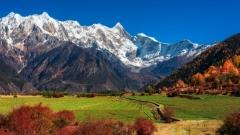

Meili Snow Mountain is one of the most sacred mountains in Tibetan regions and the highest peak in Yunnan, reaching 6,740 meters. It is famous for its breathtaking golden sunrise phenomenon, the dramatic thirteen peaks, the remote Yubeng Village, and its unique low-altitude glacier. Due to its location deep in the Hengduan Mountains, the weather changes significantly throughout the year, making the choice of travel season crucial for clear mountain views.
Year-Round Climate of Meili Snow Mountain
Meili Snow Mountain lies in the core area of the Three Parallel Rivers, a World Natural Heritage Site, and the middle section of the Hengduan Mountains, boasting a typical plateau monsoon climate. Thanks to its towering peaks, the vertical climate zones are remarkably distinct—from the subtropical river valley climate at the foot of the mountain to the alpine frigid climate at the summit, you’ll see unique scenery that changes with the seasons.
- Clear wet and dry seasons: The climate is sharply divided into two main periods throughout the year: the dry season and the rainy season. The dry season runs from October to May of the following year, with stable weather, scarce rainfall, and high air transparency—this is the golden window to admire the full view of the sacred mountain and the Golden Mountain at Sunrise. The rainy season is from June to September, influenced by the southwest monsoon from the Indian Ocean, bringing frequent rainfall, heavy mist, and drastically reduced visibility, making sightseeing conditions relatively poor.
- Extreme temperature differences: Due to high altitude and terrain, Meili Snow Mountain has huge temperature gaps at different elevations even at the same time. The river valley areas at the foot have mild summer temperatures, around 11–29℃, perfect for regular outdoor activities; while the alpine and snow peak areas are significantly colder, with temperatures ranging from -10℃ to 20℃. Some high-altitude spots stay cold all year round, so you must pack warm clothing even in summer.
- Concentrated precipitation: Annual rainfall in Meili Snow Mountain is moderate, averaging about 600 millimeters, and its spatial and temporal distribution is extremely uneven. Over 70% of the annual precipitation falls in June, July and August, with the rest of the year dominated by sunny, dry and rainless weather.
- Rapid weather changes: The mountain area features distinct microclimates, where snow, rain, cloudy skies and sunshine can shift in the blink of an eye, making weather forecasts difficult. The climate is especially unstable during the rainy season—you may experience sudden alternations of sun and rain, abrupt mountain mists, and sudden gusts of wind in a short time. You need to be ready for any weather changes on your outdoor trips.
What is most attracting in Meili Snow Mountain is the Golden Mountain at Sunrise. That wonder only appears briefly around sunrise, requiring a mix of clear skies, high air transparency, no strong winds and no thick cloud cover. From late October to April of the following year, the sunny day rate hits 70% to 90%—especially from November to March, you can see the Golden Mountain almost every day, making this period the undisputed best time to visit.
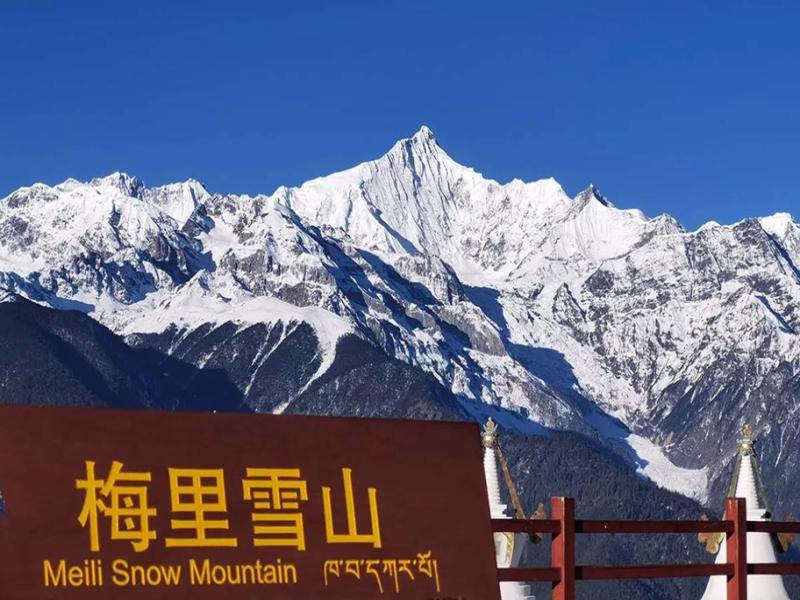
Meili Snow Mountain: the First of the Eight Great Sacred Mountains
Spring at Meili Snow Mountain
Spring (March to May) is a transitional season at Meili Snow Mountain, with unique scenery but gradually decreasing chances of clear views. March still falls at the end of the dry season; when fresh spring snow clears, the stunning scene of snowy peaks glowing in golden sunlight often appears, with pure white snow mountains and soft skies — one of the most poetic periods of the year. Cloud cover increases from April, and May gradually enters the pre‑rainy season with reduced visibility.
- Climate features: March keeps the stable dry season weather, sunny and less cloudy; April–May brings more mist, rising humidity and occasional showers, with overall temperatures between 0℃ and 18℃ and obvious day-night temperature differences.
- Special Experiences: The most distinctive spring experience is golden light on spring snow. In March, snow blankets the peaks, and the soft morning light paints a poetic picture. You’ll find fewer crowds here, letting you calmly soak in the peace and holiness of the plateau—perfect for an in-depth experience of Tibetan folk culture.
- Travel tips: Pack windproof, warm and sun protection gear; prioritize traveling in March to boost your sightseeing success rate; check the weather in advance and have a backup route if you travel in May.
Spring in Meili Snow Mountain has none of winter’s bitter cold or summer’s dampness, with elegance and tranquility as its core charm. Whether you’re chasing the encounter of spring snow and golden light, or admiring rhododendrons blooming against snow peaks, spring offers a one-of-a-kind travel experience.
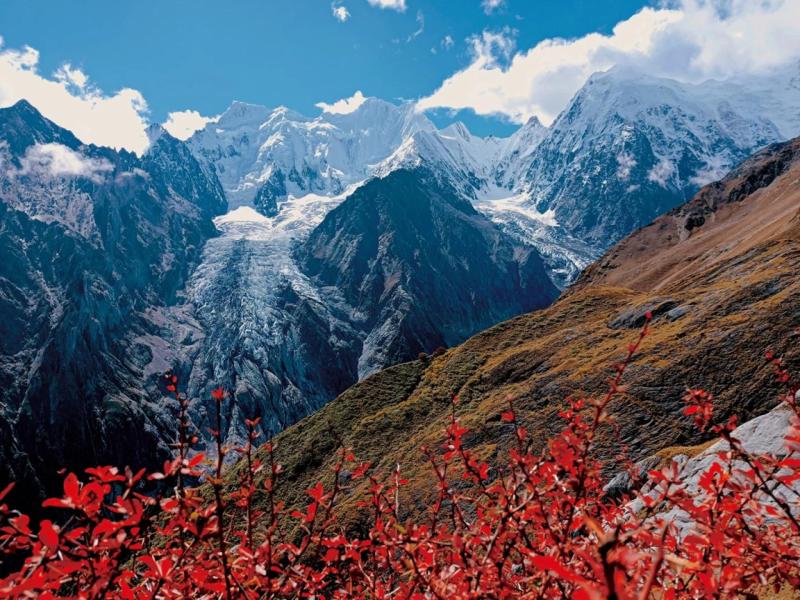
Meili Snow Mountain in Spring
Summer at Meili Snow Mountain
Influenced by the Indian Ocean monsoon, summer (June–September) is the peak rainy period at Meili Snow Mountain — the most humid and misty season of the year. The landscape is lush and quiet, but viewing conditions are relatively limited.
- Climate Features: Hot and rainy with humid air, temperatures ranging from 8°C to 24°C—the mildest season of the year. Frequent rainfall usually comes in showers or night rains; mountains are often foggy with generally low visibility, with occasional short periods of clear weather.
- Special Experience: Summer brings the most lush vegetation to Meili Snow Mountain, with moist and fresh air, making it a natural summer resort. You can venture deep into Yubeng Village to experience the secluded village surrounded by greenery. Tibetan folk activities are relatively frequent, allowing you to closely experience the local lifestyle and cultural customs.
- Tips: A waterproof jacket, non-slip hiking shoes, and rain gear are essential to cope with frequent rainfall and slippery mountain roads. Drive cautiously in mountainous areas, pay attention to road condition warnings, and avoid sections prone to landslides and rockfalls. Focus on hiking and cultural experiences while lowering expectations for clear mountain views. Bring insect repellent as there are many mosquitoes in the mountains. Check the rainfall forecast in advance, plan your daily itinerary reasonably, and avoid going out during heavy rain.
Summer at Meili Snow Mountain is a green secret realm hidden in mist. Although the full view of the sacred mountain is rarely seen, it offers a unique kind of lushness and coolness. It is not ideal for travelers seeking the golden sunrise or clear snow peaks, but it is an excellent choice for hikers, nature lovers, and those seeking quiet summer retreats, allowing you to feel the soft, serene side of Meili Snow Mountain amid dense greenery.
Autumn at Meili Snow Mountain
Autumn provides the best overall experience at Meili Snow Mountain. The rainy season ends, weather stabilizes, and air becomes clear. It balances high viewing success, comfort, and layered scenery, making it the top choice for most travelers.
- Climate Features: Sunny and less rainy, dry and comfortable, temperatures between -2℃ and 18℃, obvious day-night temperature differences but no bitter cold; mild daytime weather is perfect for outdoor activities, and nighttime temperatures are low but not extreme. Road conditions are stable, with no snow accumulation or landslide risks, ideal for long-distance travel and outdoor sightseeing.
- Special Experience: In autumn, the mountain valleys are painted with colorful forests; Feilai Temple and Wunongding Viewpoint offer the best views, letting you overlook the full snow mountain panorama and the Jinsha River Great Bend. The Yubeng hiking trail is in its best condition with comfortable weather, letting you enjoy both the fun of hiking and the three-dimensional scenery along the way. Local crops ripen at this time, and Tibetan folk activities are abundant—you can have an in-depth experience of Tibetan people’s life and beliefs.
- Travel Tips: You should bookyour accommodation and transportation in advance, especially from late October to November (peak season) when rooms and vehicles are in short supply. Please dress in layers for warmth and convenience, including a windproof jacket, warm base layers, and sun protection. Please arrive at viewing sites around 7:00–8:00 early to secure the best spots for the golden sunrise. Bring sufficient water and dry food for Yubeng trekking and hire a local guide to ensure safety.
With stable weather, rich scenery, and high comfort, autumn is the most recommended travel season at Meili Snow Mountain and the easiest time to create unforgettable memories.
Winter at Meili Snow Mountain
Dominated by westerly circulation, winter brings the most stable dry season of the year to Meili Snow Mountain. The air is dry, cold, and clear with the highest rate of sunny days — the premier period for viewing the golden sunrise and magnificent snow scenery, full of sacredness and solemnity.
- Climate Features: Dry, cold, and consistently sunny, temperatures ranging from -10°C to 12°C. Nights and early mornings are especially cold, dropping as low as -10°C. Winds are steady, with very little dust or mist, and the best air transparency all year. Some high altitude roads tend to freeze over in early morning, so driving safety is required.
- Special Experience: Rime and snow scenery are major winter features. The golden sunrise is brighter and lasts longer. Yubeng Village is covered in snow, and you can join unique winter Tibetan folk activities to experience a strong festive atmosphere.
- Travel Tips: Prepare a heavy down jacket, warm hat, frost-proof gloves, fleece pants, and non‑slip snow boots for full cold protection. Drive slowly on icy mountain sections in early morning and prefer vehicles with snow chains. Bring adequate cold resistance and altitude sickness relief items, because the dry, cold plateau in winter can easily cause physical discomfort. Arrive at viewing sites around 7:30–8:30 early for the golden sunrise, stay warm, and avoid prolonged outdoor stays.
The dry, clear weather, pure and magnificent snow scenery, and extremely high chance of golden sunrises combine to create the most spectacular scenes of the sacred mountain in winter. Despite the cold, every moment of perseverance yields precious memories.
Best Time to Visit Meili Snow Mountain: Feel the Scenery of Four Seasons
What makes Meili Snow Mountain truly special is not only its dramatic peaks, but also its unpredictability. The golden sunrise does not appear every day, and clear views of the mountains depend heavily on timing and weather conditions. Visiting in autumn or winter significantly increases your chances of seeing the peaks in their full glory, while spring offers a quieter atmosphere and softer landscapes. Understanding the seasons is the key to experiencing this sacred mountain at its best.
Standing at viewpoints like Feilai Temple at sunrise, watching the first light touch the snow-covered peaks, is a moment that goes far beyond what photos can capture. If you want to maximize your chances while exploring places like Yubeng Village and the surrounding region, thoughtful planning makes a big difference. China Dragon Travel can help design a personalized journey based on seasonal conditions, making your experience smoother and far more rewarding.