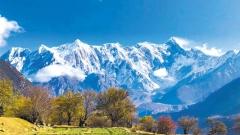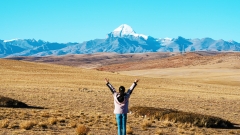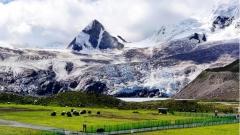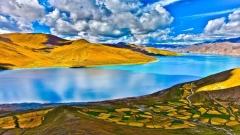

Standing at 7,782 meters, Mount Namjagbarwa is famed for its elusive beauty—revealing its full glory only about 65 days a year. Catching this “China’s Most Beautiful Snow Mountain” hinges on timing perfectly. Collisions between Indian Ocean warm currents and plateau terrain create distinct seasonal windows: over 80% of days are fog-shrouded in the rainy season (May–Sep), while the dry season (mid-Oct–Apr) boasts 85% visibility with crystal-clear air. This guide breaks down climate, viewing success rates, experiences and tips by season to help you unlock the peak effortlessly.
The Best Seasons to Visit Mount Namjagbarwa
Winter Golden Period (Dec–Feb): Top Viewing Success & Golden Peak Spectacle
Winter is the prime time to see the peak clearly. As the core dry season, fog covers the mountain for only 10%–15% of the time, making the golden peak phenomenon (sunlit snow-capped summit) visible 90% of the time. Dominated by the southern branch westerly winds, days are mostly sunny. The daily golden window for the golden peak is 17:00–19:00, when low-angle sunset rays dye the triangular summit gold-red from base to peak. Combined with the emerald Yarlung Zangbo River and yellow riverbank meadows, it creates a stunning visual impact.
Climate data shows winter daily temperatures range from -5℃ to 15℃. Despite large day-night temperature differences, midday sunshine is warm and pleasant. Better still, the “Winter Tibet Tour” policy offers perks: from Nov to Mar, all A-level scenic spots including Yarlung Zangbo Grand Canyon waive entrance fees. Homestay prices in Songzong Village and Zhibai Village drop 30%–50% (300–600 CNY per person per night in low season), and visitor numbers are just one-third of the peak season, letting you enjoy unobstructed views without crowds.
Travel Tips: Sections like Sejila Mountain Pass may have snow and ice—equipped your self-driving car with snow chains and opt for a four-wheel drive. Wind speeds at high altitudes can reach 40 m/s; bring windproof down jackets, Ushanka hats, waterproof gloves to avoid prolonged exposure to cold. Some homestays provide oxygen concentrators—book in advance to tackle mild altitude sickness.

Namcha Barwa
Spring & Autumn Transition Periods (Mar–Apr, Oct–Nov): Balanced Viewing Success & Scenic Diversity
These shoulder seasons sit between dry and rainy periods, with 60%–75% viewing success rates. They balance comfortable weather and diverse landscapes, ideal for visitors sensitive to extreme cold.
Spring (Late Mar–Apr): Temperatures rise to 5℃–20℃, and Nyingchi’s peach blossoms burst into full bloom. In Songzong Village and Dalin Village, pink peach blossoms frame the snow-white peak and green highland barley fields, creating a breathtaking “snow mountain and peach blossom” landscape. Morning fog usually lifts after 10:00, giving a 65% chance to see the peak clearly. You can enjoy both the snow mountain and the vibrant spring scenery of “Tibet’s Jiangnan”. Note: residual snow may linger in early Mar, drive cautiously on some sections. During the Peach Blossom Festival (Mar 20–Apr 10), homestay prices rise slightly—book 1–2 weeks ahead.
Autumn (Oct–Nov): Post-rainy season, air clarity is second only to winter, with a 75% viewing success rate. Canyon vegetation turns a mosaic of colors—golden maple and birch trees mix with emerald pine and fir, creating layered landscapes with the snow mountain, perfect for photography. Mid-Oct daily temperatures range from 5℃–20℃, mild and comfortable without winter cold or summer mosquitoes, ideal for hiking.
Special Reminders: October is a post-National Day off-peak period with fewer tourists and stable homestay prices (400–800 CNY per person per night). November brings cooler temperatures—pack a lightweight down jacket. Some homestays turn on heating for cozy “indoor snow viewing”. High-altitude winds are strong in these two months; check weather forecasts and avoid open spots like mountain passes during gale warnings.
Summer Avoidance Period (May–Sep): Not Recommended, a Gamble for Views
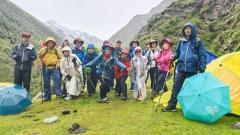
Summer is Nyingchi’s rainy season. Affected by Indian Ocean warm currents, Mount Namjagbarwa is covered by thick clouds over 80% of the time, with less than 20% chance to see the peak clearly. Many visitors stay 3–5 days only to leave disappointed. July–August sees the heaviest rainfall, with frequent short but intense downpours that not only block views but also trigger mudslides, temporarily closing some hiking trails.
If summer travel is unavoidable, prepare for a long wait: stay at low-altitude homestays in Songzong Village or Zhibai Village, where 6:00–7:00 early morning has thinner fog for brief viewing windows. Check 2+ consecutive days of sunny forecasts and avoid rainy spells. Pack waterproof jackets, quick-dry pants and insect repellent (canyons have lots of mosquitoes in summer).
Daily Best Viewing Windows for Mount Namjagbarwa
Beyond seasonal choices, daily timing is key to spotting the peak. The mountain’s visibility patterns are closely tied to diurnal valley airflow changes and sunlight angles. The two golden windows below offer the highest viewing success rates and distinct visual experiences:
Sunrise Window (6:30–8:00): Serene Silver Peak in Morning Mist
This window’s biggest advantage is stable airflow and soft light. At around 6:30, valley temperatures hit the day’s low, with dense, calm air. Overnight morning mist dissipates gently as the sun rises, without sudden cloud cover. Once the peak is visible, it stays clear for 1–1.5 hours.
Low-angle sunrise rays cast a soft glow on the snow-capped peak, avoiding harsh reflections and turning the snow a warm silver. Combined with fluttering colorful prayer flags and valley mist, the scene looks like a fairyland, perfect for atmospheric landscape photography.
Practical Tips: Arrive 20 minutes early and choose unobstructed spots like Songzong Village’s highland barley fields or Dalin Village Viewpoint. Morning temperatures are 5–8℃ lower than daytime—wear windproof jackets and warm gloves to avoid standing in the cold for long. Use a wide-angle lens for photography, incorporating valley and village elements to add depth to your shots.
Sunset Window (17:00–19:00): Golden Peak Highlight, Capturing Color Gradients
This is the day’s prime window with the highest viewing success rate and most stunning visual impact. Especially in winter (17:30–18:30), it’s the “golden window within the golden window”. The sun dips to a 15°–20° angle, and sunlight travels a longer path through the atmosphere—short-wave blue light scatters, leaving long-wave red and orange light to bathe the peak. The snow-capped summit shifts through gradients of pale pink → orange-red → golden red, creating the coveted “golden peak” effect beloved by photographers.
Practical Tips: Arrive 1 hour early to claim a spot—popular locations like Songzong Village’s iconic tree and Gongzun Demu Farm’s lakeside are packed with tourists and tripods in peak season. Use a 70–200mm telephoto lens to capture peak details and color transitions. Carry spare camera batteries—cold temperatures drain power 30% faster. Winter sunsets are early; light fades quickly after 18:30, so plan your return route in advance.
Pitfall Alert: Two Periods to Avoid for Fruitless Trips
- Midday (11:00–14:00): Direct sunlight creates harsh reflections on the snow, leading to overexposed photos with flat, washed-out scenery. Strong valley air convection also causes rapid cloud formation and movement— the peak may vanish just after appearing, with viewing success rate below 30%.
- After 19:00: Temperatures drop 5–10℃ within 30 minutes after sunset. High-altitude areas may even experience frost, risking frostbite from prolonged stays. Dim light makes viewing and photography impossible, and driving at night increases safety hazards—always leave viewing spots by 19:00.
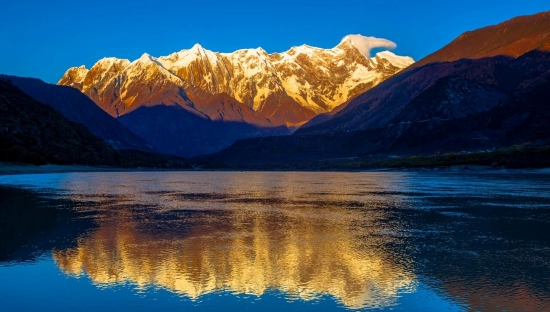
Golden Sunlit Summit of Namcha Barwa
Mount Namjagbarwa’s Transportation, Accommodation & Viewpoints
Transportation: Choose the Right Mode by Season
- Reaching Nyingchi: Flights are the most convenient option—direct flights from Chengdu/Chongqing/Lhasa to Nyingchi Mainling Airport take 1.5–2 hours. The airport is 80 km from Songzong Village; a private car transfer costs 300–400 CNY (2-hour drive). Alternatively, take a bullet train from Lhasa to Nyingchi (4 hours, 120–200 CNY), then share a ride to Songzong Village (100–150 CNY per person).
- Winter Travel: Opt for private car hire or group tours instead of self-driving to handle snow-covered roads. In early Mar and late Nov, some rural roads may have gravel or mud—choose a vehicle with high ground clearance.
Accommodation: Choose Based on Viewing Needs
- Top Viewing Choice: Songzong Village (3,000 meters above sea level), facing Mount Namjagbarwa directly. Some homestays (e.g., Jimei Namcha Barwa Mountain Residence, Hidden World Residence) have terraces or floor-to-ceiling windows for unobstructed views—800–1,200 CNY per person per night in peak season, 300–600 CNY in low season.
- Budget Option: Zhibai Village (2,600 meters above sea level), closer to the peak base. Homestay prices are 20% lower than Songzong Village. It’s a 10-minute walk to Namcha Barwa Base Camp. Some guesthouses offer hot spring baths (50 CNY per person) to ease travel fatigue.
- Comfort Option: Nyingchi Urban Area (Bayi Town), with a wide range of hotels (4-star standard: 600–1,000 CNY per person per night). It’s convenient for dining and shopping, ideal for acclimatizing to high altitudes. Daily shuttle buses run to Yarlung Zangbo Grand Canyon (1.5-hour drive).
Viewpoints: Match to Daily Time Windows
- Sunset Golden Peak: Songzong Village’s highland barley fields (unobstructed peak views with river and pastoral scenery), Gongzun Demu Farm (lake reflections of the golden peak, a popular photo spot), Devil’s Head Viewpoint (head-on peak angle, perfect for telephoto shots).
- Sunrise Panorama: Sejila Mountain Pass (4,728 meters above sea level, panoramic views of snow-capped peaks and Nyingchi Forest), Yarlung Zangbo Grand Canyon Viewpoint (360° views of the peak and canyon bends).
- Up-Close Viewing: Namcha Barwa Base Camp (Jiding Dangga), a 7–10 km hike from Zhibai Village. It faces the peak’s west wall and glaciers directly. Camping or staying in simple huts is available (200 CNY per person), with opportunities to shoot starry skies above the snow mountain at night.
Essential Packing List of Mount Namjagbarwa
Clothing: For Temperature Swings & Variable Weather
- Core Warmth: Winter: thick windproof down jacket (preferably with fur collar and windproof cuffs), skin-friendly thermal underwear (wool or down, moisture-wicking and breathable). Spring & Autumn: lightweight down jacket or thick fleece jacket for easy layering.
- Outer Protection: Waterproof windproof jacket and pants (for sudden rain, snow and strong winds). Choose breathable fabrics with adjustable waist and ankle cuffs to keep out wind and snow.
- Accessories: Ushanka or fleece hat (ear protection), waterproof non-slip gloves (fleece-lined for winter, camera-friendly), snow boots or high-top hiking shoes (waterproof, non-slip soles; fleece-lined for winter). Spring & Autumn: lightweight gloves and low-top hiking shoes, plus 2–3 pairs of quick-dry socks for replacement.
Photography Gear: Capture Snow Mountain Beauty
- Core Equipment: Tripod (essential for sunrise, sunset and starry sky shots; choose a lightweight, stable model for easy carrying), telephoto lens (200mm+ for peak details and golden peak color transitions). Casual travelers can use a phone tripod with clip-on lenses for great results.
- Accessories: Spare batteries (carry 2+ sets; cold drains power fast—use hand warmers to prevent sudden shutdowns), waterproof camera bag (protect gear from rain and snow), lens cloth (clean dust off lenses regularly in high-altitude, dusty conditions).
Other Essentials: For High-Altitude Adaptation
- Altitude Sickness & Protection: Portable oxygen cans (1–2 per person for mild altitude sickness; press-type cans for easy dosage control), sunscreen (SPF50+, PA++++; reapply every 2 hours for high-altitude UV protection), sunglasses (prevent snow blindness and glare), fragrance-free lip balm (relieve dry, chapped lips from low humidity).
- Medications & Emergency Supplies: Cold medicine, gastrointestinal medicine, motion sickness pills (based on personal needs), band-aids, disinfectant wipes. Winter: hand warmers (stick inside clothing for warmth), non-slip shoe covers (for snowy/icy roads).
- Daily Supplies: Insulated water bottle (500–1,000 ml; drink plenty of warm water to ease altitude sickness), energy snacks (chocolate, nuts, beef jerky for quick energy), portable trash bags (protect the environment by packing out waste).
Pitfall Avoidance Guides about Mount Namjagbarwa
Reject the “Peak Season Must-See” Myth
May–September is Nyingchi’s peak tourist season, with lush canyons and flowing streams drawing crowds—but it’s a “minefield” for viewing Mount Namjagbarwa. Active Indian Ocean warm currents bring frequent rain and thick fog, shrouding the peak over 80% of the time. Many visitors stay 3–5 days only to leave with blurry photos of fog. Avoid this period unless travel dates are fixed. If summer travel is unavoidable, check 2+ consecutive days of sunny forecasts and target the 6:00–7:00 early morning window when fog is thinnest.
Avoid Bad Weather & Watch for Mountain Pass Risks
Check official weather updates before departure—follow the “Nyingchi Meteorology” WeChat account for real-time alerts on strong winds, snow and heavy rain. Open areas like Sejila Mountain Pass (over 4,700 meters above sea level) are exposed; wind speeds can exceed 60 km/h in gales, making it hard to stand and risking injury from falling rocks. If winds pick up or dark clouds gather suddenly at the pass, pack up and leave immediately—don’t linger for photos.
Never Hike Blindly – Safety First
Never hike to remote areas like Namcha Barwa Base Camp or Nalacuo Lake alone. Some trails lack clear signage, and high-altitude weather changes rapidly, increasing risks of getting lost or exhausted. Always hire a local guide who knows the terrain and emergency shelters. Control your pace during high-altitude hikes—avoid running or jumping. Rest 10–15 minutes every hour even if you feel energetic, to prevent altitude sickness from oxygen deprivation.
When Is the Best Time to See Mount Namjagbarwa?
Based on long-term climate patterns, mid-October to April offers the most reliable viewing conditions, with winter providing the highest probability of clear skies and dramatic golden sunset illumination. On a daily scale, early morning and late afternoon consistently outperform midday hours, when turbulence and glare reduce visibility.
Mount Namjagbarwa is not a mountain of pure chance. With accurate seasonal planning, proper timing, and well-chosen viewpoints, witnessing its true form becomes a calculated success rather than a gamble. For travelers with limited time in Tibet, thoughtful planning is the key to turning one of China’s most elusive mountains into a once-in-a-lifetime highlight.
China Dragon Travel has years of experience curating Tibet travel routes. We can customize a Mount Namjagbarwa viewing itinerary based on your travel dates, budget and needs—helping you avoid pitfalls, secure prime viewing spots and turn the regret of “elusive views” into the joy of “certain sightings”.