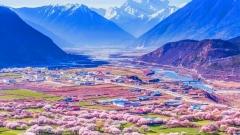

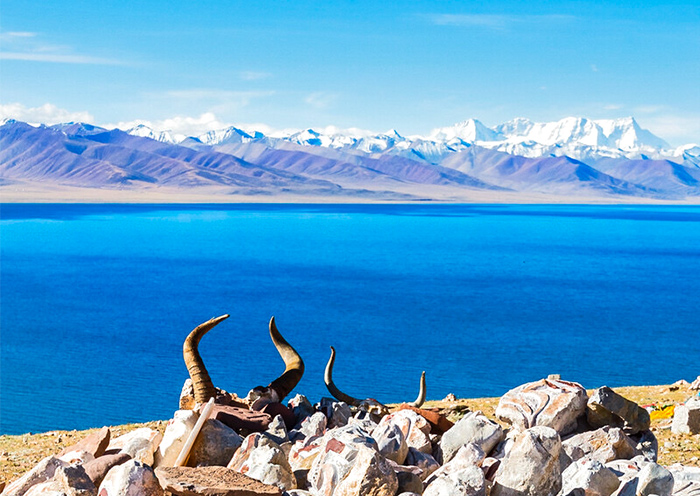
Namtso Lake, meaning “Heavenly Lake” in Tibetan, is one of Tibet’s three sacred lakes, sitting at an altitude of 4,718 meters. The breathtaking sight of its crystal-blue waters mirroring the snow-capped Nyainqêntanglha Mountains is the ultimate dream for any plateau traveler. However, extreme climates and sharp temperature fluctuations at high altitudes make timing the key to unlocking this beauty—winter brings frozen lakes and closed roads, while summer entails risks of altitude sickness and rainfall. Only by choosing the right window can you avoid these troubles. The best time to visit Namtso Lake is between May and October, with June–September boasting the most stable weather and highest viewing success rate, October offering stunning autumn scenery, and May providing a quiet, crowd-free experience.
Analysis of the Best Seasons to Visit Namtso Lake
June–September: Peak Season with Stable Weather and High Viewing Success
As the prime window to visit Namtso Lake, June to September sees the lake in its most comfortable state all year round, making it the top choice for most travelers. Though this is Tibet’s rainy season, rainfall is characterized by short, concentrated downpours in the afternoon, leaving mornings and evenings clear and sunny. The lake surface remains as smooth as a mirror, offering a 90% chance of seeing the main peak of Nyainqêntanglha reflected in the water—hardly any chance of leaving disappointed. Daily temperatures range from 5℃ to 18℃; with ample sunshine during the day, you can move around freely in a light jacket, and a fleece jacket is enough to keep you warm on cool nights, delivering far better comfort than other seasons.
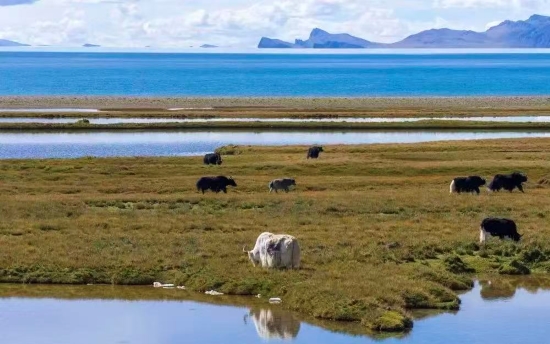
Namtso Lake comes alive during these months. The vast grasslands along the shore are covered in lush green and dotted with colorful gesang flowers, while the snow-capped Nyainqêntanglha Mountains stand majestically in the distance, forming a three-dimensional landscape of “snow-capped peaks, lake waters and grasslands”. Whether you take a leisurely walk along the lake, sit quietly by the shore, or shoot panoramic photos, you are sure to be satisfied with the results. Note that July and August are peak tourist months, leading to tight accommodation availability on Tashi Peninsula—book 1–2 weeks in advance to avoid last-minute shortages or price surges. Avoid open areas such as lakeside grasslands and highland viewing platforms during afternoon thunderstorms to prevent lightning strikes. Strong winds by the lake may cause headaches, so a windproof jacket is recommended. While the risk of altitude sickness is lower than in winter, it is still advisable to acclimatize in Lhasa for 1–2 days before traveling to Namtso Lake, rather than heading straight from low-altitude areas.
Namtso
May & October: Off-Peak Options with Fewer Crowds and Unique Scenery
These two months fall before and after the peak season. Though not the first choice for visiting Namtso Lake, they boast distinct scenic advantages, ideal for travelers seeking off-the-beaten-path experiences and avoiding crowds, especially for photography enthusiasts.
May: Winter snow melts gradually, and the lake thaws completely, revealing an early-spring shade of clear turquoise—pure and unblemished, like a sapphire embedded in the plateau. With very few tourists around, you can enjoy Tashi Peninsula almost exclusively, capturing the serene beauty of the sacred lake and snow-capped mountains without crowds spoiling your shots. Daily temperatures range from -2℃ to 15℃, with significant day-night differences. Morning mist often shrouds the lake, and as it disperses at sunrise, the snow-capped peaks reflected on the water create a fairy-tale scene full of artistic charm. Note: Remnants of snow may linger on some roads (such as Nagula Pass and branch roads within the scenic area); if driving yourself, equip your vehicle with snow chains and proceed with caution. Strong winds and cold temperatures by the lake mean warm gear (down jacket, windproof hat, waterproof gloves) is essential—avoid prolonged outdoor exposure to prevent catching a cold. Some homestays have just reopened after winter closures, with facilities possibly not fully tested; confirm heating and hot water supply before booking.
October: The rainy season ends completely, and air clarity reaches its annual peak. The sky glows with pure azure, and the lake deepens to a rich blue, contrasting sharply with the golden grasslands along the shore—making it the golden period for autumn photography. Daily temperatures range from 0℃ to 12℃, with stable, rain-free weather; except for possible early snow in late October, the overall climate is pleasant, with an 85% viewing success rate. Tourist numbers drop sharply in October, making the scenic area exceptionally quiet, allowing you to fully immerse yourself in the tranquility and grandeur of the sacred lake. Accommodation prices on Tashi Peninsula decrease by 20%–30%, eliminating the need to compete for rooms and ensuring an excellent travel experience. Note: Some roads to Namtso Lake may close due to snow after October 20—check the “Tibet Traffic Police” official WeChat account for road conditions in advance to avoid being turned away. Lower temperatures increase the risk of altitude sickness compared to summer (cold weather exacerbates oxygen deprivation), so step up warm clothing and altitude sickness prevention measures, and carry portable oxygen tanks with you. Some homestays close by late October—confirm their operating status beforehand.
November–April: Extreme Cold and Closed Roads, Not Recommended for Ordinary Travelers
Namtso Lake enters a “dormant period” in winter, making it completely unsuitable for ordinary travelers—it is the “pitfall season” to avoid. The lake freezes solid, with temperatures plummeting to between -20℃ and 5℃. Extreme cold combined with 7–8 level gales can cause frostbite on hands and feet after just 10 minutes outdoors. The risk of altitude sickness surges significantly under the dual stress of oxygen deficiency and severe cold, which can easily lead to serious symptoms and endanger health. More critically, from late November to March, the Namtso Lake scenic area is often closed due to heavy snow, with sections of National Highway 109 impassable, posing high risks of vehicle entrapment—even local drivers proceed with caution.
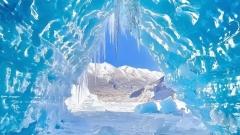
For professional photographers or adventurers only: From January to February, the frozen lake surface allows hiking to the central island, where you can capture the stunning “blue ice” phenomenon (ice appears pure blue with high transparency) and snow-capped mountain sunrises. However, this requires experience surviving extreme cold at high altitudes, hiring a local guide familiar with ice safety, carrying professional cold-resistant gear (down jacket rated for -30℃, snow boots, windproof gloves, thermal tent), and obtaining travel permits from the local police station in advance. Ordinary travelers are strictly prohibited from attempting this.

Namtso Lake in Winter
Namtso Lake’s Transportation, Accommodation and Gear
Transportation Options: 3 Choices Suited to Different Seasons
Travel to Namtso Lake mainly departs from Lhasa, covering approximately 220 kilometers over a 4.5–5 hour drive. The best transportation mode varies slightly by season, so choose based on your needs:
- Private Car/Shared Ride (Highly Recommended): Suitable for all seasons, especially in May and October when road conditions are complicated. It offers great flexibility, allowing you to stop and take photos at attractions along the way (such as Nyainqêntanglha Mountain Viewing Platform and Nagula Pass) at any time. Drivers are familiar with high-altitude roads and can handle sections with residual snow or gravel. Prices fluctuate by season: 1,200–1,500 CNY per 4-seater SUV in peak season (June–September), and 1,000–1,200 CNY in off-peak season (May, October). Shared rides cost 300–400 CNY per person, including round-trip transportation and driver service fees; some drivers provide portable oxygen tanks and snow chains. Book through official platforms and ensure vehicles have complete documentation and drivers have high-altitude driving experience.
- Group Tour: Ideal for solo travelers who prefer a hassle-free trip, especially first-time visitors to Tibet. Lhasa’s local travel agencies offer well-established one-day Namtso Lake tours, including round-trip transportation, tickets, guide services and sometimes lunch, with transparent pricing. Opt for pure sightseeing tours and avoid cheap shopping-focused ones, which may add extra shopping stops and cut sightseeing time. For a more in-depth experience, choose a two-day tour (including one night’s accommodation on Tashi Peninsula) to enjoy the sacred lake at a leisurely pace without a rushed itinerary.
- Self-Driving: Only recommended for travelers with extensive high-altitude driving experience, with vehicle configurations adjusted by season. Roads are in good condition from June to September, accessible by regular sedans. A four-wheel drive vehicle is required in May and October, equipped with snow chains (for residual snow sections), a spare tire, emergency tools and sufficient fuel (gas stations are scarce along the way). Driving at high altitudes causes fatigue easily—rest for 10 minutes every hour and avoid night driving (roads lack streetlights with poor visibility). Carry your ID card at all times; border checks may be conducted along the way (Namtso Lake is a low-risk area, no border pass required).
Accommodation Choices: Season-Specific Recommendations for View and Comfort
Accommodation in Namtso Lake is concentrated on Tashi Peninsula, the core scenic area. A small number of travelers choose to stay in Damxung County. Recommendations vary by season:
- Peak Season (June–September): Prioritize lake-view homestays on Tashi Peninsula for direct views of the lake and sunrise, saving travel time to viewing platforms. Top picks include “Namtso Lake Tashi Peninsula Lake View Homestay” and “Sacred Lake Post House”, offering basic facilities such as electric blankets and hot water (limited supply in some cases)—book 1–2 weeks in advance. For higher comfort, choose “Namtso Lake Cloud Inn”, which provides private bathrooms, 24-hour hot water and oxygen supply equipment.
- Off-Peak Season (May, October): Accommodation choices are more flexible, with options to fit different budgets. Prices drop on Tashi Peninsula, and lake-view homestays are available for 200–400 CNY per night. If traveling with the elderly or children who are sensitive to high-altitude accommodation, stay in Damxung County (approximately 60 kilometers from Namtso Lake, a 1-hour drive). It offers a wider range of well-equipped hotels (3-star hotels cost 200–300 CNY per night), but you need to set off early in the morning to catch the views at Namtso Lake.
Essential Gear List: Season-Specific for High-Altitude Conditions
Namtso Lake’s high-altitude environment with large temperature differences and strong UV radiation demands careful gear selection. Below is a practical, non-redundant list categorized by season:
- Summer (June–September): Outer layer: Waterproof and windproof jacket and pants (for sudden rain and strong winds); Mid layer: Light down jacket or thick fleece jacket (for night warmth); Inner layer: Quick-drying clothes (moisture-wicking to prevent catching cold after sweating); Accessories: Windproof hat (ear protection), lightweight waterproof gloves, high-top hiking shoes (slip-resistant and waterproof), 2–3 pairs of quick-drying socks; Protection: Sunscreen (SPF50+, PA++++), sunglasses, lip balm, face towel (wind and sun protection); Others: 1 portable oxygen tank per person, insulated water bottle, energy snacks, essential medicines (cold medicine, gastrointestinal medication, band-aids).
- Spring & Autumn (May, October): Add a thick down jacket (for intense night warmth), wool thermal underwear (best for moisture absorption and insulation), and non-slip shoe covers (for residual snow or muddy roads) to the summer gear list. Enhanced altitude sickness prevention: Take Rhodiola rosea 3–5 days in advance, carry Gaoyuan’an tablets, and increase oxygen tank quantity to 2 per person.
- Winter (November–April, for professionals only): Professional cold-resistant down jacket rated for -30℃, snow boots (waterproof, slip-resistant and fleece-lined), fleece-lined windproof pants, thick wool thermal underwear, Ushanka hat (head and ear protection), waterproof heavy-duty gloves, thermal scarf; Others: Professional trekking poles, crampons (for ice hiking), 3–4 high-concentration oxygen tanks per person, cold-resistant sleeping bag, emergency food (compressed biscuits, chocolate).
Namtso Lake’s Altitude Sickness Management and Pitfall-Avoiding Guide
Altitude Sickness Management Tips: Stay Calm and Respond Scientifically
At an altitude of 4,718 meters, altitude sickness is a concern for all travelers. Risks vary by season, requiring targeted prevention:
- Pre-Acclimatization: Regardless of the season, spend 1–2 days acclimatizing in Lhasa (3,650 meters above sea level, over 1,000 meters lower than Namtso Lake) before departure. Avoid strenuous exercise, alcohol consumption and late nights to prepare your body for the higher altitude.
- Season-Specific Prevention: Summer (June–September) carries lower altitude sickness risk—1 portable oxygen tank per person suffices to relieve mild symptoms such as headaches and shortness of breath. Spring and autumn (May, October) have lower temperatures that can worsen altitude sickness symptoms; drink plenty of warm water, keep warm, and avoid catching cold, which can trigger altitude sickness. Winter poses extremely high altitude sickness risk—ordinary travelers are strongly advised against visiting.
- Symptom Management: Mild altitude sickness (headache, dizziness, shortness of breath) can be relieved by rest, warm water and oxygen inhalation—no need for panic. For severe symptoms (vomiting, difficulty breathing, confusion), stop all activities immediately, use continuous oxygen inhalation, and contact your driver or homestay owner. Seek medical help at Damxung County Hospital (a 1-hour drive) or return to Lhasa for treatment—never push through the discomfort.
Pitfall-Avoiding Guide: Steer Clear of These Common Mistakes
- Avoid Winter Travel Blindly: Ordinary travelers should not be lured by “winter blue ice scenery” and ignore extreme cold and altitude sickness risks, which can lead to entrapment, frostbite or severe altitude sickness.
- Don’t Choose Cheap Tour Groups: Low-priced one-day Namtso Lake tours (100–200 CNY per person) advertised on Lhasa streets are mostly shopping-focused, adding extra stops, cutting sightseeing time and even forcing purchases. Always opt for pure sightseeing tours from reputable travel agencies.
- Never Ignore Weather and Road Conditions: Check the “Nyingchi Meteorology” and “Tibet Traffic Police” official WeChat accounts before departure to avoid travel during rainstorm or snowstorm warnings. Pay attention to icy road conditions in spring and autumn and avoid closed sections.
- Do Not Damage the Environment: Namtso Lake is a sacred lake for Tibetans—never litter by the lake, trample on grasslands or make loud noises. Avoid washing hands, feet or throwing items into the lake to respect local customs. When flying drones, keep away from crowds and temples to avoid disturbing others.
Namtso Lake
When Is the Best Time to Visit Namtso Lake? Final Answer
Considering weather stability, lake visibility, altitude adaptation, and road accessibility, June to September is the most reliable and recommended time to visit Namtso Lake. During these months, mornings and late afternoons offer the clearest views of the lake and the Nyenchen Tanglha Mountains. For travelers seeking fewer crowds and a quieter atmosphere, May and October can be good alternatives, though colder temperatures and road conditions require extra preparation. From November to April, extreme cold, frequent road closures, and higher altitude risks make the lake unsuitable for most visitors.
Namtso Lake’s beauty lies in its clear blue waters, the silhouette of snow-capped peaks, and above all, the perfect timing of your visit. With this guide in hand, set off with awe and anticipation, and this plateau sacred lake will leave you with unforgettable memories. China Dragon Travel has extensive experience curating Tibet travel routes. We can customize a personalized Namtso Lake itinerary based on your travel dates, budget and needs, helping you avoid pitfalls, optimize your route and enjoy a worry-free plateau adventure.