Xinjiang is massive—so large that one season can feel like two completely different worlds.
When Ili’s grasslands burst into wildflowers, Southern Xinjiang may already be scorching under desert heat. When Kanas is painted in golden autumn, the Pamir Plateau might already be freezing.
So when exactly is the best time to visit Xinjiang?
The answer depends entirely on what kind of scenery you want to see.
This guide breaks down Xinjiang month by month and region by region to help you choose the perfect travel window.
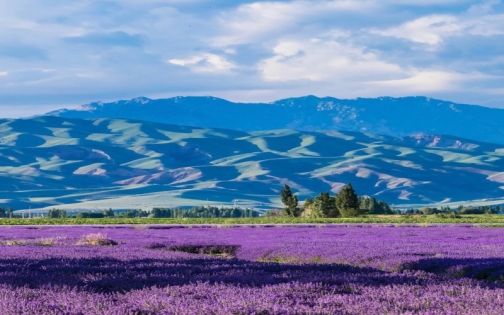
Lavender Garden
March–April | Early Spring (Low Season, Limited Access)
Overall Conditions
Temperatures are unstable. Snow is melting, rivers swell, and many high-altitude scenic areas remain closed.
Northern Xinjiang
- Kanas and Hemu are usually still closed
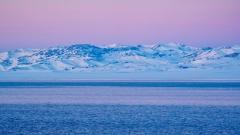
- Sailimu Lake may still be partially frozen
- Grasslands have not yet turned green
Scenery is relatively plain, suitable only for niche photography or off-season travelers.
Southern Xinjiang
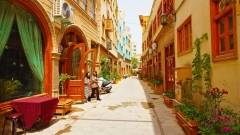
- Kashgar old town is suitable for cultural exploration
- The Pamir Plateau is windy and cold
- Desert areas remain dry and barren
Recommendation
Not ideal for first-time visitors. Best suited for cultural trips or travelers seeking fewer crowds.
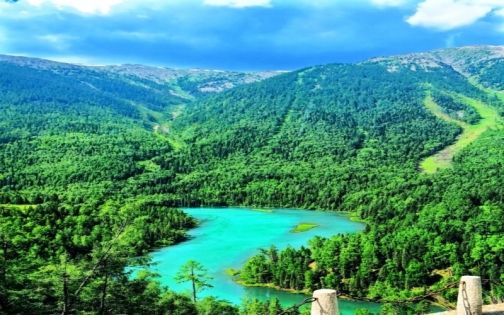
Kanas
May–June | The Golden Season for Ili (Highly Recommended)
This is one of the most beautiful periods in all of Xinjiang.
Ili Region (Peak Recommendation)
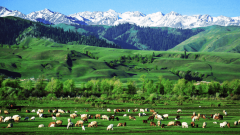
- Nalati Grassland turns vibrant green
- Kalajun Grassland becomes lush and expansive
- Lavender fields begin blooming in mid-to-late June
- Snow-capped mountains + wildflowers + forests create layered scenery
Temperatures are comfortable, generally between 15–25°C (59–77°F).
Northern Xinjiang
- Kanas fully reopens
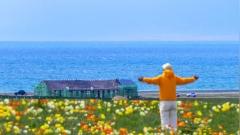
- Hemu’s wooden cabins contrast beautifully with fresh greenery
- Sayram Lake enters its most photogenic period
Southern Xinjiang
Temperatures begin rising quickly. Desert regions can already feel hot by late June.
Who It’s For
Perfect for first-time visitors and photography lovers.
If you can only choose one season for Northern Xinjiang, choose late May to late June.
July–August | Summer Peak Season (Busy but Spectacular)
This is Xinjiang’s busiest travel period.
Northern Xinjiang
- Grasslands are fully green
- Lakes are crystal blue
- Weather is stable and suitable for family travel
However:
- Higher prices
- Popular spots are crowded
- Advance booking is essential
Ili
Lavender peaks in early July. After mid-July, flowers gradually fade.
Southern Xinjiang
Very hot. Turpan and desert areas can exceed 40°C (104°F). The Pamir Plateau remains cool and is suitable for travel.
Who It’s For
Ideal for travelers with fixed summer holidays and families with children.
If you prefer fewer crowds, avoid mid-July to early August.
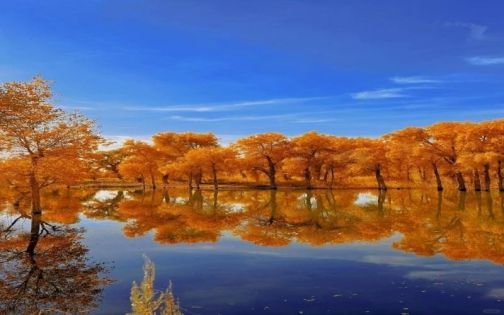
Populus euphratica forest
September–Mid October | Autumn Photography Season (Highly Recommended)
This is the most visually stunning season in Northern Xinjiang.
Northern Xinjiang
- Kanas forests turn golden
- Hemu becomes a fairy-tale autumn village
- Morning mist appears frequently
- Snow peaks + golden birch forests create dramatic contrast
Best window: September 20 – October 10
Ili
Grasslands gradually turn yellow but remain beautiful.
Southern Xinjiang
- Populus euphratica forests turn golden
- The Tarim Basin becomes ideal for desert photography
- Kashgar climate becomes pleasant
Who It’s For
Perfect for photographers and travelers seeking dramatic landscapes.
This is Xinjiang’s most photogenic season.
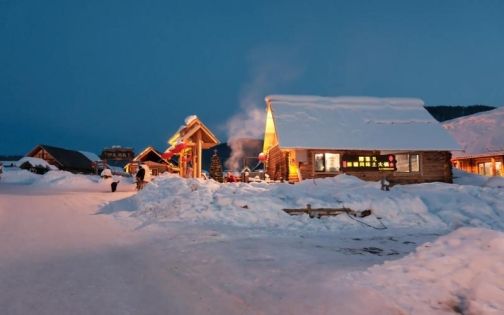
Hemu Village
Late October–February | Winter (For Niche Travelers)
Northern Xinjiang
- Kanas and Hemu transform into snow-covered fairylands
- Extremely cold (can reach -30°C / -22°F)
- Ideal for snow photography and winter experiences
Southern Xinjiang
Relatively milder. Kashgar remains suitable for cultural travel.
Who It’s For
Winter photography enthusiasts or travelers seeking unique snow scenery.
Not recommended for general sightseeing-focused trips.
Regional Climate Differences You Must Understand
Xinjiang is divided by the Tianshan Mountains:
- North of Tianshan = Grasslands, forests, lakes
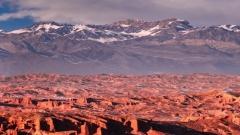
- South of Tianshan = Desert, Gobi, plateau landscapes
Temperature differences between north and south can exceed 10°C (18°F).
You cannot apply one timeline to the entire region.
Quick Decision Guide
If you want grasslands → Late May to July
If you want lavender → Late June to early July
If you want autumn forests → Late September
If you want desert poplar forests → Mid October
If you want snow landscapes → December to February
If you want fewer crowds → May or September
Practical Travel Tips
- Book accommodation in advance during peak season.
- Expect long driving distances—Xinjiang travel involves extended road trips.
- Weather changes quickly in mountainous areas; always pack layers.
- UV radiation is strong—sun protection is essential.
- Choose routes based on seasonal highlights rather than trying to cover everything.