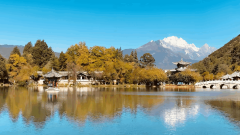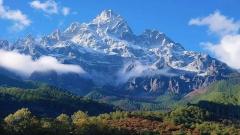

Yunnan is one of China’s most diverse and endlessly surprising provinces: high mountains that touch the sky, tropical lowlands dripping with rainforest, ancient towns where time seems to slow, and rice terraces that glow like liquid gold at sunrise. That variety means there is rarely a wrong time* to visit—yet there is a best time for the experience you want.
This guide helps international travelers choose the best months to visit Yunnan by climate, altitude, and interest. It explains what each season offers, where to go for flowers, festivals, trekking, or warm winter escapes, plus practical planning tips (including the latest visa-transit options), smart packing advice, and when to avoid crowds and local holidays.
Best Time to Visit Yunnan
- Best months for most travelers: March–May (spring) and September–November (autumn). These shoulder seasons offer comfortable temperatures, clearer skies, and vivid scenery.
- Best months for snowy mountain scenery: December–February in higher-altitude towns (Shangri-La, Jade Dragon Snow Mountain).
- Best months for tropical south (Xishuangbanna): November–April for drier, pleasantly warm weather.
- Months to expect heavier rain: June–August (monsoon / rainy season), with showers often in the afternoon and early evening.
(Keep reading: below we unpack each season, regional tips, festivals, how to avoid Chinese holiday crowds, and a compact packing checklist tailored to Yunnan’s range of climates.)
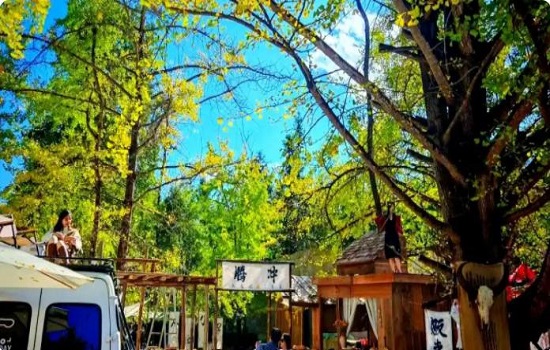
Spring — March to May: The most universally recommended time to visit Yunnan
Spring in Yunnan feels like a celebration of color. From late February through May, flowering trees and alpine blooms appear at different elevations, and the weather is broadly friendly across most of the province.
Travel highlights in spring
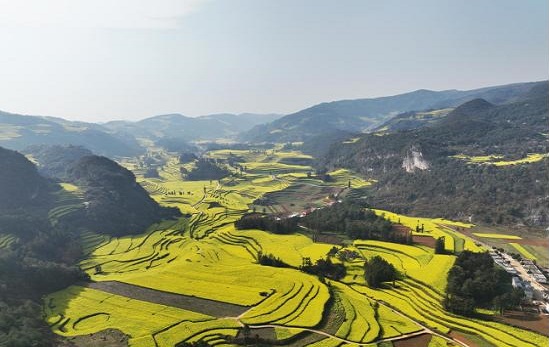
- Flower spectacles: Luoping’s rapeseed fields (late Feb–Mar), Kunming’s park flowers and Dounan flower market, and wild alpine blooms around Jade Dragon Snow Mountain.
- Ideal trekking windows: Day temperatures are pleasant and trails—like Tiger Leaping Gorge and views around Yuanyang—are comfortable without the summer humidity.
- Cultural festivals: Many ethnic minority spring festivals take place during these months—perfect if you’re seeking lively local culture.
Regional notes
- Kunming: Often nicknamed the “City of Eternal Spring”; expect warm days and cool nights—very comfortable for walking and sightseeing.
- Dali & Lijiang: Mild days and picturesque nights; early spring can still be cool at higher altitudes.
- Yuanyang & Dongchuan: Terraces start to show water reflections and early greens—photographers’ paradise.
Practical tip
Spring is popular, so book accommodation and special tours (like guided sunrise shots at terraces) in advance—avoid the first week of May (Labor Day Golden Week), when domestic travel spikes.
Summer — June to August: Warm, lush and surprisingly busy
Summer is Yunnan’s greenest season. The rains bring a fresh, saturated landscape: waterfalls roar, forests fill out, and tea terraces gleam. That said, the weather pattern depends on altitude and region.
Travel highlights in summer
- Water features at full power: Tiger Leaping Gorge, Jiulong Waterfalls and other cascades are impressive after heavy rains.
- High-altitude relief: Places like Shangri-La and some parts of Lijiang feel cooler and are perfect summer refuges.
- Lush lowland rainforests: Xishuangbanna is a tropical getaway with thick jungle and unique wildlife.
What to expect
- Afternoon showers and higher humidity in many areas; rain rarely lasts all day but it can affect mountain visibility.
- Peak domestic travel: Chinese summer holidays (school and family travel) can make popular sites crowded—expect higher prices and full hotels in July–August.
Practical tip
If you visit in summer, plan flexible days (so you can move indoor/outdoor activities around showers), bring quick-dry clothing, and consider mountain or highland destinations to escape heat and humidity.
Autumn — September to November: Balanced weather and golden views
Autumn is often the most balanced travel season: the monsoon eases, skies clear, and daytime temperatures are comfortable. For many photographers and hikers, autumn is the sweet spot.
Travel highlights in autumn
- Rice terraces at harvest time: Yuanyang’s terraces turn golden in September–October—spectacular at golden hour.
- Trekking and outdoor activities: Improved weather conditions make long hikes and highland treks more enjoyable.
- Fewer crowds: Autumn is a shoulder season—pleasant for travelers who want a quieter experience without the extremes of winter or monsoon.
Regional notes
- Dali & Lijiang: Crisp air and golden foliage add extra charm to old towns and lakes.
- Dongchuan Red Land: Colors are intense and dramatic—perfect for landscape photography.
Practical tip
Autumn is highly recommended if you want a balance of clear skies, mild temperatures, and fewer crowds—still avoid the first week of October (National Day Golden Week).
Winter — December to February: A quieter season with surprises
Winter in Yunnan is gentle in the south and chilly in the high mountains. It’s ideal for travelers who like fewer crowds and don’t mind packing a warm layer for the highlands.
Travel highlights in winter
- Mild south: Xishuangbanna and parts of southern Yunnan stay warm and pleasant—good for nature and cultural visits.
- Snow-capped peaks: Higher altitudes (Shangri-La, Jade Dragon Snow Mountain) can be world-class in winter with snowy scenery.
- Hot springs & cultural calm: Tengchong’s geothermal springs and quiet old towns are great for slow travel.
What to expect
- Cold nights in the north and high-altitude areas: Temperatures can drop below freezing at night.
- Better visibility for mountain views on crisp winter days.
Practical tip
For a quiet, reflective trip into Yunnan’s less-touristed corners, winter is an excellent choice—just bring layers and a warm jacket for evenings and highland excursions.
Yunnan Festivals: add culture to your calendar
Timing your visit for festivals can be deeply rewarding—Yunnan’s many ethnic communities celebrate with colorful events year-round.
- Water-Splashing Festival (Dai people): Usually around mid-April—lively, wet, and joyful.
- Torch Festival (Yi, Naxi, Bai): Usually in July–August—traditional dancing, music and bonfires.
- Local harvest and temple festivals: Scattered through autumn and winter—excellent for cultural immersion.
If festivals are your priority, choose spring or summer dates aligned with the ethnic calendar. Bear in mind that festival times sometimes follow lunar calendars and can change year to year.
When not to visit — major Chinese holidays and their impact
If you prefer quieter travel, avoid China’s major public holidays when possible:
- Chinese New Year (Spring Festival; Jan/Feb): Travellers and locals move across the country—transport and attractions get very busy.
- Labor Day (May 1 & early May Golden Week): Many Chinese travel during this break.
- National Day Golden Week (first week of October): One of the busiest travel weeks all year.
During these periods, expect surges in domestic visitors, higher prices, and limited availability for popular hotels and tours. If you must travel then, book far in advance.
Regional micro-climates — pick your Yunnan by interest
Because Yunnan spans huge altitude ranges, its regions differ dramatically. Choose your region by the climate experience you want.
Kunming — “Eternal Spring”
- Why visit: Stable, mild weather almost all year—great base for day trips and a gentle introduction to Yunnan.
- Best months: Year-round, especially spring and autumn.
Lijiang & Dali — old towns and mountain vistas
- Why visit: UNESCO sites, charming lanes and nearby highland scenery.
- Best months: Spring and autumn for clear views; winter for quieter streets and snow-capped backdrops.
Shangri-La (Zhongdian) — Tibetan highland experience
- Why visit: High-altitude Tibetan culture, alpine lakes, and mountain landscapes.
- Best months: May–October for trekking; winter for authentic snow scenes (expect cold nights).
Yuanyang & Dongchuan — photographer’s dream
- Why visit: Terraced rice fields and dramatic red-earth landscapes.
- Best months: Water-reflection season (spring) and harvest-golden season (autumn).
Xishuangbanna — tropical south
- Why visit: Rainforests, botanical riches and Dai culture.
- Best months: November–April for the dry, comfortable season.
Visa and entry tips for international travelers
China’s entry policies have evolved rapidly in recent years with expanded transit and unilateral visa-free measures. For many international travelers, short visa-free transit windows may simplify a Yunnan trip—particularly if you fly into a mainland hub and continue elsewhere.
- 240-hour (10-day) transit option: China extended several transit visa-free policies allowing eligible travelers to stay up to 240 hours (effectively up to 10 days) in certain areas. This can be useful for short visits to Yunnan if you arrive via qualifying routes and meet the transit rules.
- Unilateral 30-day visa-free schemes: China has implemented and extended various unilateral visa-free entry policies for citizens of certain countries—check current lists as eligibility and durations have been updated.
Important: visa rules change. Always confirm the latest policy with your local Chinese embassy or official immigration websites before booking. Carry printed copies of any relevant confirmations (transit visas, approved entries) and proof of onward travel if you rely on transit visa arrangements.
How to decide your best month to visit Yunnan
Answer these questions to pick the right month:
- Do you prefer flowers or harvest colors? Choose spring (blossoms, water-filled terraces) or autumn (golden rice terraces).
- Are you aiming for snow-capped mountain photos? Pick winter in higher-altitude areas.
- Do you want tropical jungle and wildlife? Visit Xishuangbanna in the dry season (Nov–Apr).
- Are you traveling on school holidays? Expect crowds in July–August and during national Golden Weeks—book early or travel to less-visited corners.
- Is budget a concern? Shoulder seasons (late autumn, early spring) often offer better prices and fewer crowds.
Photography and viewpoint tips by season
- Spring: Shoot terraces during water-reflection windows (early morning) and flower fields at golden hour.
- Summer: Use overcast light after showers for saturated colors; waterfalls are dramatic.
- Autumn: Golden hour is long and rich—perfect for terraces, lakes and old town streets.
- Winter: Crisp air gives better mountain visibility—bring fast lenses for low-light sunrise shots.
For terrace photography, check local sunrise times and plan to arrive early—many viewpoints reward you with quiet mornings and the best light.

Shangri-La
Health & altitude considerations
- Altitude: Places like Shangri-La and some trekking routes rise above 3,000 m (9,800 ft). If you’re traveling up from low altitudes, ascend gradually for the first 24–48 hours, avoid heavy exertion on the first day, and drink plenty of fluids.
- Sun protection: UV can be intense at altitude—use sunscreen, wide-brim hats and sunglasses.
- Food and water: Tap water is not always safe—use bottled or filtered water. Street food is tempting and often safe when cooked fresh, but those with sensitive stomachs should take common cautions.
How to plan logistics: transport and timing
- Air: Kunming is the main hub; domestic flights connect to Dali, Lijiang, Xishuangbanna, and Shangri-La.
- Rail & road: Options exist between major cities but note long distances and winding mountain roads in many connections.
- Local transport: For Yunnan’s countryside and terraces, hire local drivers or join guided small-group excursions—roads can be narrow and signage limited.
If you’re combining Yunnan with other parts of China, look into the extended transit/visa-free policies (if eligible), but always check official guidance first.
Pick the right season for the experience you want
Yunnan welcomes travelers year-round, but what you see and feel depends on when and where you go. Spring and autumn give the most universally pleasant conditions and are best for a broad “highlights” trip—flowers, terraces, clear skies, and comfortable hiking. Summer drenches the landscape in green and turns waterfalls into spectacles, while winter reveals a quieter, snow-dusted side of the highlands and warm tropical pockets in the south.
If you want a partner to help match your travel interests with the right regional timing, local guides can recommend precise windows for terrace reflections, flower blooms, festival dates, and clear mountain views.
If you’d like, China Dragon Travel can help design a tailored Yunnan plan that matches your travel priorities—flower photography, ethnic-culture immersion, highland trekking, or a relaxed winter escape in the south. Contact China Dragon Travel to lock in the best dates and local arrangements for your ideal Yunnan experience.