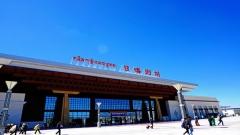

Tibet, a mysterious land that stands on the roof of the world, shows a different face every season. Choosing when to go not only affects the scenery you will see, but also relates to the comfort, safety, and depth of interaction with the local culture of the travel experience. From the snow capped winter to the vibrant summer, from the peach blossom blooming spring to the forest stained autumn, each month has its unique charm and corresponding challenges. Based on detailed data and in-depth analysis, this article will analyze the tourism conditions in Tibet in each month and help you make the most suitable time choice for yourself.
The Best Travel Season in Tibet
Spring (March to May): the awakening for the revival of all things
Spring is the season when Tibet wakes up from its hibernation. The natural landscape gradually recovers its vitality, but the climate is still changeable, so it needs to be fully prepared.
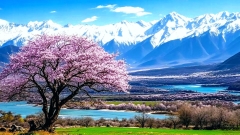
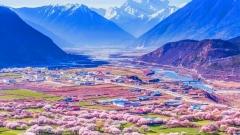
- March: the season of alternating winter and spring. The daytime temperature is 5-12 ℃, and it can drop to -5 ℃ at night; The nighttime temperature in high-altitude areas such as Nagqu and Ali remains below -15 ℃. The probability of snowfall is relatively high, especially in northern Tibet, where roads may be affected by snow accumulation. But at this time, the advantages are very obvious: there are few tourists, the tourism cost is low, and you can experience the most peaceful Tibet. The peach blossoms in Linzhi area begin to bloom in late March.It is recommended to carry winter equipment, choose low altitude routes, pay attention to weather forecasts, and avoid blizzard weather.
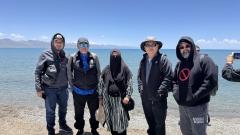
- April: The beginning of the revival of all things. The temperature has significantly risen, reaching 10-18 ℃ during the day in Lhasa, but the temperature difference between morning and evening is still large. Lakes such as Namtso are beginning to thaw, and the scene of ice cracking is quite spectacular. The number of tourists is moderate, neither crowded nor deserted. At this time, when entering Tibet, it is necessary to pay attention to wind and sun protection. In spring, the wind is strong and the ultraviolet rays are intense. At the same time, be prepared to deal with sudden cooling weather.
- May: an ideal season full of spring vitality. During this period, the climate was mild and stable, with temperatures in Lhasa ranging from 15-22 ℃ during the day and 5-10 ℃ at night, providing a comfortable feeling. Most areas have melted snow and good road conditions. The rainy season has not yet begun, and the air transparency is high, making it suitable for viewing snow capped mountains. The Sagadawa Festival usually falls in May, which is an important religious holiday where a large number of religious activities such as prayer and charity giving can be seen. At this time, it is important to pay attention to sun protection and hydration when traveling, as dryness in spring can easily lead to skin problems.
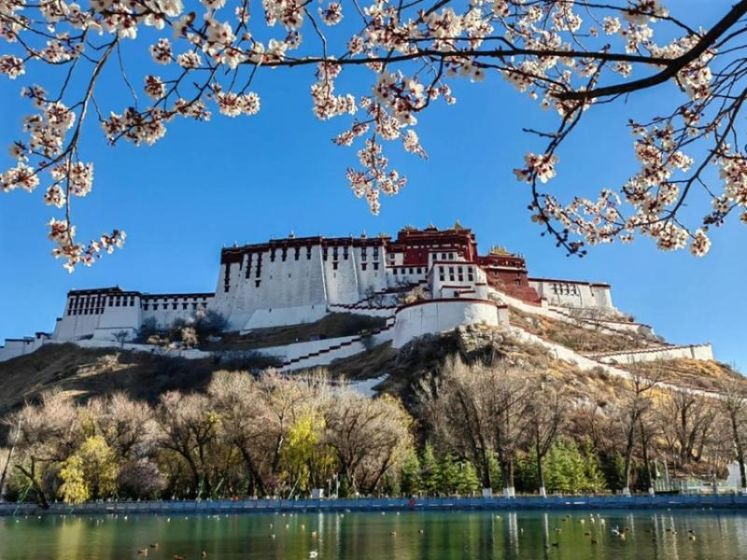
Spring in Lhasa – Revival of Everything
Summer (June to August): The vibrant green season
Summer is the warmest and wettest season in Tibet, as well as the most vigorous period of natural landscape, but it is also facing the challenge of rainy season.
- June: Early June is often the best window period before the start of the rainy season. The climate is mild, with Lhasa experiencing 20-25 ℃ during the day and no large-scale precipitation yet. The river has abundant water, and the waterfall landscape is the most spectacular. The number of tourists has started to increase, but has not yet reached its peak. At this time, travel needs to grasp the weather window. The rainy season begins in late June, and precautions should be taken to prevent the impact of rainfall on the itinerary.
- July: July is the warmest month in Tibet. The daytime temperature in Lhasa can reach 22-27 ℃, which is also the month with the largest precipitation. The rainbrings many inconveniences: roads may collapse and mudslides due to rainfall, especially in mountainous areas such as the Sichuan Tibet Highway and Yunnan Tibet Highway; Thick clouds reduce the opportunity to admire snow capped mountains; The air humidity is high, and clothes are not easy to dry. However, at this time, Tibet avoided the heat in the mainland and became an ideal summer resort. It is recommended to choose the Qinghai Tibet Highway with good road conditions, prepare for rain, and adjust the itinerary flexibly.
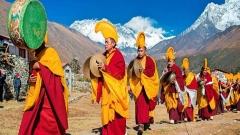
- August: The climate characteristics in August are similar to those in July, but there is a major highlight: the Shoten Festival (the first day of the seventh lunar month in the Tibetan calendar). This is one of the most important festivals in Tibet, during which there are grand Buddha drying ceremonies, Tibetan opera performances and other activities. The temperature is comparable to July, and the precipitation may slightly decrease. The number of tourists has reached its annual peak, especially during the Snow Festival when accommodation is tight and prices are rising. At this time, it is necessary to book accommodation and transportation in advance for travel, be mentally prepared for overcrowding, and enjoy a strong festive atmosphere.
Autumn (September to November): The colorful golden season
Autumn is widely regarded as the best season for tourism in Tibet, with a stable climate, magnificent scenery and rich festivals.
- September: The perfect start of autumn with clear air, the rainy season has basically ended, and the weather has become stable and sunny. The temperature is comfortable, 18-24 ℃ during the day and 8-12 ℃ at night in Lhasa. The sky is deep blue and the air transparency is extremely high, making it the best time to admire the snow capped mountains. The number of tourists has fallen from the peak in August, and the travel experience is relatively comfortable. Pay attention to the temperature difference between morning and evening, and adjust clothing appropriately.
- October: October is the golden month for tourism in Tibet, with very little precipitation and almost every day is sunny. During the day, it is warm and can reach 15-20 ℃ in Lhasa, but the temperature drops significantly at night and may drop to below zero in high-altitude areas. During the National Day holiday, there were many tourists, but it quickly declined after the holiday. The Lantern Festival (October 25th in the Tibetan calendar) usually falls at the end of October or early November, and the scene of ten thousand lights shining together is extremely shocking. At this time, travel should be prepared for cold weather, especially for those planning to go to high-altitude areas.
- November: November is the transitional period from autumn to winter. Tourists are scarce, tourism costs are reduced, and you can enjoy the peaceful Tibet. The weather is still mainly sunny, but the temperature has significantly decreased. In Lhasa, the temperature ranges from 10-15 ℃ during the day to below 0 ℃ at night. The landscape presents the characteristics of late autumn, with fallen leaves and withered yellow grasslands, creating a unique beauty of vastness. Snow has started to fall in high-altitude areas, and some mountain passes may be affected by the accumulated snow. At this time, it is suitable for travelers who pursue a peaceful experience to prepare winter equipment and pay attention to road traffic conditions.
Winter (December to February): The Pure Season of the Ice and Snow World
Although Tibet is cold in winter, it has its unique charm: sunny, few tourists, pure landscape, suitable for tourists seeking in-depth experience.
- December: The temperature has significantly decreased, with Lhasa experiencing 5-10 ℃ during the day and -5 to -10 ℃ at night; Nagqu, Ali and other places can reach temperatures below -20 ℃ at night. However, Tibet’s winter is characterized by abundant sunshine, and the body temperature is higher in the daytime under the sun. The snowfall has increased, the snow capped mountains have become more magnificent, and lakes have begun to freeze. There are very few tourists, and many scenic spots are almost exclusively enjoyed. At this time, travel should be fully prepared for cold weather, vehicles should be equipped with anti-skid chains, and accommodation with better conditions should be selected.
- January: January is the coldest month in Tibet. Lhasa has a daytime temperature of 3-8 ℃ and a nighttime temperature range of -8 to -12 ℃; Extreme low temperatures in high-altitude areas can reach -30 ℃. The Tibetan New Year usually falls at this time, and if the time is right, you can experience the most authentic Tibetan New Year customs. The landscape is mainly composed of ice and snow, with snow capped mountains, glaciers, and glacial lakes forming a pure world. Professional cold protection equipment and vehicle preparation are required.
- February: The temperature begins to slowly rise in February. Lhasa has a temperature range of 8-12 ℃ during the day and -5 to -8 ℃ at night. There is less precipitation, mostly sunny days. This is the last opportunity for winter tourism and also the transitional period into spring. The travel conditions are similar to December, so it is important to pay attention to cold weather and road changes caused by the warming weather.
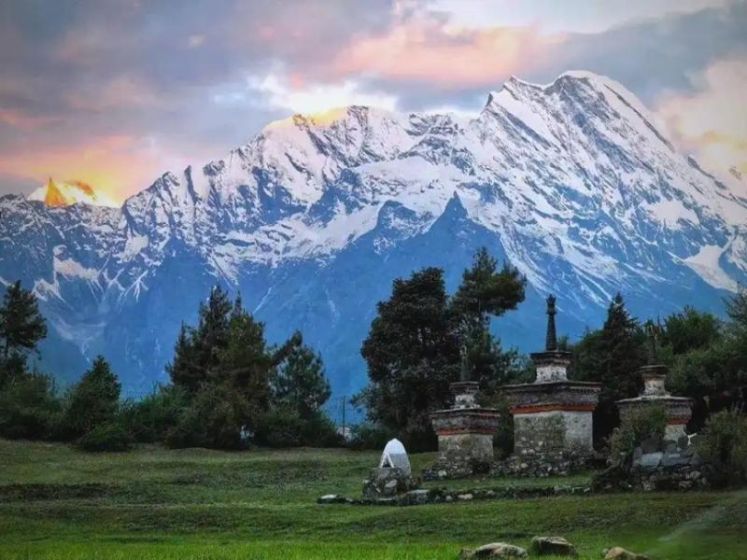
Winter in Tibet – Enjoy the Wonderful Chance of Ice and Snow
Suggestions on monthly selection of Tibet tourism
You can choose the best month to travel to Tibet according to your own needs, combined with climate conditions, landscape characteristics, tourist flow, travel costs and other dimensions.
- Photography enthusiasts: Preferred for October (extreme autumn colors), April (Peach Blossom Snow Mountain), and September (best light and shadow).
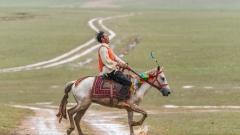
- Festival experiencers: Preferred for August (Shoton Festival), January (Tibetan New Year), and October (Lantern Festival).
- For those with limited budget: preferred months are November to March (off-season prices), April, and June (off-season prices).
- First time visitors to Tibet: Preferred months are May, September (with stable climate), and October (with optimal conditions)
- Deep experiencer: Preferred for January (coldest season), July (rainy season), and December (quietest season).
- Family travelers: Preferred months are May, June, and September (with mild and comfortable climate).
Regional differences selection:
- Linzhi area: preferred for late March to mid April (peach blossoms) and September to October (autumn colors).
- Ali region: Preferred months are May June and September October (avoiding severe cold and rainy season).
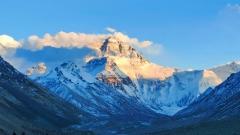
- Shigatse region: Preferred months are May and September October (with the best visibility on Mount Everest).
- Nagqu region: preferred months are June to August (with the most beautiful grasslands) and September (with suitable climate).
- Shannan region: Available all year round, best to avoid the rainy season from July to August.
Frequently Asked Questions about Tibet Tourism
Q1: When do you recommend going to Tibet?
For first-time visitors to Tibet, it is recommended to choose months with mild climate (May, September) to allow the body to adapt to the high-altitude environment under better conditions. Avoid entering Tibet for the first time during extreme weather months (January, July), as altitude sickness during these months may worsen due to cold or humid heat. Adopting a ‘stair step ascent’ strategy, first adapt to Linzhi (at an altitude of about 3000 meters) for 2-3 days, and then proceed to higher areas.
Q2: How about the travel expenses in Tibet?
The tourism cost in Tibet is obviously seasonal: July August and October are the peak seasons, with the highest price; The months of May to June and September are off season, with high cost-effectiveness; November to April is the off-season, with the lowest prices but some services may be limited. Budget planning should take into account this fluctuation, as travel during peak seasons requires an increase of 20-30% in budget.
Q3: Are there any restrictions on the opening hours of tourist attractions?
Some border areas (such as Mount Everest Base Camp and some areas of Ali) may be closed or restricted in winter, and it is necessary to check the policies of the year in advance.
Tibet has its unique charm and challenges every month. There is no absolute “best” time, only the time that best suits your personal needs. Pursuing perfect autumn colors, you can choose from September to October. For those who prefer peaceful experiences, you can choose from November to April. For those who are passionate about festival culture, you can choose from January, August, and October. For those who value comfortable weather, you can choose from May to June and September. The key is to clarify one’s travel goals, understand the specific conditions of each month, and make corresponding preparations. Whenever you go to Tibet, you will show unforgettable landscapes and cultures in a unique way. Choose the time that suits you, be well prepared, and this roof of the world will surely reward you with a travel experience that exceeds expectations.