
Nestled 200 meters north of Gatuo Town in Mangkang County, Chamdo Weise Monastery, established in 1444 by Kunchen Jiangqiu Bangba, stands as the largest Gelugpa mother monastery in eastern Tibet, overseeing 20 subordinate temples. Covering 11,817 square meters, the temple complex clings to the mountainside facing a valley, with its Tibetan-style courtyard buildings featuring red walls and golden roofs—blending the solemnity of a religious sanctuary with the grace of natural landscapes. For travelers, it’s a gateway to Tibetan Buddhism: admire Ming Dynasty thangkas and Tsongkhapa bronze statues, and immerse yourself in the daily life of eastern Tibetans through prayer rituals and morning/evening chants. Whether you’re a first-time visitor to Tibetan temples or a plateau travel enthusiast, this place offers profound cultural exploration and spiritual comfort.
Temple Overview: Centuries of Legacy in Eastern Tibet
Millennia-old History & Founding Origin
With a rich historical heritage, Chamdo Weise Monastery is a cornerstone of religious culture in eastern Tibet. Spanning nearly 600 years, its development has witnessed the changes and cultural integration of the region. Founded in 1444 by Kunchen Jiangqiu Bangba—one of Tibet’s 18 Khutuktus—the monastery gained a lofty religious status from its inception.
Khutuktu Lineage & Religious Status
The title “Khutuktu” was bestowed by the Qing Dynasty on senior Living Buddhas of Tibetan Buddhism in Mongolia and Tibet, meaning “long-lived person” in Mongolian. Those enfeoffed were recorded in the archives of the Lifan Yuan (Board of Colonial Affairs), and their reincarnation had to be confirmed via the Golden Urn Lottery presided over by Qing representatives. Ranking second only to the Dalai Lama and Panchen Lama, some Khutuktus even served as regents. The Khutuktu reincarnation lineage of Chamdo Weise Monastery has continued for 15 generations, each carrying forward the doctrines and beliefs of Tibetan Buddhism, solidifying the monastery’s pivotal position in eastern Tibet’s religious circle.
Mother Monastery Scale & Monks’ Practice
As Mangkang County’s largest Gelugpa temple, it wields significant influence, with 20 subordinate temples spread across Mangkang and Zuogong counties. It serves as the primary religious venue for local residents. Before the democratic reform, the monastery housed 195 monks; today, 64 monks reside here, devoting themselves to practice—chanting scriptures morning and evening, studying doctrines, and safeguarding this spiritual land for a lifetime.
Architectural Layout & Features
The temple’s 11,817-square-meter complex follows a rectangular courtyard layout, adhering to traditional Tibetan temple norms while balancing functionality and aesthetics. The main hall, located at the center rear, is the spiritual core—majestic and imposing. Between the main gate and the hall lies an open plaza for worshippers and visitors to gather, pray, and rest. Surrounding the plaza are auxiliary halls and monks’ quarters, arranged in an orderly, layered fashion—showcasing the exquisite craftsmanship of Tibetan architecture and the solemn order of a religious sanctuary.
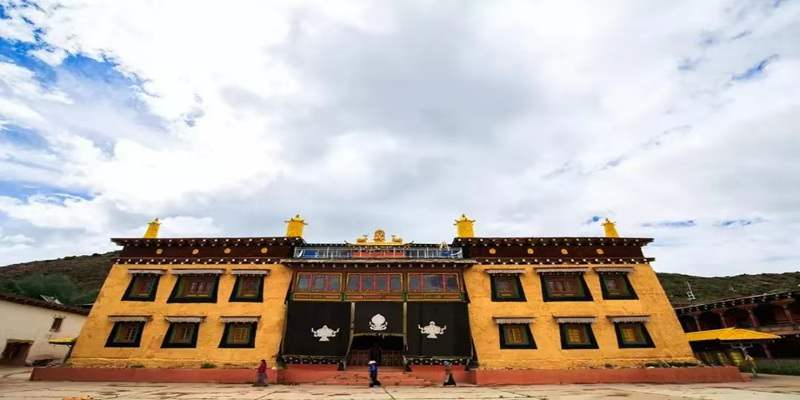
Chamdo Weise Monastery
Highlights: Immersing in the Monastery’s Charm
Beyond its historical and religious depth, Chamdo Weise Monastery enchants with unique architecture, precious relics, rich cultural experiences, and stunning surrounding scenery—each highlight worthy of savoring to fully embrace the allure of this eastern Tibetan ancient temple.
Architectural Features
Tibetan-style Complex Built Against the Mountains
A quintessential example of traditional Tibetan architecture, the monastery’s buildings cascade up the mountainside, harmonizing with the green mountains, clear waters, blue sky, and white clouds. It forms a striking plateau landscape, offering perfect photo opportunities for photography enthusiasts—every snapshot exudes a vivid atmosphere.
Grand & Splendid Main Hall
The main hall, the complex’s centerpiece, features a Tibetan watchtower-style structure with thick, sturdy walls to withstand the plateau’s harsh cold and storms. Its roof is covered with gilded copper tiles, shimmering brightly under the sun—symbolizing the sanctuary’s grandeur and sacredness. Under the eaves hang exquisite prayer flags and copper bells; when the wind blows, the flags flutter and the bells ring crisply, echoing through the valley, fostering a sense of tranquility and holiness that calms the mind and shields visitors from the hustle and bustle of the world.
Mural-adorned Scripture Hall
The scripture hall, where monks gather for chanting and practice, is spacious and bright. Its walls are adorned with exquisite murals painted by Tibetan artists during the Ming and Qing dynasties. Preserved vividly for centuries, these murals boast vibrant colors, delicate lines, and lifelike imagery—treasures of Tibetan mural art. Covering themes like Buddhist stories, Buddha statues, landscapes, and figures, each mural carries profound religious and cultural meanings, narrating the history of Tibetan Buddhism. Visitors can admire the masterful craftsmanship while gaining insights into Buddhist culture.
Prayer Path & Prayer Wheels of Faith
A prayer path encircles the entire complex, lined with neatly arranged prayer wheels made of wood or copper, inscribed with delicate Tibetan scriptures. Turning a prayer wheel is equivalent to reciting the scriptures—a way for Tibetans to express piety, pray for blessings, and dispel misfortune. Travelers can follow local worshippers, turning the wheels clockwise, experiencing this unique religious ritual, finding inner peace, and deepening their understanding of Tibetan faith.
Religious Relics
Lifelike Buddha Statues
As a 600-year-old monastery, Chamdo Weise Monastery houses a wealth of precious religious relics—witnesses to its history and the essence of Tibetan Buddhism, boasting high religious, artistic, and historical value. These relics serve as a vital window into Tibetan Buddhist culture.
The monastery enshrines numerous Buddha statues, including Sakyamuni, Manjushri, and Guanyin. Crafted from copper, gold, silver, and other materials, these statues are exquisitely made, with solemn and lifelike expressions—many dating back to the Ming and Qing dynasties. Each statue is meticulously carved by artists and craftsmen, with gentle yet solemn facial features, as if overlooking all living beings and protecting every pilgrim and visitor.
Profound Buddhist Scriptures & Ritual Objects
In addition to statues, the monastery preserves a large number of Buddhist scriptures and ritual objects. The scriptures, mostly handwritten or printed in Tibetan, feature neat calligraphy and cover Buddhism, medicine, astronomy, and calendar systems—valuable materials for studying Tibetan Buddhism and history, embodying the wisdom and civilization of the Tibetan people. Ritual objects include bells, drums, prayer flags, and prayer wheels, each serving a unique purpose in religious ceremonies. Exquisitely crafted, they are outstanding examples of Tibetan craftsmanship.
Cultural Experiences
Morning Scripture Chanting & Prayer Ceremonies
A visit to Chamdo Weise Monastery is not just about admiring architecture and relics—it’s about immersing in eastern Tibet’s cultural customs and religious atmosphere. Engage with local Tibetans and monks, learn about their lives and beliefs, and create unforgettable memories. Every dawn, as the sky lightens, monks gather in the scripture hall for chanting ceremonies. The deep, solemn chants resonate throughout the monastery—long, lingering, and powerful. Visitors can observe quietly, no words needed, just listening to feel the piety and steadfastness of faith. It’s a spiritual baptism, as if all worries are healed by the chants.
Grand Religious Festivals
The monastery hosts several religious events annually, with the most iconic being the Cham Dance and Butter Lamp Festival. These lively gatherings attract numerous local Tibetans, offering travelers the best chance to experience eastern Tibet’s religious ambiance. The Butter Lamp Festival, usually held around the 15th day of the first lunar month, sees the monastery illuminated by thousands of butter lamps—warm and flickering. Worshippers dress in festive attire, holding butter lamps to pray for peace and a bountiful harvest in the coming year.
The Cham Dance is shrouded in mystery: monks wear gorgeous costumes and elaborate masks, dancing solemnly and powerfully to drumbeats, depicting Buddhist stories and legends. Blending religious solemnity with artistic appeal, it’s a unique cultural performance that allows visitors to learn about Tibetan Buddhist rituals and traditions.
Warmth of Tibetan Tea Houses
After exploring the monastery, visitors can step into nearby Tibetan tea houses to savor a cup of rich, fragrant butter tea. A daily staple for Tibetans, butter tea is made from butter, tea leaves, and salt—nutritious and warming, ideal for combating the plateau’s cold and alleviating altitude sickness. Sit in the tea house, chat with locals, listen to stories about the monastery and Tibetan customs, and feel their warmth and simplicity—this kindness becomes a cherished memory of the plateau journey.
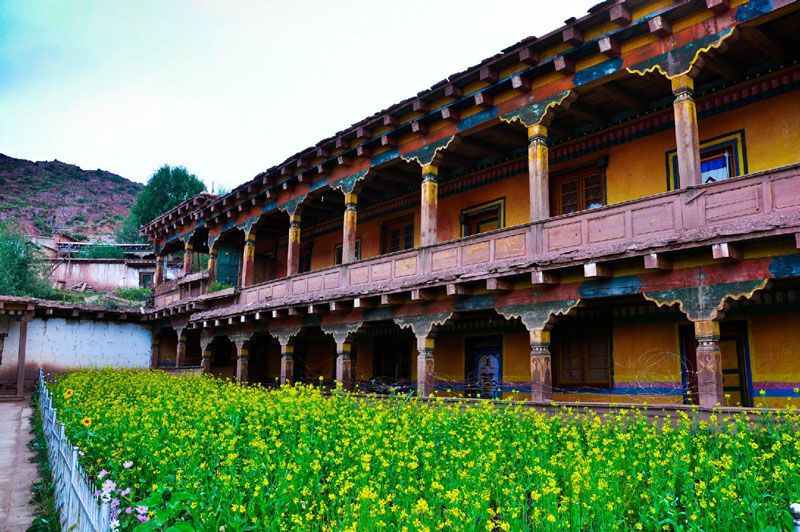
Chamdo Weise Monastery
Surrounding Scenery
Panoramic View from the Back Mountain
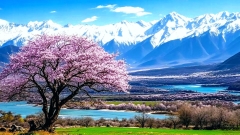
Beyond the monastery itself, the surrounding scenery is equally breathtaking. Leveraging the plateau’s unique geography, it’s surrounded by green mountains, winding river valleys, and a blend of pastoral and plateau landscapes—perfect for relaxing and admiring nature’s beauty.
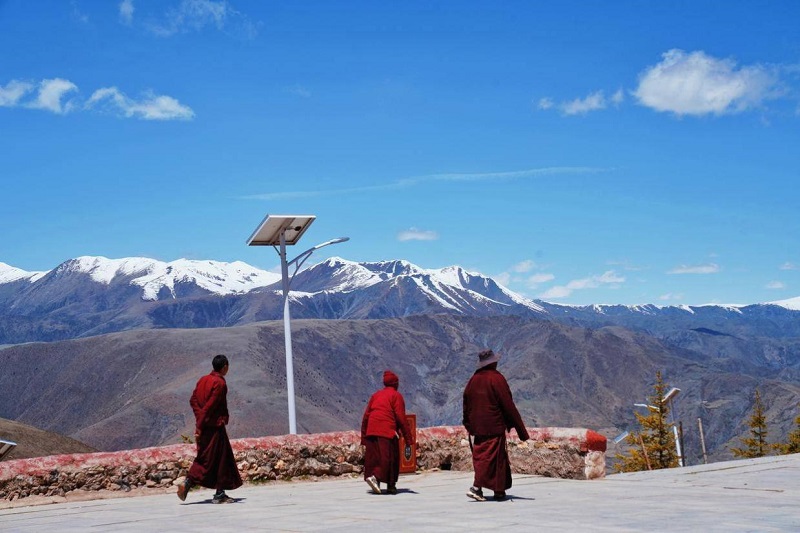
The monastery’s back mountain is a gentle, lush slope. Climbing to the top offers a panoramic view of Mangkang County. The distant Lancang River winds like a silver ribbon through the mountains, with green hills stretching as far as the eye can see. Herds of cattle and sheep graze leisurely on the slope, occasionally accompanied by local herdsmen—creating a poetic pastoral scene that washes away the noise of daily life.
Vibrant Local Market
Not far from the monastery lies Mangkang’s local market, a hub of daily life. Stalls are lined with local specialties: Tibetan incense, butter, highland barley wine, air-dried meat, fresh plateau fruits, and vegetables. Travelers can browse for souvenirs or savor local snacks, immersing themselves in eastern Tibet’s culinary heritage and bustling street-life atmosphere.
Chamdo
Practical Guide: Smooth & Enjoyable Visit
To help travelers explore Chamdo Weise Monastery with ease, avoiding hassles and misunderstandings, here’s a detailed practical guide covering transport, tickets, opening hours, accommodation, and etiquette—ensuring a seamless and respectful journey.
Transport Guide
Conveniently located 200 meters north of Mangkang County’s Gatuo Town, the monastery is easily accessible by public transport or self-driving.
Public Transport
First, reach Chamdo City by plane, train, or long-distance bus. From Chamdo, take a long-distance bus to Mangkang County (3-4 hours, reasonable fare, frequent departures). Upon arriving in Mangkang, walk (10-15 minutes) or take a local auto-rickshaw/taxi (5 minutes, low cost) to the monastery.
Self-Driving
For self-drivers, travel to Mangkang via National Highway 318 or 214, enjoying the stunning plateau scenery along the way—stop to take photos and soak in the natural beauty. Once in Mangkang, follow navigation to the monastery, which offers free parking. Self-driving allows flexible scheduling of your itinerary.
Tickets & Opening Hours
Chamdo Weise Monastery is open to all visitors free of charge—no tickets required. This accessibility is one of its biggest draws, allowing everyone to experience its charm and the depth of Tibetan Buddhism.
Recommended opening hours: 9:00 AM to 5:00 PM. However, hours may vary due to seasons, religious events, or weather. It’s advisable to check with local authorities, hotels, or travel agencies in advance to avoid disappointment. Note that some areas are reserved for monks—visitors must respect these restrictions and not disturb their practice.
Accommodation Recommendations
Located within Mangkang County, the monastery offers a range of accommodation options—from budget-friendly to mid-range hotels—suitable for solo travelers, couples, and families.
Budget Hotels
Thank Inn Hotel Chamdo Mangkang National Highway 318 Branch: Close to Weise Monastery Square, newly opened with complete facilities—free parking, smart room control, laundry room, and central heating. Clean, spacious rooms at an affordable price, offering great value for budget-conscious travelers.
Mid-Range Hotels
Mangkang Haina Times Grand Hotel: Near Weise Monastery Square, featuring a beautiful environment, fresh air, free luggage storage, free parking, and free Wi-Fi. Spacious, well-decorated rooms for a comfortable stay.
Yibai International Hotel Mangkang Jinshajiang Road Branch: A short distance from Weise Monastery Square, newly opened with free parking, buffet breakfast, central heating, and audio-visual rooms. Comprehensive facilities, ideal for travelers seeking comfort.
Important Etiquette & Notes
The key to a respectful visit is honoring local religious beliefs and customs, abiding by the monastery’s rules, and practicing responsible tourism—protecting cultural relics and the environment while avoiding unintentional offenses.
- Dress Modestly: Avoid short skirts, shorts, tank tops, or sleeveless shirts. Both men and women are advised to wear long pants/skirts and tops covering the shoulders. If you only have revealing clothing, carry a large scarf or shawl to cover up—this is a basic respect for local beliefs.
- Be Quiet & Respectful: Remove hats and sunglasses when entering the monastery. Speak softly, avoid loud noises or horseplay, and set phones to silent. Do not disturb the tranquility or the monks’ practice.
- Follow Direction: When circumambulating the monastery, prayer path, or turning prayer wheels, always go clockwise—this is a fundamental Tibetan Buddhist etiquette. Observe local worshippers if unsure; never go counterclockwise.
- Honor Sacred Objects: Do not step on thresholds (considered the Buddha’s shoulders)—cross them by lifting your feet. Do not touch, lean on, or point at Buddha statues, scriptures, or ritual objects. To indicate direction, palm up with fingers together.
- Photography Rules: Ask monks for permission before taking photos—some halls prohibit photography, and flash is strictly forbidden to protect relics. Seek consent before photographing monks or worshippers; do not take candid shots.
- Protect the Environment: No smoking, drinking, or littering in the monastery. Do not step on or cross prayer flags or mani piles. Do not discard paper with scriptures—these carry Tibetans’ faith and aspirations.
- Courteous Interaction: Address monks as “Lama” or “Master”. Do not shake hands, hug, or touch someone’s head (Tibetans consider the head sacred). Offer and receive items with both hands. Avoid sensitive topics like politics, killing, or non-vegetarian food.
- Plateau Preparation: Mangkang is a plateau area with unpredictable weather and large temperature differences between day and night. Bring warm clothing, sunscreen, sunglasses, and a hat. Some travelers may experience altitude sickness—prepare medication in advance, take it easy, and avoid strenuous exercise.
The Echo of Faith in Eastern Tibet’s Ancient Monastery
Chamdo Weise Monastery is like a pearl embedded in eastern Tibet’s land, carrying nearly 600 years of faith and culture. It blends the solemnity of an ancient temple with the serenity of the plateau, boasting exquisite architecture, precious relics, rich cultural experiences, and stunning scenery. Here, every building tells a story, every prayer wheel turn carries devotion, every incense wisp holds blessings, and every chant resonates with faith. A visit to Chamdo Weise Monastery is a journey of encountering faith, dialoguing with culture, and embracing the soul.
For a more seamless and in-depth experience—avoiding travel hassles and capturing the monastery’s cultural and natural beauty – choose China Dragon Travel’s exclusive Chamdo tour packages. With years of experience in Tibet tourism, China Dragon Travel offers professional guides and well-designed itineraries, ensuring your spiritual journey is fulfilling and memorable. Unlock all of Chamdo Weise Monastery’s wonders and immerse yourself in eastern Tibet’s unique charm.