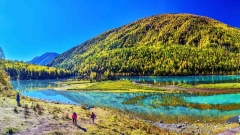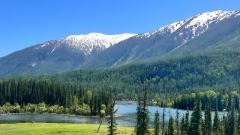

In the far north of Xinjiang, within the breathtaking Altay Mountains, lie two of the most picturesque villages in China: Hemu Village and Baihaba Village. Both are part of the famous Kanas Scenic Area and are known for their wooden houses, dramatic landscapes, and strong ethnic culture. Travelers often find themselves choosing between the two, especially when time is limited. While both destinations are stunning, they offer very different travel experiences. This guide will help you understand the key differences and decide which one is truly worth visiting.
Where Are Hemu and Baihaba Located?
Hemu and Baihaba are both located in the Altay region of northern Xinjiang, near the borders of Kazakhstan, Russia, and Mongolia. They are part of the larger Kanas Scenic Area, one of the most famous natural destinations in China.
Hemu Village lies deeper inside the scenic region and is more developed for tourism. Baihaba Village, on the other hand, is located closer to the China-Kazakhstan border and is considered one of the most remote villages in China.
Although they are not extremely far from each other geographically, traveling between them requires time and planning due to mountainous terrain and restricted access.
First Impressions: Two Completely Different Atmospheres
Hemu Village is often described as a fairytale-like destination. Rows of wooden cabins sit in a valley surrounded by birch forests and mountains. In the early morning, mist rises from the river, creating a dreamy and photogenic landscape that attracts photographers from around the world.
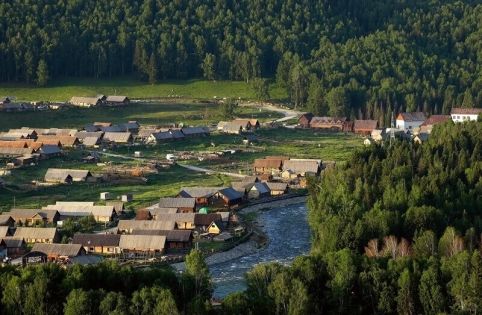
hemu village
Baihaba Village feels quieter and more untouched. As a border village, it has a unique atmosphere shaped by its remote location and cultural diversity. The scenery is more open, with wide grasslands, fewer tourists, and a slower pace of life.
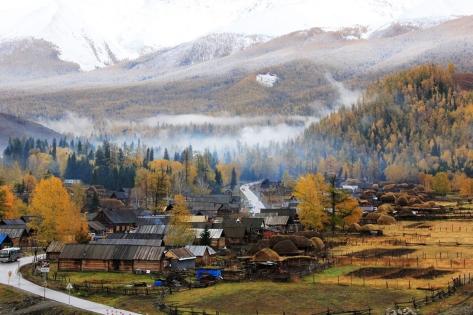
Baihaba Village
While Hemu impresses visitors instantly with its iconic views, Baihaba gradually reveals its charm through simplicity and tranquility.
Scenery Comparison: Which One Is More Beautiful?
When it comes to scenery, both villages are exceptional, but their landscapes are quite different.
Hemu is known for its layered composition. The village, river, forests, and distant mountains create depth and visual richness. It is especially famous for sunrise views, when golden light and morning mist transform the valley into a photographer’s paradise.
Baihaba offers a more open and natural landscape. Instead of dense forests, you will find rolling grasslands, scattered wooden houses, and a vast sky. The beauty here is less dramatic but more peaceful.
If you are looking for classic postcard-style scenery, Hemu is often considered more visually striking. If you prefer a quieter and less commercialized environment, Baihaba may feel more authentic.
Best Time to Visit Hemu and Baihaba
Both destinations can be visited throughout the year, but each season offers a different experience.
Autumn is widely regarded as the best time to visit. From late September to early October, the birch forests turn golden, creating one of the most beautiful fall landscapes in China. This is also the busiest season.
Winter transforms both villages into snow-covered wonderlands. Hemu is particularly popular in winter due to its accessibility and well-developed tourism infrastructure. Snow, wooden houses, and smoke rising from chimneys create a magical atmosphere.
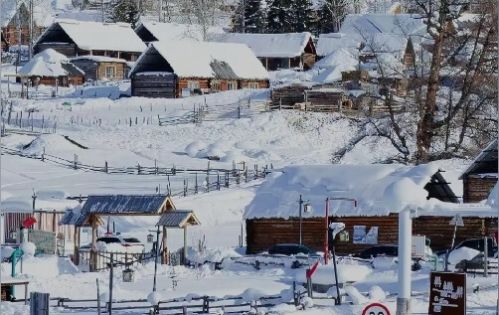
Baihaba Village in winter
Summer brings lush greenery and pleasant weather. Baihaba’s grasslands look especially vibrant during this time, making it ideal for travelers who enjoy open landscapes.
Spring is less popular due to melting snow and unstable weather, but it offers fewer crowds.
Accessibility: Which One Is Easier to Reach?
Hemu is significantly easier to access compared to Baihaba.
Most travelers reach Hemu via Burqin or Kanas, and transportation options are relatively well organized, including shuttle buses and tour services.
Baihaba requires more effort. In addition to the longer journey, travelers must obtain a border permit, as the village is located near an international border. This additional step can make travel planning more complicated.
If convenience is a priority, Hemu is clearly the better choice.
Accommodation and Travel Experience
Hemu offers a wide range of accommodation options, from basic guesthouses to boutique wooden lodges. The village is well-developed for tourism, with restaurants, cafes, and local shops available.
Baihaba has fewer accommodation options, and facilities are more basic. However, this simplicity is part of its charm. Staying in Baihaba feels more like experiencing local life rather than visiting a tourist destination.
Travelers who prefer comfort and variety will find Hemu more suitable, while those seeking a quieter and more immersive experience may prefer Baihaba.
Crowds and Atmosphere
Hemu is one of the most popular destinations in Xinjiang, especially during autumn and winter. It can become crowded during peak travel seasons, which may affect the overall experience.
Baihaba remains relatively uncrowded even during busy periods. Its remote location naturally limits the number of visitors, making it ideal for travelers who want to avoid large tourist groups.
If avoiding crowds is important, Baihaba has a clear advantage.
Hemu vs Baihaba: Which One Is Better for You?
The answer depends on your travel style and expectations.
Hemu is better suited for first-time visitors, photographers, and those looking for iconic scenery. It is easier to reach, more developed, and offers a wider range of services.
Baihaba is ideal for travelers seeking a quieter, more authentic experience. It is less commercialized and provides a deeper sense of isolation and connection with nature.
If you only have time for one destination, Hemu is generally the safer choice. If you have more time and prefer off-the-beaten-path travel, Baihaba is definitely worth considering.
Can You Visit Both in One Trip?
Yes, it is possible to visit both Hemu and Baihaba in a single trip, and many travelers choose to do so.
A typical itinerary might include:
-
Day 1: Travel to Kanas area
-
Day 2: Visit Hemu Village
-
Day 3: Travel to Baihaba Village
-
Day 4: Return
This route allows you to experience both the iconic scenery of Hemu and the peaceful atmosphere of Baihaba.
Practical Travel Tips
Traveling in northern Xinjiang requires preparation.
Weather conditions can change quickly, so layered clothing is essential. Even in summer, mornings and evenings can be cold.
If you plan to visit Baihaba, make sure to arrange your border permit in advance.
Transportation options may be limited, especially during off-season, so booking in advance is recommended.
Finally, respect local customs and the natural environment. These villages are not only tourist destinations but also home to local communities.
Planning Your Trip to Northern Xinjiang
Northern Xinjiang is one of the most beautiful yet remote regions in China. Planning a trip here often involves complex logistics, including transportation, accommodation, and permits.
For travelers who want a smoother experience, working with a professional travel service can be helpful. Companies like China Dragon Travel specialize in customized itineraries across Xinjiang, helping visitors explore destinations like Hemu, Baihaba, and Kanas with greater convenience and efficiency.
Making the Right Choice for Your Journey
Choosing between Hemu and Baihaba is not about which place is better in absolute terms, but which one matches your travel expectations.
Hemu offers iconic beauty, convenience, and a vibrant atmosphere shaped by tourism. Baihaba provides quiet landscapes, cultural depth, and a sense of remoteness that is increasingly rare.
If your goal is to capture the most famous views of Xinjiang, Hemu will not disappoint. If you are looking for something quieter and less explored, Baihaba may leave a deeper impression.
For many travelers, the best choice is not one or the other, but experiencing both and discovering how different landscapes can shape entirely different travel memories.