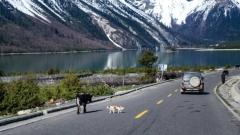

In the seventh month of the Tibetan calendar, the wind carrying grass and butter fragrance drifts over Nyenchen Tanglha Mountains on the northern Tibetan grasslands. Damxung, this God-given pasture, hosts its annual grand event – the Damxung Horse Racing Festival. As a national intangible cultural heritage folk activity, it not only boasts thousands of horses galloping but also embodies northern Tibetan herdsmen’s life wisdom and cultural genes. For travelers, attending the festival means stepping into the most authentic northern Tibetan grasslands and engaging in an in-depth dialogue with the millennium-old nomadic civilization. Every moment, from young riders’ graceful posture to the market’s lively atmosphere, is worth remembering.
Origin of Damxung Horse Racing Festival: From Military Review to Grassland Celebration
The birth and development of the Damxung Horse Racing Festival are deeply imprinted with the history of northern Tibetan grasslands and the genes of nomadic civilization, with hundreds of years of stories and cultural connotations behind it, which can be understood from the following points:
Name and Connotation: Known as “Jiren Congdu” in Tibetan, the Damxung Horse Racing Festival originally meant inviting lamas to recite scriptures for blessings, a traditional ritual for northern Tibetan herdsmen to express reverence and expectations. Herdsmen pray for favorable weather and prosperous livestock through this festival, deeply integrating religious beliefs with life aspirations, and carrying pure spiritual sustenance.
Historical Origin: Originating in the 17th century during the Mongol Khoshut tribe period, it was initially a cavalry review held by leader Güshi Khan to inspect the combat effectiveness of war horses and cavalry skills, later gradually losing its military nature. At that time, the situation in northern Tibet was complex, and a strong cavalry force was an important guarantee for the survival and expansion of the tribe.
Evolution Process: With the passage of time, it gradually integrated the herdsmen’s needs of celebrating harvests and exchanging supplies, eventually evolving into the current Damxung Horse Racing Festival, a folk celebration lasting up to three months. The scale of the festival has expanded year by year, gradually covering multiple attributes such as culture, sports and commerce.
Cultural Status: On June 7, 2008, the Damxung Horse Racing Festival was included in the second batch of national intangible cultural heritage lists, becoming a core representative symbol of northern Tibetan grassland culture. This recognition has brought broader opportunities for the dissemination and protection of this ancient folk custom.
Inheritance and Changes: For over 300 years, the Damxung Horse Racing Festival has been hosted by the chief of eight tribes initially, then gradually co-managed by Sera Monastery and the local government. Though its form has changed, herdsmen’s love for the festival remains unchanged, carrying the multiple meanings of gratitude for harvests, cultural inheritance and promoting communication. Many ancient rituals are still preserved today, making it a cultural link connecting the past and the present.
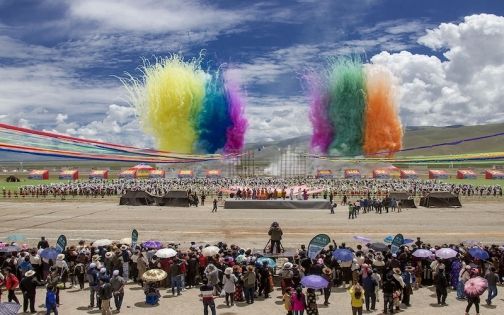
The Opening of the Horse Racing Festival
Activities of Damxung Horse Racing Festival: Experience Folk Charm in the Festivities
Horse Racing Competition: A Contest of Speed and Endurance for Young Riders
As the core part of the Damxung Horse Racing Festival, horse racing embodies the profound affection of northern Tibetan herdsmen for horses. Young riders gallop across the grasslands, demonstrating millennium-old nomadic skills with speed and endurance, creating an extremely lively scene.
- Participants: Riders are mainly teenagers aged 12 to 20, with some even around 10 years old. Their light weight helps horses exert their endurance advantages. These teenagers grow up with horses, master riding skills proficiently, and are inheritors and disseminators of nomadic culture.
- Core Event Time: Cultural and recreational activities are concentrated on the 10th to 12th days of the seventh Tibetan lunar month, and the 10,000-meter race is the highlight. This is the golden season of northern Tibetan grasslands, with abundant water and grass and pleasant climate, providing natural favorable conditions for the festival.
- Course and Venue: The 12-kilometer race is held at Gandan Karba Grassland, which has an open terrain suitable for horse racing. The grassland is surrounded by low hills, which can not only accommodate a large number of spectators but also create a magnificent natural background for the competition.
- Source of Participating Horses: Including fine horses selected by tribal leaders and voluntarily recommended by herdsmen, gathering high-quality horse breed resources in northern Tibet. These horses are strictly selected, with strong physique, outstanding endurance, and high flexibility and obedience.
- Competition Rules and Scene: Judged jointly by tribal leaders and Tibetan soldiers, the scene of hundreds of horses galloping together is extremely spectacular. Referees strictly follow ancient traditional rules to ensure fair competition, and the sound of horse hooves and cheers interweave, making the atmosphere reach a climax.
- Rewards: The top 20 riders are awarded, with prizes including hadas and Tibetan silver, carrying sincere blessings from the deep grasslands. Hada symbolizes purity and respect, while Tibetan silver is a practical reward, and each prize embodies the simple wishes of the grassland people.
Diverse Performances: Archery, Costume Shows and Traditional Competitions
Beyond horse racing, the Damxung Horse Racing Festival also features wonderful diverse performances. Events such as archery and costume shows fully display northern Tibetan folk customs, serving as an important window to experience local culture.
- Archery Competition: Participated by tribal leaders, who shoot accurately at a 100-meter target. Those who hit the target receive Tibetan silver and hadas, inheriting the essence of traditional skills. Archery is not only a competition of strength and skill but also embodies herdsmen’s remembrance and reverence for hunting culture.
- Tibetan Costume Show: Men and women wear characteristic Tibetan costumes, interpreting the bold and elegant classic Tibetan aesthetics. Tibetan costumes are embroidered with exquisite patterns and matched with jewelry, reflecting both regional characteristics and herdsmen’s pursuit of beauty in life.
- Stone-Lifting Competition: Called “Duojia” in Tibetan, it tests strength and skills, showing the strong and robust physique of northern Tibetan men. The stones used in the competition vary in weight, and players need to rely on explosive power and balance to complete the movements, which is a test of the comprehensive quality of grassland men.
- Cultural Activities: Pastoral song and dance competitions are held simultaneously, filling the grasslands with a strong festive atmosphere. The lyrics of pastoral songs are simple and touching, and the dance movements are bold and unrestrained, truly reproducing the life scenes and emotional world of northern Tibetan herdsmen.
- Activity Schedule Rules: Recreational activities are held in the first three days, followed by commercial and political affairs. This arrangement not only meets the herdsmen’s demand for festival celebrations but also ensures the orderly development of daily affairs in pastoral areas, reflecting the combination of tradition and practicality.
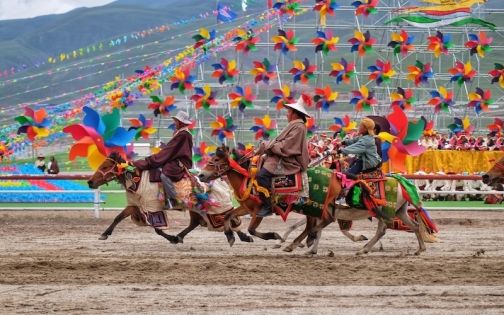
Horse Racing Festival
Commodity Exchange Fair: A Vibrant Market on the Grasslands
The Damxung Horse Racing Festival is also a grand commodity exchange event on the northern Tibetan grasslands. Merchants and herdsmen from all over gather here to exchange goods in the lively market, full of strong daily life vibes.
Market Nature: An important exchange platform during the harvest season, with both festive and commercial attributes. The market is not only a place for commodity exchange but also an important link for herdsmen to communicate emotions and spread information, full of strong life atmosphere.
Participation Scope: Merchants from various places bring daily necessities, and herdsmen exchange livestock products, with thousands of people coming and going every day. Merchants from Lhasa, Shigatse and other places bring a variety of commodities, greatly enriching the material life of herdsmen.
Market Atmosphere: A wide variety of commodities and constant shouts create a rich grassland life atmosphere. Stalls are filled with characteristic goods such as butter, dairy products and handcrafted jewelry, and the sounds of shouting and laughing come one after another, making it extremely lively.
Featured Session: A competition for high-quality livestock breeds is held simultaneously, and the winning livestock symbolize honor and grassland prosperity. The evaluation standards are strict, considering body shape, coat color and physical fitness comprehensively, and the winning herdsmen will receive congratulations and respect from all villagers.
Social Functions: It also serves functions such as debt collection and announcing tribal affairs, being a key node in the operation of pastoral society. Taking advantage of the popularity of the market, tribal leaders convey important notices and mediate conflicts and disputes, ensuring the stability and harmony of pastoral society.
Damxung Horse Racing Festival Visitor Guide: Essential Practical Tips
Best Visiting Time and Transportation Routes
To attend the Damxung Horse Racing Festival, it is necessary to plan the time and route in advance. Mastering the best visiting period and transportation methods ensures a better experience of this grassland celebration.
Core Visiting Time: The 10th to 12th days of the seventh Tibetan lunar month, when the festive atmosphere is the strongest and wonderful activities are concentrated. These three days not only include the core horse racing events but also various folk performances and market activities, allowing you to experience the festival charm in an all-round way.
Corresponding Gregorian Calendar Time: Early August every year, when the grassland climate is cool and the grass is lush green. This period avoids the hot and rainy seasons in Tibet, with comfortable temperature, making it the golden time for outdoor activities and sightseeing.
Self-Driving Route: 160 kilometers from Lhasa, with a 3-hour drive, offering magnificent scenery along the way. Self-driving can pass through the Nyenchen Tanglha Mountain Scenic Area, enjoying the stunning scenery of snow-capped mountains, grasslands and lakes interdependent, with a flexible and free itinerary.
Public Transportation: Take a bus from Lhasa North Suburb Passenger Station to Damxung County, then transfer to a local vehicle to the racecourse. Buses depart regularly every day at an affordable fare, suitable for travelers unfamiliar with the road conditions, and the transfer process also allows you to experience local customs.
Travel Preparation Reminder: Plan the route in advance, inspect the vehicle for self-driving, and prepare anti-altitude sickness supplies. The road conditions on the northern Tibetan grasslands are complex, advance planning can avoid delaying the itinerary, and anti-altitude sickness drugs, oxygen tanks and other items are essential.
Visiting Precautions and Altitude Sickness Response
Damxung is located on the plateau with unique folk customs, so attention should be paid to details during the visit. Proper preparation for altitude sickness prevention and etiquette ensures a safe and pleasant trip to the Damxung Horse Racing Festival.
Altitude Sickness Prevention and Response: Located at an altitude of about 4,200 meters, take anti-altitude sickness medicine in advance and avoid strenuous exercise to prevent discomfort. It is recommended to take anti-altitude sickness medicine one week in advance, adapt to the altitude gradually after arrival, and rest and seek medical attention in time if discomfort occurs.
Clothing and Equipment Suggestions: Large temperature differences between day and night, bring warm clothes and professional sunscreen products. You can wear a thin coat during the day and change into a down jacket at night. Sunscreen, sun hats, sunglasses and other products can effectively resist strong ultraviolet rays.
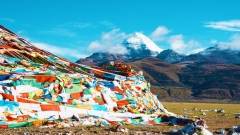
Folk and Religious Etiquette: Dress appropriately, ask for permission before taking photos, and do not randomly take pictures of lamas or inside temples. Respect local religious beliefs and living habits, do not step on prayer flags or mani piles at will, to avoid unnecessary misunderstandings.
Communication Skills: Be polite and modest. Giving small gifts makes it easier to be accepted by local people. You can prepare small gifts such as candies and stationery for local children, and maintaining patience and respect during communication can quickly narrow the distance between each other.
Daily Supplies to Bring: Limited sanitation conditions, prepare personal toiletries and common emergency medicines. Sanitary facilities on the grasslands are relatively simple, bringing your own toiletries is more hygienic, and emergency medicines such as cold medicine, stomach medicine and band-aids should be prepared in advance.
Nearby Attractions Itinerary: Enrich Your Damxung Trip
After attending the Damxung Horse Racing Festival, you may wish to visit nearby attractions. Damxung boasts both natural and cultural landscapes, making your northern Tibetan trip more fulfilling.
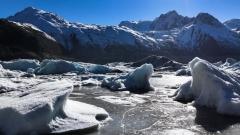
Namtso Lake: 60 kilometers from Damxung County, the holy lake is clear and blue, with beautiful scenery of snow-capped mountains and grasslands reflecting each other. As one of Tibet’s three holy lakes, Namtso Lake has been blue all year round, forming a stunning scenery with the surrounding snow-capped mountains and grasslands, and is a must-visit attraction.
Nyenchen Tanglha Main Peak: Covered with snow all year round, it is a sacred mountain in the hearts of Tibetans, suitable for taking photos as a souvenir. With an altitude of 7,162 meters, the main peak is magnificent and grand, a landmark landscape of northern Tibetan grasslands, full of a sacred religious atmosphere.
Grassland Pasture Experience: Visit local herdsmen’s homes, taste traditional foods, and experience nomadic life in depth. You can participate in activities such as milking cows and making butter, taste characteristic foods such as butter tea and hand-grasped meat, and feel the most authentic nomadic life.
Itinerary Planning Suggestion: Visit nearby attractions in a single trip to experience the dual charm of northern Tibet’s nature and culture. It is recommended to arrange a 3-5 day itinerary, which allows you to attend the horse racing festival and visit nearby attractions, making the trip more fulfilling.
The Millennium-Old Grassland Spirit
The reason why the Damxung Horse Racing Festival has lasted for 300 years and been included in the national intangible cultural heritage lies in the grassland spirit it carries. For northern Tibetan herdsmen, horses are not only tools for life but also spiritual symbols. Horse racing is both an admiration for strength and courage and an inheritance of nomadic civilization.
Integrating tradition and modernity, the Damxung Horse Racing Festival hides thousands of years of wisdom in the galloping young riders and lively market atmosphere, and has become a link connecting travelers with northern Tibetan culture, an important cultural card of Damxung and even Tibet.
Away from the hustle and bustle of the city, come to Damxung in August to meet this grand celebration of thousands of horses galloping, and you can appreciate the vitality of the millennium-old nomadic civilization on the northern Tibetan grasslands.