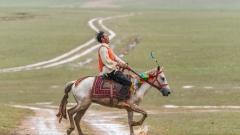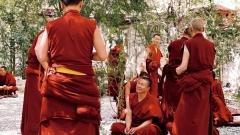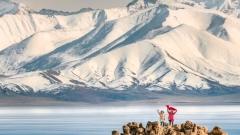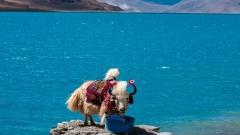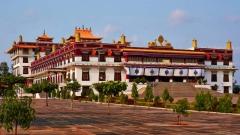

Tibet attracts numerous travelers with its unique culture and natural landscapes, but due to the particularity of its geographical location and travel policies, first-time visitors may feel unsure where to start. To ensure your 2026 Tibet trip goes smoothly, we have prepared this detailed planning guide. This guide breaks down the goal of “2026 Guide to Customizing Your Perfect Tibet Travel Plan” into seven specific, actionable steps. By following these steps, you can complete all necessary preparations in an organized manner.
Step 1: Apply for the Tibet Travel Permit – A Must-Have Document for Entering Tibet
For foreign tourists and Chinese Taiwanese tourists, obtaining a “Tibet Travel Permit” in advance is mandatory for traveling to Tibet. This is a travel authorization document issued by the Tibet Autonomous Region Tourism Bureau. Without a valid Tibet Travel Permit, you will not be able to purchase air or train tickets to Tibet, nor pass through the checkpoints along the way to Tibet. Therefore, applying for the Tibet Travel Permit is the first task to handle when planning your “Tibet travel plan.”
The specific process for applying for the Tibet Travel Permit is as follows:
- Confirm a travel agency: You need to submit an application through a legally qualified local Tibet travel agency like China Dragon Travel.
- Submit application materials: After confirming your travel itinerary and completing relevant bookings, you need to provide the travel agency with a clear electronic copy or photo of your valid passport (with a valid Chinese visa) or Taiwan Compatriot Travel Certificate.
- Wait for review and approval: The travel agency will compile the application materials of all team members and submit them to the Tibet Tourism Bureau for review and approval. Please note that individuals cannot apply directly to the Tourism Bureau; this process must be handled by designated travel agencies.
Suggestions on processing time:
The official review and issuance time for the Tibet Travel Permit is usually 7 to 14 working days. Considering factors such as material preparation, communication, and increased application volume during peak travel seasons, to avoid delaying your trip, we recommend contacting the travel agency and initiating the application process at least 1 to 2 months in advance. China Dragon Travel promises to handle this necessary document for you free of charge after you successfully book a travel product.
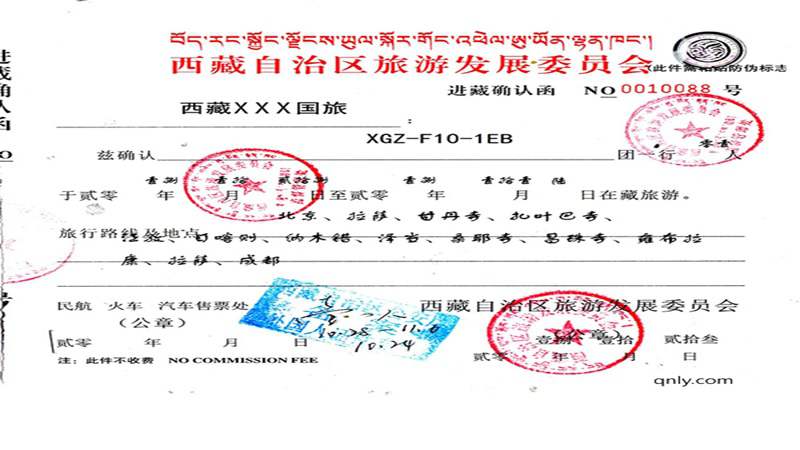
Tibet Travel Permit
Step 2: Choose a Professional and Reliable Local Tibet Travel Agency
According to Tibet’s tourism management regulations, tourists holding a Tibet Travel Permit must be received and arranged by a local travel agency during their trip to Tibet; fully independent free travel is not allowed. This means that the travel agency you choose will directly affect the implementation quality and travel experience of your “customized perfect Tibet travel plan.”
A professional and reliable Tibet travel agency usually has the following characteristics:
- Formal qualifications and direct operation: The travel agency should be legally registered in Tibet and have its own operation team, including tour guides, drivers, and customer service staff, rather than subcontracting business to third parties. This helps ensure the uniformity of service standards and the timeliness of problem response.
- Diverse products and customization capabilities: It should offer a variety of group tour options ranging from a few days to more than ten days, and also have the ability to customize itineraries according to tourists’ personal interests, time, and budget.
- Good reputation and operational experience: It should have a good reputation in the industry and rich practical operational experience, capable of properly handling various situations that may arise during high-altitude travel and ensuring a smooth journey.
As a local Tibet travel service provider, China Dragon Travel is committed to providing each tourist with comprehensive services from pre-trip consultation, document processing, and itinerary arrangement to in-trip support.
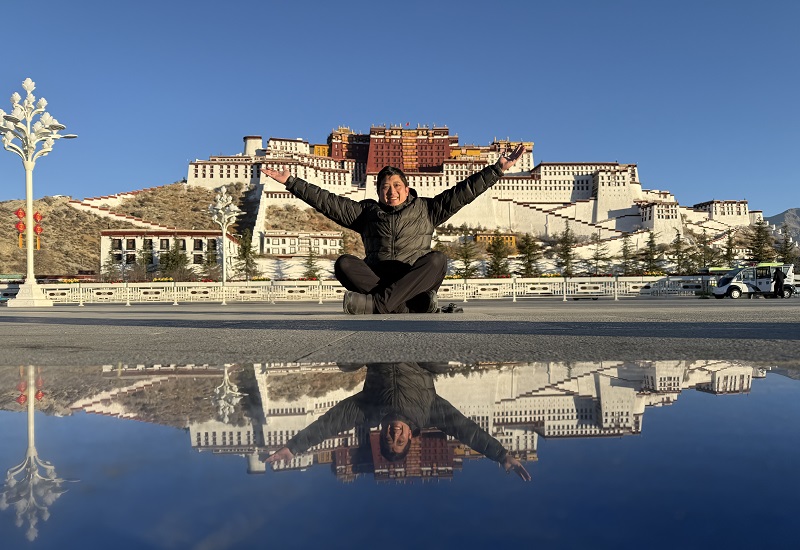
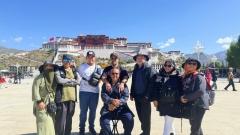
Potala Palace Tourist Photos
Step 3: Select the Best Time to Travel to Tibet
The climate and scenery in Tibet vary significantly across seasons, so choosing the right travel time is crucial for realizing your “perfect Tibet travel plan.”
- Peak travel season (April to October): This is the most popular time to visit Tibet. The climate is relatively mild, with abundant sunlight during the day and less rainfall, making it suitable for outdoor activities and sightseeing. Especially from May to early October, the weather is relatively stable, which is the best time to visit high-altitude areas such as Mount Everest Base Camp and Nam Co Lake and enjoy clear snow-capped mountain views. In summer (June to August), plants grow lush and oxygen levels are relatively higher.
- Winter travel season (November to February next year): If you want to save on travel costs and can adapt to the relatively cold climate, winter is also an option. At this time, the number of tourists decreases significantly, allowing you to visit attractions like the Potala Palace more quietly. In addition, air tickets, hotel accommodations, and some scenic spot tickets implement off-season prices, resulting in lower travel costs. Lhasa is usually sunny during the day in winter.
Important reminder: Most areas in Tibet have large temperature differences between day and night. Even in summer, the temperature may be low in the morning and evening. Therefore, regardless of when you travel, it is necessary to prepare sufficient warm clothing, which helps prevent colds and ensures good health.
Step 4: Clarify Your Travel Interests and Preferences
Tibet is a vast region with rich and diverse tourism resources, including snow-capped mountains, lakes, historical buildings, and profound religious culture. When “customizing your Tibet travel plan,” clarifying your main interests is the key to selecting or designing a suitable itinerary. You can consider your preferences from the following aspects:
Choose based on main travel interests:
- Cultural and historical exploration: If you have a strong interest in Tibetan Buddhism, Tibetan history, and traditional architecture, your itinerary can focus on Lhasa and its surrounding areas, with in-depth visits to famous temples and cultural sites such as the Potala Palace, Jokhang Temple, Drepung Monastery, and Sera Monastery.
- Natural scenery and photography: If your main goal is to appreciate and photograph the unique natural landscapes of the plateau, your itinerary should cover Tibet’s sacred lakes (such as Yamdrok Lake and Nam Co Lake), snow-capped mountains (such as Mount Namcha Barwa), as well as vast grasslands and river valleys.
- In-depth experience and hiking/pilgrimage: For travelers seeking a deeper spiritual experience or physical challenge, you can consider traveling to the Ngari region to pay homage to the sacred Mount Kailash and Lake Manasarovar, or participate in short-distance mountain circumambulation or lake circumambulation activities.
Choose based on travel experience style:
- Classic attraction tours: This is the most common way, aiming to efficiently visit multiple iconic attractions within a limited time. It is suitable for first-time visitors to Tibet who hope to gain a comprehensive preliminary understanding.
- Immersive cultural experience: This style focuses more on the depth of travel rather than the number of attractions. It may include visiting Tibetan families, learning simple daily Tibetan language, experiencing traditional handicrafts, trying on Tibetan clothing, or exploring some less popular but distinctive places led by local guides.
- Outdoor adventure activities: Mainly for tourists with good physical fitness and a love for outdoor activities. The itinerary may include organized plateau hiking, close-up glacier viewing, or self-driving experiences on specific permitted roads.
Clearly communicate your interest direction, available days, and expected travel style with your travel agency consultant. They can then recommend existing group tour products or tailor a personalized itinerary plan for you.
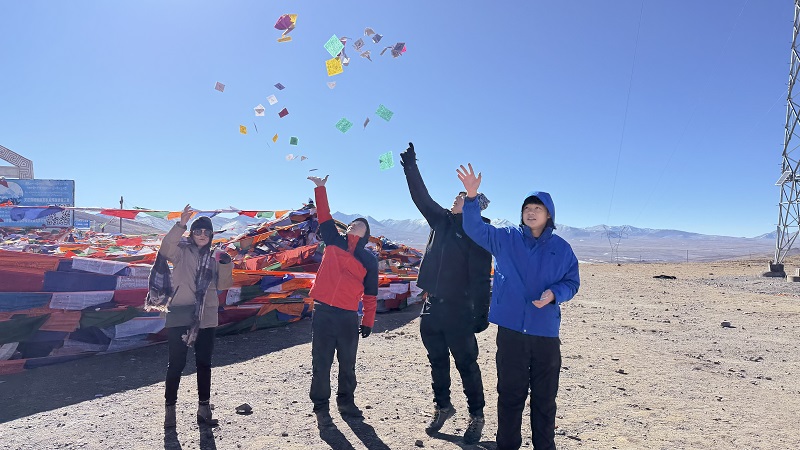
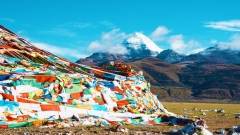
Tibet Tourist Photos
Step 5: Determine the Transportation Mode for Tibet Travel
There are two main transportation modes to Tibet: railway and air. Each has its own characteristics, and you can choose based on your time, budget, and considerations for adapting to the plateau environment.
Traveling to Tibet by Qinghai-Tibet Railway:
- Main advantages: Taking the train is a unique way to experience the famous Qinghai-Tibet Railway project. During the journey, you can see the scenery along the way, such as Qinghai Lake, the Hoh Xil No-Man’s Land, and Tanggula Pass. At the same time, the slow rise in the train’s altitude helps passengers gradually adapt to the plateau environment.
- Travel time: The train journey from Xining City, Qinghai Province to Lhasa takes approximately 22.5 hours. There are also trains to Lhasa from major Chinese cities such as Beijing, Shanghai, and Chengdu, but the travel time will be longer.
Traveling to Tibet by air:
- Main advantages: This is the fastest way to enter Tibet, suitable for tourists with limited travel time. You can fly from the plains to the plateau in a few hours.
- Route options: You can fly directly to Lhasa from multiple Chinese cities such as Beijing, Shanghai, Guangzhou, Chengdu, Chongqing, and Xi’an. Another option is to first fly to Nyingchi City, which has a relatively lower altitude, providing a gradual adaptation choice for tourists worried about altitude sickness.
Important reminder: During the Tibet travel peak season (especially July and August), air tickets and train sleeper tickets to and from Tibet will be in high demand. Therefore, be sure to book your transportation tickets in advance. Entrusting your chosen travel agency to assist with booking is usually an effective way to ensure a smooth trip.
Step 6: Understand and Prevent Altitude Sickness
The average altitude of Tibet is over 4,000 meters. First-time visitors may experience varying degrees of altitude sickness, with common symptoms including headache, shortness of breath, insomnia, and loss of appetite. Understanding and taking appropriate preventive measures can effectively alleviate discomfort and make your journey more comfortable.
Practical suggestions for preventing and adapting to altitude sickness:
- Gradually adapt to the altitude: This is the most important principle. After arriving in Lhasa (altitude approximately 3,650 meters), it is recommended to arrange 2 to 3 days of light activities in the urban area and its surrounding areas to allow your body sufficient time to adapt. Do not immediately travel to higher-altitude areas such as Nam Co Lake or Mount Everest Base Camp.
- Maintain a reasonable diet and hydration: Drink plenty of warm water and avoid alcohol. Choose light, easy-to-digest foods for your diet, and eat more fruits and vegetables.
- Keep warm and avoid colds: In high-altitude areas, colds may worsen or induce altitude sickness and are not easy to cure. For the first day or two after arrival, try to avoid taking a bath to prevent catching cold.
- Maintain a calm and relaxed mindset: Do not be overly anxious or fearful of altitude sickness. Keeping adequate rest and a relaxed mood helps your body adapt to the environment better. Most mild symptoms will naturally subside after one or two days of adaptation.
Step 7: Travel with a Professional Travel Service Team
After completing all pre-trip preparations, you can start looking forward to your Tibet journey. According to regulations, during your trip to Tibet, you will be provided with full-service support by professional tour guides and drivers arranged by the travel agency. This is not only a policy requirement but also actually brings more convenience and safety guarantees to your journey.
By choosing to cooperate with China Dragon Travel, you will receive the following support:
- Experienced local tour guides: Our tour guides are familiar with Tibet’s history, culture, and scenic routes, able to provide professional explanations and assist you in handling various matters during the trip.
- Skilled drivers: Drivers have a thorough understanding of Tibet’s road conditions and weather conditions, ensuring safe driving.
- Full-range logistical support: From airport/train station pick-up, hotel check-in, scenic spot visits to seeing you off, our team will coordinate all arrangements during the itinerary, allowing you to focus on enjoying the trip itself.
Start Planning Your 2026 Tibet Trip
Through the detailed explanation of the above seven steps, you can see that completing a “2026 Tibet travel plan” is a systematic but not complicated process. The key is to make preparations in the correct order: start with applying for the necessary Tibet Travel Permit, then choose a reliable travel agency, determine the appropriate travel time, plan the itinerary based on personal interests, arrange transportation, and learn about altitude sickness prevention in advance. Finally, complete the trip with the assistance of a professional team. If you have any questions during the planning process or hope to get suggestions more in line with your personal situation, you can contact the professional consultants of China Dragon Travel at any time for consultation. Your 2026 Tibet trip is waiting for you – you can start your planning now.