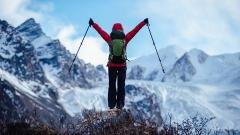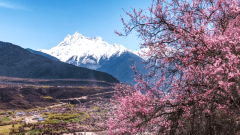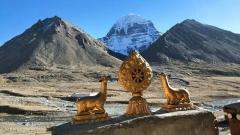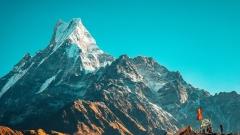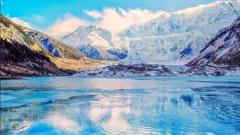

During the journey to Namtso, Nagenla Pass is an unmissable highlight. Standing at 5,190 meters above sea level, this pass connects the grandeur of Nyainqêntanglha Mountains and the clarity of Namtso Lake, a stunning welcome gift from the northern Tibetan Plateau to every traveler. At the pass, fluttering five-colored prayer flags tell thousands of years of legends, and the land beneath has witnessed countless pilgrims and tourists. It is not only an excellent spot to admire snow-capped mountains and sacred lake together, but also an important station to experience plateau momentum and Tibetan culture, making every Namtso trip more meaningful.
Nagenla: Geographic Landmark and Tibetan Cultural Heritage
Geographic Location and Natural Scenery
Location and Distance: Situated in the middle section of the Nyainqêntanglha Mountains, it is the only way from Lhasa to Namtso, approximately 200 kilometers from downtown Lhasa, taking 4 to 6 hours by car.
Geographic Attribute: As a vital gateway connecting the northern Tibetan grasslands and Namtso Lake, it stands at an altitude of 5,190 meters, serving as an important geographic boundary on the northern Tibetan Plateau and an ideal location to enjoy the three-dimensional plateau scenery.
Core Scenery: From the pass, you can overlook the snow-capped peaks of the Nyainqêntanglha Mountains that remain frozen year-round. The grasslands at the foot change color with the seasons, and the distant Namtso Lake sparkles like a sapphire inlaid in the wilderness, offering a breathtaking view of the vast sky and earth.
Spiritual Connotation of Tibetan Culture
Cultural Meaning: In Tibetan culture, it is regarded as a channel connecting the mortal world and the divine realm, witnessing the companionship between the sacred mountains and lakes, and embodying the locals’ reverence for the sacred nature.
Landmark Attraction: A huge stone inscribed with “Namtso” stands at the pass, surrounded by mani piles built by believers, each stone carved with scriptures carrying wishes for peace and auspiciousness.
Cultural Experience: The fluttering prayer flags in the wind are considered by locals as a way to convey wishes to the heavens. Travelers and pilgrims often stop here to respect local customs and feel the pious atmosphere of the plateau.
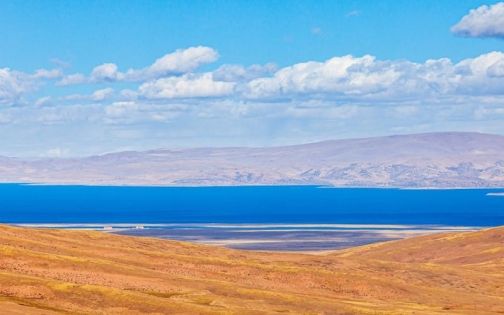
Nagenla Pass
Nagenla Travel Seasons and Photography Guide
Recommended Travel Seasons Throughout the Year
Best Season: From May to October every year, the climate is relatively stable, with temperatures ranging from 5°C to 15°C. The lake thaws, and the grasslands come to life, making it the golden period to enjoy the combined scenery of mountains, lakes and grasslands.
Summer Features: June to September is the rainy season, with lush green grasslands and blooming wildflowers. The snow-capped peaks and flower seas complement each other beautifully. It is advisable to check the weather forecast in advance and bring rain gear and sun protection products to cope with the changeable plateau weather.
Travel Reminder: The plateau weather is unpredictable. Even in the best season, it is necessary to prepare for wind, sun and cold to deal with sudden weather changes.
Light and Shadow Photography Tips and Notes
Best Photography Period: From September to October, the sky is clear, the air is transparent, and the grasslands gradually turn golden, offering excellent light and shadow layers. It is the ideal time to photograph the pass scenery.
Scenery by Time of Day: In the early morning, you can capture the magnificent view of the golden snow-capped mountains as the sun rises, dyeing the peaks golden-red against the blue sky and white clouds. In the evening, under the setting sun, the lake shimmers, and the prayer flags glow faintly, creating a solemn and romantic atmosphere.
Photography Notes: The temperature difference between day and night on the plateau is large. No matter when photographing, bring a windproof and warm jacket to resist strong mountain winds and avoid catching cold.
Traveling Nagenla: A Complete Guide to Transportation Methods
Charter and Shared Car Travel Options
Recommended Reason: Chartering or sharing a car is the most popular way, offering great flexibility. You can stop to enjoy the scenery at any time along the way. Drivers are familiar with plateau road conditions and local culture, and can provide professional travel advice.
Cost and Configuration: A 4×4 vehicle for 4 to 6 people costs about 800 to 1,200 yuan per day, including the driver’s fee and vehicle usage fee. It is recommended to book through a local Tibetan travel agency and sign a formal contract for peace of mind.
Experience Highlight: You can stop fully at NagenlaPass to take photos without rushing, allowing you to carefully admire the pass and the distant sacred lake and snow-capped mountains.
Self-Driving and Shuttle Bus Guide
Self-Driving Guide: Suitable for experienced drivers with plateau driving experience. The entire journey follows National Highway G109 (Qinghai-Tibet Highway) before turning towards Damxung County, with a total distance of approximately 200 kilometers.
Vehicle and Equipment: Check the condition of brakes, tires and spare tires in advance. Bring snow chains when traveling in winter to cope with snowy roads. Control the speed while driving, avoid livestock, and do not overtake aggressively.
Shuttle Bus Information: Package tickets can be purchased through the “Zhiyou Tibet” WeChat official account for 248 yuan per person, including round-trip transportation from Lhasa, tickets and sightseeing buses. Departure points are Nai Cang Square or Liuwu Bus Station. Confirm the departure time in advance to avoid being late.
Transportation Pitfalls to Avoid and Altitude Adaptation
Not Recommended Method: Public transportation is not recommended. You need to take a bus from Lhasa East Suburb Bus Station to Damxung County first, then transfer to a chartered car to Namtso. There are few buses, the transfer process is cumbersome, and it wastes a lot of travel time.
Altitude Adaptation Suggestion: Regardless of the transportation method, it is recommended to stay in Lhasa for 1 to 2 days to adapt to the altitude, avoiding altitude sickness caused by directly going to the high-altitude pass and ensuring a smooth trip.
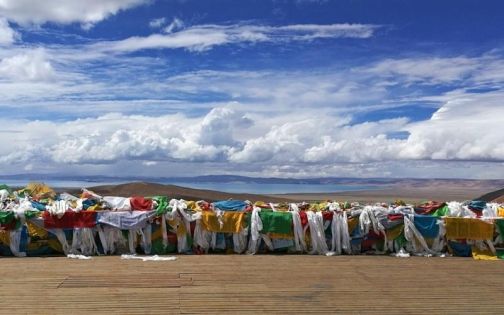
Nagenla Pass
Altitude Sickness Response and Safety Rules at Nagenla
Altitude Sickness Prevention and Pre-Trip Preparation
Basic Understanding of Altitude Sickness: The pass is at an altitude of 5,190 meters, with thin air and oxygen content only about 50% of that in plain areas. The risk of altitude sickness must be taken seriously.
Pre-Trip Prevention: Take preventive medicines such as Rhodiola rosea one week before departure. After arriving in Lhasa, avoid strenuous exercise, overeating and ensure adequate sleep to allow the body to adapt gradually.
On-the-Way Preparation: Bring sufficient mineral water and energy snacks to replenish water and physical strength in a timely manner. Avoid going to the pass on an empty or full stomach.
Coping Methods and Warmth Protection
On-Site Notes: Move slowly after arrival. Do not engage in strenuous exercise such as running or jumping. It is recommended to stay for no more than 20 minutes to reduce physical burden.
Altitude Sickness Response: Rent or bring an oxygen cylinder in advance. If mild symptoms such as dizziness, headache or difficulty breathing occur, timely oxygen inhalation and rest can relieve them. For severe symptoms, go to a nearby medical center immediately or return to Lhasa for treatment if necessary.
Warmth Protection: The pass has strong winds and low temperatures. Wear a windproof and warm jacket, hat, gloves and non-slip hiking shoes to avoid catching cold, as colds can easily lead to serious complications on the plateau.
Cultural Etiquette and Safety Precautions
Respect Local Customs: Do not step on mani piles at will, do not litter, and protect the plateau ecological environment. Be polite when communicating with local herdsmen and ask for permission before taking photos.
Safety Protection: Some areas of the pass are covered with gravel. Watch your step while walking. Stay away from slopes when taking photos to prevent falling accidents.
Around Nagenla: Travel Route Planning
Classic 3-Day 2-Night Itinerary
- Day 1: After arriving in Lhasa, check into a downtown hotel. Wander around Barkhor Street, taste local butter tea, avoid strenuous activities throughout the day, and focus on adapting to the altitude.
- Day 2: Depart from Lhasa by car, pass through Yangbajain and Damxung County, arrive at NagenlaPass at Namtso to stop and take photos. Then go to Tashi Peninsula at Namtso for a walk, experience the custom of circumambulating the lake for blessings, enjoy the sunset in the evening, and stay at a homestay on Tashi Peninsula.
- Day 3: Watch the sunrise at Namtso in the early morning, then go to the Nyainqêntanglha Mountains viewing point to admire the snow-capped mountains up close, before returning to Lhasa to end the trip.
Extended Routes and Cultural Experiences
Extended Route Planning: If time permits, add the northern Tibetan grassland tour loop. On the return trip, pass through the northern Tibetan grasslands to enjoy the vast pasture scenery and encounter wild animals such as yaks, sheep and Tibetan antelopes.
In-Depth Cultural Experience: Visit Damxung County to taste local specialties such as butter tea, Tibetan noodles and hand-grasped meat. Enter herdsmen’s families to learn about traditional nomadic life and enrich the trip.
Summer Camping and Star-Gazing Experience
Camping Timing: Every summer, wildflowers bloom on the grasslands around the pass, forming a picturesque scenery with snow-capped peaks and blue sky, making it the best season for self-driving camping.
Core Experience: Set up tents in designated camping areas and admire the brilliant plateau starry sky at night. The galaxy reflects on the lake, creating a magnificent view.
Camping Preparation: Bring sufficient warm equipment and professional camping supplies. Confirm the camping area regulations in advance to ensure camping safety.
Nagenla: The Spiritual Mark of Tibetan Travel
Namtso Nagenla is never a hasty stop on the journey, but the most touching spiritual mark of a trip to Tibet. This pass at 5,190 meters above sea level combines the magnificent shock of snow-capped mountains and sacred lake, as well as the pious solemnity of fluttering prayer flags. Every inch of land embodies the momentum and tenderness of the plateau. Standing here, the vastness of heaven and earth is enough to dilute worldly troubles, allowing people to gain inner peace and reverence in harmony with nature.
Whether you are a first-time traveler to Tibet or a seasoned enthusiast, you can find unique emotions here. On the way to Namtso, take a moment to stop here, feel the plateau’s momentum and listen to the whispers of nature, making this sacred land the brightest and most unforgettable part of your Tibetan journey.