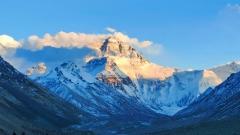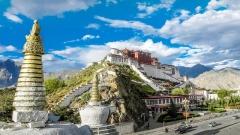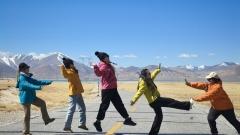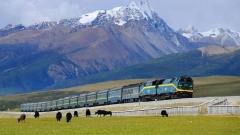

From the bustling metropolis to the sacred snowland, the 4,000-plus-kilometer Shanghai-Lhasa Train journey is not only a spatial migration but also a transition from Jiangnan’s water charm to plateau scenery. Unlike flying’s rapid arrival, the train’s slow pace lets the body adapt to rising altitude and travelers savor the ever-changing views along the way. This heavenly railway trip on the Qinghai-Tibet Railway hides countless natural and human surprises. For first-time Tibet visitors or in-depth travelers alike, the Shanghai-Lhasa Train is an excellent start to your Tibet journey. Below is a comprehensive guide with practical tips and experience sharing to plan this unforgettable railway trip.
Core Information about the Shanghai-Lhasa Train: Essential Basics for Travel
To smoothly start your journey on the Shanghai-Lhasa Train it is first necessary to grasp the core information about train schedules times and ticketing which is the foundation of trip planning. Currently the main direct train between Shanghai and Lhasa is Train Z164. This train is not only an important transportation link connecting the two places but also one of the best carriers to experience the scenery of the Qinghai-Tibet Railway.
Core Operation Information of Train Z164:
- Departure Station: Shanghai Railway Station
- Departure Time: 18:33
- Journey Duration: 44 hours and 57 minutes
- Arrival Time: 15:30 on the third day
- Arrival Station: Lhasa Railway Station
- Total Distance: 4373 kilometers
Seat Fare Information is as follows:
| Seat Class | Starting Price (CNY) |
| Hard Seat | 402.5 |
| Hard Sleeper | 793.5 |
| Soft Sleeper | 1262.5 |
Trip Suggestion: Since the journey is nearly two days and two nights priority is recommended to choose hard sleeper or soft sleeper to ensure travel comfort and avoid fatigue caused by long-term sitting in hard seats.
Ticketing Booking Tips:
- Ticket Availability: Tickets for the Shanghai-Lhasa Train are particularly tight especially during the tourist season often resulting in a shortage of tickets.
- Booking Channel: It is recommended to grab tickets through the official 12306 platform 30 days in advance which is the most formal and reliable ticketing channel.
- Transfer Plan: If direct tickets are sold out transfers can be considered. Common transfer stations include Xining Wuxi Suzhou etc. Among them transferring in Xining is the preferred option with reasonable transfer time and the ability to experience the core section of the Qinghai-Tibet Railway.
- Special Document Requirements: Foreign tourists Taiwan tourists and overseas Chinese tourists need to apply for a Tibet Travel Permit in advance through a qualified travel agency in Tibet. Individuals cannot apply directly. The Tibet Travel Permit needs to be printed in A4 size and carried. Conductors will check it irregularly and loss will cause inconvenience.
Scenery Along the Shanghai-Lhasa Train: A Visual Feast Heading West
The charm of the Shanghai-Lhasa Train lies not only in reaching the sacred Lhasa but also in the constantly changing landscape along the way. From the eastern plains to the western plateaus from cultural relics to natural wonders each section of the journey has unique scenery worth cherishing.
From Eastern Plains to Loess Plateau: A Blend of Humanities and Countryside
After the train departs from Shanghai the scenery along the way gradually changes. The core experience points are as follows:
- Plain Scenery Experience: Passing through Jiangsu Anhui Henan and other places the fields are crisscrossed and villages are scattered presenting the gentleness of the Jiangnan water town and the vastness of the North China Plain one after another.
- Loess Plateau Style: After passing Xuzhou entering the Loess Plateau the terrain undulates significantly. The crisscrossed loess landscapes and scattered cave dwellings fully show the strong northwest style.
- Practical Tips for Xi’an Station: When arriving at Xi’an Station the outline of the ancient city wall looms in the dusk. This station is not only an important stop but also a good time to replenish supplies. You can order special foods such as cold noodles and roujiamo to experience the exotic flavors on the train.
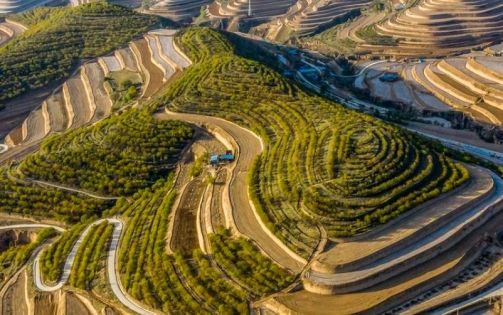
Loess Plateau
Core Section of the Qinghai-Tibet Railway: The Essence of the Heavenly Railway Scenery
Core Scenery and Experience Points Along the Core Section of the Qinghai-Tibet Railway:
- Xining to Golmud Section: After arriving at Xining Station passengers need to transfer to an oxygen-supplied train officially starting the Qinghai-Tibet Railway experience. The train passes through the grassland near Qinghai Lake. In summer the grassland is green with flocks of cattle and sheep. The railway is only 50 meters away from the lake at the closest point. The beautiful scenery where the lake water meets the sky is intoxicating.
- Golmud to Tanggula Mountain Section: This section is the most magnificent part of the Shanghai-Lhasa Train journey and also the highest railway section in the world. After the train departs from Golmud it climbs all the way passing through scenic spots such as Kunlun Mountain and Hoh Xil. In the Hoh Xil Nature Reserve lucky travelers may see rare wild animals such as Tibetan antelopes and Tibetan wild asses galloping on the grassland. They are the elves of this pure land adding infinite vitality to the journey. When the train passes through the Tanggula Mountain Pass at an altitude of 5072 meters diffused oxygen supply is activated in the carriage. The snow-capped mountains outside the window are continuous and clouds and mist linger among the mountains like a fairyland.
- Tanggula Mountain to Lhasa Section: Crossing the Tanggula Mountain entering Tibet the Naqu Grassland and Cuona Lake are highlights. Cuona Lake is the highest altitude freshwater lake in the world with clear water and beautiful reflections. The train stops here for 10 minutes. Travelers can get off the train to take reflection photos to freeze this beautiful scenery. From Naqu to Lhasa the terrain gradually flattens. Tibetan-style dwellings and prayer flags gradually increase and the Tibetan style becomes more intense until the outline of the Potala Palace appears in the field of vision indicating that this wonderful train journey is coming to an end.
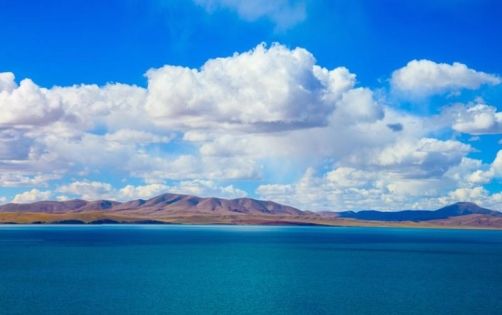
Cuona Lake
Pre-Trip Preparations for the Shanghai-Lhasa Train: A Key Step for a Comfortable Journey
For a journey of about 45 hours coupled with the particularity of the plateau environment adequate pre-trip preparations are crucial. Whether it is clothing medicine or daily necessities reasonable preparations can greatly improve travel comfort.
Document and Currency Preparation: Indispensable for Travel
Document Preparation Tips:
- Mainland Tourists: Need to carry a valid ID card which is not only a certificate for ticket purchase and boarding but also a document that may need to be presented at any time during travel in Tibet.
- Foreign/Taiwan/Overseas Chinese Tourists: In addition to valid documents such as passports or Taiwan compatriot certificates they must apply for a Tibet Travel Permit in advance through a qualified travel agency in Tibet. Individuals cannot apply directly. It is recommended to apply 7-14 working days in advance print and keep it properly.
- Travel to Border Areas: If planning to travel to border areas such as Mount Everest and Ngari an additional border pass is required. It is recommended to entrust a travel agency to handle it to save time.
Currency Preparation Tips:
- Cash Preparation: The signal in some sections of the train is unstable. Although mobile payment can be used to buy meals and snacks it is still recommended to carry a small amount of cash for backup.
- Bank Card Preparation: Carry a savings card of a major domestic bank to facilitate cash withdrawal at ATMs in stations along the way or in Lhasa ensuring smooth capital flow during the trip.
Clothing and Skincare Products: Coping with the Changeable Plateau Environment
The climate of the Tibet Plateau is unique with large temperature differences strong ultraviolet rays and dry weather. Reasonable preparation of clothing and skincare products directly affects travel comfort. It is necessary to scientifically select and carry items in combination with the needs of the carriage environment and outdoor scenery experience. The specific preparation points are as follows:
Clothing Preparation Tips:
- Core Principle: Follow the multi-layered layering principle to cope with the large temperature difference of four seasons in a day in Tibet.
- Essential Clothing: Fleece jacket and冲锋衣 (windproof waterproof and warm suitable for changeable weather); light jacket T-shirt and underwear (can be added or removed at any time according to the carriage temperature and outdoor environment).
- Shoe Selection: Wear a pair of comfortable outdoor shoes and carry a pair of slippers for more relaxation in the carriage.
Skincare Product Preparation Tips:
- Sunscreen Essentials: High-factor sunscreen (SPF50+ is recommended and needs to be reapplied regularly) sun hat and sunglasses (to resist strong ultraviolet rays on the plateau).
- Moisturizing Care: Moisturizing cream hand cream lip balm and nasal spray (to relieve skin and nasal discomfort caused by the dry plateau).
- Additional Suggestion: Carry an appropriate amount of facial masks to do a good job of moisturizing care on the train.
Medicine and Food Preparation: Coping with Travel Discomfort and Hunger
Altitude sickness is the most important issue to pay attention to when traveling to Tibet. Although the slow pace of the Shanghai-Lhasa Train allows the body to gradually adapt to the increasing altitude it is still necessary to prepare relevant medicines in advance.
Medicine Preparation Tips:
- Altitude Sickness Countermeasure Medicines: Take Rhodiola rosea in advance under the guidance of a doctor and carry emergency medicines such as Gaoyuan’an and Gaoyuankang Capsules.
- Common Discomfort Relief Medicines: Ibuprofen (relieves headaches) and glucose oral liquid (supplements energy).
- Basic Common Medicines: Cold medicine stomach medicine antidiarrheal medicine and anti-inflammatory medicine.
- Wound Treatment Supplies: Band-aids to cope with minor injuries that may occur during the trip.
Food Preparation Tips:
- Train Catering Situation: The dining car provides three meals a day. The price of a simple meal is about 30 CNY. Breakfast is mostly simple meals such as steamed buns porridge and eggs. The taste is Sichuan-style and salty and spicy which may not be suitable for all travelers’ tastes.
- Self-Prepared Food Suggestions: Prepare your favorite snacks and instant food in advance such as biscuits nuts chocolate and instant noodles. Chocolate and apples are recommended choices which can not only supplement energy but also play a regulatory role.
- Water Preparation: Carry an insulated water cup. The train provides boiling water at any time to facilitate drinking hot water to relieve travel discomfort.
Electronic Devices and Other Supplies: Improving Travel Comfort
In addition to core items such as documents and clothing electronic devices and various practical small supplies are also comfortable guarantees for the long-distance journey on the Shanghai-Lhasa Train. Reasonable preparation can solve various needs such as photography entertainment and rest making the long journey more convenient and pleasant. The specific preparation points are as follows:
Electronic Device Preparation Tips:
- Photography Equipment: Carry a camera spare battery charger and memory card to ensure that the beautiful scenery along the way can be recorded.
- Entertainment Equipment: Download offline movies music and books in advance on mobile phones and tablets to cope with signal-free sections; carry noise-canceling headphones to isolate carriage noise and improve the leisure experience.
- Charging Equipment: The number of sockets on the train is limited and some may be faulty. It is necessary to carry a large-capacity power bank and ensure that all electronic devices are fully charged before departure.
Other Supplies Preparation Tips:
- Rest Supplies: Eye mask earplugs and disposable bedding (carry as needed to help get better rest in the carriage).
- Cleaning Supplies: Wet wipes and hand sanitizer (convenient to solve cleaning problems on the train).
- Storage Supplies: Small backpack or shoulder bag (used to place personal items for easy access at any time making the journey more convenient and organized).
Notes on the Shanghai-Lhasa Train: Arrive at the Destination Safely and Comfortably
During the nearly two-day journey understanding and abiding by relevant notes can not only ensure your own safety but also make the journey smoother and more comfortable.
Oxygen Supply and No-Smoking Notes:
- Oxygen Supply Rules: The train activates diffused oxygen supply in sections above 3000 meters above sea level. If you still feel uncomfortable you can contact the staff to use independent oxygen inhalation equipment.
- Safety Taboos: Do not carry oxygen cylinders on the train by yourself to avoid violating safety regulations.
- No-Smoking Requirements: Smoking is prohibited throughout the Golmud to Lhasa section. Violators will face corresponding penalties and must strictly abide by them.
Physical Maintenance Notes:
- Activity Suggestions: Rest more and move less during the journey avoid strenuous exercise and reduce physical burden.
- Cold Protection and Warmth: There is a large temperature difference between inside and outside the train. When getting off the train to breathe fresh air at stops add clothes in time to avoid catching a cold (a cold on the plateau may cause serious complications).
- Dietary Norms: Pay attention to food hygiene eat small meals frequently avoid overeating and drink plenty of water to keep the body hydrated helping to adapt to the plateau environment.
Property and Safety Notes:
- Property Storage: Take good care of personal items especially valuables and close the box door when resting at night.
- Boarding Safety: Pay attention to the gap between the train and the platform when getting on and off to prevent foot injuries; pay attention to the stop time and do not miss the train because of admiring the scenery.
- Signal Explanation: There may be no mobile phone signal in some sections of the train which is a normal phenomenon and there is no need to worry too much.
Notes After Arriving in Lhasa:
- Activity Restrictions: Do not engage in strenuous exercise immediately after arrival. It is recommended not to take a bath or drink alcohol on the first day.
- Dietary Suggestions: Eat a light diet and give the body sufficient time to adapt to the plateau environment.
- Medical Tips: If severe altitude sickness symptoms such as persistent headaches vomiting and difficulty breathing occur seek medical attention in time to ensure travel safety.
Start Your Tibet Journey the Most Comfortable Way
Traveling from Shanghai to Lhasa by train is not only a scenic journey, but also one of the safest and most comfortable ways to enter Tibet. The gradual ascent allows travelers—especially first-time visitors—to acclimatize smoothly while experiencing the changing landscapes and cultures along the way.
Whether you plan a classic Lhasa itinerary or extend your trip to Everest Base Camp, Namtso, or western Tibet, this railway journey fits naturally into a well-designed travel plan. For a worry-free experience including train tickets, Tibet Travel Permit, and seamless onward arrangements, consulting China Dragon Travel in advance can make all the difference.