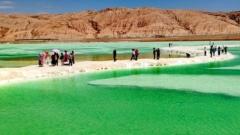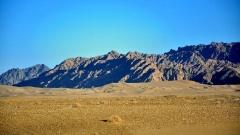

Dunhuang weather in March reflects typical early spring conditions in northwest China: rising daytime temperatures, significant day-night temperature differences, frequent winds with occasional dust, and strong sunshine combined with very dry air. For travelers, March offers the advantage of fewer crowds and lower costs compared to peak seasons, but it also requires careful preparation. Understanding temperature changes, wind patterns, and how they affect travel plans is essential for a smooth and comfortable trip.
Key Weather Characteristics of Dunhuang in March
To prepare properly for your trip and handle any weather conditions smoothly, you first need to fully understand the core features of Dunhuang’s March climate.
Temperature Fluctuations
The most defining feature of Dunhuang’s March weather is its extreme diurnal temperature swings. As the city emerges from the harsh northern winter, daytime temperatures rise rapidly, with average highs ranging from 10°C to 18°C. On sunny, calm days, midday temperatures can even climb above 20°C, bringing pleasant spring warmth to the desert. However, nights remain bitterly cold, with average lows between -3°C and 5°C. When cold snaps hit, early morning temperatures can plummet to -8°C, creating a temperature difference of nearly 20°C in a single day. March also brings frequent shifts between warm and cold spells, with occasional late frost events, so it’s essential to check real-time forecasts before and during your trip.
Precipitation and Humidity
Located deep in China’s inland arid region, Dunhuang maintains its signature dry climate in March. The average monthly precipitation is less than 5mm, with almost no significant rainfall, and snowfall is extremely rare. This means you won’t have to worry about rainy days derailing your outdoor plans, a major plus for sightseeing. That said, the air is exceptionally dry, with an average relative humidity of less than 30%. This intense dryness can cause chapped lips, peeling skin, and respiratory irritation, so hydration and moisturization will be top priorities during your stay.
Wind and Sand Events
Another key feature of Dunhuang’s March weather is frequent high winds and occasional sand and dust events. Spring is the peak season for strong winds across northwest China, and Dunhuang sees an average of 3 to 5 high wind days in March. Winds are strongest from midday to early evening, with gusts reaching 7 to 8 on the Beaufort scale in open Gobi areas. Light floating dust and blowing sand are relatively common, while severe sandstorms are rare. Even light dust events can reduce visibility and impact outdoor activities, so always check dust and wind warnings before heading out, especially for trips to remote Gobi sites.
Sunlight and UV Exposure
Dunhuang sits at a relatively high elevation with thin, clear air and an abundance of sunny days in March. You can expect 8 to 10 hours of sunlight daily, with excellent visibility on clear days—perfect for watching desert sunrises, sunsets, or stargazing at night. However, this also means UV radiation levels are moderately high, even on cloudy or dusty days. UV rays can penetrate thin cloud cover and light dust, so sun protection is non-negotiable, even if you don’t feel direct sunlight on your skin.
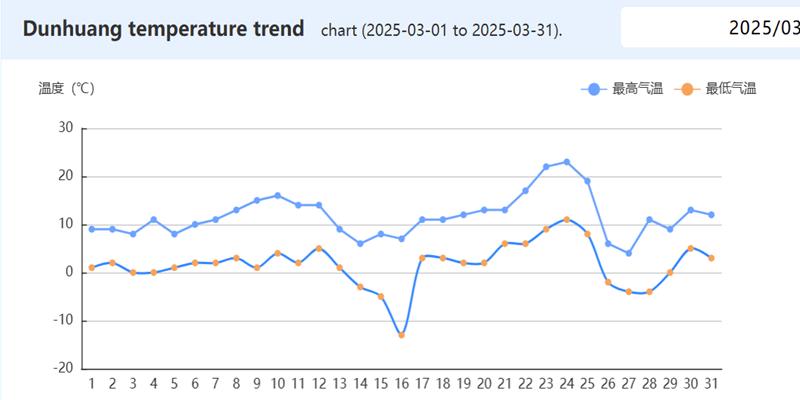
Dunhuang Temperature Trend in March
What to Wear & Pack for Dunhuang in March
Matching your outfits and gear to Dunhuang’s March weather is the key to a comfortable and enjoyable trip. Below is our targeted advice and essential packing list.
Core Layering Strategy
Given the extreme temperature swings, frequent wind, and sudden weather changes in March, the golden rule for dressing in Dunhuang is an onion-style layering system, the standard for outdoor travel in variable conditions. For your base layer, choose long-sleeve tops made from moisture-wicking, quick-drying fabrics—avoid 100% cotton, as it retains sweat and will leave you cold and clammy when the wind picks up or temperatures drop. For your mid layer, pack a fleece jacket, lightweight down jacket, or knit cardigan to trap heat during cold mornings, evenings, and unexpected cold snaps. Your outer layer must be a windproof, water-resistant hardshell jacket, critical for blocking harsh Gobi winds, blowing sand, and sudden temperature drops.
Essential Clothing Items
For bottoms, opt for windproof, abrasion-resistant cargo pants or hiking pants. These will keep you warm, prevent sand from getting inside, and hold up to rough Gobi terrain. We strongly advise against skirts, dresses, or loose wide-leg pants, which offer little protection against wind and sand, and leave you exposed to the cold. For footwear, high-top, non-slip, durable hiking boots or desert boots are non-negotiable. The high-top design keeps sand out, while the rugged sole provides traction on uneven desert and Gobi ground. Never wear low-top shoes, casual sneakers, or high heels for desert trips—they offer no protection against sand, sharp rocks, or extreme temperatures, and can easily cause injury.
Must-Have Protective Accessories
For sun protection, pack UV-protective polarized sunglasses to shield your eyes from glare and blowing sand, a wide-brimmed sun hat to cover your face and neck, and broad-spectrum, water/sweat-resistant sunscreen with SPF 50+ and PA++++ rating. Apply it generously to all exposed skin, and reapply every 2 to 3 hours, even on cloudy days. For wind and sand protection, bring a multi-functional neck gaiter, which can be wrapped around your face to block sand, plus a dust-proof mask. To combat extreme dryness, don’t forget a deeply moisturizing lip balm, rich face moisturizer, and travel-sized hydrating mist. Sand-proof, touchscreen-compatible gloves are also a great addition, protecting your hands from sun, sand, and cold while letting you use your phone for photos.
Dunhuang March Itinerary Tips & Things to Do
By planning your schedule around March’s weather patterns, you can minimize disruptions and fully immerse yourself in Dunhuang’s magic.
Optimal Scheduling for Top Attractions
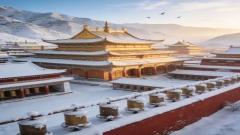
The Mogao Caves, a UNESCO World Heritage Site, are primarily indoor attractions, so they are almost entirely unaffected by March’s weather—even dusty days are perfect for visiting. We recommend scheduling your visit for the morning, when temperatures are mild, light is ideal for viewing murals, and crowds are smallest, letting you explore the ancient Buddhist art at a relaxed pace.
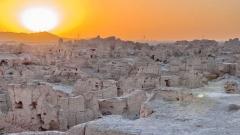
Mingsha Mountain and Crescent Moon Spring are outdoor desert attractions, heavily impacted by March’s wind, heat, and UV radiation. We strongly recommend avoiding midday to early afternoon hours, when winds are strongest and UV levels are highest. Instead, visit for early morning sunrise or late afternoon sunset. Early morning brings cool temperatures, calm winds, and fewer crowds for camel rides, plus stunning sunrise views over the dunes. Sunset offers golden light that paints the desert in breathtaking hues, with mild temperatures perfect for camel riding, sand sledding, and photography.
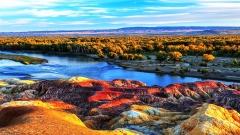
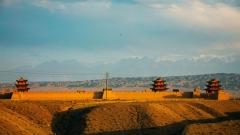
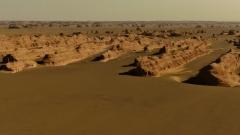
For the western line attractions—Yumen Pass, Yangguan Pass, and Yardang National Geopark (the “Devil’s City”)—these sites are deep in the open Gobi, far from the city center, so they are even more affected by wind and sand. Always check weather and dust warnings before setting out; if high winds or a sandstorm is forecast, adjust your itinerary. On clear days, bring plenty of warm layers, protective gear, and drinking water, as there are very few supply stops along the route. The sunset at the Yardang Devil’s City is spectacular, but temperatures drop extremely quickly after dark, so a thick warm jacket is an absolute must.
Can’t-Miss Experiences
March is Dunhuang’s off-peak season, meaning exceptional value on tickets and experiences priced in RMB, with far less booking stress than peak summer months. The immersive indoor stage show Encore Dunhuang is the perfect evening activity, entirely unaffected by outdoor weather. It brings Silk Road and Dunhuang history to life through stunning performances, and in March, you can easily book the best seats in the house with no hassle.
On clear, dust-free days, Dunhuang’s exceptional visibility makes it perfect for stargazing. While nights are cold, with the right warm layers, you can head into the Gobi, far from city light pollution, to see a breathtaking blanket of stars across the desert sky—an experience nearly impossible to enjoy during crowded peak season. For windy or dusty days, visit the Dunhuang Museum or local art galleries to dive deep into the city’s rich history and culture, while staying warm and protected from the elements.
Emergency Weather Protocols
If you encounter a sand or dust storm, stop all outdoor activities immediately. If you’re near the city, return to your indoor accommodation as quickly as possible and close all windows and doors tightly. If you’re caught outdoors in the Gobi, use your neck gaiter and mask to cover your nose and mouth, put on your sunglasses to protect your eyes, and find a sheltered spot out of the wind as quickly as possible. Never wander aimlessly in the Gobi during a dust event, as visibility can drop to near zero in seconds.
If you’re hit by a sudden cold snap, add extra layers immediately and avoid prolonged outdoor exposure. Never skip warm layers for photos, as desert wind and cold can cause frostbite very quickly, even if it feels warm in the sun. Additionally, always carry a bottle of drinking water with you, and drink warm water regularly throughout the day to avoid dehydration and respiratory irritation from the dry air.
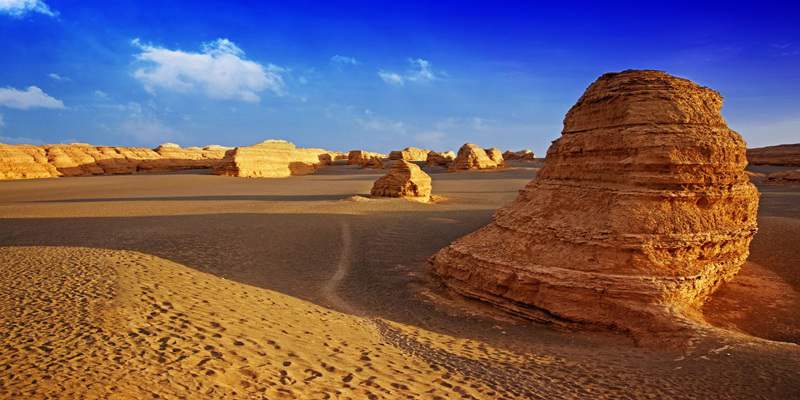
Yardang National Geopark
Additional Practical Tips for Your March Dunhuang Trip
For accommodation, we recommend choosing a hotel in downtown Dunhuang as your first choice. Downtown hotels have complete amenities, reliable heating, and are close to the Mogao Caves Digital Exhibition Center, as well as the city’s main dining and shopping streets, making travel extremely convenient. We don’t recommend prioritizing homestays near Mingsha Mountain in March; these properties are on the edge of the desert, where winds are stronger and temperatures much colder at night, with worse heating and insulation than downtown hotels, and no cost benefit in the off-peak season.
For food and drink, stick to a relatively light diet where possible, and eat plenty of fresh fruits and vegetables to replenish moisture and vitamins. Local dried fruits like Guangxing apricots and Hami melon are great snacks to help combat dryness, and are easy to carry on day trips. While Dunhuang’s famous beef, lamb, and donkey meat yellow noodles are absolutely worth trying, avoid excessive spicy, oily food, which can cause inflammation and gastrointestinal discomfort in the dry desert climate.
For transportation, on clear days, road conditions around Dunhuang and its main attractions are excellent, so self-driving, private car hire, and shared trips are all convenient. If you encounter a dusty day, visibility will drop significantly, so if self-driving, slow down, turn on your headlights, and maintain a safe distance from other vehicles. For private car hire, always choose a licensed, reputable local fleet with experienced local drivers, who know the Gobi terrain and weather patterns intimately, and can adjust your route quickly if conditions change.
Visiting Dunhuang in March? Here’s What It Actually Feels Like
If you’re thinking about going to Dunhuang in March, just know the weather isn’t “bad” – it’s just a bit unpredictable. One minute you’re walking around in the sun feeling pretty comfortable, and a few hours later you’re dealing with wind and wishing you had another layer. It didn’t ruin the trip for me, but I definitely had to adjust my plans a bit and not stick too strictly to a schedule.
On the plus side, March ended up being a really good time to visit. It’s much quieter, you don’t have to deal with big crowds at places like Mogao Caves, and the whole place feels more relaxed. The light in the desert is also surprisingly nice, especially around sunset. As long as you’re prepared for the wind and temperature swings, it’s actually a pretty rewarding time to go.