
For many travelers, Everest Base Camp is not simply a place on a map but a lifelong aspiration. Standing at the foot of the world’s highest mountain carries a symbolic weight that few destinations can match. Unlike technical mountaineering routes that demand years of training, the Tibet-side Everest Base Camp isEverest Base Camp Experience Explained: Weather, Accommodation, and Real Challenges accessible to ordinary travelers, making it one of the rare places where extreme geography meets human reach.
Understanding the Location and Altitude of Everest Base Camp in Tibet
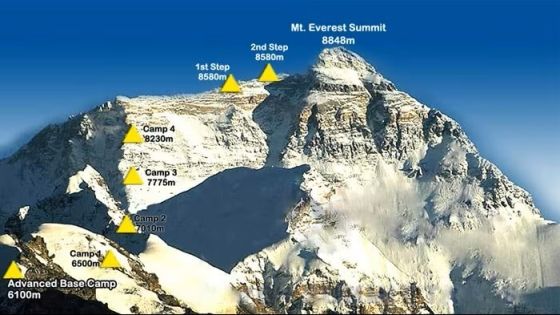
Everest Base Camp on the Tibetan side is located in Tingri County, Shigatse Prefecture, within the Qomolangma National Nature Reserve. Its elevation stands at approximately 5200 meters above sea level, placing it among the highest points that travelers can legally and safely reach by vehicle.
At this altitude, oxygen levels are roughly half of what they are at sea level. Even travelers in excellent physical condition may feel the effects of thin air. Understanding this reality is essential. Everest Base Camp is not dangerous by default, but it is unforgiving to those who underestimate altitude.
The Journey to Everest Base Camp as Part of the Experience
Most travelers begin their journey in Lhasa, gradually heading west toward Shigatse and Tingri. This route is intentionally slow, allowing the body to adapt step by step to rising elevation. The road itself becomes part of the reward.
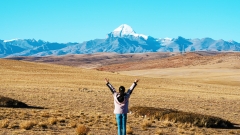
As the landscape changes from river valleys to wide plateaus, and finally to snow-dusted mountain passes, travelers witness the full geographical transition of the Tibetan Plateau. Small monasteries, yak herds, prayer flags, and remote villages punctuate the drive, reminding visitors that life continues even in extreme environments.
Reaching Everest Base Camp is not a sudden arrival but the final chapter of a long visual and physical progression.
Weather Conditions at Everest Base Camp Throughout the Year
Weather is one of the most unpredictable elements of the Everest Base Camp experience. Even during traditionally stable seasons, conditions can change rapidly within hours.
Spring brings relatively calm winds and improved visibility, making it a favored time for visitors. Temperatures remain cold, especially at night, but daytime sunshine can feel surprisingly warm. Summer introduces higher temperatures but also increased cloud cover, which can obscure the mountain for days at a time.
Autumn offers crisp air and excellent visibility, often considered the best season for photography. Winter, while harsh and extremely cold, provides clear skies and fewer visitors. Each season reshapes the experience, and none should be approached casually.
How Cold It Really Gets at Everest Base Camp
Regardless of season, cold is a constant companion at Everest Base Camp. Daytime temperatures may hover around freezing, while nighttime temperatures often drop well below zero. Wind amplifies the cold significantly, making it feel much harsher than thermometer readings suggest.
Proper insulation, windproof outer layers, and thermal accessories are not optional. Travelers who underestimate the cold often struggle more than those concerned about altitude.
Mount Everest
Accommodation Reality at Everest Base Camp
Accommodation near Everest Base Camp is basic by design. There are no hotels at the base camp itself. Travelers either stay in simple guesthouses in Tingri County or in tent camps closer to the base camp during peak seasons.
Tent accommodations are operated by local Tibetan families. Inside, travelers can expect simple beds, thick blankets, and minimal heating. Electricity is limited, and comfort is secondary to location. However, spending a night so close to Everest creates an atmosphere that no hotel could replicate.
For those prioritizing sleep quality, staying overnight in Tingri and visiting the base camp during the day is a practical alternative.
Food and Water Availability at High Altitude
Meals near Everest Base Camp are simple and carb-focused. Common options include noodles, rice, soups, and Tibetan-style dishes. Hot drinks such as tea are widely available and essential for maintaining body warmth.
Hydration is critical at altitude, yet many travelers drink less than needed due to cold temperatures. Warm water and herbal teas are preferable to cold beverages. Alcohol should be avoided entirely, as it worsens altitude symptoms and dehydrates the body.
High Altitude Sickness and What It Feels Like in Reality
High altitude sickness is often misunderstood. It does not discriminate by age, fitness, or experience. Common symptoms include headaches, shortness of breath, loss of appetite, and disrupted sleep.
Most cases are mild and manageable with rest and hydration. However, ignoring symptoms or pushing forward aggressively can lead to serious complications. Listening to one’s body is more important than reaching any viewpoint.
Acclimatization days in Lhasa and Shigatse significantly reduce the likelihood of severe reactions.
Physical Difficulty Versus Mental Challenge
From a technical standpoint, visiting Everest Base Camp does not require special skills. Roads reach close to the site, and walking distances are minimal. The difficulty lies elsewhere.
The mental challenge of operating in thin air, cold temperatures, and remote conditions can be more demanding than physical exertion. Simple actions such as climbing stairs or bending down feel different at altitude.
Understanding this distinction helps travelers set realistic expectations and enjoy the experience without frustration.
Sunset, Sunrise, and the Emotional Peak of the Journey
When weather allows, sunset at Everest Base Camp is unforgettable. As the sun lowers, the mountain gradually shifts from white to gold, then to deep orange and purple hues. These moments are fleeting and depend entirely on timing and patience.
Sunrise offers a quieter experience, often with fewer visitors and calmer winds. Watching the first light touch the summit creates a sense of stillness rarely found elsewhere.
These moments often become the emotional peak of the journey, surpassing the physical arrival itself.
Night Skies and the Silence of the Plateau
At night, Everest Base Camp transforms into a world of darkness and stars. With no urban light pollution, the Milky Way becomes visible to the naked eye. The silence is profound, broken only by wind and distant movement.
For many travelers, this sense of isolation becomes one of the most powerful memories of the trip.
Photography Tips Without Obsession
While Everest is one of the most photographed mountains on Earth, capturing it well requires restraint rather than constant shooting. Cloud movement determines visibility, and waiting often yields better results than rushing.
Wide-angle lenses are effective for capturing scale, while patience matters more than equipment. Sometimes, simply standing still and observing creates a deeper connection than taking photos.
Cultural Awareness and Respect at Everest Base Camp
Everest is not just a natural landmark but a sacred mountain in Tibetan culture. Prayer flags, stone stacks, and small shrines reflect spiritual reverence.
Travelers should avoid climbing on religious structures, touching offerings, or behaving disrespectfully for photographs. Quiet observation aligns better with the spirit of the place.
Environmental Responsibility in a Fragile Region
The ecosystem around Everest Base Camp is extremely fragile. Waste decomposes slowly, and human impact lasts far longer than in lower environments.
Visitors are expected to carry out all trash, minimize plastic use, and follow designated paths. Responsible behavior ensures that future travelers can experience the area in its natural state.
Is Everest Base Camp Worth It for First-Time Tibet Travelers
For many, Everest Base Camp feels intimidating, but it can be an excellent goal for first-time Tibet visitors if planned properly. Gradual altitude gain, realistic expectations, and adequate preparation make the experience accessible.
The sense of achievement comes not from difficulty but from presence. Simply being there is enough.
The Role of Planning and Local Expertise
Due to permits, weather uncertainty, and altitude considerations, planning plays a major role in the success of an Everest Base Camp journey. Flexible itineraries and local knowledge allow adjustments when conditions change.
Travelers working with experienced local operators often find the journey smoother and safer. Companies like China Dragon Travel, with long-standing experience in Tibet travel, help ensure that visitors focus on the experience rather than logistics.
Begin a Mount Everest journey
Everest Base Camp is not a destination that impresses instantly. Its power unfolds slowly, through discomfort, silence, and scale. The thin air sharpens perception, while the landscape humbles ambition.
For those willing to respect the environment and their own limits, the journey to Everest Base Camp becomes more than travel. It becomes a personal encounter with the extremes of the natural world, guided not by conquest but by understanding.