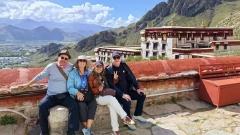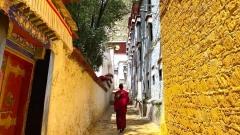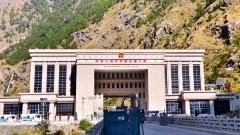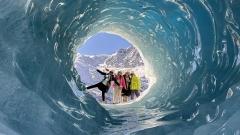

People planning to travel to Tibet usually have many questions. As a high-altitude region, Tibet differs greatly in travel conditions from low-altitude areas. What documents are needed to enter Tibet, how to deal with altitude sickness, choose transportation, check accommodation, and use payment and communication. Figuring these out before departure avoids rush upon arrival. This article sorts out thirteen common Tibet travel questions, explaining them one by one from document handling to daily details. All content is compiled from real travel experience. Reading this before departure helps plan your itinerary smoothly and makes every journey step more calm.
What Documents Are Required for Travel to Tibet?
Tibet Travel Permit, full name Approval Letter for Foreigners and Taiwan Compatriots to Travel to Tibet, is issued by the Department of Culture and Tourism of Xizang Autonomous Region. It is two A4-sized papers printed with tourist information, itinerary and receiving travel agency, stamped with an official seal and an anti-counterfeiting QR code.
Key Application Information:
- Required for: Foreign passport holders, overseas Chinese without Chinese ID cards, Taiwan compatriots with Taiwan Compatriot Permits. Hong Kong and Macao residents do not need to apply.
- Not required for: Chinese passport holders (including Hong Kong and Macao residents). Chinese passport holders with valid US Green Cards or Canadian Permanent Resident Cards do not need a Tibet Travel Permit to enter Tibet, but a border permit is required to visit border areas with a Chinese ID card.
- Application method: Must be entrusted to a local travel agency in Tibet with foreign-related qualifications; the Tibet Travel Permit is part of the travel package.
- Required materials: Copy of passport (valid for at least six months), copy of Chinese visa page (except for visa-free countries) and itinerary information.
- Processing time: 7 to 15 working days; it is recommended to apply one month in advance.
- Important Update (2026): Starting from March 13, 2026, the original Tibet Travel Permit is required for both train and air travel to Tibet; copies are no longer accepted.
The Tibet Travel Permit is kept by the tour guide uniformly, and the fee is usually included in the group tour fee. Diplomats and foreign journalists cannot apply for a tourist Tibet Travel Permit.
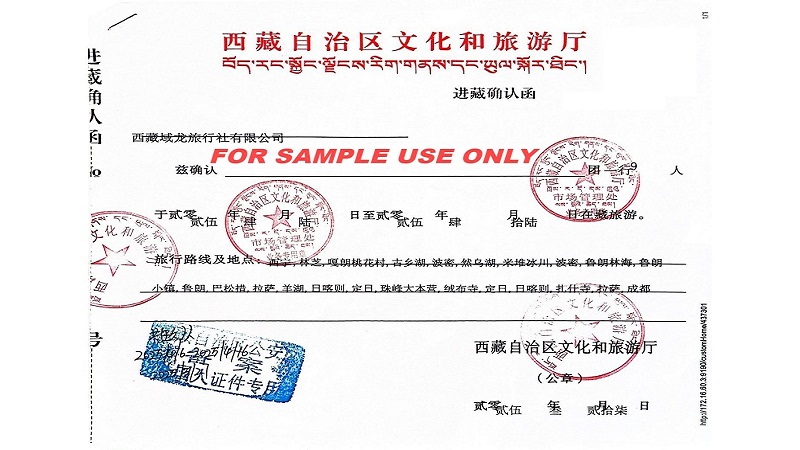
China Dragon Travel Agency – Tibet Travel Permit
How to Prevent and Deal with Altitude Sickness When Traveling in Tibet?
Tibet has an average altitude of over 4,000 meters, with oxygen content about 55% to 60% of that in plain areas. It is a normal physiological reaction to feel unwell when entering the plateau from low altitudes.
Prevention and Response Tips:
- Unsuitable groups: People with severe hypertension, heart disease or asthma are not advised to travel to Tibet. Do not enter Tibet if you have a cold; arrange the trip after recovery.
- Mindset and pace: Tension will worsen the reaction; stay relaxed. Avoid strenuous exercise after arrival, and do not take a bath in the first three days to reduce oxygen consumption.
- Diet and supplements: Eat light food, drink plenty of warm water, avoid alcohol and coffee. You can take Rhodiola Rosea or Gao Yuan An in advance, and carry a portable oxygen cylinder with you.
- Seek medical attention: If you have persistent severe headache, vomiting, difficulty breathing or confusion, take oxygen immediately, descend to a lower altitude and contact a medical institution.
- Insurance: Altitude sickness is acute, not covered by regular accident insurance. Choose a plan with acute medical coverage: recommended medical sum ≥ 300,000 CNY, emergency rescue ≥ 500,000 CNY.
It is a misconception that oxygen inhalation causes dependence; reasonable short-term oxygen inhalation helps relieve discomfort.
How to Choose Transportation to Enter Tibet?
There are two main ways to enter Tibet: by plane and by train. Many tourists choose to enter Tibet by plane and leave by train, first flying to Lhasa to adapt to the altitude, then enjoying the scenery by train.
Key Transportation Information:
- By plane: Lhasa Gonggar Airport provides direct flights to major Chinese cities including Chengdu (2-3 hours), Beijing, Shanghai, and Guangzhou, as well as Kathmandu, Nepal. Although flying saves time, the rapid altitude increase can lead to more immediate altitude-related discomfort.
- By train: The Qinghai-Tibet Railway takes about 20 hours from Xining to Lhasa, passing through Qinghai Lake, Hoh Xil and Tanggula Pass. The train is equipped with diffuse oxygen supply; it is recommended to book tickets one month in advance.
- Free travel restrictions: Foreign and Taiwan tourists cannot travel independently; they must arrange vehicles and tour guides through travel agencies.
- Ticket reminder: Train tickets can be purchased 15 days in advance on the official system, but they are in high demand all year round. It is recommended to book through travel agencies. The Tibet Travel Permit must be completed before departure, otherwise you cannot board the train.
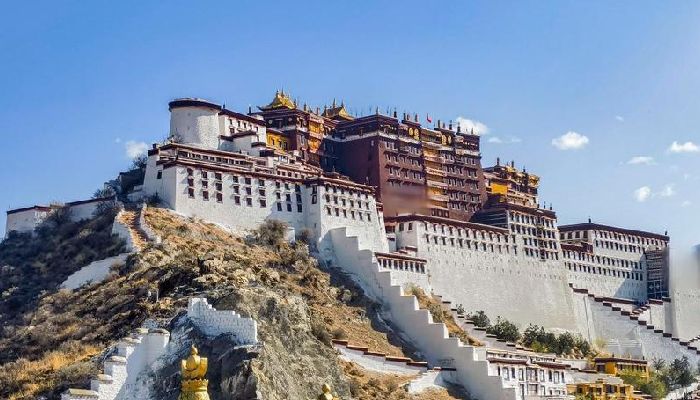
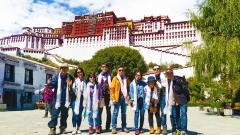
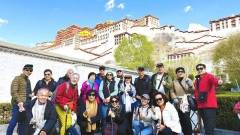
Potala Palace in Tibet
What Is the Approximate Budget for Travel in Tibet?
Expenses vary from person to person, depending on accommodation level, group tours or private car rentals and travel seasons.
Cost Composition Tips:
- Long-distance transportation: Flight or train tickets to and from Tibet are the main expenses, with large price differences between peak and off seasons.
- Local transportation: Usually included in the group tour fee for group tours; private car rentals are priced by vehicle type and distance, and group tours are more economical.
- Accommodation: Ranging from budget to five-star hotels, prices are significantly higher in peak season than in off season.
- Tickets: Separate tickets are required for Potala Palace, Nam Co, Everest Base Camp and other scenic spots, with a considerable total cost.
- Catering: A meal in an ordinary restaurant costs about dozens of CNY.
- Money-saving tips: Travel in off season (winter), join small group tours, book in advance.
The budget is for reference only; it is recommended to compare quotes from several travel agencies before departure.
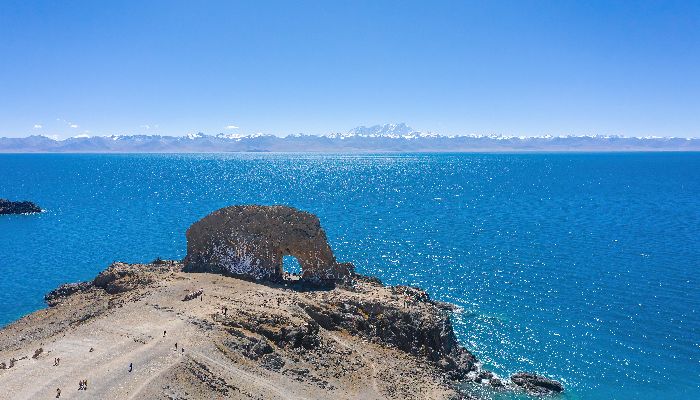
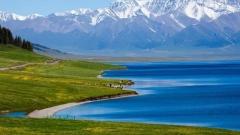
Nam Co in Tibet
What Are the Accommodation Conditions in Tibet?
In major cities such as Lhasa, Nyingchi and Xigaze, there are accommodations ranging from budget guesthouses to international five-star hotels. Three to four-star hotels are usually sufficient, with clean rooms, heating and stable hot water supply. The best hotels in Lhasa may differ from those of the same level in low-altitude areas.
Accommodation Practical Tips:
- Remote scenic spots such as Everest Base Camp and Mount Kailash are mostly multi-bed guesthouses or tent hotels, which may not have independent bathrooms, hot water or sufficient heating. Be mentally prepared before departure.
- Popular hotels in downtown Lhasa are often fully booked and expensive in peak season. It is recommended to book rooms for the first few nights after arrival one to two months in advance; comfortable accommodation helps adapt to the plateau.
What Catering Options Are Available for Travel in Tibet?
Lhasa downtown has a wide range of catering options, including Tibetan food, Sichuan cuisine, Northwest Chinese noodles, and Western fast food such as hamburgers and pizza.
Catering Practical Tips:
- Tibetan food specialties: Tsampa, Tibetan noodles, yak meat, butter tea, sweet tea. Sweet tea tastes similar to milk tea and is widely accepted; you can start with it.
- There are very few restaurants in remote areas (Everest Base Camp, Nam Co, etc.) and prices are high. It is recommended to carry dry food such as biscuits, chocolate and energy bars with you.
- Be sure to inform the travel agency or tour guide in advance if you have special dietary needs (vegetarian, food allergies); do not handle it after arrival.
How Is the Network and Communication in Tibet?
In cities such as Lhasa, Xigaze and Nyingchi, 4G/5G mobile signals are stable, and most hotels and restaurants provide free Wi-Fi.
Communication Tips:
- Signals are intermittent on the way to remote scenic spots away from cities. There may be no signal at all along Everest Base Camp and Ngari areas.
- It is recommended to inform relatives and friends of possible periods of no contact before entering mountainous areas.
What Payment Methods Are Available for Travel in Tibet?
Most shops, restaurants and hotels in downtown Lhasa accept WeChat Pay and Alipay. There are 95 foreign currency exchange outlets in Tibet, which can exchange 21 foreign currencies.
Payment Tips:
- Vendors, small shops, temporary toilets and some scenic spot tickets in remote areas only accept cash.
- It is recommended to carry several hundred to one thousand CNY in cash. International credit cards are rarely accepted in Tibet.
- If you fail to exchange RMB in time after entry, you can do it at the bank branch of Lhasa Gonggar Airport.
Is Travel in Tibet Safe?
Tibet has a sound social security system and simple folk customs. The main safety risks come from the geographical and climatic environment.
Safety Tips:
- Solo travelers should slow down their pace. It is recommended to join group tours or go with companions when traveling to remote areas; do not enter mountains alone.
- Pay attention to official weather and road condition updates. High-altitude roads are prone to snow and ice in rainy and snowy weather. Prepare anti-skid equipment and avoid going to cliff valleys and unopened areas.
- Try to travel in groups after dark.
- Be sure to join group tours through formal travel agencies; do not enter undeveloped areas or take illegal adventures.
What Clothing and Equipment Should You Bring for Travel in Tibet?
The temperature changes greatly within a day in Tibet. It is hot in the sun and turns cold quickly after the wind blows. Onion-style dressing is the most practical.
Essential Checklist:
- Clothing: Down jacket or fleece jacket, windproof and waterproof coat, long-sleeve sweat-wicking shirt, warm pants, woolen hat and gloves, scarf or face mask.
- Protection: Sunscreen with SPF50+, lip balm, sunglasses, insulated water bottle.
- Medicine: Rhodiola Rosea or Gao Yuan An, cold medicine, gastrointestinal medicine, painkillers. A full set of warm equipment is necessary above 4,000 meters.
Do not pack too much luggage, but warmth and sun protection cannot be omitted.
How to Distinguish Between Peak and Off Seasons for Travel in Tibet?
Peak season is concentrated in mild weather months (May to October), with the best scenery but large crowds, high prices and tight accommodation.
Comparison Between Peak and Off Seasons:
- Peak season: Real-name reservation for Potala Palace. Full-price tickets: 200 CNY per person for Line 1, 100 CNY per person for Line 2. Crowded tourists, higher risk of altitude sickness due to direct flights, and possible rainy season.
- Off season: Cold weather, some high-altitude roads may be closed, but fewer tourists, lower prices, and discounted tickets for many scenic spots. Potala Palace off-season tickets: 100 CNY per person for Line 1, 50 CNY per person for Line 2.
- Transition months (April, November): The weather warms up or is not yet severe cold, with fewer tourists, the best cost-performance and experience.
Do You Need to Buy Insurance for Travel in Tibet?
It is strongly recommended to buy insurance, which should cover medical expenses and emergency rescue caused by altitude sickness.
Key Points for Insurance Purchase:
- Altitude sickness is an acute disease, not covered by many ordinary accident insurances. You must choose a product with medical and death benefits for acute diseases.
- It is recommended that the medical insurance amount is not less than 300,000 CNY, and the emergency rescue amount is not less than 500,000 CNY.
- Medical resources in Tibet are limited, and evacuation costs are high. Insurance is not expensive, but an extra guarantee can reduce risks.
What Etiquette and Taboos Should You Follow When Travel in Tibet?
Respecting Tibetan culture and religious habits is not only respect for others but also helpful for a smooth journey.
Core Etiquette Guide:
- Entering temples: Take off your hat, keep quiet, turn prayer wheels clockwise, do not take photos in no-photograph areas, and do not touch Buddha statues and offerings.
- Getting along with people: Ask for permission before taking photos; do not point at temples or stupas with your fingers; do not eat taboo meat; do not step on thresholds or stretch your legs towards Buddha statues.
- Special occasions: It is strictly forbidden to watch or take photos at celestial burial platforms; do not discuss sensitive political and religious topics privately; do not enter military restricted zones without permission.
Key Preparations Before Travel in Tibet
The smoothness of a trip to Tibet depends on pre-departure preparations. Complete the Tibet Travel Permit in advance, allow time for your body to adapt to the plateau, choose the right transportation, and bring all necessary clothing and medicine. These details ensure peace of mind and comfort during the trip. Travelers planning a trip to Tibet can consult experienced service providers for preparation advice. China Dragon Travel provides document handling, vehicle arrangement and itinerary suggestions. We hope the above answers can help you eliminate pre-departure doubts, embark on your trip to Tibet with a clear plan, and have a safe and smooth journey with unforgettable plateau memories.