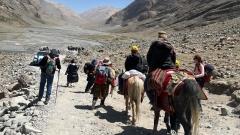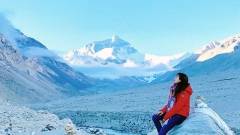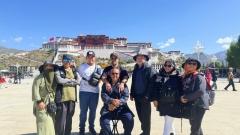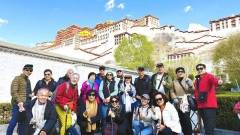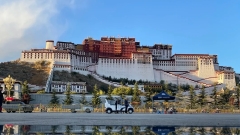

Tibet has long been one of the world’s most fascinating and mysterious travel destinations. Towering snow-capped mountains, vast high-altitude landscapes, deep-rooted spiritual traditions, and a unique Tibetan culture make this region unlike anywhere else on earth.
However, precisely because of its high altitude, distinct environment, and strong cultural identity, Tibet is not a destination to approach without preparation—especially for first-time visitors. Travelers who arrive without sufficient knowledge often face discomfort, confusion, or unintended cultural missteps.
This guide is written specifically for first-time travelers to Tibet. It focuses on four essential aspects of travel that are often overlooked: clothing, accommodation, etiquette, and language. Understanding these basics will help you travel more comfortably, respectfully, and confidently while experiencing the real Tibet.
1. What to Wear in Tibet: Warmth, Sun Protection, and Layering
1.1 Understanding Tibet’s Climate
Tibet’s climate is shaped by its high elevation and plateau geography. Travelers should be prepared for:
-
Large temperature differences between day and night
-
Strong ultraviolet (UV) radiation
-
Dry air and low humidity
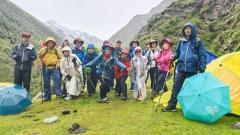
Even in summer, temperatures can drop sharply after sunset. Proper clothing is not about fashion—it is about safety and comfort.
1.2 The Best Clothing Strategy: Layered Dressing
For first-time visitors, the most practical approach is layered clothing, often referred to as the “onion system”:
-
Base layer: Moisture-wicking and breathable clothing
-
Mid layer: Insulating items such as fleece or light down jackets
-
Outer layer: Windproof and waterproof jackets
This system allows you to adapt easily to changing weather and activity levels.
1.3 Seasonal Clothing Recommendations
-
Spring & Autumn (March–May, September–October): Down jackets or thick fleece are essential
-
Summer (June–August): Light jackets for daytime; warm layers for evenings
-
Winter (November–February): Heavy down jackets, thermal underwear, insulated footwear
Regardless of the season, long sleeves and long pants are strongly recommended to protect against sun and cold.
1.4 Essential Accessories for Tibet
Due to the intense sunlight and dry climate, the following items are highly recommended:
-
Sunglasses with UV protection
-
Sunscreen (SPF 50+)
-
Wide-brim hat or scarf
-
Lip balm and moisturizer
In Tibet, sun protection is not optional—it is a key part of staying healthy.
2. Accommodation in Tibet: Comfort Matters More Than Star Ratings
2.1 What to Expect from Tibetan Accommodation
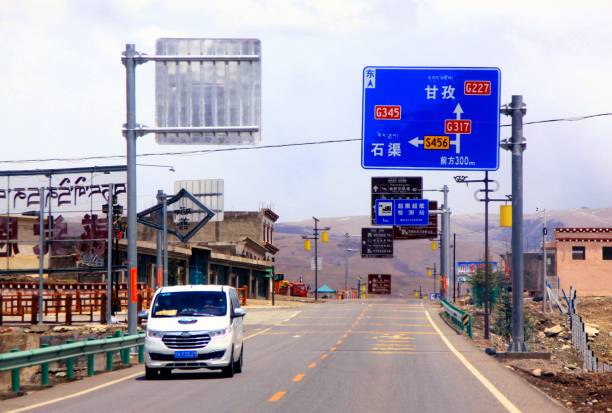
Accommodation standards in Tibet can vary significantly from those in major cities or Western countries. In remote regions such as Ngari (Ali) or Nagqu, facilities may be basic even in hotels labeled as “three-star” or “four-star.”
For first-time visitors, it is important to prioritize:
-
Cleanliness
-
Warmth
-
Safety
Overly high expectations often lead to disappointment, while realistic expectations lead to a more enjoyable experience.
2.2 Differences Between Lhasa and Other Regions
-
Lhasa: Wide range of hotels, including international chains and boutique Tibetan-style lodges
-
Shigatse & Nyingchi: Moderate comfort, limited options
-
Remote areas: Guesthouses or simple local hotels
First-time travelers are advised not to spend their first nights in very remote areas.
2.3 Oxygen Supply and Humidifiers
Some high-altitude hotels offer:
-
In-room oxygen supply (non-medical)
-
Humidifiers
These features may improve comfort, but they are not essential. Adequate rest, hydration, and a slow travel pace are far more effective in helping your body adapt to altitude.
2.4 Accommodation Tips for Beginners
-
Avoid showering immediately after arrival, especially on the first night
-
Keep warm at night
-
Avoid alcohol during the initial days
These small precautions can make a big difference in how you feel.
3. Cultural Etiquette in Tibet: Respect Is the Best Travel Companion
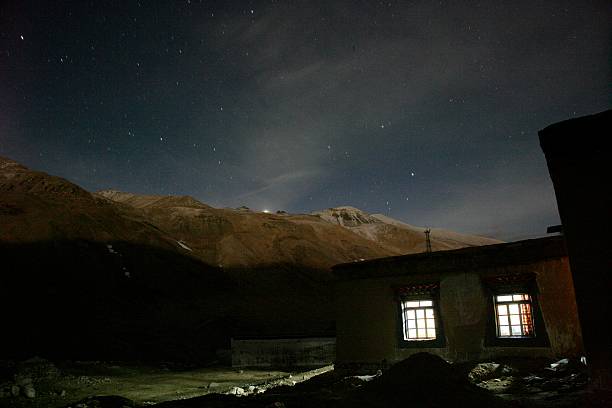
Tibet is not only a destination of natural beauty but also a land of deep spiritual devotion. Respecting local customs is essential for a meaningful and welcomed travel experience.
3.1 Visiting Monasteries and Temples
When entering monasteries:
-
Dress modestly (no sleeveless tops or short pants)
-
Remove hats and speak quietly
-
Do not photograph monks, rituals, or statues without permission
Monasteries are active religious spaces, not museums.
3.2 Circumambulation and Prayer Wheels
-
Always walk clockwise when circling monasteries, stupas, or prayer wheels
-
Never walk in the opposite direction or step over religious objects
These practices are deeply symbolic in Tibetan Buddhism.
3.3 Interacting with Local People
-
Avoid touching someone’s head
-
Do not point at religious objects or monks
-
Use both hands when giving or receiving items
Simple gestures of respect are highly appreciated and often warmly reciprocated.
4. Language in Tibet: Communication Tips for Travelers
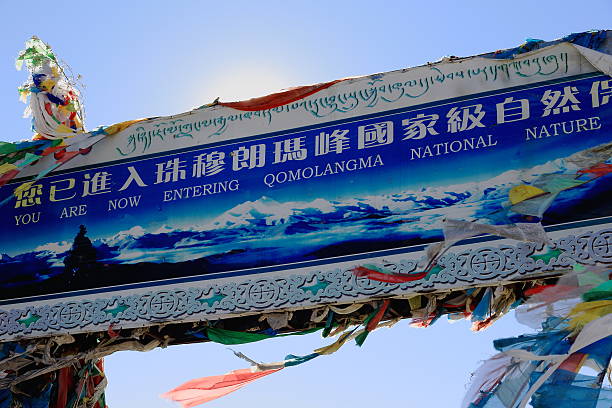
4.1 Commonly Used Languages
-
Tibetan: Primary local language
-
Mandarin Chinese: Widely spoken in cities and tourist areas
-
English: Limited use, especially in rural regions
For first-time visitors, traveling with a guide is highly recommended.
4.2 Useful Tibetan Phrases
Learning a few basic Tibetan words can be a great way to show respect:
-
Hello / Blessings: Tashi Delek
-
Thank you: Tu-je che
-
Goodbye: Ka-le phe
Perfect pronunciation is not necessary—effort is what matters.
4.3 Communication Tips
-
Speak slowly and clearly
-
Use simple sentences
-
Be patient and polite
A smile and respectful attitude often bridge any language gap.
Tibet is not a typical travel destination, but for those who prepare properly, it offers an experience unlike any other. Understanding what to wear, where to stay, how to behave, and how to communicate allows first-time visitors to move beyond surface-level sightseeing and truly connect with the land and its people.
With thoughtful preparation and an open mind, your first journey to Tibet can become not just a trip, but a meaningful and unforgettable life experience.