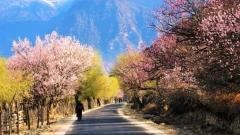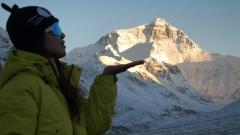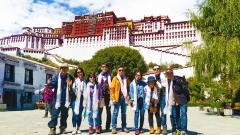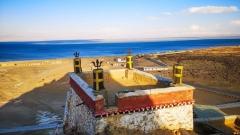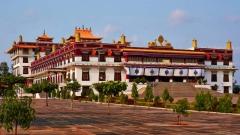

The Golmud to Lhasa train is the most representative section of the Qinghai-Tibet Railway, stretching approximately 1,142 kilometers and connecting magnificent landscapes such as the Kunlun Mountains, Hoh Xil, and Tanggula Mountains. It is the essence of the “train to Lhasa” journey in the hearts of many travelers. This train is not only a convenient means of transportation but also a mobile landscape platform, allowing tourists to gradually adapt to the plateau altitude in a comfortable environment. Below, we provide a detailed Golmud to Lhasa train travel guide from the aspects of practical information, along-the-route landscapes, and travel preparations to help you enjoy this Heavenly Road journey to the fullest.
Basic Information about the Golmud to Lhasa Train
As an important section of the railway to Tibet, the operation information of the Golmud to Lhasa train directly affects travel arrangements. Currently, all trains on this route are non-stop express trains, with a travel time of approximately 12 to 14 hours. There are abundant ticket types to meet the needs of different tourists. Mastering this basic information is the first step to a smooth journey.
Latest Train Schedule and Travel Duration
- Diverse Departure Times: Multiple Golmud to Lhasa trains depart every day, covering early morning, evening, night and other time periods, allowing tourists to choose flexibly according to their own itineraries.
- Train Z223: Departs Golmud at 18:49 and arrives in Lhasa at 07:41 the next day, with a total travel time of 12 hours and 52 minutes, which is relatively short.
- Train Z21: Departs at 22:07 and arrives at 11:42 the next day, with a total travel time of 13 hours and 35 minutes, suitable for tourists who prefer to travel at night and arrive during the day.
- Train Z265: Departs at 00:54 and arrives in Lhasa at 14:54, allowing you to fully enjoy most of the landscapes along the route during the day.
- Train Z165: Departs at 01:56 and arrives in Lhasa at 15:30, allowing you to fully enjoy most of the landscapes along the route during the day.
- Notes: Train schedules may be adjusted according to seasons. It is recommended to check the latest information through the official 12306 platform before traveling.
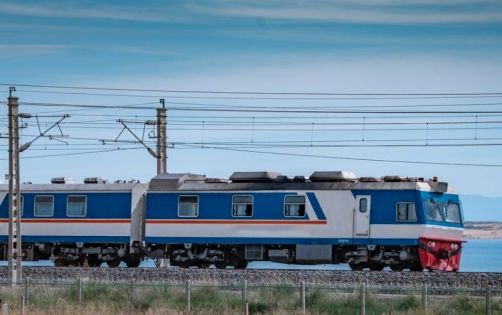
Qinghai–Tibet Railway Train
Ticket Price System and Practical Ticket Purchasing Tips
The ticket prices of the Golmud to Lhasa train are relatively stable, with significant differences between different seat classes. The specific ticket price information is shown in the following table:
| Seat Class | Ticket Price (CNY) |
| Hard Seat | 141.5 |
| Upper Hard Sleeper | 358.5 |
| Middle Hard Sleeper | 366.5 |
| Lower Hard Sleeper | 375.5 |
| Upper Soft Sleeper | 564.5 |
| Lower Soft Sleeper | 581.5 |
| Standing Room | 141.5 |
Among them, standing room tickets are usually in short supply. Considering comfort, it is recommended to prioritize hard sleepers or soft sleepers for long-distance plateau travel. Sufficient rest helps reduce altitude sickness.
In terms of ticket purchasing, due to the tight supply of train tickets to Tibet, especially during the peak tourist season (June-September), it is recommended to purchase tickets in a timely manner when they go on sale 15 days in advance. Tickets can be purchased through the official 12306 website, app, or railway station windows. You need to bring your original ID card when purchasing tickets, and foreign tourists also need to prepare a Tibet Travel Permit. If direct tickets are sold out, you can consider a transfer plan. The common transfer location is Nagqu. For example, take Train Z21 to Nagqu and then transfer to Train Z265 to Lhasa. The total travel time is 16 hours and 47 minutes, and the total ticket price is about 155.5 CNY. Although the travel time is slightly longer, it can solve the problem of tight ticket supply.
Landscapes Along the Golmud to Lhasa Train Route
After departing Golmud, the train enters the hinterland of the Qinghai-Tibet Plateau. The altitude along the route gradually rises from 2,800 meters to the Tanggula Pass at 5,072 meters. Each section of the journey allows you to enjoy unique plateau landscapes. Below, we sort out the must-see attractions and viewing tips along the route to ensure you don’t miss any wonderful scenery.
Kunlun Mountains Section: The Majestic Charm of the Ancestor of All Mountains
The Kunlun Mountains section is the first scenic highlight along the Golmud to Lhasa train route. Here, there is not only the majestic charm of the Ancestor of All Mountains but also the iconic Yuzhu Peak scenery. It is also the initial stage of adapting to the plateau altitude.
- Core Landscapes: Kunlun Mountain Pass (altitude 4,772 meters), Yuzhu Peak (altitude 4,195 meters, training base of the Chinese Mountaineering Team)
- Viewing Tips: It is recommended to sit by the left window of the train. In the early morning, you can enjoy the golden glow of the snow-capped mountain range.
- Travel Tips: Exercise moderately, avoid strenuous exercise, and gradually adapt to the plateau altitude.
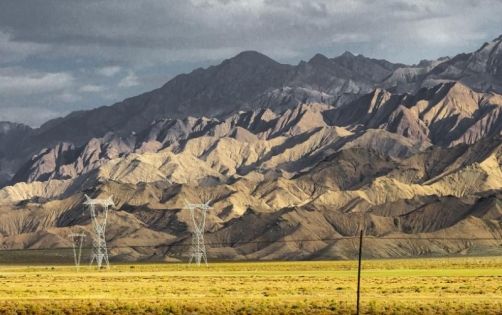
Kunlun Mountains
Hoh Xil Section: A Paradise for Wild Animals
The Hoh Xil section is one of the most anticipated scenic spots along the Golmud to Lhasa train route. Although it is a plateau forbidden area, it is a habitat for various wild animals, which can bring tourists a unique ecological viewing experience.
- Regional Attribute: Hoh Xil National Nature Reserve, with an average altitude of 4,600 meters
- Animal Resources: A paradise for wild animals such as Tibetan antelopes, wild yaks, and Tibetan gazelles
- Viewing Points: The train travels for about 2 hours and 40 minutes. Keep an eye on the left window. It is easy to see groups of Tibetan antelopes in the early morning or evening.
- Ecological Protection: Do not make loud noises to avoid disturbing wild animals.
Three-River-Source Section: The Beauty of the Source of China’s Water Systems
The Three-River-Source section gathers the beauty of the source of China’s water systems. The Tuotuo River, as one of the sources of the Yangtze River, combined with scattered lakes and wetlands, constitutes a unique plateau wetland landscape, like a painting.
- Core Attractions: Tuotuo River (one of the sources of the Yangtze River, altitude 4,547 meters), Yangtze River Source Monument, Three-River-Source Hinterland (birthplace of the Yangtze River, Yellow River, and Lancang River, known as China’s Water Sea)
- Scenic Features: Clear river water, scattered lakes and wetlands, grasslands, lakes and distant mountains set off each other beautifully.
Tanggula Mountains Section: The Highest Point of the World’s Railways
The Tanggula Mountains section is the highest altitude section along the Golmud to Lhasa train route and also the highest point of the world’s railways. The scene of the train whistling in tribute and the prayer flags fluttering when passing through the pass is solemn and shocking.
- Key Data: Tanggula Pass, with an altitude of 5,072 meters, is the highest point of the world’s railways; Yanshiping Station, with an altitude of 4,921 meters, is the boundary between Qinghai and Tibet.
- Characteristic Experience: The train whistles in tribute when passing through the pass, and prayer flags flutter outside the window.
- Travel Tips: Reduce movement, sit quietly and rest, and properly supplement energy foods such as chocolate to relieve discomfort.
Northern Tibet Grassland Section: The Encounter Between the Holy Lake and the Grassland
The Northern Tibet Grassland section marks the official entry into the Tibet Autonomous Region. Here, there is Cuona Lake, regarded as a holy lake by Tibetans, and the vast Changtang Grassland. The encounter between the holy lake and the grassland shows the unique charm of Northern Tibet’s scenery.
- Core Attractions: Cuona Lake (an important fresh water source for Lhasa, a holy lake for Tibetans, the railway is only 20 meters away from the lake at the closest point), Changtang Grassland (the largest grassland in Tibet)
- Viewing Highlights: The clear water reflecting the snow-capped mountains is like a fantasy land. The grassland stretches to the horizon, with cattle and sheep scattered on it, and the wetlands shine brightly.
- Special Note: Cuona Lake is not open to the public. Taking the Golmud to Lhasa train is the only way to enjoy its beautiful scenery.
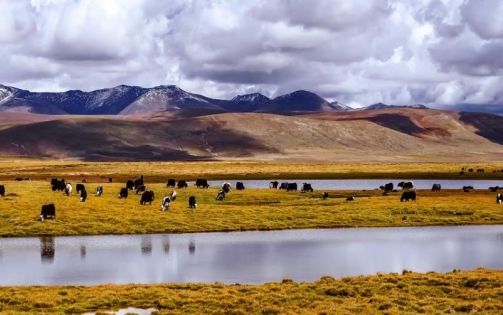
Northern Tibet Grassland
Travel Preparations for the Golmud to Lhasa Train
Plateau travel has certain requirements for the body and equipment. Making full preparations before taking the Golmud to Lhasa train can effectively improve the travel experience and reduce discomfort caused by altitude sickness. Below are detailed suggestions from the aspects of physical preparation, items to bring, and travel notes.
Physical Preparation and Coping with Altitude Sickness
It is necessary to make full physical adaptation in advance before taking the Golmud to Lhasa train, and at the same time understand the ways to cope with altitude sickness during the journey, so as to better adapt to the plateau environment. The following are specific preparation and coping points:
- Pre-Tibet Medical Examination: It is recommended to undergo a comprehensive physical examination to confirm that there are no serious cardiopulmonary diseases, hypertension and other underlying diseases.
- Medication Preparation: For mild discomfort, you can take Rhodiola rosea one week in advance under the guidance of a doctor. Note that it can only help the body adapt in advance and cannot completely avoid altitude sickness.
- Attitude Adjustment: Maintaining a good attitude and gradually adapting to altitude changes is the key.
- Oxygen Supply Guarantee on the Train: The train is equipped with diffused oxygen supply throughout the journey, and each seat class is equipped with an independent oxygen inhalation port. Oxygen tubes can be obtained free of charge from the train staff.
- Medical Support: Each train is equipped with full-time medical staff. If you feel seriously unwell, you can seek medical help in a timely manner.
- Taboos During the Journey: Avoid smoking and drinking, reduce strenuous exercise, and eat a light diet without overeating.
Essential Items List
The plateau climate and environment are special. Taking suitable items when taking the Golmud to Lhasa train can ensure travel comfort and safety. The following is a classified list of essential items:
- Clothing: Warm clothing such as thick coats and down jackets, it is recommended to wear in layers for easy addition and removal; sun protection products such as sunscreen, sunglasses, sun hats, and scarves.
- Medications and Energy Foods: Anti-altitude sickness drugs, cold medicine, diarrhea medicine and other commonly used drugs; energy foods such as chocolate, beef jerky, and glucose oral liquid.
- Other Essential Items: ID card, foreign tourists need to prepare a Tibet Travel Permit; power bank, camera; thermos (hot water is provided on the train); you can buy fresh fruits in advance to supplement vitamins.
Notes During the Train Journey
Standard travel procedures and good travel habits can make the Golmud to Lhasa train journey smoother and safer. The following are the key notes for the entire travel process:
- Waiting Stage: Carefully check the train number, departure time and station information; during the peak tourist season, it is recommended to arrive at Golmud Station 1 hour in advance to wait for the train.
- Boarding Stage: Submit the completed passenger health registration card to the conductor of your carriage.
- Transfer Tips: Some trains require all passengers to transfer at Xining Station. Obey the guidance of the staff and properly keep personal belongings.
- During the Journey: Abide by the train regulations, do not smoke or make loud noises; do not lean out of the window when enjoying the scenery, and prepare the camera in advance to adjust the parameters.
After Arriving in Lhasa: Smoothly Connecting to the Subsequent Journey
After arriving at Lhasa Station, you need to continue adapting to the plateau environment and avoid strenuous activities. Lhasa Station is located in the urban area, and you can choose subway, bus, or taxi to go to the hotel. It is recommended to rest for 1-2 days before starting the journey, and prioritize visiting low-altitude attractions in the urban area such as the Potala Palace and Jokhang Temple; choose regular restaurants for meals, mainly Tibetan food and Sichuan food, and avoid raw and cold food. Mild altitude sickness can be relieved by resting and drinking more water. If symptoms worsen, you need to seek medical treatment in a timely manner.
The Golmud to Lhasa train journey is not only a means of transportation but also a shocking plateau experience. Attractions such as the Kunlun Mountains and Hoh Xil along the route are uniquely charming. Mastering practical information and making full preparations in advance can help you enjoy this Heavenly Road journey to the fullest, start a perfect chapter of your Tibet trip, and leave unique memories.