
Nyingchi Gongbu New Year is a New Year celebration observed by the Gongbu people in the Nyingchi area of Tibet on the first day of the tenth lunar month in the Tibetan calendar. Its customs are significantly different from the common Tibetan New Year. For travelers who wish to deeply understand the local Tibetan culture, personally participating in this festival is a unique experience. This guide aims to provide comprehensive travel information about Nyingchi Gongbu New Year, including the specific time of the festival, core traditional customs, best places to experience it, as well as detailed itinerary planning suggestions covering transportation, accommodation, and etiquette, to assist you in efficiently organizing a culture-themed trip.
Historical Origin and Cultural Significance of Nyingchi Gongbu New Year
Understanding the origin of Nyingchi Gongbu New Year helps to gain a deeper insight into its festival customs. According to local legends, the ancient Gongbu area was threatened by war, and the soldiers going to battle could not reunite with their families during the traditional Tibetan New Year (the first day of the first lunar month in the Tibetan calendar). To allow the soldiers to enjoy the New Year reunion and receive blessings before the war, the local leader decided to advance the New Year celebration to the first day of the tenth lunar month in the Tibetan calendar. This tradition has continued to this day, forming the unique Nyingchi Gongbu New Year.
Therefore, the cultural connotation of Nyingchi Gongbu New Year is closely centered on the themes of “family reunion”, “praying for peace” and “remembering history”. Various rituals and activities during the festival reflect wishes for the health of family members, smooth life, and emphasis on community unity.
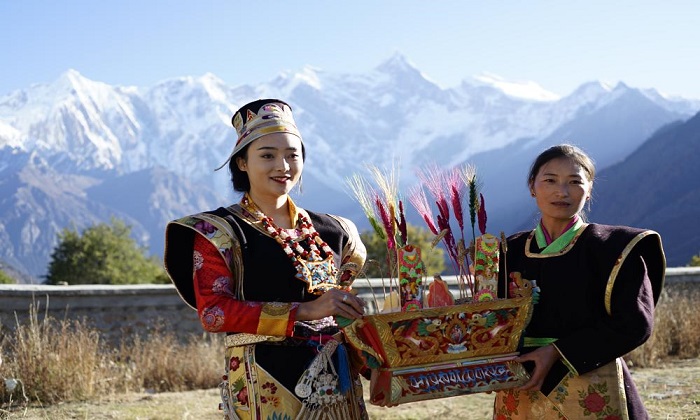
Gongbu New Year in Nyingchi
Main Customs and Activity Experiences of Nyingchi Gongbu New Year
The celebration activities of Nyingchi Gongbu New Year usually start on the evening of the 29th day of the ninth lunar month in the Tibetan calendar, with a complete set of traditional processes.
“Inviting Dogs to Feast” and “Expelling Ghosts” Rituals of Gongbu New Year
On the 29th day of the ninth lunar month in the Tibetan calendar, families carry out two important preparations. First is the “inviting dogs to feast” – family members place various New Year foods such as tsampa, mutton, and pastries on a plate for the family dog to eat first. The food chosen first by the dog symbolizes that this kind of crop will have a good harvest in the coming year. This custom reflects the observation of natural omens in the early agricultural society.
Subsequently, the “expelling ghosts” ritual is held. Male members of the family hold torches made of lit cypress branches or wheat straw bundles, walk through every room of the house, and shout loudly to drive away evil spirits. Finally, they throw the torches together with the symbols made of wheat straw in advance to the crossroads outside the village. This act signifies driving away the bad luck and misfortunes of the past year and welcoming the New Year in a pure state.
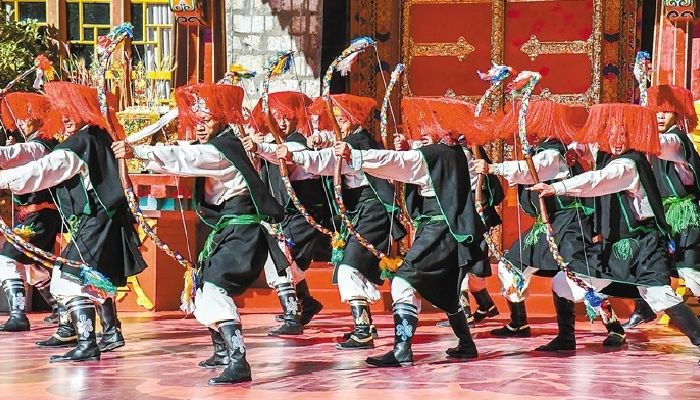
Rituals of Nyingchi Gongbu New Year
Family Vigil and “Jiada” Delicacy of Gongbu New Year
On the evening of the 29th day of the ninth lunar month in the Tibetan calendar, the whole family sits around the fireplace for the New Year vigil. The fire in the fireplace needs to burn continuously, symbolizing the warmth and prosperity of the family. The characteristic food during the vigil is a kind of pastry called “Jiada”, which is made by kneading butter, fine milk dregs, and sugar into dough, inserting it on a wooden stick, and roasting it by the fire. Family members make and share it together, while drinking highland barley wine, chatting, often until late at night.
On the first day of the tenth lunar month in the Tibetan calendar, the official start of Gongbu New Year, women rush to the water source to draw the “first bucket of water” of the New Year, known as “auspicious water”, believing that it will bring good luck to the family. During the day, people wear formal Gongbu Tibetan costumes to pay New Year calls to each other. Villages organize traditional folk sports activities such as archery competitions and stone-lifting, creating a joyful and lively atmosphere.
Practical Travel Planning for Nyingchi Gongbu New Year
A successful experience of Nyingchi Gongbu New Year requires itinerary planning based on accurate information.
Time and Location Selection for Experiencing Gongbu New Year
- Confirm the festival date: Nyingchi Gongbu New Year is fixed on the first day of the tenth lunar month in the Tibetan calendar. Due to the difference between the Tibetan calendar and the Gregorian calendar, its corresponding Gregorian date varies every year, usually falling between mid-November and early December. Before planning the itinerary, be sure to check the exact Gregorian date of the target year.
- Recommended stay period: The main festival activities are concentrated from the 29th day of the ninth lunar month to the third day of the tenth lunar month in the Tibetan calendar. It is recommended that the travel plan covers at least from the evening of the 29th day of the ninth lunar month to the second day of the tenth lunar month to ensure that you can watch the core rituals.
- Recommended experience areas: To feel the most traditional festival atmosphere, it is recommended to go to the villages of Gongbu Jiangda County, Mainling County, or Bayi District (formerly Nyingchi County) under Nyingchi City. These places have better-preserved customs and higher community participation.
Transportation to Nyingchi and Festival Accommodation Arrangements
The main transport hub is Lhasa. From Lhasa to Nyingchi, you can choose:
- By air: From Lhasa Gonggar Airport to Nyingchi Mainling Airport, the flight time is about 1 hour. Note that flights may be affected by plateau weather.
- By land: Charter a car or take a long-distance bus along the Linla Expressway, with a driving time of about 5-6 hours. This is a more flexible option, but vehicles need to be booked in advance as local transportation demand increases during the festival.
Accommodation booking guide:
- County hotels: Counties such as Gongbu Jiangda County and Mainling County offer hotels with better conditions, which are convenient as bases for visiting surrounding villages. Given the tight accommodation during the festival, it is strongly recommended to book several weeks in advance or even earlier.
- Rural accommodation options: Some villages may have family inns that can provide a more in-depth experience, but the facilities are usually basic (such as shared toilets and no central heating). Booking such accommodation often requires contact and confirmation through reliable local travel service agencies.

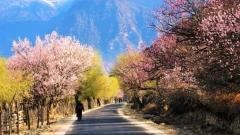
Rural Scenery of Gongbu Jiangda County
Precautions and Pre-Trip Preparation for Participating in Gongbu New Year
Adequate preparation can ensure a smooth trip and show respect for the local culture.
Etiquette norms for participating in Gongbu New Year customs:
- Respect activity spaces: Before observing or participating in any ritual, especially when entering villagers’ courtyards or indoor areas, you should obtain the host’s explicit permission in advance through a smile, nod, or communication via a guide.
- Maintain an observation distance: During rituals with religious or traditional significance such as “expelling ghosts”, please keep quiet, avoid taking photos with flash, and do not walk around or interrupt the ritual process at will.
- Respond politely to hospitality: If invited to share tea or wine, take it with both hands. You can follow local etiquette: dip the ring finger in a little wine and flick it lightly into the air three times, then take a small sip. Repeat twice after the host refills the cup, and finally finish the drink to show respect.
Travel equipment and health preparation list:
- Clothing and equipment: Nyingchi has a significant temperature difference between day and night in winter. Prepare thermal underwear, a middle warm layer (fleece jacket), a windproof and waterproof coat, a warm hat, gloves, and non-slip and warm hiking shoes. The sunshine is strong, so prepare sunscreen and sunglasses.
- Photography equipment: It is recommended to carry spare batteries and memory cards. A telephoto lens helps capture activity details without disturbing others.
- Health and diet: Pay attention to plateau acclimatization, avoid strenuous exercise, and strictly prevent colds. Festival meals are mainly Tibetan food, which may be relatively greasy. You can prepare some digestive medicines as appropriate.
- Attitude and expectation management: This is an in-depth experience of local culture, not a standardized tourist product. Please maintain a certain degree of flexibility in itinerary arrangements and accommodation conditions, and participate with an open and learning attitude.
Why Gongbu New Year Is Worth Traveling to Nyingchi For
Unlike the widely known Tibetan New Year celebrated across central Tibet, Gongbu New Year remains deeply rooted in local family life and village traditions in Nyingchi. It is not a staged festival for visitors, but a living New Year shaped by history, community memory, and everyday belief. Rituals such as inviting dogs to the New Year feast, the fire-torch expulsion ceremony, and the communal night around the hearth reflect how the Gongbu people understand protection, prosperity, and togetherness.
Planning a trip to Nyingchi Gongbu New Year is essentially a destination visit themed around a specific cultural event. It requires travelers to master accurate festival information in advance and show respect for local traditions. Through the dates, customs, locations, and practical suggestions provided in this guide, you can systematically construct your own itinerary. When you witness the conduct of ancient rituals and spend the festival with local families, you will gain a specific and profound understanding of the diversity of Tibetan culture. It is recommended that you start planning and implementing various travel arrangements as soon as possible according to the confirmed festival date.