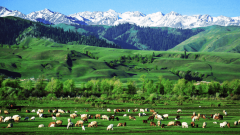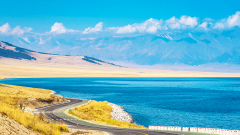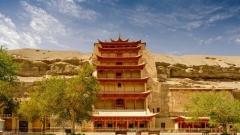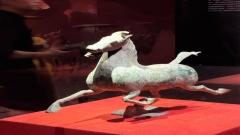

Located in the northwest border of China, Northern Xinjiang has a unique geographical environment , which has created a rich and diverse food culture here. The food here not only embodies the gifts of nature but also carries the life wisdom and customs of various ethnic groups. For foreign travelers visiting for the first time, the food in Northern Xinjiang may be full of novelty, and every bite can bring a different taste surprise. From street stalls to specialty restaurants, the delicious food of Northern Xinjiang is everywhere, waiting for you to taste one by one.
Delicious Foods in Northern Xinjiang
Roast Whole Lamb Is an Unmissable Classic
When it comes to Northern Xinjiang cuisine, roast whole lamb is definitely a top classic and a must-try for foreign travelers visiting Northern Xinjiang. The roast whole lamb in Northern Xinjiang uses local pasture-raised sheep. These sheep grow up eating fresh grass, so their meat is tender and juicy without any fishy smell. When making roast whole lamb, the chef first cleans the sheep, then stuffs the abdominal cavity with seasonings such as onions, ginger, and garlic, pierces the sheep with an iron stick, and roasts it slowly over charcoal fire.
During the roasting process, the chef will brush the sheep with a sauce made of beef tallow, salt, cumin, chili powder, and other seasonings from time to time, allowing the aroma to fully penetrate into every fiber of the mutton. After more than an hour of slow roasting, the skin of the roast whole lamb becomes golden and crispy. When you cut it with a knife, you can hear a crisp sound, while the mutton inside remains tender and juicy. When served, the roast whole lamb is cut into uniform pieces and eaten with thin pancakes, onion shreds, and lettuce, which can not only reduce greasiness but also highlight the aroma of the mutton. Take a bite, and the crispness of the skin and the tenderness of the mutton blend perfectly, with the aroma of cumin and chili powder lingering in your mouth, leaving a lasting aftertaste. You can find authentic roast whole lamb in almost all major cities and grassland scenic spots in Northern Xinjiang. It is recommended to book in advance because the production of roast whole lamb takes a long time to avoid long waits after arriving at the restaurant.
Hand-Pulled Rice Hides the Aroma of Rice and Meat
In addition to roast whole lamb, hand-pulled rice is also an indispensable part of Northern Xinjiang cuisine. It creates rich flavors with simple ingredients, is a regular on the locals’ daily dining tables, and is also loved by foreign travelers. The main ingredients of hand-pulled rice are rice, mutton, carrots, onions, and sheep oil, which are readily available in Northern Xinjiang and fully reflect the dietary characteristics of the region. When making hand-pulled rice, first, cut the mutton into large pieces, stir-fry it in sheep oil until golden to bring out its aroma, then add shredded carrots and onions and continue stir-frying until the carrots become soft and emit a natural sweetness.
Next, spread the washed rice on top of the ingredients, add an appropriate amount of water, and then simmer it in a pot. During the simmering process, the rice will fully absorb the aromas of the mutton and carrots, and the fragrance of sheep oil will also penetrate into every grain of rice. Before serving, the chef will thoroughly mix the rice with the ingredients below. At this time, the hand-pulled rice is golden and oily, with the sweetness of carrots, the aroma of mutton, and the fragrance of rice blending perfectly. Hand-pulled rice is easy to eat; you can either grab it with your hands or scoop it with a spoon. It has a moist texture but is not greasy, and every bite is full of a sense of happiness. In Northern Xinjiang, you can eat hand-pulled rice for breakfast, lunch, or dinner. Many restaurants also offer small servings of hand-pulled rice, making it convenient for foreign travelers to taste. If you like spicy food, you can also pair it with some spicy radish strips for a more unique flavor.
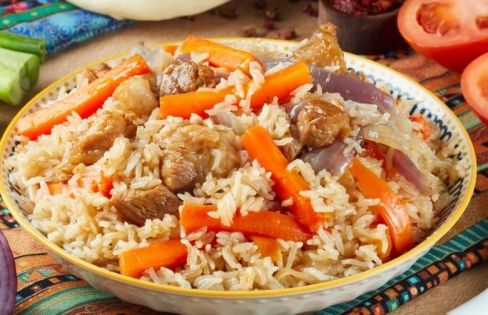
Xinjiang Hand-Pulled Rice (also known as “Pilaf”)
Roasted Buns Are Popular Street Snacks
Walking through the streets and alleys of Northern Xinjiang, you can often see stalls selling roasted buns. The freshly baked roasted buns are fragrant, making them one of the locals’ favorite street snacks and the best choice for foreign travelers to experience the street food of Northern Xinjiang. The outer skin of roasted buns is made of flour and water, with a crispy texture, and the filling is made of fresh mutton, sheep oil, onions, and various seasonings. When making roasted buns, the chef rolls the dough into thin rounds, adds a sufficient amount of filling, wraps them into a half-moon shape, brushes a layer of egg liquid on the surface, and then puts them into an oven for baking.
The ovens are usually made of bricks, with the walls heated to a high temperature. Once the roasted buns are put in, they will soon turn golden. The baked roasted buns have a crispy outer skin. When you take a small bite, the meat juice inside will flow out, and the fresh aroma of mutton and the sweetness of onions combine perfectly, making you want to eat more and more. Roasted buns are substantial in portion; one is enough to fill you up, and the price is affordable, making them very suitable as a snack during the journey. In cities like Urumqi and Yili in Northern Xinjiang, roasted bun shops can be seen everywhere. It is recommended to choose stalls with many customers because the more people there are, the more guaranteed the freshness of the roasted buns. When eating roasted buns, you can pair them with a cup of local brick tea, which reduces greasiness and is refreshing.
Dairy Products Open Up a New Taste Experience
Northern Xinjiang is a settlement area for nomadic ethnic groups such as the Mongolian and Kazakh people. Dairy products play an important role in the local diet, and the wide variety of dairy products also opens up a new taste experience for foreign travelers. The dairy products in Northern Xinjiang are all made from fresh cow’s milk or goat’s milk without any preservatives, with a pure and rich taste. Common dairy products include cheese, milk skin, milk tofu, and kumiss, each with a unique flavor.
Cheese is divided into sweet cheese and salty cheese. Sweet cheese has a soft texture and a light milk aroma, suitable for travelers who like sweet food; salty cheese has a firm texture and a strong milk aroma, which is very delicious when paired with naan. Milk skin is a thin layer formed on the surface of boiled milk. It can be eaten directly after being fished out and dried, with a crispy texture and a strong milk aroma. Milk tofu is made by concentrating milk, with a firm texture and a salty flavor, and is a favorite snack of the locals. Kumiss is fermented from mare’s milk, with a low alcohol content, a sweet and sour taste, and a unique milk aroma, making it a characteristic drink of Northern Xinjiang. On the grasslands of Northern Xinjiang, many herders make dairy products at home. Foreign travelers can visit the herders’ homes to experience authentic dairy products and also feel the enthusiasm and hospitality of the local herders. Various packaged dairy products are also available in supermarkets and specialty stores in urban areas, which are easy to carry and very suitable as souvenirs.
Hand-Pulled Noodles Are the Staple Food on the Table
On the dining tables of Northern Xinjiang, hand-pulled noodles are definitely the staple food. Locals eat them almost every day, and they are also favored by foreign travelers for their unique texture and diverse cooking methods. Hand-pulled noodles are actually handmade stretched noodles. The dough is made of high-gluten flour, water, and salt. After repeated kneading and proofing, the chef stretches the dough into long and thin noodles and then boils them in boiling water. Hand-pulled noodles are very versatile; they can be made into noodle soup, dry mixed noodles, or paired with various dishes.
The most popular cooking method is stir-fried hand-pulled noodles. The chef stir-fries the boiled hand-pulled noodles with ingredients such as green peppers, tomatoes, onions, and mutton, and adds seasonings like salt, cumin, and chili powder. The stir-fried hand-pulled noodles are bright in color, rich in flavor, and the noodles are chewy and elastic, extremely delicious. Noodle soup with hand-pulled noodles is made by boiling the noodles in a soup simmered with mutton, tomatoes, potatoes, and other ingredients. The soup is delicious, and the noodles absorb the flavor of the soup, warming the body and stomach. You can find hand-pulled noodles in almost every restaurant in Northern Xinjiang, and the cooking method can be adjusted according to your taste. If you prefer light flavors, you can choose clear soup hand-pulled noodles with some fresh vegetables; if you like strong flavors, stir-fried hand-pulled noodles are definitely your favorite.
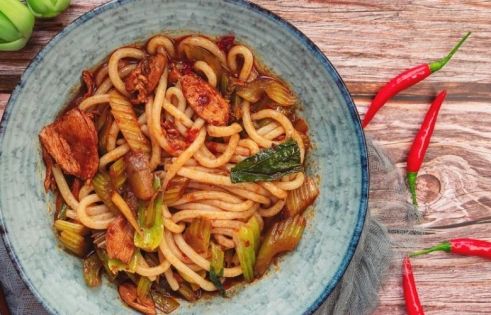
Xinjiang Stir-Fried Rice Noodles
Grilled Lamb Skewers Show the Charm of Meat
When it comes to meat dishes in Northern Xinjiang, grilled lamb skewers cannot be missed. With simple cooking methods and rich flavors, they show the unique charm of Northern Xinjiang’s meat dishes and are a must-try for foreign travelers visiting Northern Xinjiang. The grilled lamb skewers in Northern Xinjiang use leg meat from local grassland sheep, cut into uniform pieces and skewered with iron sticks. When skewering the meat, the chef will put a piece of sheep oil between the meat pieces. During the roasting process, the melted sheep oil will moisten the mutton, making it more tender and juicy.
The seasoning for grilled lamb skewers is simple, only using salt, cumin, and chili powder, which maximally preserves the fresh aroma of the mutton. During roasting, the chef will place the lamb skewers over the charcoal fire and turn them from time to time to ensure even heating. When the lamb skewers are roasted until golden and oily with a slightly charred surface, they are ready to be served. The freshly baked lamb skewers are fragrant. Take a bite, and the tenderness of the mutton and the aroma of cumin burst in your mouth, making you unable to stop eating. The grilled lamb skewers in Northern Xinjiang are substantial in portion; one skewer is enough to satisfy your craving, and the price is affordable. Stalls selling grilled lamb skewers can be seen everywhere on the streets of Northern Xinjiang. At night, the aroma of grilled lamb skewers fills the streets, becoming one of the most lively symbols of Northern Xinjiang.
An Encounter Between Taste and Culture
After traveling through the grasslands and streets of Northern Xinjiang and tasting the crispy roast whole lamb, mellow hand-pulled rice, and juicy roasted buns, you will find that there is no single answer to the question “What delicious foods are there in Northern Xinjiang”. Because the food here has long transcended itself and become an important way to experience the local culture. From the dairy products derived from the nomadic lifestyle of ethnic groups who move with the water and grass to the hand-pulled noodles born from the integration of farming and animal husbandry, every kind of food carries the geographical memory and ethnic wisdom of Northern Xinjiang.
For foreign travelers, the food in Northern Xinjiang may be full of novelty, but the fresh aroma of the ingredients themselves and the simplicity of the chefs’ craftsmanship are a common experience that transcends language. Whether you are sharing a whole roast lamb in a grassland yurt or buying a freshly baked roasted bun at a street stall, what you feel is not only the pleasure of taste but also the enthusiasm and boldness of the people in Northern Xinjiang. This unique taste will become the deepest memory of your trip to Northern Xinjiang. When you plan your trip to Northern Xinjiang, you may wish to bring this guide and explore these delicacies one by one, making every meal a warm encounter with Northern Xinjiang.