
When mapping out a journey to Lhasa, the pivotal consideration is the span of time one should allocate. Nestled at an elevation of 3,650 meters, Lhasa stands as a vibrant cultural epicenter and a crucial point for acclimatization. The duration of the trip, whether it’s a brief sojourn of 2-3 days or an extended visit exceeding 7 days, profoundly influences the rhythm and richness of the experience. This discourse delves into the implications of different lengths of stay, offering insights to inform the planning of an ideal itinerary.
Key Factors in Deciding “How Many Days to Spend in Lhasa”
Before planning the specific number of days, ask yourself a few questions which will directly determine how much time you need.
What is the overall goal of your trip?
If Lhasa is merely the center and acclimatization base for your Tibet journey, with plans to later visit Nyingchi, Shigatse, or Ngari, then staying in Lhasa for 3-4 days is typically reasonable and comfortable. If you wish to devote most of your time to Lhasa and its nearby suburbs for a deep cultural immersion, 5-7 days or even longer will allow for a more leisurely pace.
What is your ability to acclimatize to the high altitude?
This is a factor that must be seriously considered when planning how many days to spend in Lhasa. It is recommended that, no matter what, your first day upon arrival in Lhasa should be dedicated to complete relaxation, avoiding strenuous activity to let your body adjust. Therefore, an itinerary that includes an “acclimatization day” requires at least 3 days as a foundation. If you are concerned about altitude sickness, it is wise to allocate more buffer time (4-5 days).
How strong is your interest in culture and depth of experience?
Lhasa’s charm extends far beyond the Potala Palace and the Jokhang Temple. If you only want to check off the core landmarks, a compact 2-3 day schedule can achieve that. But if you hope to slow down, explore lesser-known temples, linger in teahouses, watch the Princess Wencheng live performance, or delve into learning about Thangka or Tibetan incense making, then each extra day will add richer layers to your experience.
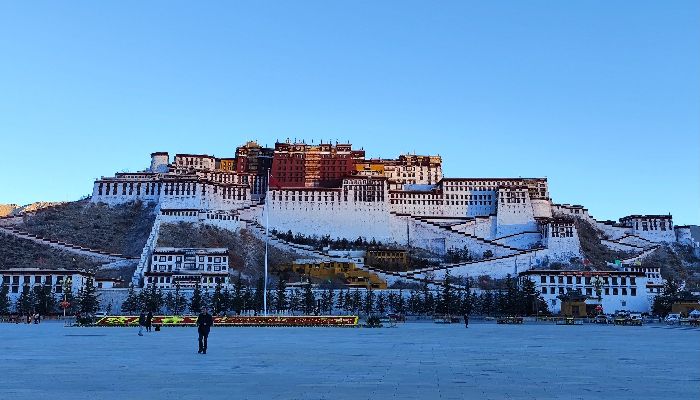
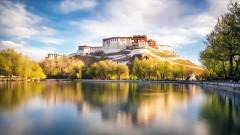
Potala Palace Lhasa
Detailed Breakdown of Lhasa Itinerary Options by Duration
Below are specific itinerary ideas based on different trip lengths. You can adjust them according to your own situation.
Compact & Classic: 2-3 Day Core Highlights Itinerary
This suits travelers with extremely limited time or those using Lhasa primarily as a transit point. The focus is on core landmarks and basic cultural experiences.
- Day 1 (Acclimatization + Initial Exploration): Arrive in Lhasa in the afternoon. After checking into your hotel, rest absolutely quietly. If feeling well by evening, take a slow walk to Potala Palace Square to view the night scenery.
- Day 2 (Cultural Essence): Visit the Potala Palace in the morning (requires advance booking). In the afternoon, head to the Jokhang Temple to feel the devotion of pilgrims, then take a stroll around the Barkhor Street circuit to soak in the local atmosphere.
- Day 3 (Nearby Holy Lake): Take a day trip to Lake Yamdrok (Yamdrok Tso) near Lhasa. This is an excellent choice for experiencing the scenery of Tibet’s holy lakes. Return to Lhasa in the evening, concluding the itinerary.
Core Answer: For travelers wondering “how many days to spend in Lhasa” who only want to see the most essential parts, 3 days is the feasible minimum, but the pace will be relatively fast.
Comfortable & In-Depth: 4-5 Day Panoramic Experience Itinerary
This is the most recommended and well-balanced option. It covers the vast majority of Lhasa’s highlights without feeling rushed.
- Day 1: Acclimatize in Lhasa, free time.
- Day 2: Potala Palace in the morning. In the afternoon, visit Chagpori Hill (photography spot for the 50 RMB note background) and the Tibet Museum (to systematically understand history and culture).
- Day 3: Deep exploration of Jokhang Temple and Barkhor Street in the morning, optionally booking a Tibetan costume photo shoot. Visit Sera Monastery in the afternoon to observe the famous monk debates (Monday to Saturday afternoons).
- Day 4: Lake Yamdrok day trip, with more ample time to stop at multiple viewpoints around the lake for photos.
- Day 5:Option A: Visit Ganden Monastery or Drak Yerpa Hermitage (a cliff-carved retreat) for a more authentic temple experience.
Option B: Explore within Lhasa city: Ramoche Temple, Tsamkhung Nunnery Teahouse, or watch the Princess Wencheng performance.
This duration perfectly answers most people’s question about “how many days to spend in Lhasa,” offering both depth and comfort.
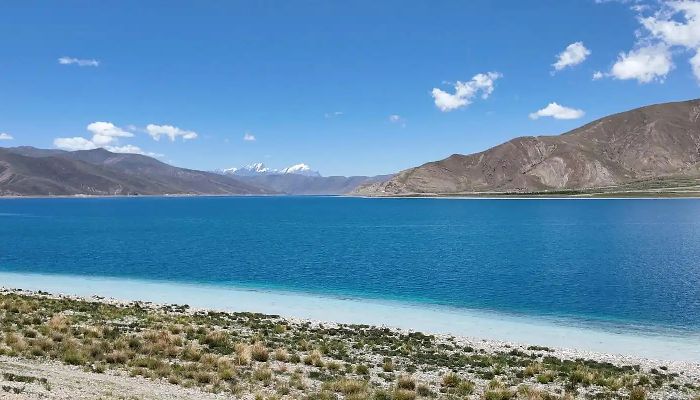
Lake Yamdrok
Immersive Exploration: 6-7 Day or More Slow Travel Itinerary
Suitable for long holidays, culture enthusiasts, or photography enthusiasts. You can use Lhasa as a base, extending your reach to farther and deeper corners.
- First 5 days: Can follow the above 4-5 day itinerary, but with longer stays at each location.
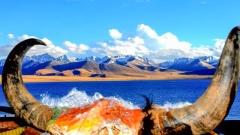
- Days 6-7: Add a two-day, one-night trip to Lake Namtso (staying overnight by the holy lake to view stars and sunrise). Alternatively, add exploration towards the Shannan direction, such as Samye Monastery—the first monastery in Tibet—and Yumbulagang Palace—the first palace in Tibet and the birthplace of Tibetan culture.
- More days: Can arrange workshops for making Tibetan incense or Thangka paintings, undertake short light hikes, or even visit Drigung Til Monastery to observe a sky burial ceremony (strict cultural taboos must be observed—view from a distance and maintain solemnity).
Practical Tips for Planning Your Lhasa Itinerary
Once you’ve decided “how many days to spend in Lhasa,” these details will make your journey smoother.
Potala Palace tickets require advance booking: Tickets are extremely tight during peak season. Be sure to book in advance through official channels or reliable service providers.
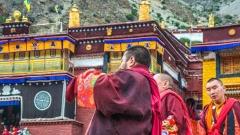
Observe etiquette when visiting temples: Dress appropriately (no shorts or short skirts) when entering temples. Photography is prohibited indoors. Follow a clockwise direction when visiting.
Transportation & Accommodation: Staying in Lhasa’s old town (around Barkhor Street) offers the most character, but vehicles cannot reach hotel doors directly. The new town area is more modern with convenient transportation. Choosing your lodging based on your itinerary focus helps save time.
Dealing with Altitude Sickness: Always maintain a “slow pace.” Drink plenty of warm water, ensure good sleep, and avoid washing your hair or bathing for the first couple of days. Prepare common medications.
A common misconception is that Lhasa is very small and can be seen in a day or two. In reality, its depth lies in the casual chats in every teahouse, behind the light of every eternal butter lamp, and within every figure circling the Barkhor Street prayer wheels. Each extra day you stay deepens your understanding of this city.
Final Suggestions for Your Lhasa Itinerary Planning
No matter the duration you allocate for your journey to Lhasa, the essence lies in harmonizing your travel pace with the beating of your heart, rather than in chasing the count of attractions. Novices to this sacred terrain will find that a sojourn of four to five days expertly marries the width and depth of discovery, addressing the query of “how many days suffice in Lhasa” while forging indelible recollections. The process of preparing for this venture into the elevated realms, involving such meticulous tasks as securing visas, arranging transport, and booking accommodations, can be daunting. At such a juncture, opting for a seasoned professional service such as China Dragon Travel can simplify the task of itinerary crafting immensely. They are adept at crafting the most fitting travel plan for Lhasa, tailored to the span of your stay and your distinct inclinations. May you discover your own fleeting moments and connections within this City of Endless Sunshine.