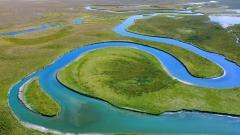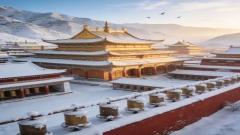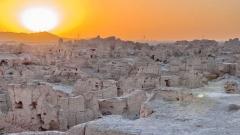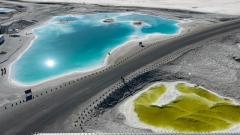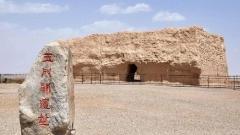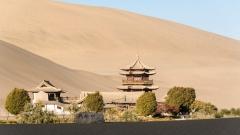

Dunhuang, located at the western end of the Hexi Corridor, has long been a key stop along the ancient Silk Road. Today, it remains one of China’s most fascinating travel destinations, where cultural heritage meets vast desert landscapes. From the world-famous Mogao Caves to the surreal beauty of Mingsha Mountain and Crescent Lake, Dunhuang attracts travelers from around the globe. Although transportation has improved significantly in recent years, its remote location still makes planning your journey an important part of the trip. Understanding flights, trains, and transit options in advance will help you travel more efficiently and comfortably.
Long-Distance Transportation for Dunhuang Travel
By Air
Dunhuang Mogao International Airport is located in the eastern part of Dunhuang City, only about 13 kilometers from the urban area, serving as the fastest and core transportation hub to and from Dunhuang. At present, the airport has launched direct flights to many Long-Distance cities, bringing great convenience for air travel.
- Direct Flight Cities: Direct flights are available to key cities including Beijing, Shanghai, Xi’an, Lanzhou, Chengdu, Chongqing and Urumqi, with a flight time of about 2-3 hours and frequent flights during peak tourist seasons. Among them, there are more than 9 daily flights to Lanzhou, over 4 to Xi’an, 3 to Beijing, and 1 regular daily flight to Chengdu operated by Sichuan Airlines.
- Connecting Flights: With Lanzhou and Xi’an as the core aviation hubs, and linked to regional nodes in the northwest such as Jiayuguan and Jinchang, connecting flights are generally cheaper than direct flights, offering a higher cost performance. Baggage check-through is available on some routes.
After landing, you can take the airport shuttle bus to the urban area with a one-way fare of 10 RMB, taking about 20 minutes. Taxis cost around 30 RMB by meter, and it is recommended to choose official taxis. The connecting bus near the airport costs 3 RMB but requires a short walk; please choose the most suitable option based on your personal situation.
By Railway
Dunhuang’s railway network takes Dunhuang Station as the core hub, supplemented by two suburban stations (Liuyuan Station and Liuyuan South Station), covering both regular-speed and high-speed EMU trains. It connects Long-Distance northwest cities such as Lanzhou, Xi’an and Jiayuguan, making it an ideal cost-effective travel choice.
- Dunhuang Station (Regular-Speed Station): Located on the eastern side of Dunhuang’s urban area, only 10 kilometers from the central urban area, it is the most convenient railway station to reach Dunhuang. The station operates regular-speed trains to Lanzhou, Xi’an, Jiayuguan, Jiuquan, Urumqi and other places with stable schedules. Overnight sleeper trains to Lanzhou and Xi’an are available, which save both time and accommodation costs by traveling at night.
- Liuyuan Station / Liuyuan South Station (High-Speed Station): About 100-130 kilometers from Dunhuang’s urban area, Liuyuan South Station is a high-speed station with EMU trains to Jiayuguan, Lanzhou West and other stations. Due to the long distance from the urban area, you need to transfer to a long-distance bus, shared car or taxi after getting off, with a journey of about 2 hours. It is not recommended as the first choice.
If you arrive at Dunhuang Station, a taxi to the urban area costs about 15-20 RMB, or you can take the affordable No.3 bus directly to the city with a fare of 1-2 RMB. However, if you get off at Liuyuan Station or Liuyuan South Station, a shared car or taxi costs about 50-80 RMB per person. In addition, there are few vehicles available for late-night arrivals, posing certain travel risks.
By Long-Distance Bus
If your Dunhuang travel plan includes the Silk Road loop, long-distance bus travel is an ideal choice, as it saves transportation costs and allows you to enjoy the unique scenery of the northwest along the way.
- Jiayuguan / Jiuquan to Dunhuang: These two routes are the core trunk lines of the Hexi Corridor, with frequent daily buses operating from morning to night, so there is no need to book tickets too early. The one-way fare is about 80-100RMB, with a journey of 6-8 hours.
- Bus Station: The core departure and arrival point is Dunhuang Bus Station, located in the busy downtown area with convenient transportation. It not only has direct buses to Jiayuguan and Jiuquan, but also to many surrounding cities including Lanzhou, Zhangye, Hami and Urumqi, covering a wide range of routes.
Long-distance bus travel combines cost performance and scenic viewing experience, especially the popular routes to Jiayuguan and Jiuquan with frequent buses and affordable fares. Dunhuang Bus Station, situated in the urban area with easy transfers, has routes radiating to many cities in the northwest, making it a practical transportation choice for traveling the Silk Road loop.
By Self-Driving
On the way to Dunhuang, you will encounter countless breathtaking sights such as the Gobi Desert, ancient pass roads and Yadan landforms. Self-driving allows you to stop and take photos at will, bringing the ultimate freedom and comfort to your trip.
- Recommended Route: The G30 Lianhuo Expressway is the best choice for entering and exiting Dunhuang, with a smooth and well-maintained pavement, clear road markings and distinct signposts, offering an excellent driving experience as the core trunk road for self-driving to Dunhuang.
- Important Reminders: The Gobi sections span a long distance with sparse and widely spaced service areas, so make sure to refuel your car fully at every service area. Strong winds are common in the Gobi Desert, so drive slowly and carefully. Visibility drops significantly at night with no street lighting, so avoid driving at night as much as possible.
Self-driving is a distinctive way to travel in Dunhuang, but special attention must be paid to fuel supply, crosswinds and night driving on Gobi sections to ensure a safe journey.
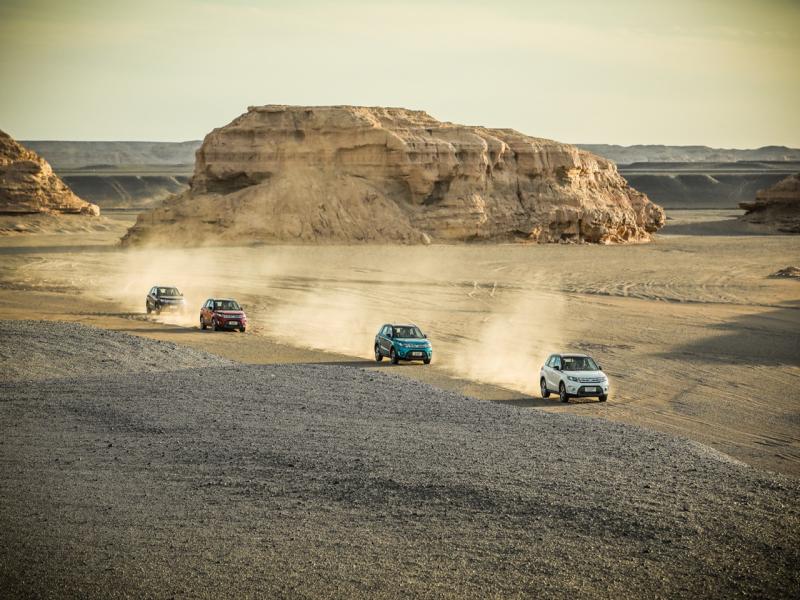
Dunhuang Self-Driving
Local Transportation for Dunhuang Travel
Dunhuang has a small urban area, and its attractions are divided into three Long-Distance areas: urban area, East Line and West Line. Choosing the right transportation method can greatly improve your travel efficiency and experience.
- Buses: Take Bus No.3 from the urban area to Mingsha Mountain and Crescent Spring, passing by Leiyin Temple and ending at Dunhuang Museum. The fare is 1RMB (2 RMB for air-conditioned buses), operating from 7:30 to 20:30 in summer and 7:30 to 19:30 in winter. Bus No.12 runs from the urban area to Dunhuang Railway Station and then to the Mogao Grottoes, with a fare of about 8 RMB, departing every hour and taking 40 minutes.
- Taxis: The starting fare is about 5-6RMB, and most short trips within the urban area cost less than 10 RMB. A taxi to Mingsha Mountain costs about 10-15 RMB, while the trip to the Mogao Grottoes is around 30 RMB, taking only 20 minutes directly.
- East Line Transportation: To get to the Mogao Grottoes, you can take Bus No.12 from the urban area or transfer to a connecting bus via Bus No.3; alternatively, take a taxi directly to the Digital Exhibition Center and then take the free scenic area shuttle bus to the grottoes area. Mingsha Mountain and Crescent Spring are only a 10-minute ride from the urban area via Bus No.3 or taxi.
- West Line Transportation: Attractions on the West Line are scattered and far apart with no direct bus service, so it is recommended to choose a private car or shared car. A shared car costs about 120-150RMB per person including round-trip fare for a day trip. A private 5-seater car costs about 400-600 RMB per day, and a 7-seater business vehicle is 600-800 RMB per day, which is more cost-effective when shared with a group.
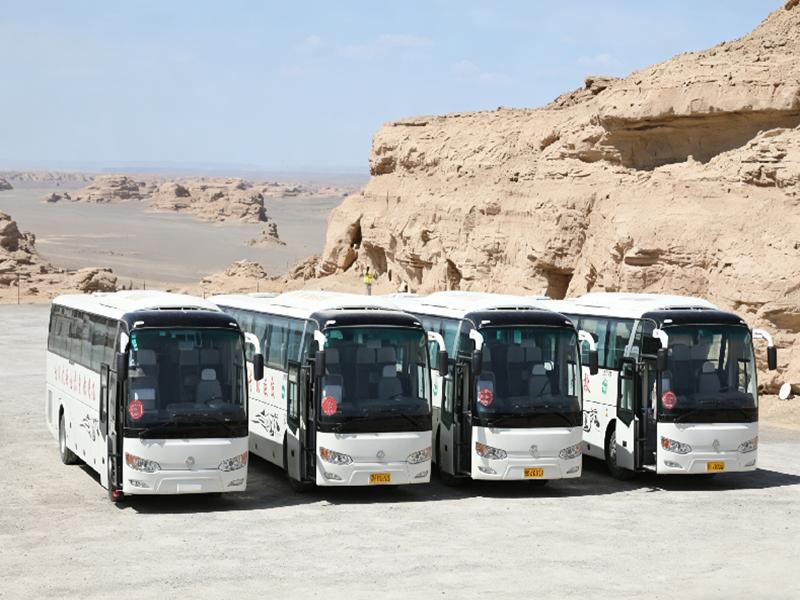
Shuttle Buses in Dunhuang Scenic Area
Transfer Cities for Dunhuang Travel
Lanzhou
As the core transportation hub in the northwest, Lanzhou is the central transfer point radiating the whole of Gansu Province and many northwest provinces, with a well-developed aviation and railway network, making it the top choice for transfers to Dunhuang.
- Transfer Advantages: Lanzhou has the densest flight network in the northwest and an extensive coverage of high-speed and regular-speed trains. No matter which travel method you choose to Dunhuang, transferring via Lanzhou can optimize your route with more options.
- Transfer Plans: Fly to Lanzhou Zhongchuan Airport first, then take a high-speed train to Jiayuguan/Jiuquan, and transfer to a vehicle to Dunhuang; or take a regular-speed sleeper train directly to Dunhuang with an affordable fare. The segmented travel reduces long-distance fatigue and saves time for sightseeing.
Lanzhou is the premier transfer city for traveling to Dunhuang, with frequent flights/trains and flexible connections that greatly optimize your itinerary. You can choose the most suitable plan according to your needs for a seamless trip.
Xi’an
Xi’an is a key transportation hub connecting the East China, South China, Southwest China and Northwest China, and a popular transfer choice for traveling to Dunhuang.
- Transfer Advantages: Xi’an has sufficient and stable direct flights to Dunhuang, with additional flights added during peak seasons, enabling convenient connections for travelers from East China, South China and Southwest China.
- Transfer Plans: The first choice is the direct flight, which takes only about 2 hours to reach Dunhuang quickly and effortlessly. If you want to adjust your itinerary flexibly, you can take a high-speed train to Hexi Corridor hubs such as Lanzhou and Jiayuguan first, then transfer to a high-speed train, long-distance bus or private car to Dunhuang for a highly flexible trip.
Xi’an offers diverse transportation options to Dunhuang: direct flights for efficiency and time-saving, and flexible transfer routes via land. It also allows you to combine your trip with a visit to this ancient capital, making it an extremely cost-effective transfer choice.
Jiayuguan / Jiuquan
Adjacent to Dunhuang, Jiayuguan and Jiuquan are the most convenient short-distance transfer hubs to Dunhuang, especially suitable if your itinerary includes the Silk Road loop.
- Transfer Advantages: As the closest Long-Distancetransfer points to Dunhuang, they boast an advantageous geographical location with a fully covered high-speed railway network connecting Long-Distance cities such as Lanzhou, Xi’an and Urumqi. Both high-speed trains and long-distance buses run frequently with short intervals.
- Transfer Method: After arriving at Jiayuguan South Station or Jiuquan South Station, it is recommended to transfer directly to a long-distance bus, shared car or private car to Dunhuang. The whole journey has good road conditions, allowing you to reach Dunhuang’s urban area on the same day.
Choosing Jiayuguan or Jiuquan as your transfer point offers an unbeatable cost performance. They are the golden land transfer hubs to Dunhuang and provide a variety of travel options, making your Silk Road journey more smooth and flexible.
Tips for Dunhuang Transportation
- Pre-Trip Planning: Book flights, train tickets, shared cars and private cars in advance during the peak tourist season (April to October) to avoid transportation shortages. Tickets and visiting time slots for the Mogao Grottoes must be reserved in advance, and your transportation plan should be aligned with your visiting schedule. The West Line is far from the urban area with a long day trip, so it is recommended to set off early and avoid the high-temperature period.
- Avoid Scams: Unofficial taxis at the airport and railway stations often quote exorbitant prices; always insist on metered fares or choose official online car-hailing services and airport shuttle buses. If you take a shared car, confirm whether the fare includes scenic area shuttle bus fees, hidden costs, and any arranged tours or shopping stops. Liuyuan South High-Speed Station is extremely far from the urban area, so avoid choosing it unless necessary.
- Safety and Protection: The Gobi Desert has strong sunlight, intense ultraviolet radiation, a large temperature difference between day and night, and heavy sandstorms in autumn. Please prepare sun protection and warm clothing. Avoid late-night arrivals and night driving as much as possible, as the Gobi has poor lighting, low visibility and limited emergency rescue services.
- Self-Driving: Do not speed or drive off the paved road at will when self-driving; the soft sand in the Gobi Desert is prone to getting cars stuck, posing high risks. Avoid night driving for the same safety reasons mentioned above.
Choosing the Best Way to Reach Dunhuang
There’s no single “best” way to get to Dunhuang—only the one that fits your travel style. If you’re short on time, flying or connecting through Xi’an is the fastest option. If you enjoy the journey itself, traveling overland from Lanzhou or Jiayuguan offers a deeper look into the landscapes of northwest China. And for those who value freedom, a self-drive trip across the desert highways can be just as memorable as the destination.
In many ways, Dunhuang isn’t just about where you arrive, but how you get there. The long stretches of road, the changing scenery, and the sense of distance all build anticipation. By the time you finally reach the city, the journey has already become part of the experience.