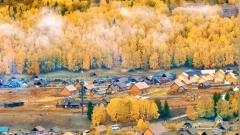

For many travelers, the question “Is it safe to travel to Xinjiang?” is both reasonable and necessary when planning a trip. Xinjiang is a vast region with unique geography, climate, and cultural diversity, which naturally raises concerns for first-time visitors. In reality, Xinjiang is a well-established travel destination with developed infrastructure, organized tourism services, and clearly defined safety management procedures. Rather than viewing safety as a simple yes-or-no issue, understanding the actual travel environment and preparation requirements is key to making an informed and confident decision.
Comprehensive Assessment of Xinjiang Tourism Safety Status: Safety
To accurately assess the safety of traveling to Xinjiang, it is first necessary to understand the local actual environment. Xinjiang maintains good social order and has well-equipped tourism facilities, capable of providing tourists with a stable travel experience. Whether in major cities like Urumqi or renowned scenic spots such as Kanas and Ili, public safety is fully guaranteed.
During your trip to Xinjiang, you will encounter some routine safety management measures, such as security check procedures at transportation hubs, large public places, and the entrances of some scenic spots. These measures are standard local safety management processes with high execution efficiency, aiming to provide a safer environment for all personnel. As a tourist, you only need to understand and cooperate with these routine inspections.
It should be noted that the main challenges of traveling in Xinjiang stem from its unique geographical characteristics rather than public security factors. These challenges include significant climate changes, long-distance transportation, and adaptation to high-altitude environments. Through adequate itinerary preparation and reasonable planning, these factors can be effectively managed.
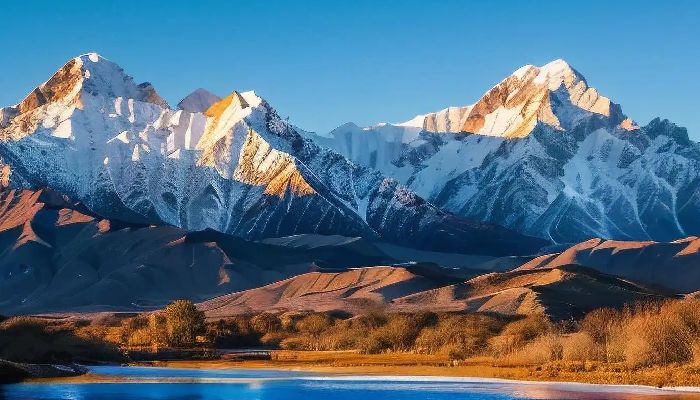
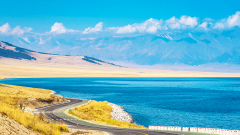
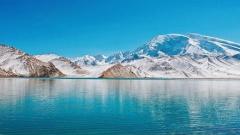
Scenery of the Tianshan Mountains
Analysis of Main Travel Risks in Xinjiang & Response Strategies
A comprehensive understanding of potential risks and formulating response plans are crucial to ensuring a smooth trip. The following classifies and explains the main travel precautions in Xinjiang.
Precautions for Adapting to Xinjiang’s Natural Environment and Climate
Xinjiang is vast in territory with diverse terrain, and its climatic conditions are significantly different from those in plain areas.
Significant temperature differences and strong ultraviolet radiation: Most areas in Xinjiang have large temperature differences between day and night, especially in mountainous and desert areas. At the same time, the region has long sunshine hours and strong ultraviolet radiation.
- Response suggestions: Adopt a layered dressing method to facilitate adjustments according to temperature changes. Even in summer, prepare windproof jackets and warm clothing. High-quality sunscreen, sunglasses, and wide-brimmed hats are essential items. For winter travel, professional cold-proof equipment is required.
Prevention of altitude sickness: When traveling to the Pamir Plateau (such as Tashkurgan) and some high-altitude areas of the Tianshan Mountains, there may be a risk of altitude sickness.
- Response suggestions: Avoid strenuous exercise in the initial stage of arriving at high altitudes, ensure adequate rest, and do not drink alcohol. You can prepare medicines for relieving altitude sickness in advance, maintain a calm attitude, and allow your body to adapt gradually.
Guide to Long-Distance Transportation and Driving Safety in Xinjiang
Scenic spots in Xinjiang are widely distributed, and intercity transportation takes a long time, which is a key factor to consider in itinerary planning.
Long-distance driving and complex road conditions: Highways connecting major scenic spots are long, and some sections pass through mountainous and Gobi terrain. Long hours of riding can easily lead to fatigue.
- Response suggestions: It is recommended to choose reputable travel agencies or rental companies whose drivers are familiar with local road conditions. When planning your itinerary independently, reasonably control the daily driving time and avoid arranging overly tight schedules. Self-driving tourists should conduct a comprehensive vehicle inspection before departure, carefully plan routes and supply points, and try to avoid driving at night.
Strictly abide by traffic regulations: Whether in cities or remote areas, you should strictly abide by traffic rules. On border highways or special sections, pay special attention to speed limit signs and actively cooperate with safety inspections.
Respect for Xinjiang’s Diverse Cultures and Communication Practices
Xinjiang is a multi-ethnic region with rich cultural heritage. Respecting local customs is an important foundation for a pleasant trip.
Cultural customs and etiquette norms: It is crucial to respect the customs and religious beliefs of all ethnic groups in the region. For example, when visiting mosques, dress appropriately and maintain silence; obtain consent before taking photos of local residents or items; pay attention to halal food norms when dining.
- Response suggestions: Learn about the ethnic composition and basic etiquette of the destination before traveling. Maintain a polite and friendly attitude when communicating with local people. Negotiate prices peacefully when shopping.
Communication and payment methods: In urban areas, the mobile payment network is well-covered. However, in remote villages, pastures, or some small markets, mobile network signals may be unstable, and cash payment is more reliable.
- Response suggestions: It is recommended to carry an appropriate amount of cash for emergencies.
Specific Safety Guides for Different Travel Scenarios in Xinjiang
Placing safety guides in specific travel scenarios can provide clearer action references.
Safety Guide for Urban Travel in Xinjiang (Urumqi, Kashgar, Yining, etc.)
Major cities in Xinjiang have well-developed tourism facilities and a high level of safety. Tourists can safely visit museums, bazaars, and taste local cuisine. It should be noted that you may need to cooperate with security checks when entering hotels, shopping malls, or taking public transportation, which is a routine procedure. It is safe to move around in major commercial areas at night, but it is still recommended to travel in groups and inform your accommodation of your itinerary.
Safety Guide for Visiting Natural Scenic Spots in Xinjiang (Kanas, Nalati, Sayram Lake, etc.)
Mature natural scenic spots in Xinjiang have standardized management and complete safety facilities.
- Safety suggestions: Always stay within the designated tourist routes and scenic viewing areas of the scenic spot. Do not enter undeveloped areas to avoid getting lost or encountering wildlife risks. Pay special attention to the safety warning signs set up in the scenic spot, and be extra cautious in areas such as water areas and cliffs. Follow the guidance of scenic spot staff and tour guides.
Travel Precautions for Border Areas in Xinjiang (Such as Horgos, Tashkurgan)
Tourists planning to visit border areas need to apply for the “Border Control Area Pass” in advance.
- Application suggestions: This document can be applied for at public security organs in tourists’ places of household registration or residence, or with the assistance of qualified travel agencies such as China Dragon Travel. During the trip, keep your personal identification documents and border pass properly, and actively cooperate with inspections at checkpoints.
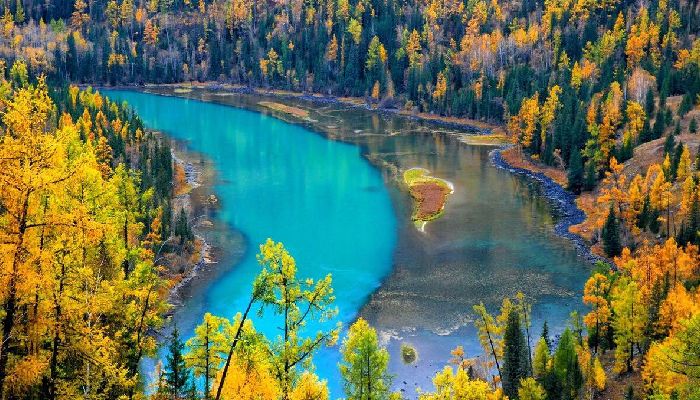
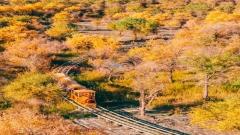
Autumn Scenery of Kanas Lake
Pre-Trip Preparation and Safety Checklist for Traveling to Xinjiang
Systematic pre-trip preparation can effectively improve travel safety. Please refer to the following checklist for inspection:
- Travel Document Preparation: Ensure that passports and visas (for foreign tourists) or identification documents (for Chinese tourists) are within the validity period. If you plan to travel to border areas, be sure to complete the border pass in advance.
- Rational Itinerary Planning: Avoid arranging overly tight itineraries and reserve buffer time for climate adaptation and emergencies. For those visiting Xinjiang for the first time or planning to explore remote areas, consider choosing group services provided by reputable travel agencies, as they are more experienced in logistical support, emergency response, and document processing.
- Health Management and Medication Preparation: Prepare common medicines according to your personal health condition, especially gastrointestinal medicines, cold medicines, and medicines for relieving altitude sickness. Xinjiang has a dry climate, so pay attention to replenishing water and vitamins.
- Property Safety Management: As with traveling in other regions, keep your valuable personal belongings properly and keep an eye on your personal items in crowded places. It is recommended to make electronic backups of important documents.
- Communication and Emergency Contact: Inform your relatives and friends of your itinerary plan. Save key contact information, including the contact information of your accommodation hotel, tour guide or travel agency, as well as local emergency service numbers (police 110, first aid 120).
Is Traveling to Xinjiang Safe? Making an Informed Travel Decision
From a practical perspective, the primary challenges of traveling in Xinjiang are related to distance, climate variation, and long transportation routes rather than public security issues. With proper planning, realistic scheduling, and awareness of local travel conditions, these factors can be effectively managed. For most travelers, Xinjiang offers a stable and rewarding travel experience when approached with preparation rather than uncertainty.
For those visiting Xinjiang for the first time or planning to explore remote landscapes and border regions, professional support can significantly reduce logistical risks. Experienced operators such as China Dragon Travel, specializing in western China and Xinjiang routes, can assist with permits, route planning, and on-the-ground coordination, helping travelers focus on the journey itself with confidence and clarity.