
In recent years, more and more travelers have been drawn to the allure of Southern Xinjiang, a land dotted with deserts, poplar trees, and ancient relics that never fail to spark fascination. However, before setting off, the question “Is Southern Xinjiang Dangerous?” lingers in many minds. In fact, Southern Xinjiang today is far from what rumors claim. It boasts a sound public security system and locals who greet visitors with immense warmth. Whether in bustling markets or remote villages, safety is fully guaranteed. In the following sections, we will unveil the true face of Southern Xinjiang from aspects such as public security, culture, and travel, ensuring your trip to Southern Xinjiang is free from worries.
Is Southern Xinjiang Dangerous? Facts and On-Site Experiences Tell the Truth
When answering “Is Southern Xinjiang Dangerous?”, facts and data are the most convincing. According to official information released by China, the criminal case rate in various parts of Southern Xinjiang has been steadily declining in recent years, and cases targeting tourists, such as theft and fraud, have almost dropped to zero. In popular scenic spots like Kashgar Ancient City and Hetian Grand Bazaar, patrolling police officers are everywhere. They not only maintain public order but also offer assistance such as route guidance to travelers. I once witnessed a group of foreign tourists getting lost in Kashgar Ancient City; patrolling police immediately communicated with them in simple English and personally led them to their destination. Beyond police protection, community security in Southern Xinjiang is also extremely strict. Whether in urban areas or towns, there is a comprehensive video surveillance system, forming a three-dimensional security network. Many foreign tourists remark after their trips that the safety level in Southern Xinjiang exceeds expectations—walking alone on the streets at night feels completely secure, and the sense of safety here is even stronger than in many foreign tourist cities.
Locals’ Warmth Will Dispels Your Doubts
Anxieties about safety in Southern Xinjiang often stem from the sense of distance caused by unfamiliarity. But once you truly step into Southern Xinjiang, the warmth of the locals will quickly dissolve all unease, making you completely forget the question “Is Southern Xinjiang Dangerous?”. In a handwoven carpet workshop in Hetian, the owner will take the initiative to offer milk tea and introduce carpet weaving techniques to you using gestures and simple Chinese. In villages on the edge of the Taklamakan Desert, herdsmen warmly invite foreign tourists to join their family gatherings and share special foods like baked buns and pilaf. A French tourist I know once ran out of phone battery in Kuqa and couldn’t contact his guide. A local Uyghur uncle drove him directly to the scenic spot entrance and firmly refused to accept any fare, simply saying, “Friends should help each other when they’re here.” This kind of simple kindness is everywhere in Southern Xinjiang, and the locals’ welcome to foreign visitors serves as the most reliable “soft guarantee” of safety here.
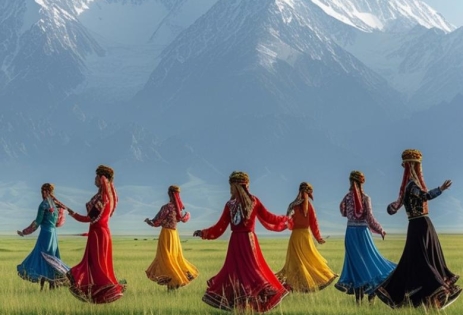
Uyghur people
Smooth Transportation Reflects Safety Confidence
Smooth and safe transportation is a key criterion for judging whether a place is suitable for travel, and it also indirectly answers the question “Is Southern Xinjiang Dangerous?”. Today, Southern Xinjiang has an extremely developed transportation network. Kashgar Airport operates direct flights to major cities such as Beijing, Shanghai, and Guangzhou, as well as international flights to Central Asian countries. Airport security checks are standardized and orderly, ensuring safety without causing unnecessary delays. The region is crisscrossed by expressways—flat roads connect Kashgar to Hetian and Kuqa to Aksu, with numerous service areas along the way providing refueling, catering, and other services. In terms of railways, the Southern Xinjiang Railway runs east-west across the region. Trains offer comfortable environments, and crew members proactively care about passengers’ needs. Many foreign tourists choose to travel around Southern Xinjiang by car; they find that both urban and rural roads have clear signs, and when encountering difficulties, calling the local tourism service hotline yields a quick response. The convenience and safety of transportation make traveling in Southern Xinjiang relaxed and pleasant.
Accommodation Experience Offers a Reassuring Commitment
For foreign tourists, safe and comfortable accommodation is crucial, and the accommodation experience in Southern Xinjiang will give you a more definite answer to “Is Southern Xinjiang Dangerous?”. Whether it’s star-rated hotels in cities like Kashgar and Hetian or characteristic homestays near scenic spots, all implement strict safety management measures. While identity registration upon hotel check-in is standardized, staff members assist foreign tourists with procedures in fluent English, avoiding troubles caused by language barriers. Hotels are equipped with 24-hour monitoring equipment, and doormen register all incoming and outgoing personnel to ensure guests’ safety. I once stayed at a Uyghur-style homestay in Kashgar; the owner specially prepared bilingual (Chinese-English) safety guidelines for foreign tourists, and the room was equipped with an emergency call device. During nighttime stays, the homestay’s courtyard lights remain on, creating a warm and secure atmosphere. Many foreign tourists state that they have never encountered safety issues during their stays in Southern Xinjiang; instead, they feel the warmth of home thanks to the careful care of homestay owners.
Feel Reassurance in the Local Cuisine Experience
Tasting local cuisine is an important part of traveling, and the food experience in Southern Xinjiang is not only delicious but also dispels concerns about “Is Southern Xinjiang Dangerous?”. Southern Xinjiang’s cuisine mainly features beef, mutton, and noodles. Both street stalls and specialty restaurants attach great importance to food hygiene. On the food street of Kashgar Grand Bazaar, every stall displays a hygiene permit; ingredients are fresh and visible, and the production process is open and transparent. Many vendors also adjust flavors according to foreign tourists’ tastes, such as reducing spiciness or increasing sauce options. I once dined at a roasted pigeon restaurant in Hetian with a group of foreign tourists. The owner carefully rinsed tableware repeatedly with clean water and took the initiative to show the meat quarantine certificate. During the meal, locals at the adjacent table, noticing that the foreign tourists were unfamiliar with how to eat the pigeon, warmly stepped forward to demonstrate how to tear the meat and pair it with rice. Tasting food in such an atmosphere not only satisfies your taste buds but also completely eliminates any safety worries in your mind.

Xinjiang-style Stir-fried Noodles with Meat
Documents and Regulations Are the Premise of Safety
Although Southern Xinjiang has reliable safety guarantees, for foreign tourists, abiding by local management regulations and preparing complete documents is the premise of a smooth trip. This is not because of concerns about “Is Southern Xinjiang Dangerous?”, but rather a basic requirement for all tourist destinations. Some areas in Southern Xinjiang are border control areas, so foreign tourists need to apply for a “Foreigner Travel Permit” in advance. This procedure can be handled with the assistance of a travel agency and is not complicated. When visiting scenic spots, you need to actively present your passport and relevant documents; staff will carefully verify them without causing unnecessary troubles. Additionally, Southern Xinjiang is a multi-ethnic area, so respecting local ethnic customs is also important—for example, taking off your shoes when entering a mosque and not randomly photographing local people. As long as you abide by these basic norms, you will find that the locals are even more friendly, and your journey will be smoother. In fact, these regulations are not safety obstacles but important measures to protect the rights and interests of all tourists.
Emergency Support Ensures a Worry-Free Journey
No matter where you travel, emergency support is an important pillar of safety. Southern Xinjiang’s comprehensive emergency system will completely put your mind at ease regarding the question “Is Southern Xinjiang Dangerous?”. All regions in Southern Xinjiang have well-developed medical institutions. Hospitals in cities like Kashgar and Hetian have green channels for foreign patients, equipped with medical staff who can speak English. In special scenic spots such as deserts and plateaus, there are also emergency rescue stations with professional rescue equipment and medicines. In case of an emergency, calling China’s emergency number 120 or the local tourism complaint and rescue hotline will bring timely assistance. I once saw a foreign tourist suffering from altitude sickness in Taxkorgan; scenic spot rescuers rushed to the scene immediately for treatment and arranged for a vehicle to take him to the hospital. The comprehensive emergency support builds the final safety line for your trip to Southern Xinjiang.
Is Southern Xinjiang Dangerous? Personal Visits Are the Best Answer
After hearing so much, you may already have an answer to the question “Is Southern Xinjiang Dangerous?”, but the best way to verify it is to step into this land yourself. When you walk on the stone roads of Kashgar Ancient City and watch children playing at the alley entrances; when you stand on the edge of the Taklamakan Desert and admire the silhouette of poplar trees against the sunset; when you dance the Maixirap with locals and taste sweet milk tea, you will discover that the safety and beauty of Southern Xinjiang are beyond any rumors. There is no shadow of danger here—only magnificent scenery, rich culture, and enthusiastic people. For foreign tourists, Southern Xinjiang is not only a safe travel destination but also a treasure land where you can experience the charm of China’s diverse ethnic groups. Let go of your worries, prepare your passport and luggage, and embark on a safe and unforgettable journey to Southern Xinjiang.