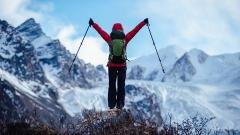
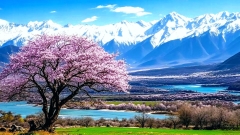
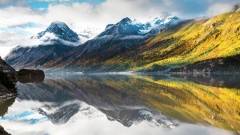
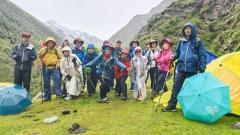
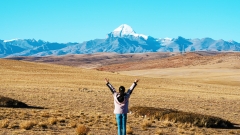
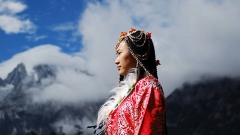
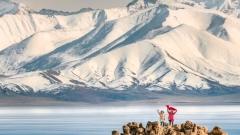
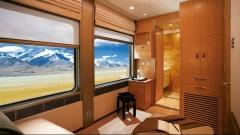
Tibet, this land on the roof of the world, is always on countless people’s must-visit lists. Those planning a trip for the first time often wonder, “Is Tibet worth going?” The answer is definitely yes. It boasts crystal-clear blue skies, sacred lakes, magnificent temples, and the simple, honest Tibetan culture – everywhere can soothe the soul. However, traveling on the plateau differs from traveling on the plains; advance planning is essential to fully enjoy the journey. The following guide covers attractions, climate and clothing, transportation, and cuisine, providing you with a highly practical travel guide to Tibet.
Tibet Must-Visit Attractions: Experience the Plateau’s Ultimate Scenery and Culture
Potala Palace (Lhasa)
The Potala Palace is Tibet’s iconic landmark, first built in the 7th century AD. It is a sacred site of Tibetan Buddhism and the world’s highest palace complex. Built against a mountain, its red-and-white walls and golden roofs shine brightly under the sun. The palace houses numerous murals, thangkas, Buddha statues and cultural relics, recording Tibet’s history and culture.
Practical Tips: Book tickets 1–7 days in advance on the official platform; daily visitor numbers are limited. Morning slots are recommended for better photography lighting. Follow rules inside: no shorts or miniskirts, no loud talking, and strictly no photos in restricted areas.
Jokhang Temple (Lhasa)
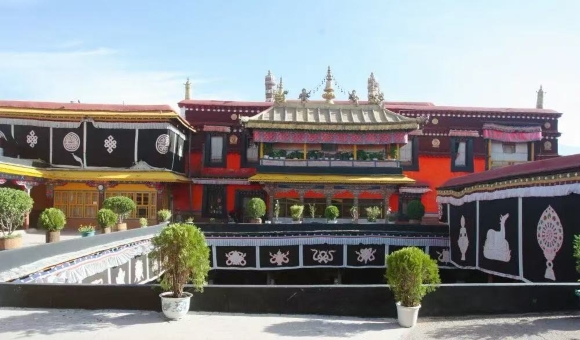
Located in the heart of Lhasa’s old town, Jokhang Temple is a sacred place for Tibetan Buddhist believers, enshrining a 12-year-old statue of Sakyamuni. Countless pilgrims come to worship here daily, creating a strong religious atmosphere. Barkhor Street outside the temple is Lhasa’s busiest kora route and commercial street. Walking along the kora route lets you experience the rich Tibetan lifestyle.
Practical Tips: Remove shoes before entering; bring shoe covers for convenience. A guided tour is recommended to learn more about the temple’s history and Tibetan Buddhist culture. Compare prices before buying specialties on Barkhor Street and confirm product quality first.
Jokhang Temple
Nam Co (Damxung County/Bangor County)
Nam Co is one of Tibet’s three sacred lakes, with an altitude of 4,718 meters. Its crystal-clear blue waters look like a huge sapphire inlaid on the plateau. To the south lies the snow-capped Nyainqêntanglha Mountains, and the combination of snow mountains and the lake creates breathtaking scenery. Tashi Peninsula by the lake is the best spot to watch the sunrise and sunset over Nam Co.
Practical Tips: Nam Co is high-altitude and cold; bring a thick coat even in summer. Accommodation by the lake is limited to simple tents or prefabricated houses, so book in advance. Mobile signals are weak in some areas; download offline maps beforehand.
Yamdrok Lake (Nagarze County)
Yamdrok Lake, or Yamdrok Yumtso for short, is another of Tibet’s three sacred lakes, at an altitude of 4,441 meters. The lake’s color changes with light. From a distance, its layered blue waters wind through mountains like a blue ribbon. The road along the lake is the best route to admire Yamdrok Lake, with multiple viewing platforms offering different angles for photography.
Practical Tips: No entrance fee for the scenic area, but small parking fees apply at some viewing platforms. Strong winds blow by the lake; stay windproof and warm. Do not feed the cattle and sheep by the lake to respect the local ecology.
Nyingchi Lulang Forest Sea (Bayi District, Nyingchi City)
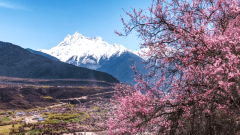
Nyingchi is known as “Tibet’s Jiangnan”, and Lulang Forest Sea is one of its iconic attractions. It features dense spruce and pine forests, dotted with Tibetan villages, with snow-capped mountains in the distance, creating a fairy-tale landscape. Every spring, when peach blossoms bloom in Nyingchi, the combination of Lulang Forest Sea and peach blossoms is even more stunning.
Practical Tips: The best travel seasons are spring (March–April, peach blossom season) and autumn (September–October, colorful forest season). Horse riding and hiking are available in the scenic area; choose based on your physical condition. Nyingchi has a low altitude, making it ideal for acclimatization when first arriving in Tibet.
Tashilhunpo Monastery (Shigatse)
Tashilhunpo Monastery is the largest monastery in Tibet’s Tsang region, founded in 1447 and one of the six major monasteries of the Gelugpa sect. It enshrines the world’s largest seated bronze Buddha statue—the Maitreya Buddha, which is 26.2 meters tall and took 11 years to build, an awe-inspiring sight. Built against a mountain, the monastery has a grand architectural style, and pilgrims stream along the kora route around it.
Practical Tips: Shigatse is about 300 kilometers from Lhasa; travel by chartered car or long-distance bus. Follow the monastery’s rules during the visit; do not touch Buddha statues and cultural relics arbitrarily. There are many steps in the monastery; wear comfortable shoes.
Tibet Climate & Clothing Guide: Cope with the Plateau’s Changeable Weather
Climate Characteristics of Tibet
Tibet has a plateau temperate semi-arid monsoon climate, with extreme temperature differences between day and night—a common saying describes it as “wearing a cotton-padded jacket in the morning and silk in the afternoon”. Ultraviolet radiation is strong, and annual sunshine hours exceed 3,000 hours. Precipitation is concentrated in summer, mostly as night rain, with sunny days during the day. Some high-altitude areas are cold year-round, and snow may fall even in summer.
Climate varies slightly by region: Lhasa and Shigatse have moderate altitudes and relatively mild climates; high-altitude areas such as Nam Co and Everest Base Camp have cold climates and fast-changing weather; Nyingchi has a low altitude and humid climate, with more precipitation in summer.
Seasonal Clothing Recommendations
– Spring (March–May): Temperatures rise gradually, but day-night temperature differences remain large, with daytime averages of 10–18℃ and nighttime averages of 0–5℃. Clothing suggestions: long-sleeved T-shirts or thin hoodies as inner layers, fleece jackets or thin down jackets as middle layers, and windproof outerwear; match with long pants and prepare a pair of fleece pants; choose waterproof and non-slip hiking shoes; carry scarves and hats to keep warm in the morning and evening.
– Summer (June–August): Tibet’s rainy season, with daytime averages of 15–25℃ and nighttime averages of 8–12℃, cool and comfortable. Clothing suggestions: short-sleeved or long-sleeved quick-drying clothes as inner layers, thin jackets (e.g., windbreakers) as middle layers to cope with rain and temperature drops; wear long pants to avoid mosquito bites and UV damage; carry rain gear (raincoats are recommended for outdoor activities); bring an extra thick coat for high-altitude areas like Nam Co.
– Autumn (September–October): Tibet’s golden tourist season, with sunny weather and larger day-night temperature differences, daytime averages of 10–20℃ and nighttime averages of 0–8℃. Clothing suggestions: similar to spring—long-sleeved inner layers, fleece jackets or thin down jackets as middle layers, and windproof windbreakers as outer layers; less precipitation in autumn but strong UV radiation, so sun protection equipment is essential.
– Winter (November–February): Cold, with daytime averages of -5–10℃ and nighttime averages of -15 to -5℃, even lower in some areas. Clothing suggestions: thermal underwear as inner layers, thick sweaters or fleece jackets as middle layers, and heavy down jackets or windbreakers as outer layers; wear thick fleece pants, paired with thermal pants if needed; choose high-top waterproof snow boots; wear thick hats, scarves and gloves, exposing as little skin as possible.
Essential Item List for Tibet Travel
– Sun Protection Products: High-SPF sunscreen (SPF50+, PA++++), sun protection clothing, sun hats, sunglasses, sun protection masks—Tibet has extremely strong UV radiation, and sunburn can occur easily without proper protection.
– Warm-Keeping Products: Portable down jackets or windbreakers, fleece jackets, thermal underwear, scarves, gloves—to cope with the plateau’s low temperatures and large temperature differences.
– Other Items: Comfortable hiking shoes or sports shoes, waterproof rain gear, insulated water bottles (drinking hot water is very important on the plateau), lip balm (to prevent chapped lips), moisturizing cream (to relieve dry skin).
Transportation Guide: Travel Around Tibet in Various Ways
Ways to Enter Tibet
– By Plane: Tibet has several airports, including Lhasa Gonggar International Airport, Nyingchi Mainling Airport, and Shigatse Peace Airport. Lhasa Gonggar International Airport is the main transportation hub for entering Tibet, with direct flights from many domestic cities such as Beijing, Shanghai, Chengdu, Chongqing and Xi’an.
Advantages: Saves time, suitable for travelers with tight schedules. Disadvantages: Direct flights are relatively expensive, and some people may experience altitude sickness due to rapid arrival at the plateau.
Practical Tips: Choose afternoon or evening flights; rest immediately after arrival to reduce the impact of altitude sickness. Do not exercise vigorously after getting off the plane; walk slowly to allow your body to acclimatize gradually.
– By Train: Taking the train to Tibet is the first choice for many travelers. Multiple domestic railway lines lead to Lhasa, such as Beijing West–Lhasa, Shanghai–Lhasa, Guangzhou–Lhasa and Chengdu–Lhasa.
Advantages: Affordable prices; enjoy the changing scenery from plains to plateaus along the way, allowing your body to adapt to rising altitude gradually and reducing the risk of altitude sickness. Disadvantages: Time-consuming, with some routes taking over 30 hours.
Practical Tips: Choose sleeper carriages for better rest; oxygen supply is available on trains to Tibet, which can be used as needed. Do not open windows along the way to avoid cold air entering the carriage and causing colds.
Transportation Within Tibet
– Chartered/Shared Car: This is the most recommended way to travel within Tibet, especially for visiting attractions such as Nam Co, Yamdrok Lake, Nyingchi and Everest Base Camp. Chartered or shared cars are flexible and convenient, allowing you to stop for photos at any time.
Practical Tips: Choose vehicles from regular travel agencies or platforms, sign detailed contracts, and clarify the itinerary and stay time to avoid disputes.
– Public Transportation: Lhasa has buses and taxis, with affordable bus fares and moderate taxi starting fares, convenient for travel. Long-distance buses run from Lhasa to cities like Shigatse and Nyingchi; they take longer but allow you to experience the scenery along the way up close.
Practical Tips: Long-distance bus schedules are limited; check timetables and buy tickets in advance. Some remote attractions are not accessible by public transportation, so it is not recommended to rely solely on public transport.
– Rental Car for Self-Driving: Suitable for travelers with rich driving experience. Major highways in Tibet are in good condition, such as the Beijing-Tibet Expressway and Lhasa-Nyingchi Expressway, but some remote sections have complex road conditions with many mountain roads.
Advantages: Flexible itinerary, allowing you to adjust the route at any time. Disadvantages: Plateau driving requires high physical strength and driving skills; a border pass is required for some areas.
Practical Tips: Choose vehicles with good performance, preferably four-wheel-drive SUVs. Plan the route in advance and download offline maps before self-driving. Obey traffic rules; there are many curves on the plateau, so do not speed.
Tibetan Food Guide: Taste the Unique Flavors of the Plateau
Tibetan food carries the unique mark of the plateau. Most ingredients are locally sourced, with bold and mellow tastes and strong Tibetan customs, making it an unmissable experience during a trip to Tibet. Below are must-try foods and practical tips to help you better enjoy plateau flavors.
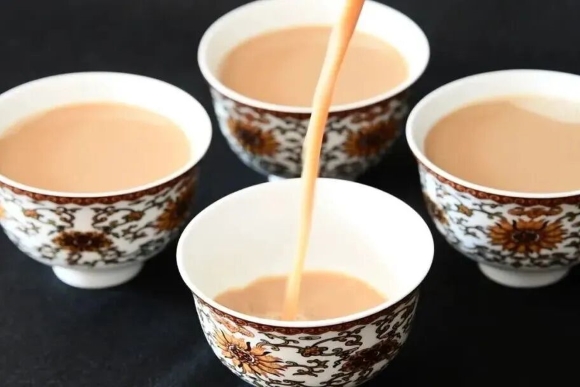
- Butter Tea: A daily drink of the Tibetan people and an effective helper for relieving altitude sickness. Made by whipping butter, tea leaves and salt with special techniques, it has a mellow taste. It may feel greasy at first, but you will grow to love it. It provides heat for the body, ideal for drinking in high-altitude areas.
- Zanba:The staple food of the Tibetan people, made by stir-frying highland barley flour, with a taste similar to roasted flour. To eat, put highland barley flour into a bowl, add butter tea or milk tea, and knead into small balls by hand. Easy to carry, it is perfect for satisfying hunger during travel.
- Tibetan Pork: A specialty ingredient of Tibet, raised on plateau meadows and fed on cordyceps, fritillaria and other herbs, resulting in firm and fresh meat. It can be cooked in various ways, such as barbecued or stewed. Barbecued Tibetan pork has crispy skin and juicy meat, a favorite of many travelers.
- Yak Beef Jerky: Yak beef is an iconic plateau ingredient. Yak beef jerky is made by air-drying, with chewy meat and delicious taste, an excellent travel snack.
- Tibetan Noodles: A common street snack in Lhasa, made from highland barley flour, with chewy texture. Paired with beef soup and red oil, it tastes fresh, fragrant and spicy, and one bowl is enough to fill you up.
- Sweet Tea: Another daily drink of the Tibetan people, with a sweet taste similar to milk tea. More easily accepted by foreign tourists than butter tea, it is a bestseller in street teahouses.
- Highland Barley Wine:Made by fermenting highland barley, with low alcohol content and a sweet and refreshing taste. It is an indispensable drink during Tibetan festivals; drinking in moderation lets you experience the festive atmosphere of the plateau.
Butter Tea
Practical Travel Tips: Avoid Pitfalls for a Tibet Smooth Journey
- Altitude Sickness Prevention: Take Rhodiola rosea 1–2 weeks in advance for prevention. After arriving on the plateau, do not exercise vigorously; rest more and drink plenty of water. If you experience symptoms such as headache, dizziness or chest tightness, take altitude sickness medicine or glucose oral liquid. Seek medical attention or oxygen in time if symptoms are severe. Do not take a bath or wash your hair immediately to avoid colds that may trigger high-altitude pulmonary edema.
- Border Pass Application: A border pass is required to visit border areas such as Everest Base Camp, Ngari Prefecture and Medog County. It can be applied for free at the public security bureau in your place of household registration, or through formal channels in Lhasa, with your ID card required for application.
- Respect Local Customs: Remove your hat when entering temples; do not wear shorts or miniskirts. Do not watch or take photos of Tibetan religious activities. Do not touch the heads of Tibetan people arbitrarily. Do not bargain randomly if you do not intend to buy specialties.
- Shopping Suggestions: Tibet’s specialties include yak beef jerky, Tibetan incense, thangkas and highland barley wine. It is recommended to buy them in regular supermarkets or stores. Thangkas are relatively expensive; distinguish between genuine and fake products to avoid buying counterfeits.
- Safety Precautions: Road conditions on the plateau are complex; pay attention to driving safety when self-driving or traveling by chartered car. Do not go to undeveloped areas alone. Carry your ID card at all times, as inspections are frequent in Tibet. Take good care of your personal belongings to avoid loss.
After reading this guide, I believe you have a clear answer to “Is Tibet worth visiting?” The beauty of Tibet is soul-stirring and indescribable in words. Every mountain, every lake and every temple here has its unique charm. With thorough preparations, attention to altitude sickness and respect for local customs, you can start an unforgettable plateau journey. Whether you are pursuing the footsteps of faith or admiring stunning scenery, Tibet will not disappoint you. If you want to plan a Tibet trip effortlessly, choose an experienced travel agency. China Dragon Travel offers a variety of premium Tibet travel routes, with a professional team to escort you throughout the journey, helping you easily encounter the breathtaking scenery of the plateau holy land.