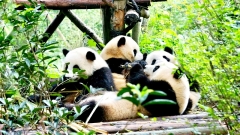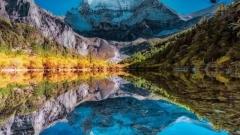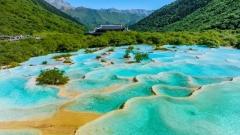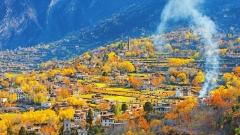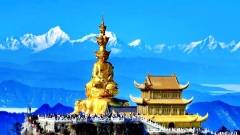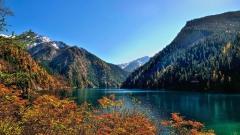

Jiuzhaigou, located in the Aba Tibetan and Qiang Autonomous Prefecture of Sichuan Province, is renowned worldwide for its unique karst landscapes, colorful forests, emerald lakes, and multi-level waterfalls, earning it the title of “Fairy Tale World.” It features five standout scenic elements: turquoise lakes, layered waterfalls, vibrant forests, snow-capped peaks, and Tibetan culture, attracting millions of visitors each year. Due to the vast scale of the scenic area, travel expenses involve multiple aspects, and reasonable budget planning can make your journey smoother and more enjoyable. With this detailed cost guide, you will clearly understand all the expenses involved in a Jiuzhaigou trip, allowing you to create the most suitable itinerary and leave with beautiful memories of this earthly paradise.
Complete Analysis of Jiuzhaigou Travel Costs
Scenic Area Tickets and Transportation Costs: A Detailed Guide for Cost
Jiuzhaigou Scenic Area implements a visitor limit and reservation system. Ticket prices vary by season and must be booked in advance on the official platform.
Ticket Fees:
- Peak Season (April 1–November 15): Ticket 169 RMB/person + Sightseeing Bus Ticket 90 RMB/person
- Off-Season (November 16–March 31 of the following year): Ticket 80 RMB/person + Sightseeing Bus Ticket 80 RMB/person
- Discounted Tickets: Students, seniors, etc., are eligible for half-price tickets
- Re-entry: 20 RMB/person (must be arranged when purchasing the ticket on the first day)
- Special Attractions: Some spots, such as Long Lake and Five-Color Pond, require separate reservations
Transportation Options:
- Plane: From Chengdu Shuangliu Airport to Jiuzhai Huanglong Airport, one-way tickets cost 800–1,500 RMB, with a flight time of about 1 hour. Note that Jiuzhai Huanglong Airport is at an altitude of 3,448 meters, which may cause altitude sickness, so prepare in advance. Upon arrival, take the airport shuttle to the scenic area for about 45 RMB/person, with a travel time of approximately 1.5 hours.
- Long-Distance Bus: From Chengdu Xinnanmen Station to Jiuzhaigou, tickets cost 150–200 RMB, with a travel time of 8–10 hours. It is recommended to choose a business-class bus for greater comfort. The route passes through cities like Dujiangyan and Wenchuan, offering views of the magnificent Minjiang River Valley.
- Self-Driving: From Chengdu to Jiuzhaigou via the Duwen Expressway, the total distance is about 400 km, with tolls around 150 RMB. Fuel costs depend on the vehicle. The advantage of self-driving is the flexibility to stop for photos, but be aware of complex mountain road conditions, especially during the rainy season when landslides may occur.
- Chartered Car: A one-way trip from Chengdu to Jiuzhaigou in a 5-seater car costs about 1,200–1,500 RMB, with stops along the way for sightseeing. It is recommended to choose vehicles fromformal travel agencies to ensure safety. Drivers are usually familiar with the attractions and can take you to less crowded but scenic spots.
Comprehensive Analysis of Accommodation Costs: From Cost-Effective to Luxurious Styles
Jiuzhaigou accommodations are mainly divided into two areas: hotels near the gorge entrance and hotels in Zhangza Town, with significant price differences. Options range from budget to luxury.
Gorge Entrance Hotels:
- Budget: 200–400 RMB/night, such as chain hotels like 7 Days and Home Inn, within a 10–15 minute walk to the scenic area entrance. These hotels are affordable, fully equipped, clean, and tidy, suitable for budget-conscious travelers.
- Comfort: 500–800 RMB/night, equipped with heating, hot water, and free Wi-Fi, some including breakfast. These hotels often feature Tibetan-style decor, allowing guests to enjoy modern amenities while experiencing local cultural characteristics.
- Luxury: 1,000–2,000 RMB/night, such as international chain hotels like InterContinental Jiuzhai Paradise and Sheraton. These hotels not only offer comprehensive facilities but also often include hot springs, spas, and other leisure amenities, suitable for travelers seeking comfort.
Zhangza Town Hotels:
- Prices are about 30% cheaper than gorge entrance hotels, but require transportation to the scenic area. Zhangza Town is the county seat of Jiuzhaigou, with more complete living facilities, including supermarkets, banks, and hospitals.
- Tibetan-Style Guesthouses: 300–500 RMB/night, offering a chance to experience Tibetan culture. These guesthouses are usually run by local Tibetan families, where you can taste authentic Tibetan cuisine and learn about Tibetan customs.
- Hot Spring Hotels: 600–1,000 RMB/night, some including hot spring experiences. The Jiuzhaigou area is rich in geothermal resources, and soaking in hot springs can relieve travel fatigue while offering a local experience.
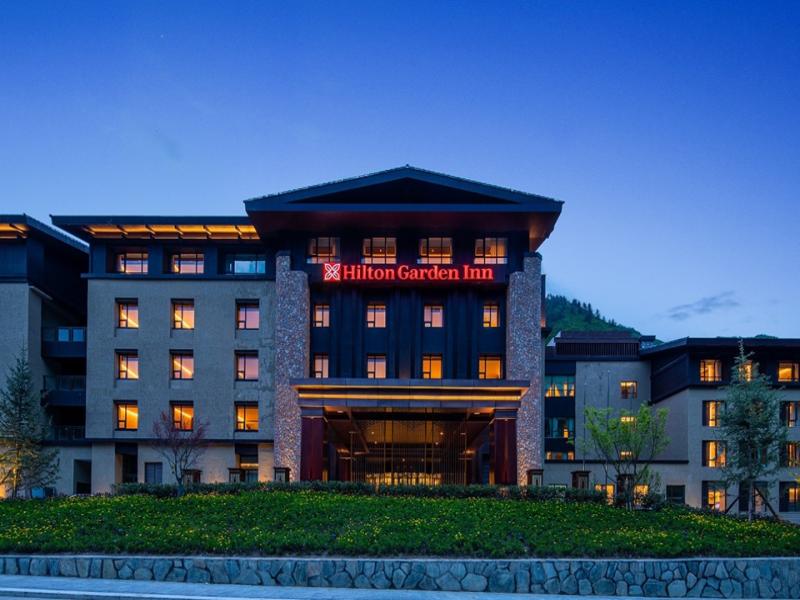
Zhangza Town Hotels at night
During holidays like National Day and Labor Day, prices increase by 50%–100%. It is recommended to book one month in advance and choose room types with free cancellation in case of itinerary changes. Consider booking hotels with shuttle services for convenient travel to and from the scenic area.
Dining and Local Delicacy Costs:A Must-try Tibetan Dishes
Jiuzhaigou’s dining options primarily feature Sichuan cuisine and Tibetan flavors, with relatively high prices. Due to its remote location, most ingredients are transported from elsewhere, which is the main reason for the higher dining costs. However, the local delicacies are definitely worth trying.
Daily Dining:
- Breakfast: 15–25 RMB/person (porridge, steamed buns, eggs, side dishes). It is recommended to choose breakfast provided by the hotel for better value. If staying in a guesthouse, you can often enjoy authentic Tibetan breakfasts, such as tsampa and butter tea.
- Lunch: Buffet in the scenic area costs 60–98 RMB/person, or you can bring your own food. Designated dining areas in the scenic area offer buffets with a variety of meat, vegetable, fruit, and beverage options.
- Dinner: 40–80 RMB/person (stir-fried dishes, rice). In the evening, you can dine at hotel restaurants or town eateries. It is recommended to try local mushroom dishes, such as matsutake and morel mushrooms.
Local Delicacies:
- Tibetan Hotpot: 80–120 RMB/person. Made primarily with yak meat and paired with local mushrooms and wild vegetables, the broth is delicious and especially popular in cold weather.
- Yak Meat: 60–80 RMB/serving. Options include stir-fried yak meat and dried yak meat, both tender and nutritious.
- Butter Tea: 15–25 RMB/pot. A daily drink for Tibetans, it helps ward off cold and keep warm. It may take some getting used to, but it has a unique flavor.
- Highland Barley Wine: 20–40 RMB/glass. Brewed from highland barley, it has a low alcohol content and a unique taste, making it an essential part of experiencing Tibetan culture.
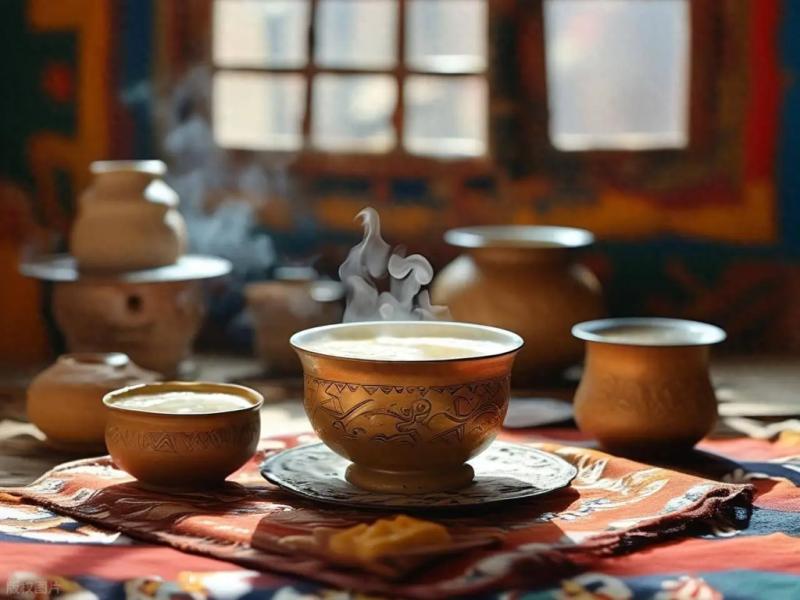
Must-Try Tibetan Butter Tea
Itinerary Planning and Guide Fees
A typical Jiuzhaigou itinerary is recommended for 2–3 days to fully explore the attractions.
One-Day Tour:
- Cost: 300–500 RMB/person (includes tickets, sightseeing bus, lunch)
- Advantages: Compact schedule, suitable for time-limited travelers
- Disadvantages: Tiring itinerary, no in-depth exploration
- Recommended Route: Scenic Area Entrance → Mirror Lake → Five-Flower Lake → Nuorilang Waterfall → Long Lake → Five-Color Pond
Two-Day Tour:
- Cost: 600–900 RMB/person (includes accommodation, meals, tickets)
- Recommended Route: Day 1 explore Rize Valley, Day 2 explore Zechawa Valley
- Special views like morning fog on Mirror Lake can be enjoyed
- It is recommended to stay overnight in the scenic area to experience the serene beauty of early morning without crowds
Three-Day Tour:
- Cost: 900–1,300 RMB/person
- Allows in-depth exploration of main attractions
- Includes nearby spots like Huanglong Scenic Area
- Time to experience Tibetan cultural activities
Guide Services:
- Standard Guide: 200–300 RMB/day. Provides basic information about attractions and arranges reasonable itineraries.
- Professional Photography Guide: 400–600 RMB/day. Familiar with the best shooting spots and times, offers photography guidance.
- TibetanLanguage Guide: 300–400 RMB/day (offers deeper insights into Tibetan culture). Can take you to experience authentic Tibetan life and understand Tibetan cultural connotations.
Other Expenses for Jiuzhaigou Tour
Travel Insurance:
- Basic Insurance: 30–50 RMB/day (includes medical rescue). Highly recommended, especially for special situations like altitude sickness.
- Comprehensive Insurance: 80–120 RMB/day (includes trip cancellation, lost luggage). Suitable for longer trips or travelers carrying valuables.
Equipment Rental:
- Non-Slip Shoe Covers: 20–30 RMB/day (essential during the rainy season). Jiuzhaigou’s paths can be slippery in the rain, making anti-slip equipment important.
- Oxygen Canister: 25–35 RMB/can (for preventing altitude sickness). Although Jiuzhaigou’s altitude is not extremely high, some spots like Long Lake are at higher elevations, making a backup oxygen canister a wise choice.
Souvenir Purchases:
- Tibetan Handicrafts: 50–200 RMB. Items like prayer wheels, thangka paintings, and Tibetan silver jewelry with strong ethnic characteristics.
- Dried Yak Meat: 80–120 RMB/jin. A local specialty; it is recommended to purchase fromformal stores to ensure quality.
- Saffron: Price varies by quality. Has medicinal value; be cautious to identify authenticity when purchasing.
Jiuzhaigou Seasonal Price Differences: Arrange Your Tour in Advance
Jiuzhaigou travel costs vary significantly by season. Planning your trip during the right time can save substantial expenses. Each season in Jiuzhaigou has its unique charm, and understanding these characteristics helps in itinerary planning.
Peak Season (April–November):
- Accommodation prices increase by 50%–100%
- Fewer discounts on airfares
- Crowds of tourists, may require queuing
- Best viewing period: Mid-to-late October for colorful forests
- July–August rainy season, waterfalls are full
- May–June rhododendrons in bloom
Off-Season (December–March):
- Accommodation prices drop by 30%–50%
- Airfares often discounted by 60%–70%
- Fewer tourists, better travel experience
- Winter landscapes are uniquely charming
- Some attractions may close due to snow; prepare cold weather gear
Frequently Asked Questions about Jiuzhaigou Travel
Q1: How many days are needed for Jiuzhaigou?
It is recommended to spend at least 2 days to fully explore the main attractions. Photography enthusiasts can arrange 3 days to capture the best light and scenery. If time permits, 4–5 days can include nearby attractions.
Q2: When is the best time to visit Jiuzhaigou?
Mid-to-late October: Colorful forest season, the most beautiful scenery.
July–August: Summer retreat, abundant water flow.
Winter: Fewer tourists, discounted prices.
April–May: Spring ambiance, rhododendrons in bloom.
Q3: Is it necessary to hire a guide?
First-time visitors are advised to hire a guide.
Experienced travelers can explore on their own.
Photography guides can take you to the best shooting spots.
Half-day guide services are a cost-effective option.
Q4: How to prevent altitude sickness?
Take Rhodiola in advance.
Avoid strenuous exercise.
Prepare oxygen canisters as backup.
Maintain a positive mindset and avoid excessive anxiety.
Q5: How to arrange transportation within Jiuzhaigou Scenic Area?
Sightseeing buses are the main mode of transportation. Major attractions have bus stops. Sightseeing bus tickets are valid for the day and allow multiple rides. Some sections can be explored on foot for a better experience.
Jiuzhaigou travel recommendations should be based on personal budget and needs to choose the most suitable travel plan. Whether it’s a budget or luxury itinerary, Jiuzhaigou’s stunning landscapes are worth savoring. Wishing you a memorable experience in this fairy-tale world!