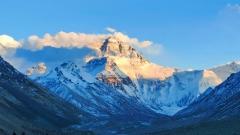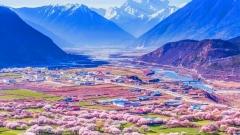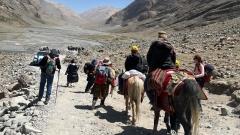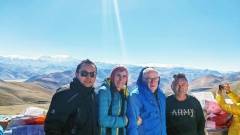

As a world-renowned holy mountain, Kailash stands on the Tibet Ali Plateau. Its unique plateau climate gives rise to changeable weather, adding profound sacredness and mystery to the region. For travelers planning pilgrimages, circumambulation, or photography, understanding Kailash weather patterns is essential for a seamless journey. Kailash features distinct seasonal weather landscapes: residual snow in spring, misty summers, clear autumn skies, and harsh winter cold, each demanding unique travel experiences and preparation priorities. Below is a comprehensive analysis of Kailash weather, covering annual characteristics, seasonal details, optimal trekking windows, and safety response strategies, designed to offer detailed references for your holy mountain adventure.
Understanding Kailash Weather: Core Characteristics of Plateau Climate
Special Climate Type: It belongs to a typical plateau monsoon climate with an average altitude of over 4500 meters. The unique geographical environment creates exclusive weathercharacteristics, which directly affect travel planning and physical adaptation.
Dramatic Temperature Difference: The daily temperature difference often reaches more than 15°C. When the sun is abundant during the day, the temperature can rise to about 15°C, and drop sharply to below -10°C or even lower at night.
Arid with Concentrated Precipitation: The annual precipitation is less than 300 millimeters, and most of the rainfall is concentrated in the rainy season from July to August. The air is extremely dry in other seasons, and there are often sandstorms in spring and autumn.
Strong Sunshine and High Radiation: The annual average sunshine duration exceeds 3000 hours, and the ultraviolet radiation index remains high. In addition, the high altitude brings low air pressure and low oxygen content, which requires advance adaptation.
Detailed Seasonal Explanations: Seasonal Landscapes and Travel Suggestions of Kailash Weather
Spring: Transparent Time with Residual Snow (March – May)
- Overall Weather Characteristics: Dominated by sunny and cold weather, residual snow has not yet melted, and some mountain road sections are frozen or covered with snow, bringing certain challenges to travel.
- Monthly Temperature Changes: March is the coldest, with an average temperature of -10°C to 5°C and an extreme low temperature of -29°C; the temperature rises gradually in April, and the wind speed weakens; the temperature warms up significantly in May, with an average temperature of -10°C to 5°C.
- Advantages of Travel Experience: In May, the air transparency is high, and the visibility of snow-capped peaks is excellent, making it an ideal choice for photographers and first-time travelers to Tibet.
Combined with the characteristics of Kailash weather in spring, targeted preparations are required for traveling. The specific key points are as follows:
Core Response Focus: Focus on resisting low temperatures and preventing slipping to cope with residual snow and frozen road sections.
Equipment Carrying Suggestions: Carry thick warm clothes, equip with non-slip high-top hiking shoes and gaiters; do a good job in sun protection and hydration to cope with dry air and strong ultraviolet rays.
Travel Planning Reminder: In the Year of the Horse 2026, the scenic spot will officially open on April 25th, and it will be in a trial operation stage before that. It is necessary to check the announcement in advance and book tickets.
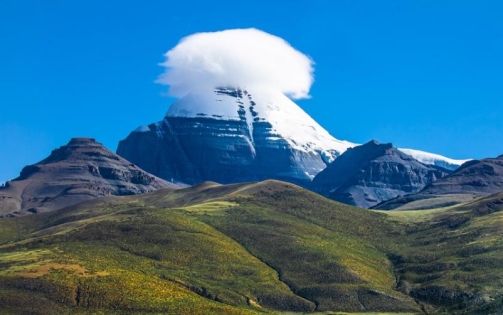
Spring at Mount Kailash
Summer: Warm and Rainy Misty Season (June – August)
- Core Seasonal Weather: The warmest season of the year and the only rainy season, dominated by warm and cloudy weather with occasional short showers, and the misty scenery is unique.
- Monthly Weather Differences: The weather is stable in June with less precipitation and low tourist flow, providing high comfort; the rainy season peaks from July to August, with frequent short thunderstorms and showers, and the beautiful scenery of mist surrounding the mountains is easy to appear after rain.
- Temperature and Pilgrimage Attribute: The maximum daytime temperature can reach 18°C, and the nighttime temperature is about 0°C to 5°C. The mild temperature makes trekking easier to persist, and it is also the peak season for Tibetan people’s large-scale trekking pilgrimages.
Kailash weather is changeable in summer, so it is necessary to pay equal attention to rain protection and warmth. Combined with the characteristics of the rainy season and temperature, the key points of travel preparation and itinerary planning are as follows:
Core Protection Focus: The temperature drops sharply after rain and hail and strong winds are likely to occur. It is necessary to carry windproof and waterproof jackets, disposable raincoats and other equipment.
Travel Safety Reminder: Roads are prone to mud and collapse in the rainy season. When trekking, you need to move forward cautiously and pay close attention to real-time weather forecasts.
Itinerary Adjustment Suggestion: If traveling in August, you can postpone it to after the 25th to avoid the peak of the rainy season and summer tourist flow and improve travel comfort.
Autumn: Golden Time with Clear Skies (September – October)
- Advantages of Seasonal Weather: The best travel season of the year, with stable climate, fresh air and clear skies, it is a golden time for trekking and photography.
- Monthly Feature Distinction: The humidity fades in September, with little precipitation and blue sky, and the visibility rate of golden mountain peaks exceeds 90%; the visibility reaches its peak in October, the temperature drops significantly, and the night becomes extremely cold.
Although Kailash weather in autumn is the best of the year, the temperature gradually decreases and the tourist flow is concentrated. It is necessary to make preparations in combination with weather characteristics and scenic spot policies to ensure a comfortable and safe trip. The specific key points are as follows:
Warm Equipment Preparation: The temperature decreases with the season. It is necessary to carry thick warm equipment such as thick down jackets, windproof gloves and warm neck gaiters to resist low temperatures.
Outdoor Safety Prevention: Although the weather is stable, the average daily maximum wind speed in October exceeds 13 km/h. Strong winds may affect outdoor activities, so it is necessary to pay attention to wind speed changes in advance.
Travel Booking Reminder: The autumn of the Year of the Horse 2026 is a peak tourist season. The scenic spot implements a reservation and limit policy of 2000 people per day. Tickets and accommodation from September to October need to be booked more than 3 months in advance.
Winter: Solemn Land of Severe Cold and Closed Mountains (November – February of the next year)
- Overall Weather Status: Extremely harsh, severely cold and closed mountains, not suitable for ordinary travelers to visit.
- Performance of Severe Weather: The average temperature is below -15°C, the extreme low temperature is below -27°C, strong winds and blizzards occur frequently, and the snow depth is 40-80 centimeters.
- Scenic Spot and Rescue Situation: Roads are almost completely closed, the scenic spot is closed, only the Zhire Monastery has temporary supplies, and the rescue difficulty is extremely high.
Kailash weather is extremely harsh in winter. Although it has unique scenery that attracts photographers, the safety risk is extremely high. To help travelers clarify risks and make responses, the following sorts out the core key points from two aspects: travel suggestions and special needs preparation:
General Travel Reminder: No matter how devout the belief is, ordinary travelers are not advised to go in winter to avoid safety accidents such as being trapped or injured due to severe weather.
Special Needs Preparation: If it is really necessary to go, it is necessary to communicate and confirm with the scenic spot and rescue department in advance, equip with professional cold protection and rescue equipment, and travel in a group to ensure safety.
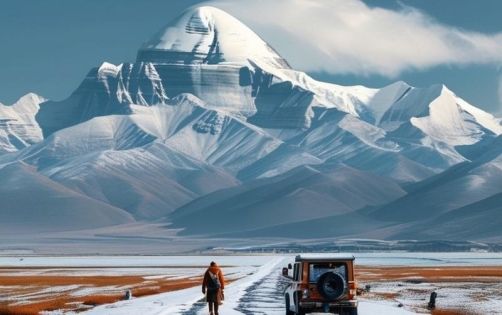
Winter at Mount Kailash
Must-Read for Trekking: Kailash Weather Windows and Safety Responses
Selected Trekking Weather Windows: Balancing Off-Peak Travel and Safety
Core Weather Windows: Late April to late June, early September to early October. The weather conditions are suitable for trekking and can be chosen according to needs.
Advantages of Recommended Periods: From April 25th to early May, the temperature rises, the tourist flow is small, and the trekking is quiet; from June 16th to 30th, the sunny day ratio exceeds 70%, the roads are dry, and it is friendly to beginners.
Reminder of Periods to Avoid: Closed mountain period from November to March of the next year, main rainy season from July to August, holidays in early May and Tibetan traditional festivals. The weather is harsh or the tourist flow is crowded during these periods.
Weather-Related Safety Strategies: Equipment and Emergency Preparation
Dressing Matching Principle: Adopt the “onion-style dressing method”, layer matching for easy adjustment to cope with temperature differences and sudden weather changes.
Core Equipment List: Windproof and waterproof jacket, quick-drying and breathable underwear, warm middle layer, high-top waterproof hiking shoes, matched with trekking poles, strong sunscreen, thermos and so on.
Emergency Preparation Key Points: Check the real-time weather before departure, and take shelter in time when encountering severe weather; remember the medical rescue points and rescue phones along the route, and stay calm and ask for help in case of emergency.
Weather Response Suggestions for Different Travel Needs
Photographers: Weather Choices for Chasing Light and Shadow
The key points of responding to Kailash weather vary according to different travel needs. Photographers and family travelers need to choose appropriate weather periods according to their own attributes, ensuring both experience and safety. The following are specific weather response suggestions for these two types of needs:
- Light and Shadow Shooting Periods: Sunny days in early September are suitable for shooting golden holy mountains and blue skies; early mornings or after rains from late June to early July are easy to shoot the fairyland feeling of mist surrounding the mountains.
- Equipment Protection Key Points: Equip with lens hoods to resist strong ultraviolet rays; carry spare batteries for heat preservation; use waterproof covers to protect equipment in rainy or snowy days.
Family Travel: Weather and Itinerary Planning Prioritizing Comfort
The core of family travel is comfort and safety. The choice of Kailash weather is crucial. It is necessary to select periods with suitable temperatures and stable weather according to the physical tolerance of the elderly and children, and avoid potential safety hazards caused by severe weather. The specific suggestions are as follows:
- Preferred Travel Periods: Late June or mid-September. During these periods, Kailash weather is stable, with many sunny days and comfortable temperatures, no extreme weather impact, and good road conditions, which are suitable for family travel.
- Periods to Avoid: Rainy season from July to August or winter from November to March of the next year. Roads are muddy and prone to accidents in the rainy season, and severe cold in winter is likely to cause physical discomfort.
Embark on a Perfect Holy Mountain Trip
Kailash’s changeable weather, a key charm of this sacred land, requires careful travel planning. Its core traits—dryness, cold, intense sunshine, variability—demand addressing large daily temperature swings, concentrated rainfall, and strong UV rays. Optimal travel windows (late April–late June, early September–early October) offer stunning vistas with minimal weather risks.
For any Kailash trip—pilgrimage, photography, or family travel—understanding its weather, preparing proper gear, and adjusting itineraries to weather changes ensure safe enjoyment of its sacred grandeur. This guide provides essential support for your unique spiritual journey.