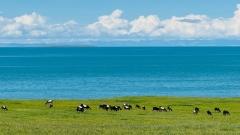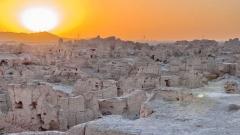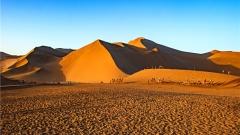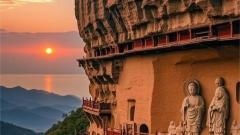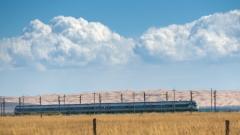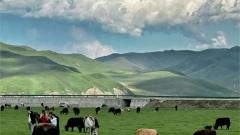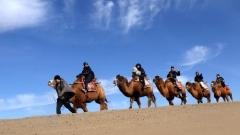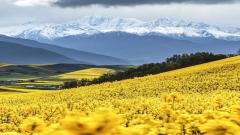

Traveling from Lanzhou to Dunhuang is more than just a transfer across Northwestern China—it’s a journey through the heart of the ancient Silk Road. Along the way, you’ll encounter dramatic landscapes, desert wonders, and cultural landmarks that define this region.
If you’re planning this route, the key question is not just how to get there, but what to see along the way. This guide highlights the must-see stops between Lanzhou and Dunhuang, helping you turn a long journey into a memorable travel experience.
Why This Route Is Worth Slowing Down
At first glance, Lanzhou to Dunhuang may seem like a straightforward point-to-point trip. High-speed trains and flights can connect the two cities efficiently.
However, choosing to travel overland reveals something much more valuable:
- A gradual transition from river valleys to deserts
- A mix of cultural heritage and natural wonders
- A deeper sense of the historical Silk Road atmosphere
Instead of rushing, taking 3–5 days allows you to fully experience the diversity of this route.
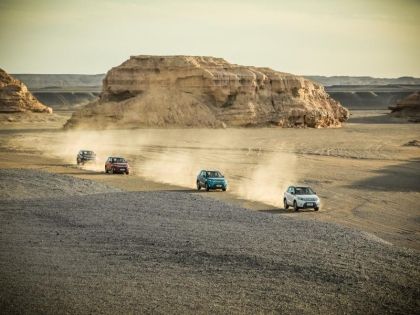
Dunhuang Self-Driving
Lanzhou: The Starting Point of the Journey
Lanzhou, the capital of Gansu Province, is often the gateway to Northwestern China.
Before heading west, it’s worth spending some time here:
- Walk along the Yellow River and see the iconic Zhongshan Bridge
- Visit the Gansu Provincial Museum for Silk Road history
- Try the famous Lanzhou beef noodles
Lanzhou provides both cultural context and a comfortable starting point for the journey ahead.
Zhangye: Rainbow Mountains and Unique Landscapes
Zhangye is one of the most visually striking stops on this route.
Zhangye Danxia National Geological Park, also known as the Rainbow Mountains, features layered rock formations in vivid colors. The best time to visit is during sunrise or sunset when the colors are most intense.
In addition, you can visit the Giant Buddha Temple in Zhangye, which adds a historical and cultural dimension to your stop.
Zhangye is often considered one of the highlights of the entire Lanzhou–Dunhuang journey.
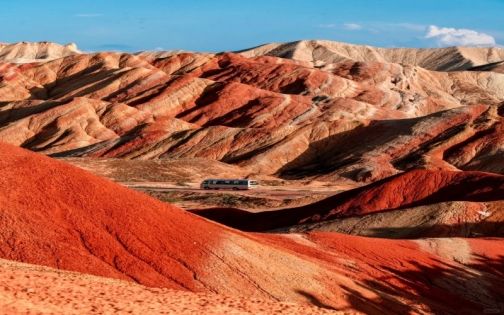
Colorful Danxia
Jiayuguan: The End of the Great Wall
Continuing west, Jiayuguan offers a completely different experience.
Jiayuguan Pass is known as the westernmost point of the Great Wall of China. Unlike the sections near Beijing, this part feels more remote and historically raw.
Here, you can explore:
- The fortress structure of Jiayuguan Pass
- Desert landscapes surrounding the wall
- The historical significance of the Silk Road frontier
It’s a place where history and geography intersect in a powerful way.
Yumen & the Gobi Desert: Vast and Untouched
As you move further west, the scenery becomes increasingly dramatic.
The region around Yumen introduces you to the vast Gobi Desert, with endless open land, wind-shaped terrain, and a sense of isolation that defines Northwestern China.
While there may not be as many “famous” attractions here, the journey itself becomes the highlight. The changing landscape—from grasslands to desert—is something you can’t fully appreciate from a plane or train.
Dunhuang: A Cultural and Natural Finale
Dunhuang is the grand finale of this route, combining history, art, and desert scenery.
Key highlights include:
Mogao Caves:
A UNESCO World Heritage Site featuring ancient Buddhist murals and sculptures
Mingsha Mountain & Crescent Lake:
Famous for sand dunes and the unique oasis landscape
Shazhou Night Market:
A lively place to experience local food and culture
Dunhuang captures the essence of the Silk Road and is one of the most rewarding destinations in Northwestern China.
Suggested Itinerary: 4 Days from Lanzhou to Dunhuang
If you want a balanced pace, a 4-day itinerary works well:
Day 1: Lanzhou → Zhangye (high-speed train or drive)
Day 2: Explore Zhangye Danxia and transfer to Jiayuguan
Day 3: Visit Jiayuguan Pass, travel across desert landscapes toward Dunhuang
Day 4: Explore Dunhuang (Mogao Caves, Mingsha Mountain)
This schedule allows you to see the key highlights without rushing.
Travel Tips for This Route
To make the most of your trip:
Consider overland travel:
Driving or joining a small group tour gives you flexibility to stop at scenic points
Prepare for climate changes:
Temperatures and conditions vary significantly between cities and desert region
Book key tickets in advance:
Especially for Mogao Caves, which have daily visitor limits
Bring sun protection:
The sun in Northwestern China can be intense, especially in desert areas
Turning a Journey into an Experience
The route from Lanzhou to Dunhuang is not just about reaching a destination—it’s about experiencing the changing landscapes and history of the Silk Road.
By stopping at Zhangye, Jiayuguan, and the desert regions in between, you transform a simple transfer into a layered यात्रा filled with natural beauty and cultural depth.
If time allows, don’t rush this route. Slow down, explore along the way, and you’ll discover that the journey itself is just as memorable as Dunhuang.