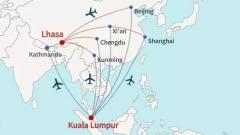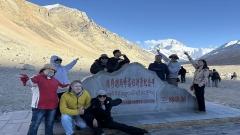

A journey from Lhasa to Mount Everest, the world summit, is a route of dreams and expectations. It is an immersive experience that takes you through the cultural heartland of Tibet, witnessing the blend of natural wonders and humanistic spirit. Along the way, you will pass through Shigatse and traverse the majestic Himalayas. This route encompasses sacred monasteries, magnificent lakes, towering mountains and idyllic villages. However, the high-altitude environment, complex transportation and remote location demand thorough planning. This article will break down the route from Lhasa to Everest, offer practical tips, helping you safely and smoothly finish this pilgrimage.
Travel Seasons for the Lhasa-Everest Trip
Tibet features a frigid highland climate with strong seasonal variations, so choosing the right travel time is crucial. Seasonal factors directly affect road conditions, scenery and altitude acclimatization. Below is a detailed breakdown of what to expect each season:
- Spring (April–May): Temperatures rise gradually, but the temperature difference between day and night remains significant, and some high-altitude areas still have snow cover. Visitor numbers are relatively low, prices are more budget-friendly, and visibility is excellent—making it an ideal time to admire snow-capped mountains. Be sure to prepare for cold winds and low temperatures.
- Summer (June–August): The climate is the mildest, with relatively higher oxygen levels, making it the traditional peak tourist season. Grasslands turn lush green, wildflowers bloom in full bloom, and the scenery is breathtakingly beautiful. However, this is also the rainy season, which may trigger mudslides or landslides on some road sections. Additionally, tourist crowds swell, leading to tight accommodation availability.
- Autumn (September–October): Generally regarded as the best travel season. The weather is stable with plenty of sunny days and exceptional visibility, making it the golden window to view the full panorama of Mount Everest. The landscape is painted in vibrant autumnal hues, presenting a magnificent scene. Note that visitor numbers surge around China’s National Day holiday.
- Winter (November–March of the following year): The climate is harsh and windy. Many accommodations and scenic spots may be closed, and transportation becomes inconvenient. This season is only suitable for experienced, cold-tolerant adventurers. The upside is that there are extremely few tourists, allowing you to enjoy the most tranquil and stunning snow-covered plateau scenery.
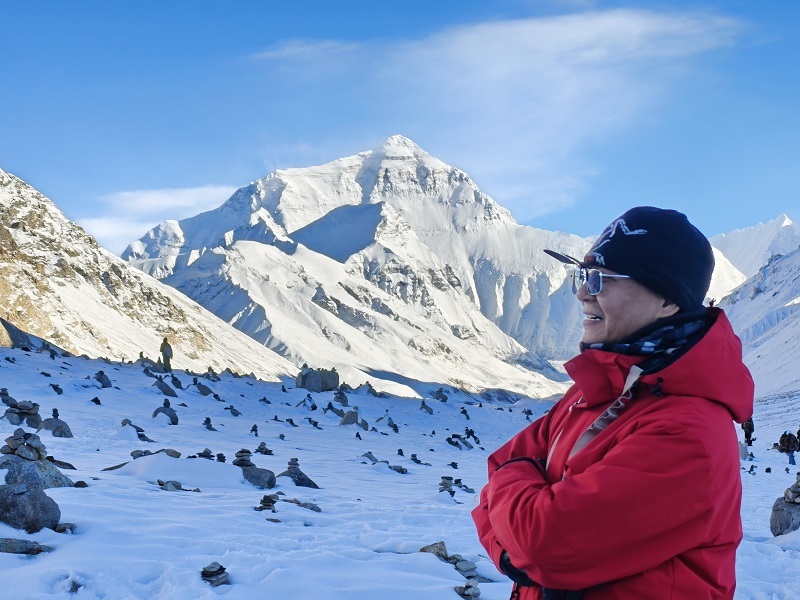
Mount Everest Tourist Photos
Travel Methods from Lhasa to Everest
Private Car Charter or Self-Driving
This is the most independent and in-depth travel option, allowing you to adjust your itinerary pace and stopover points according to your personal preferences to the greatest extent:
- Advantages: Flexible and highly autonomous—you are in full control of your travel schedule. It is particularly suitable for family trips. You can stop to enjoy the scenery at any time, making it ideal for in-depth exploration.
- Route Flexibility: In addition to major attractions like Yamdrok Lake, Karola Glacier, Shigatse and Everest Base Camp, you can visit some branch scenic spots if your schedule permits, or adjust your plan temporarily based on weather and road conditions.
- Vehicle Requirements: You must choose a high-performance four-wheel-drive off-road vehicle, and ensure the vehicle is equipped with snow chains and functional antifreeze. Ordinary sedans or urban SUVs are not recommended。
Carpooling or Small Group Tour
This is a popular choice that balances flexibility, social interaction and cost-effectiveness, suitable for most travelers:
- Advantages: Share transportation and guide costs with others, which is far more economical than private car charter. Professional travel agencies or clubs will arrange vehicles, drivers, guides and accommodation in a unified manner, eliminating the need for you to plan the details yourself.
- Notes: You need to carefully select a reputable travel agency or outdoor club in advance, and clearly confirm the itinerary, vehicle model, driver qualifications, as well as the inclusions and exclusions of the fees. Especially during the peak tourist season, you need to book your spot well in advance to ensure your trip goes ahead as planned.
Cycling or Hiking
This is an extreme challenge option, which is the ultimate test of physical strength, willpower and wilderness survival skills. It is only suitable for a small number of highly experienced outdoor adventurers. This method is only recommended for professionals with extensive experience in long-distance high-altitude cycling or hiking.
- Advantages: Experience every inch of the plateau in the slowest, most nature-immersive way, bringing an unparalleled sense of accomplishment.
- Notes: The entire journey involves comprehensive challenges including high altitude, long distances, drastic weather changes and complex road conditions. Therefore, you need to undergo long-term (at least one week is recommended) high-altitude acclimatization training in Lhasa and purchase professional equipment, which incurs relatively high costs.
Accommodation Along the Lhasa-Everest Route
Accommodation conditions vary greatly along the route, ranging from modern hotels in Lhasa to simple tents at the foot of Everest. You need to make adequate mental and material preparations.
- Lhasa Accommodation: Offers a wide range of choices, from five-star hotels to distinctive Tibetan-style inns and youth hostels. It is recommended to choose accommodation near the Potala Palace or Jokhang Temple for convenient travel and sightseeing.
- ShigatseAccommodation: As a relatively large city, it has well-equipped three to four-star hotels with relatively comprehensive facilities.
- Tingri/Xegar Town Accommodation: Mostly family-run guesthouses or budget hotels with basic conditions, but hot water and heating are guaranteed.
- Everest Base Camp Accommodation: Mainly tent guesthouses or simple houses built by local villagers, with shared dormitory-style beds and limited sanitation conditions. However, it provides a rare and unforgettable accommodation experience. Nights are extremely cold, so be sure to prepare sufficient warm gear.
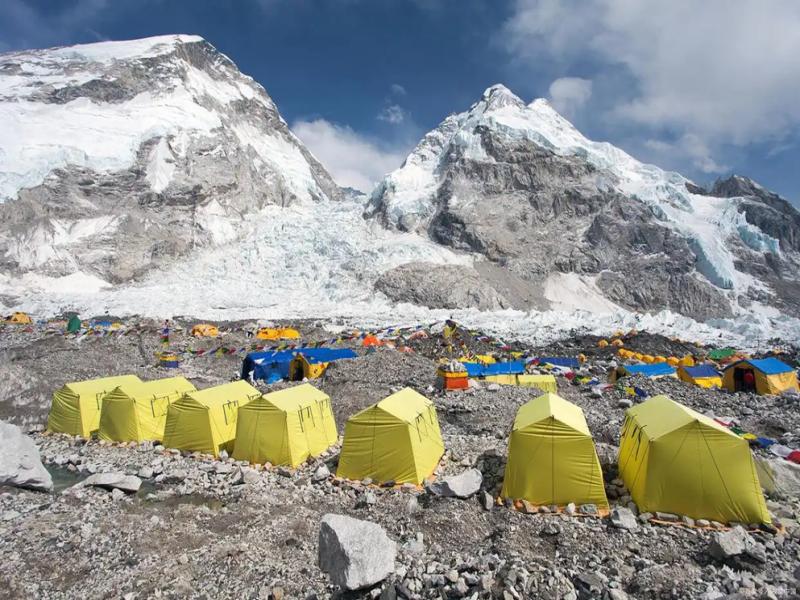
Tent Accommodation at Everest Base Camp
Itinerary Planning for Lhasa to Everest
This itinerary arranges your Everest tour in a scientific and reasonable way, helping you acclimatize to Tibet’s high-altitude climate day by day:
- Day 1: Arrive in Lhasa and acclimatize to the local climate. Take a leisurely tour of the urban area and avoid strenuous exercise.
- Day 2: Focus on visiting the Potala Palace, Jokhang Temple and Barkhor Street. Immerse yourself in the sacred religious atmosphere of the holy city and gradually adapt to the high-altitude conditions.
- Day 3: Travel from Lhasa to high-altitude attractions including Yamdrok Lake, Karola Glacier and Shigatse to admire the stunning scenery, preparing your body for the final trip to Everest.
- Day 4: Depart Shigatse, pass by Tashilhunpo Monastery (the traditional residence of the Panchen Lama) and proceed to Tingri County. Visit the monastery along the way, and enjoy the magnificent views of the Himalayan mountain range to get ready for the journey to Everest the next day.
- Day 5: Travel from Tingri to Everest Base Camp via Gawula Pass, where you can enjoy a panoramic view of four snow-capped peaks exceeding 8,000 meters in height. Upon arrival at Everest Base Camp, stay overnight at a tent guesthouse.
- Day 6: Spend the day exploring Everest Base Camp, watching the spectacular alpine sunrise and savoring the breathtaking plateau scenery.
- Day 7: Return from Shigatse to Lhasa. After arrival, take a short rest, buy souvenirs and prepare for departure.
Recommended Everest Tour Itinerary:
【Classic Itinerary】Lhasa + Nyingchi + Shigatse + Everest + Namtso 11 Days
Lhasa + Shigatse + Yamdrok Lake + Everest + Namtso 8 Days 7 Nights Tibet Group Tour
Q&A for Lhasa to Everest Travel
Q1: How to prevent and cope with altitude sickness?
Avoid catching a cold before traveling to Tibet and maintain a regular sleep schedule. For the first 1–2 days after arrival, do not wash your hair, take a bath or engage in strenuous exercise. Drink plenty of warm water and stick to a light diet. You can prepare medications such as rhodiola rosea, Gaoyuan’an (an altitude sickness remedy) and ibuprofen in advance. Mild headaches and shortness of breath are normal. If symptoms are severe (e.g., intense headaches, vomiting, extreme difficulty breathing), immediately descend to a lower altitude and seek medical attention.
Q2: What documents are required to travel to Everest?
Mainland Chinese tourists need to carry valid ID cards. Foreign tourists and visitors from Taiwan, Hong Kong and Macau must apply for a Tibet Travel Permit in advance, which is usually arranged by a travel agency. A Border Defense Permit specifying the destination is also required, which can be applied for with the Tibet Travel Permit. For group tours, the travel agency will handle the permits uniformly; independent travelers need to apply on their own at their place of residence or through an agent in Lhasa.
Q3: What clothing and gear should I prepare?
Tibet has extreme temperature differences between day and night. Essential items include windproof and warm jackets, fleece jackets or down coats, warm hats, sunglasses, high-SPF sunscreen, lip balm and moisturizer. Wear non-slip and warm shoes. It is recommended to bring a sleeping bag liner, insulated water bottle, power bank and personal medications.
Ready to Go – May Your Everest Pilgrimage Become a Lifetime Memory
The journey from Lhasa to Everest is a magnificent escape from the hustle and bustle of daily life, bringing you closer to nature. Along the way, you will feast your eyes on the unique charm of Tibet and enjoy the serene natural scenery far from urban noise. When you stand at the foot of Mount Everest, gazing up at this ancient giant peak, you will be deeply impressed by the grandeur of nature. Take this guide with you, arrange your Lhasa-Everest trip with ease, and may your journey be filled with pleasant surprises and unforgettable memories that last a lifetime.