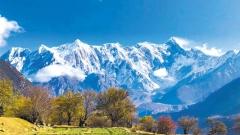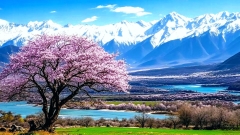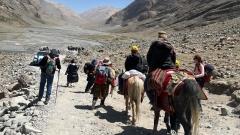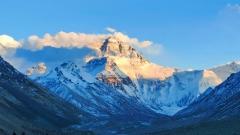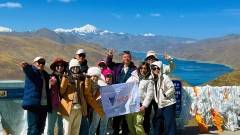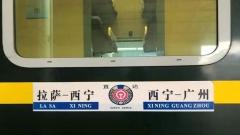

As two core tourist cities in Tibet Autonomous Region, Lhasa and Shigatse hold countless travelers’ yearning for Tibet. Lhasa boasts the Potala Palace’s solemnity and sacredness, while Shigatse features Tashilhunpo Monastery’s solemnity and Everest Base Camp’s grandeur. Transportation between them is key to Tibet’s tourism. Many travelers wonder how to travel from Lhasa to Shigatse when planning trips. In fact, multiple options exist: economical buses, comfortable chartered cars, or free self-driving tours. This article will detail each option’s pros and cons, itineraries and precautions to help travelers start their journey smoothly.
How to Get from Lhasa to Shigatse?
- Lhasa is located in central Tibet, with an altitude of about 3,650 meters. It is the political, economic, and cultural center of Tibet and the first stop for most travelers entering Tibet. Shigatse is located in southwestern Tibet, with an altitude of about 3,836 meters. It is the second-largest city in Tibet and the birthplace of the U-Tsang culture. It not only has well-known religious scenic spots such as Tashilhunpo Monastery and Palcho Monastery but also serves as an important hub for visiting natural landscapes like Everest Base Camp and Paro Grassland.
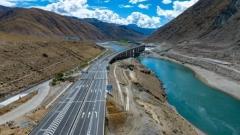
- The straight-line distance between the two places is about 250 kilometers, and the highway mileage ranges from 280 kilometers to 310 kilometers depending on the route. No matter which transportation method you choose, you can enjoy the vastness of the Northern Tibet Grassland, the surging Yarlung Zangbo River, and the scattered Tibetan villages and prayer flag arrays on both sides along the way. This journey itself is an indispensable part of Tibet’s tourism scenery.
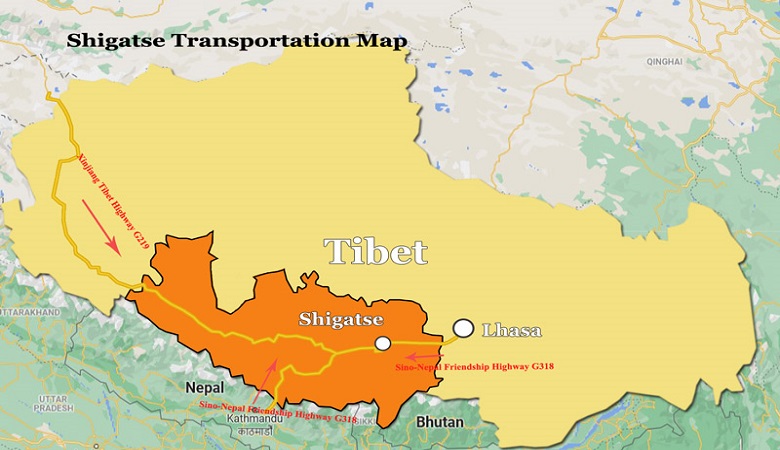
Lhasa to Shigatse Map
The Most Economical Choice for Getting from Lhasa to Shigatse
For travelers with a limited budget who pursue cost-effectiveness, taking a bus is the best choice to get from Lhasa to Shigatse. Currently, the main departure point for buses from Lhasa to Shigatse is Lhasa West Suburb Bus Station, and some routes also depart from Lhasa General Bus Station. Travelers are advised to check the latest schedule information in advance to avoid missing the bus.
Bus Schedules and Travel Time
- Schedule Density: The schedules are relatively dense. Buses depart every 1 to 2 hours from around 7:00 a.m. to 2:00 p.m. every day. Temporary schedules will be added according to passenger flow during the peak tourist season.
- Driving Route and Mileage: Mainly traveling on the Beijing-Tibet Expressway and Shigatse Highway, with a total distance of about 300 kilometers.
- Travel Time: Usually between 4.5 hours and 5.5 hours, and the specific time will be affected by weather, road conditions, and the number of stops for rest.
- Stops Along the Way: Will stop at designated service areas 1 to 2 times for travelers to rest, eat, and use the toilet. It is recommended to prepare snacks and drinking water in advance to avoid hunger and thirst during the journey.
Bus Ticket Prices and Ticketing Methods
The bus ticket prices from Lhasa to Shigatse are relatively stable. The specific ticket price information for different vehicle types is shown in the table below. There are flexible ticketing methods, mainly divided into on-site ticketing and online booking. Detailed instructions are as follows:
| Vehicle Type | Detailed Ticket Price |
| Ordinary Bus | About CNY 80-100 per person |
| Luxury Business Car | About CNY 120-150 per person |
- On-site Ticketing: Need to carry valid documents such as ID cards to buy tickets at the ticket window of the bus station. You can verify the schedule on the spot, which is suitable for travelers who travel temporarily.
- Online Booking: Can be purchased through WeChat official accounts, major travel apps and other platforms. It is recommended to book tickets 1-3 days in advance. Booking in advance during the peak season can ensure getting a suitable schedule and seat.
Precautions for Bus Travel
- Carry Valid Documents: Must bring ID cards, border passes and other valid documents. There will be inspections when entering and exiting some sections of Tibet. Ensure that the documents are complete and valid.
- Take Warm Measures: The temperature on the bus may be low, especially during long-distance driving. It is recommended to carry a thick coat to avoid catching cold.
- Prevent Altitude Sickness: Tibet has a high altitude, and the bus may pass through some high-altitude sections during driving. It is recommended to prepare anti-altitude sickness medicine in advance, avoid strenuous exercise during the journey, and maintain steady breathing.
- Travel Arrangements After Arrival: Buses usually stop at Shigatse General Bus Station. From the general station to urban scenic spots or hotels, you can take a taxi (starting price about CNY 10) or local buses, which is relatively convenient for travel.

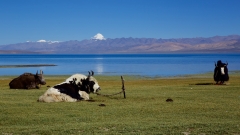
Duoqing Lake, Shigatse
The Most Comfortable and Flexible Choice for Getting from Lhasa to Shigatse
If travelers pursue comfort and flexibility of the itinerary and want to stop and enjoy the scenery freely along the way, then chartering a car or sharing a car is the best choice to get from Lhasa to Shigatse. This transportation method can not only save travel time but also customize the itinerary according to personal needs, which is suitable for family trips, small group trips, and travelers with high requirements for itinerary quality.
Vehicle Types and Costs for Chartered and Shared Cars
There are many choices of vehicle types for chartered/shared cars from Lhasa to Shigatse, and the costs corresponding to different vehicle types are different. The specific cost information and related instructions are shown in the table below:
| Transportation Type | Specific Vehicle Type/Form | Cost Standard |
| Chartered Car | 5-seater Sedan | About CNY 800-1200 per day |
| Chartered Car | 7-seater Business Car | About CNY 1200-1600 per day |
| Chartered Car | 9-seater Van | About CNY 1500-2000 per day |
| Shared Car | Multi-person Shared Car | About CNY 200-300 per person |
Itinerary Planning and Advantages of Chartered and Shared Cars
- Flexible Itinerary Planning: Can negotiate with the driver to determine the departure time, driving route, and scenic spots to stop at. Along the way, you can freely stop to enjoy the scenery and take photos at scenic spots such as Yarlung Zangbo River Bridge, Gangbala Pass, and Yamdrok Lake, and deeply feel the natural beauty of Tibet.
- Controllable Travel Time: Faster than buses, usually arriving in Shigatse in 3.5 to 4 hours, saving travel time.
- Professional Service Support: Most drivers are familiar with Tibet’s road conditions and local customs, and can provide professional itinerary suggestions and guide services to enrich the travel experience.
- Comfortable Travel Experience: Can avoid the crowding of buses, making the long-distance driving process more comfortable and relaxed.
Precautions for Chartered and Shared Car Travel
- Choose Regular Channels: Select regular charter companies or travel agencies, confirm that the vehicle procedures are complete and insurance is sufficient, avoid choosing illegal taxis, and maximize travel safety.
- Sign a Formal Contract: Sign a formal charter contract with the merchant in advance, clarify the itinerary details, cost standards, and the rights and obligations of both parties, to avoid disputes later.
- Communicate the Itinerary in Advance: Negotiate and confirm the itinerary arrangements such as departure time, scenic spots to stop at, and dining places with the driver in advance to ensure that both parties have a consistent understanding of the itinerary.
- Respect the Driver’s Suggestions: Respect the driver’s work during the journey and follow their reasonable suggestions, especially in high-altitude and complex road sections, to avoid affecting the itinerary progress due to disagreements.
The Most Preferred Choice for Free Exploration from Lhasa to Shigatse
For travelers who love self-driving trips and pursue ultimate freedom, self-driving from Lhasa to Shigatse is undoubtedly the most suitable choice. Self-driving can not only fully control the itinerary rhythm but also deeply experience Tibet’s road scenery, stop to enjoy the scenery along the way at any time, and enjoy a unique Tibet travel experience that belongs to oneself.
Recommended Self-Driving Routes and Travel Time
- Beijing-Tibet Expressway + Shigatse Highway Route: The total distance is about 300 kilometers, which is the most commonly taken route. The road conditions are good, with paved roads throughout, suitable for various types of vehicles to drive. The travel time is about 3.5 to 4.5 hours.
- Lhasa-Yamdrok Lake-Karola Glacier-Shigatse Route: The total distance is about 350 kilometers, with more beautiful scenery. Along the way, you can pass through well-known scenic spots such as Yamdrok Lake and Karola Glacier. It is suitable for travelers with sufficient time who want to travel in depth. The travel time is about 5.5 to 6.5 hours.
Self-Driving Vehicle Selection and Preparation
- Vehicle Selection Suggestions: Priority should be given to SUVs or off-road vehicles with higher chassis and stronger power. Such vehicles have better passability and can cope with complex road conditions in Tibet such as many bends, steep slopes, and possible snow and gravel.
- Key Vehicle Maintenance Points: Conduct a comprehensive inspection of the vehicle before departure, focusing on checking core components such as tires, brakes, engine oil, and coolant to ensure the vehicle is in good condition.
- Emergency Supplies Preparation: Prepare automotive tools, spare tires, first-aid kits, anti-skid chains and other emergency supplies in advance to avoid being unable to handle vehicle failures in a timely manner during the journey.
Precautions for Self-Driving Travel
- Ensure Driving Qualifications and Status: The driver must hold a valid driver’s license and have rich long-distance driving experience. Some sections of Tibet have high altitudes and thin air, which can easily cause fatigue, dizziness and other symptoms. It is recommended to drive in turns to avoid fatigue driving.
- Strictly Abide by Traffic Rules: The speed limit on Tibet’s roads is strict, and there are mobile speed limit points on some sections. Do not overspeed. At the same time, pay attention to avoiding local livestock such as cattle and sheep to reduce the risk of traffic accidents.
- Plan the Itinerary and Refueling in Advance: Confirm the locations of gas stations and service areas along the way. There are few gas stations in some sections of Tibet, so refuel the vehicle in a timely manner to avoid running out of fuel.
- Carry Complete and Valid Documents: Bring ID cards, border passes and other valid documents. There will be multiple inspections along the way. Ensure that the documents are complete and valid.
- Pay Attention to Weather and Avoid Risks: The weather in Tibet is changeable, and severe weather such as heavy rain, snowstorms, and strong winds can easily occur. Check the latest weather information before departure. It is recommended to suspend the itinerary in severe weather and resume it when the weather improves.
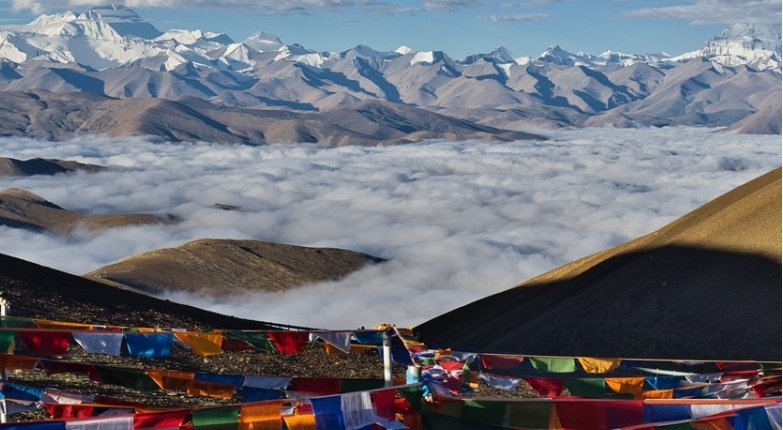
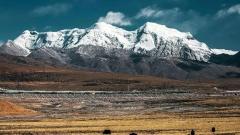
Himalayas in Shigatse, Tibet
How to Get from Lhasa to Shigatse? Comparison of Different Transportation Methods and Selection Suggestions
The above introduces three transportation methods from Lhasa to Shigatse: bus, chartered/shared car, and self-driving. Each method has its own advantages and disadvantages, and travelers can choose according to their own situation. For the convenience of everyone’s comparison, the core advantages, disadvantages, and suitable groups of various transportation methods are sorted out here for reference.
- Bus: Core advantages are low price and dense schedules; disadvantages are fixed itinerary, poor flexibility, inability to stop freely to enjoy the scenery along the way, and average travel comfort. Suitable for travelers with limited budget, sufficient time, and low requirements for itinerary flexibility.
- Chartered/Shared Car: Core advantages are high comfort, strong flexibility, ability to freely plan the itinerary, and professional drivers who are familiar with local conditions; disadvantage is relatively high cost. Suitable for family trips, small group trips, and travelers with high requirements for itinerary quality.
- Self-Driving: Core advantages are extremely high freedom, ability to fully control the itinerary rhythm, and in-depth experience of Tibet’s road scenery; disadvantages are high driving intensity, certain safety risks, and relatively high cost. Suitable for travelers who love self-driving and have rich long-distance driving experience.
In general, when choosing a transportation method from Lhasa to Shigatse, travelers can give priority to their own budget, time, and travel preferences. If the budget is limited, choose a bus; if you pursue comfort and flexibility, choose a chartered/shared car; if you love free exploration and have corresponding driving capabilities, choose self-driving. No matter which method you choose, as long as you make careful planning and preparation in advance, you can smoothly complete the journey from Lhasa to Shigatse and fully enjoy the unique charm of Tibet.
Classic Journeies from Lhasa to Shigatse
After successfully arriving in Shigatse, you may wish to stay for a few more days to deeply experience the charm of U-Tsang culture. Shigatse has many scenic spots. Among them, Tashilhunpo Monastery is a must-visit scenic spot. It is one of the six major monasteries of the Gelug Sect and the residence of the Panchen Erdeni. The buildings in the monastery are magnificent and solemn, and it houses a large number of cultural relics and Buddhist scriptures, allowing travelers to deeply feel the sacredness and solemnity of Tibetan Buddhism.
If time permits, you can also go to Everest Base Camp to enjoy the magnificent scenery of the world’s highest peak and feel the grandeur and magic of nature. In addition, scenic spots such as Palcho Monastery, Paro Grassland, and Dzongshan Fort are also worth visiting. Each scenic spot has unique scenery and cultural connotations, which can make your Shigatse trip more rich and fulfilling.
Finally, it is reminded that Tibet has a high altitude, dry climate, and large temperature difference between day and night. Whether in Lhasa or Shigatse, travelers should pay attention to taking measures to prevent altitude sickness, sun protection, and keep warm. At the same time, respect local customs and religious beliefs, travel civilly, and jointly protect Tibet’s ecological environment and cultural heritage. It is hoped that the content of this article can help everyone solve the question of how to get from Lhasa to Shigatse, and wish all travelers a pleasant and unforgettable journey in Tibet.