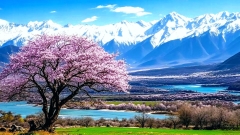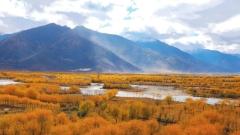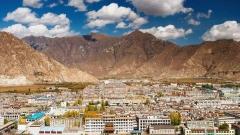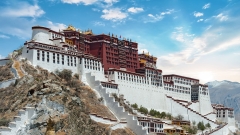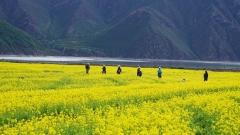

Train Z228 is a key railway connecting Lhasa and Xining, offering travelers spectacular and varied plateau landscapes. The journey passes through the Lhasa River Valley, Nyenchen Tanglha Mountains, and Qiangtang Grassland, with distant views of snow-capped peaks and wild Tibetan antelopes. Entering Hoh Xil, passengers witness golden-red sunsets over vast desolate plains and the solitude of wildlife. The dining car serves local specialties like Qinghai hand-pulled mutton, yogurt, and milk tea, keeping travelers energized. Stops at Golmud and Xining allow for snacks and photo opportunities. With high-altitude oxygen throughout, this roughly 36-hour journey provides comfort and a full sensory experience of the high plateau.
Lhasa to Xining Train Ticket Prices and Booking Strategy
Ticket Price Reference
The Z228 train runs approximately 2,000 km from Lhasa to Xining, taking around 36–37 hours. Ticket types include hard seats, hard sleeper, and soft sleeper:
- Hard seat: ~CNY 300
- Hard sleeper (upper/middle/lower): ~CNY 420/440/460
- Soft sleeper (upper/lower): ~CNY 650/680
Booking Tips
- Plan ahead: Z228 is very popular; it is recommended to book 30 days in advance via the official 12306 website or app.
- Software assistance: Using ticket-snatching apps or the 12306 auto-booking feature can increase success rate.
- Split tickets: If soft sleeper tickets are hard to get for the full journey, consider booking in segments Lhasa–Golmud, Golmud–Xining.
- Student and child discounts: Children aged 6–14 and holders of valid student or military ID cards can enjoy discounted tickets, requiring prior identity verification.
Seat Choice Recommendations
- Soft sleeper: Most comfortable, private, ideal for long rest and sightseeing.
- Middle bed in hard sleeper: Cost-effective, avoids climbing to the upper bed, quieter than the lower bed.
- Hard seat: Cheapest but not recommended; the 36-hour journey can easily cause leg swelling and fatigue.
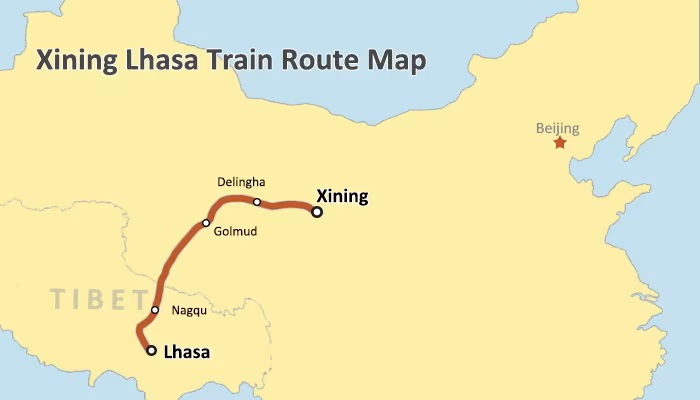
Lhasa to Xining Train
Lhasa to Xining Train Plateau Scenery and Viewing Time
The Z228 train offers diverse scenery along the route, from snow-covered mountains and vast grasslands to the turquoise waters of Qinghai Lake, providing a visual feast for plateau travelers.
Nyenchen Tanglha Mountains & Qiangtang Grassland (2–6 hours after departure)
- View: Snow-capped peaks contrast with expansive grasslands, dotted with yak herds.
- Recommendation: Choose a window seat in soft sleeper or upper bed to lie down and capture the perfect combination of mountains, grasslands, and wildlife.
- Tip: Noon light is strongest, ideal for photography; early morning and evening offer gradual color changes on the mountains.
Edge of Cuona Lake (5–7 hours after departure)
- Color: Lake water appears turquoise; black-necked cranes or Tibetan antelopes occasionally appear.
- Photography: Use continuous shooting mode to capture birds or animal movements; high ISO prevents blurred photos.
- Experience: The lake is close to the track, providing a short “touch of paradise” feeling.
Hoh Xil Uninhabited Area at Dusk (evening)
- Scene: Sunset turns the plains golden-red; wild Tibetan antelopes or wild donkeys occasionally appear.
- Feeling: The vast, lonely wilderness contrasts with the sacred atmosphere at departure from Lhasa, deeply showcasing the plateau’s vastness.
- Note: Strong sunlight in the uninhabited area; sunscreen and sunglasses are essential.
Qinghai Lake Morning View (next day, 6:30–8:00)
- Scene: Deep blue water; in July–August, golden rapeseed flowers may appear; in May, snow remnants reflect on the lake.
- Photography: Sunrise light is soft, ideal for reflections and wide-angle shots.
- Tip: Bring hot drinks or hand warmers; mornings at the lake are cold.
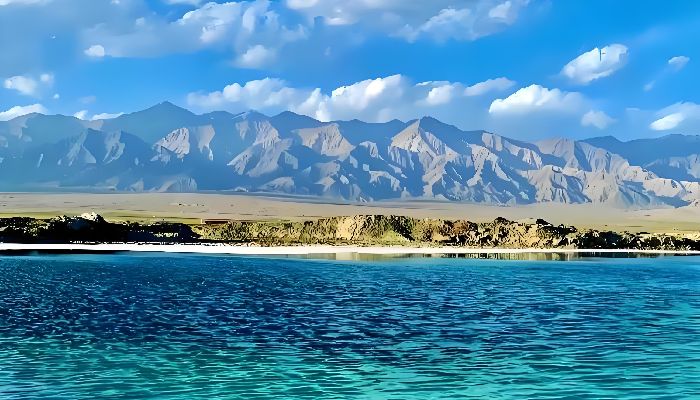
Qinghai Lake Panoramic View
High-Altitude Physiology & “Drunken Oxygen” Experience
Descending from Lhasa (3,650 m) to Xining (2,260 m) causes significant oxygen changes, commonly called “drunken oxygen.”
Symptoms
- Sleepiness, fatigue, relaxation, slight dizziness.
- Body naturally adapts to increased oxygen, slower heartbeat, easier breathing.
Coping & Enjoyment
- Do not resist natural drowsiness; rest or nap during this period.
- Stare out the window, observe grasslands, lakes, and city scenery; experience slow plateau life.
- Avoid high-intensity activities; allow 1–2 hours for adaptation.
Lhasa to Xining Train Dining Car Highlights
The Z228 dining car is an important part of the journey, providing meals and an authentic taste of Qinghai cuisine.
Cuisine and Flavor
- Chefs are mostly from Qinghai, cooking in traditional styles, especially famous for mutton dishes.
- Fried rice or noodles can be paired with local bean paste or chili sauce, flavorful and providing quick energy in the cold, thin-air environment.
- Qinghai yogurt and milk tea provide protein and hydration as natural plateau nutrition.
Must-Try Dishes
- Qinghai hand-pulled mutton: Tender, slightly salty and aromatic, served steaming hot, perfect for photos and tasting.
- Yogurt: Lightly sweet, rich in probiotics, offering nutrition and flavor for high-altitude travel.
- Milk tea: Traditional Qinghai milk tea, thick and sweet, lightly salted, quickly replenishes calories and fluids.
Station Supplies
- Stops at Golmud and Xining allow purchase of packaged beef jerky, Qinghai sunflower seeds, yogurt, instant noodles, etc.
- If time allows, buy local snacks like hand-pulled bread or salted mutton jerky as afternoon tea or late-night snacks.
Bring Your Own Snacks & Drinks
- Recommended: Spicy snacks such as pickled chicken feet or spicy tofu, paired with water or tea bags for energy while sightseeing or resting.
Dining Tips
- Thin plateau air favors hot meals for better digestion and warmth.
- Avoid excessive salt and spice to reduce high-altitude discomfort.
- Peak dining hours are 20:30–21:30 and 07:00–08:00; dining off-peak is more comfortable.
Lhasa to Xining Train Cabin Comfort and Rest Tips
Long high-altitude train journeys are physically demanding; proper rest and cabin use can greatly improve comfort.
Bed Choice
- Soft sleeper: Four-person compartment, private, equipped with oxygen outlet and charging sockets. Large windows allow lying down and viewing snow and starry skies.
- Hard sleeper: Middle bed is optimal; avoids daytime occupation of lower bed and climbing to upper bed.
Oxygen and Air
- Z228 is equipped with high-altitude oxygen supply; cabin is sealed and humidified to reduce altitude sickness risk.
- Carry portable oxygen or masks for night use or special physical conditions.
Washing Tips
- No showers on board; use wet wipes, hand sanitizer, and disposable towels.
- Avoid peak washing hour 1 hour before arrival for smooth grooming.
Sleep Tips
- Use eye masks, earplugs, and U-shaped pillows for better rest.
- Utilize “drunken oxygen” period (increased oxygen in latter half) for optimal sleep.
Station Supplies and Midway Rest
Key Stations
- Stops at Naqu, Golmud, Xining for 5–25 minutes, suitable for replenishing supplies.
Purchasable Items
- Portable snacks: Beef jerky, sunflower seeds, dried fruits, yogurt, instant noodles.
- Local snacks: Hand-pulled bread, dairy products, salted mutton jerky.
Rest Strategy
- Short disembark at stations to stretch and move limbs to reduce circulation discomfort.
- If stop time is short, prepare portable snacks and drinks in advance.
Frequently Asked Questions about Lhasa to Xining Train
Q1: Will there be altitude sickness on the train?
A1: Full high-altitude oxygen system provided; most people experience mild symptoms; oxygen bottles can be carried as backup.
Q2: Suitable for elderly and children?
A2: Yes; the train’s gradual descent helps adapt to pressure changes and reduces ear and heart-lung stress.
Q3: Cabin hygiene condition?
A3: Soft sleeper cabins are relatively clean; hard sleeper/hard seat cabins may be slightly less so. Carry wet wipes and disposable toilet pads.
Q4: Can I transfer to other transport mid-journey?
A4: In Xining, you can choose high-speed rail or flights to other cities to reduce long-distance fatigue.
Train Z228 is not just a route from Lhasa to Xining; it is a journey of plateau culture, natural scenery, and culinary experience. The 36-hour ride takes you from snowy mountains and grasslands, turquoise Cuona Lake, to the gentle charm of Qinghai cities, offering a feast for the eyes and taste buds. Master ticket booking, bed selection, dining car delicacies, station supplies, rest strategies, and the “drunken oxygen” experience to enjoy a comfortable, safe, and unforgettable slow plateau journey.