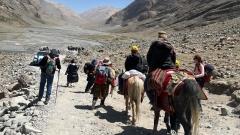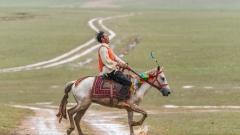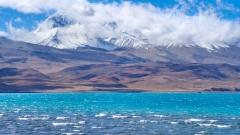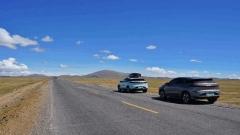

Departing Lhasa towards Shannan, winding up the mountain roads, you can meet Yamdrok Lake in just 2 hours. Known as the Jade Lake in Tibetan, this sacred water body revered by Tibetans is one of the three major sacred lakes in Tibet, inlaid in the folds of the Himalayas. The journey from Lhasa to Yamdrok Lake is not just a distance crossing, but a shift from urban charm to plateau secrets. Every turn along the way holds surprises, featuring magnificent views from rising altitudes and thousand-year-old cultural heritage of the sacred lake, suitable for every traveler longing to encounter Tibet’s beauty.
Lhasa to Yamdrok Lake: Comprehensive Transport Guide
There is no direct public transport from Lhasa to Yamdrok Lake. Travelers can choose the right way based on their needs, balancing convenience and experience:
- Self-Driving: Offers the highest flexibility. Depart Lhasa via Provincial Highway 307 or Airport Expressway, turn to Gangdui Town and Dongla Township, with a total distance of about 70 km and 2-hour drive. Most sections are asphalt roads, but mountain roads have many bends and steep slopes. When crossing Lugela Pass (altitude nearly 5,000 meters), pay attention to vehicle conditions and altitude sickness symptoms.
- Chartered Car: Allows flexible stops at viewing platforms, ideal for 3-4 travelers to share costs, providing a more comfortable experience. Drivers are familiar with local roads and hidden spots, helping you avoid crowds and capture better photos along the way.
- Group Tour: Local small groups mostly offer one-day tours, including tickets and guide services, saving time and effort with professional scenic spot explanations, suitable for travelers without driving experience or worried about altitude sickness.
- Shuttle Bus: Buses from Lhasa East Suburb Passenger Station to towns near Yamdrok Lake take 2.5 hours. Arrive 30 minutes early to board. After getting off, arrange additional transport to the lake.
Detailed cost information is as follows:
| Transport Mode | Ticket Inclusion | Cost Notes |
| Chartered Car | Purchase tickets separately | 800-1200 yuan per day |
| Shuttle Bus | Purchase tickets separately | Bus fare about 80 yuan |
Supplementary Note: The unified ticket price for Yamdrok Lake’s core scenic area is 60 yuan per person. Some viewing platforms (such as Gangbala Pass) may charge separate fees (about 40 yuan per person). Group tours usually include core scenic area tickets, subject to the tour itinerary.
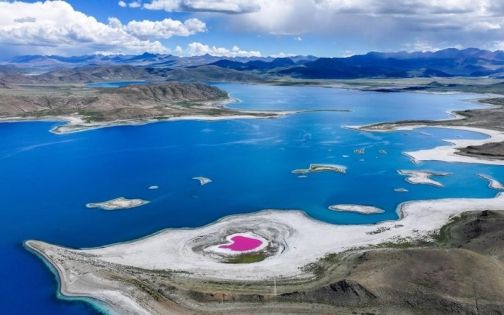
Yamdrok Lake – The Heart of Yamdrok
Must-Stop Viewing Platforms on the Way from Lhasa to Yamdrok Lake
Viewing platforms are essential check-in spots on the journey from Lhasa to Yamdrok Lake. Platforms at different altitudes showcase diverse scenery of the sacred lake. Here are the key recommendations:
Lugela Viewing Platform: At an altitude exceeding 5,000 meters, it’s the perfect spot to overlook the entire Yamdrok Lake, with lake views like a thousand-island lake and snow-capped mountains reflected in the water. Stay 15-20 minutes for photos and move slowly to avoid altitude sickness.
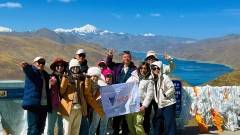
Gangbala Pass Viewing Platform: At 4,998 meters above sea level, it’s a classic check-in spot with a 40-yuan fee. The S-curve panoramic position captures the lake winding like a ribbon. It’s also a popular place for taking group photos, with snow-capped mountains as the backdrop to highlight the grandeur of the plateau.
2 Viewing Platform: At 4,677 meters, it’s a popular spot for photos with yaks and lambs. Negotiate prices in advance (20-30 yuan for holding a lamb, 30-50 yuan for riding a yak) to avoid disputes.
3 Viewing Platform: At 4,441 meters, you can get close to the lake, pile mani stones for blessings, and feel the tranquility of the sacred lake. The clear water glistens under the sun, and the surrounding quiet atmosphere lets you fully immerse in the sacredness of this plateau gem.
Private Viewing Platforms: Set up by local villagers along the way, they offer fewer crowds, beautiful views and open horizons. Some provide hot drinks. Negotiate with the driver to stop for unique travel photos, as they are perfect for capturing unobstructed lake and mountain vistas.
Must-Visit Core Attractions from Lhasa to Yamdrok Lake
Beyond the stunning viewing platforms, the journey from Lhasa to Yamdrok Lake is also dotted with precious cultural attractions worth exploring.
Ritok Monastery: An indispensable cultural gem on the journey from Lhasa to Yamdrok Lake. This 700-year-old Red Sect monastery, located on a peninsula in the lake, is known as the loneliest monastery in the world. The monastery roof offers 360-degree lake views, with the legend of one lake, one monastery and one monk. The ticket is 20 yuan per person, suitable for cultural landscape lovers.
Yamdrok Lake Main Scenic Area: At 4,441 meters above sea level, it covers 638 square kilometers with a 250-kilometer shoreline and a maximum depth of 60 meters. The scenery varies by season. Wild animals like bar-headed geese and Tibetan gazelles can be spotted by the lake, showing harmony between humans and nature.
Sangding Monastery: Visit on the way if time permits. Founded in the 5th year of Zhengtong in the Ming Dynasty, it’s the only monastery headed by a female Living Buddha, boasting profound Tibetan Buddhist culture, complementing the sacred lake. Its unique architectural style combines traditional Tibetan and Han elements, attracting numerous believers and cultural enthusiasts every year.
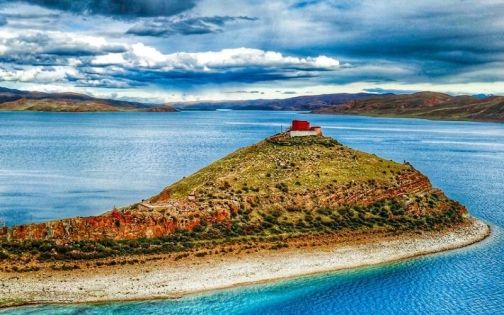
Ritok Monastery
Itinerary Planning and Dressing Suggestions for Lhasa to Yamdrok Lake
One-Day Tour Itinerary
- 6:30 AM: Wake up and have a light breakfast, depart Lhasa at 7:00 AM;
- 9:30 AM: Arrive at Lugela Viewing Platform to enjoy the full view of the sacred lake;
- 10:00 AM – 1:00 PM: Explore scenic spots along the lakeside road and visit Ritok Monastery;
- 1:00 PM – 2:30 PM: Lunch break, bringing your own snacks is more economical;
- 2:30 PM – 4:00 PM: Take photos at private viewing platforms or stroll by the lake;
- 4:30 PM: Return to Lhasa, adjust the return time if you want to watch the sunset.
Dressing and Photography Tips
To make your trip from Lhasa to Yamdrok Lake more enjoyable and capture stunning photos, proper dressing and photography skills are essential. The plateau’s unique climate and scenery require targeted preparations to balance comfort and shooting effects. Here are detailed suggestions for you:
- Dressing Suggestions: Choose solid-color long skirts like white or yellow for a striking contrast with the lake, ensuring great photos. Rent a Tibetan robe to blend into the local style. The plateau weather is changeable; bring windproof jackets and warm clothes (a light down jacket even in summer), paired with sunglasses, sun hats and sunscreen to resist strong UV rays.
- Photography Tips: Soft light from 9 AM to 11 AM on sunny days creates clear lake reflections, the best time for shooting. Use a polarizer to eliminate glare and enhance lake layers. Drone aerial photography shows the winding lake, but follow the scenic area’s no-fly rules.
Altitude Sickness and Travel Tips for Lhasa to Yamdrok Lake
Altitude Sickness Prevention and Response
The altitude along the way and in the scenic area from Lhasa to Yamdrok Lake is high. Altitude sickness prevention and response are crucial. Here are the suggestions:
- Arrange the trip 3-5 days after arriving in Tibet to allow your body to adapt to the plateau environment, avoiding direct travel to high-altitude areas upon arrival. Spend the first few days in Lhasa to acclimatize gradually, as its lower altitude helps reduce the risk of severe altitude sickness.
- Take Rhodiola rosea a week in advance, carry oxygen cylinders. If symptoms like headache or chest tightness occur, stop activities immediately, rest with oxygen and avoid strenuous exercise. Choose small-capacity portable oxygen for easy carrying during the trip.
- Eat a light diet, avoid greasy and spicy food, no drinking or overeating to reduce physical burden and aid plateau adaptation. Opt for local staple foods like barley flour to better suit the high-altitude environment.
Consumption and Custom Tips
Besides preparing for altitude sickness, paying attention to consumption safety and respecting local customs is also key to a smooth trip. These tips will help you avoid troubles and experience the destination more authentically.
- Consumption: Negotiate prices in advance for paid photo services by the lake, refuse forced consumption. Bring sufficient snacks and water as supplies in the scenic area are overpriced. Buy souvenirs rationally to avoid overpriced promotions. It’s advisable to check market prices beforehand and pay only after confirming the details to prevent disputes.
- Customs and Environmental Protection: Circumnavigate the lake clockwise, do not touch prayer flags or mani stones as they carry local religious beliefs. No feeding fish or littering to protect the sacred lake’s ecology and maintain its purity. Some areas have a daily limit of 2,000 visitors; check the latest information and travel during off-peak hours to enjoy a more tranquil experience.
Seasonal Differences in Travel Styles from Lhasa to Yamdrok Lake
- Peak Season (May-October): Stable weather with the lake as blue as a gem. Lush vegetation and comfortable climate from June to August make it the best time for photography and sightseeing. Fewer tourists in April and October offer a peaceful experience, with golden alpine meadows matching the lake in late autumn.
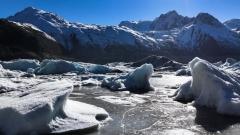
- Off-Season (December-February): Part of the lake freezes into a fantastic ice world, with winter migratory birds hovering overhead, creating a serene and magical scene. Tickets may be free, suitable for niche travelers seeking tranquility. Keep warm and equip cars with snow chains for snowy roads if self-driving, ensuring safe travel on icy mountain paths.
No matter which season you visit, the journey from Lhasa to Yamdrok Lake brings a unique experience. This sacred lake not only boasts stunning natural scenery but also healing power, allowing every traveler to find inner peace in the plateau’s blue and vastness. The gentle breeze carries the fragrance of alpine flowers in summer, while the quiet ice reflects the clear sky in winter, each moment telling a different story of Tibet. It is more than a scenic spot; it is a spiritual journey that calms the mind and nourishes the soul, leaving unforgettable memories for all who come.