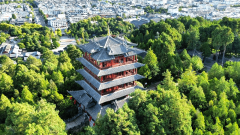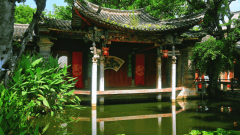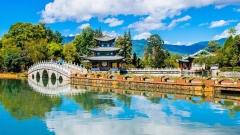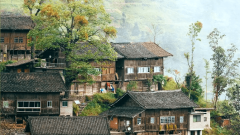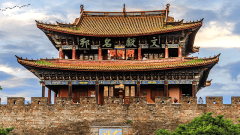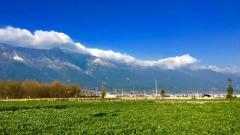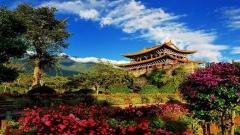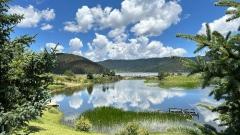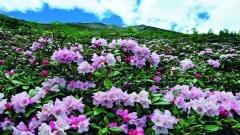

Shangri-La Meili Snow Mountains sit at the junction of Yunnan, Sichuan, and Tibet, forming part of the Nu Mountains in the Hengduan range. Its thirteen connected peaks, led by the sacred Kawagebo Peak at 6740 meters, remain unconquered due to cultural protection. From the breathtaking sunrise golden mountain to the magnificent glaciers and lush forests, Meili Snow Mountains offers a perfect blend of grandeur and purity. This guide provides comprehensive information on transportation, accommodation, scenic highlights, trekking, and Tibetan cuisine, helping beginners, experienced travelers, and international visitors easily plan their mountain adventure.
Highlights of Shangri-La Meili Snow Mountains Scenic Area
Meili Snow Mountains’s beauty lies in every corner—majestic snow-capped peaks, magnificent glaciers, and primitive villages. Below are unmissable highlights for all travelers.
Kawakarpo Peak – The Crown of Tibet’s Sacred Mountains, Majestic and Pure
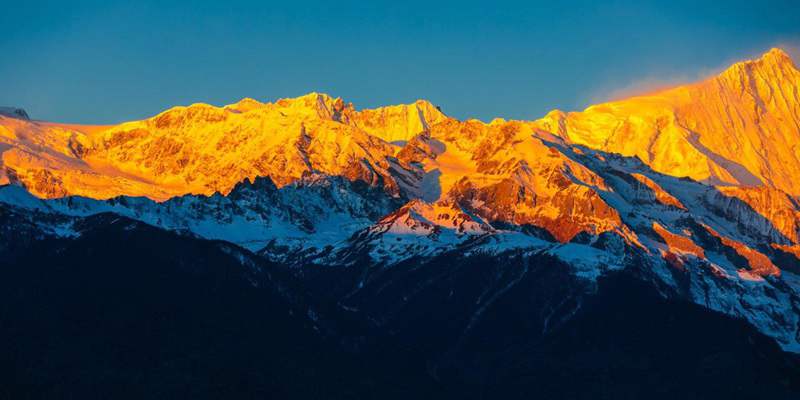
As Meili Snow Mountains’s main peak, Kawakarpo stands at 6,740 meters, ranking first among Tibet’s eight sacred mountains and regarded as a sacred guardian by local Tibetans. Towering and covered in perpetual snow, it shines brightly. The most stunning moment is at dawn during the Sunlit Golden Peaks—when the summit glows golden under the first sunlight, resembling a fairyland. Notably, it’s the only snow-capped mountain below 7,000 meters that has never been climbed; climbing was officially banned in 2000, preserving its sanctity.
Sunlit Golden Peaks – A Breathtaking Tibetan Miracle
The most awe-inspiring natural wonder of Meili Snow Mountains, drawing countless travelers. From late October to May, 6-8 AM, the first ray of sunlight pierces the clouds, dyeing the 13 snow-capped peaks golden, spreading across the entire summits. This magnificent scene lasts only 5-15 minutes, a fleeting miracle of nature. Legend says those who witness it will be blessed by the sacred mountain and enjoy good luck all year. Top viewing spots include Feilai Temple and Wunongding Observation Deck; some mountain-view hotels also offer front-row seats from your room.
Meili Snow Mountains
Mingyong Glacier – A Low-Latitude Wonder, Up-Close with Ice and Snow
Located at the foot of Kawakarpo, Mingyong Glacier is the longest and largest of Meri’s four glaciers. A rare modern glacier with low latitude, low altitude, and low temperature, its tongue extends to 2,700 meters above sea level, close to villages for easy access. Stretching about 11 kilometers, the glacier’s surface is crisscrossed with gullies and dotted with ice towers, like a crystal palace. Walking through it, you can feel its grandeur and hear the faint rumble of ice cracks, experiencing nature’s power. Travelers can hike or ride horses to the observation deck for an up-close view of its unique landscape.
Yubeng Village – A Paradise for Hikers, Secluded and Serene
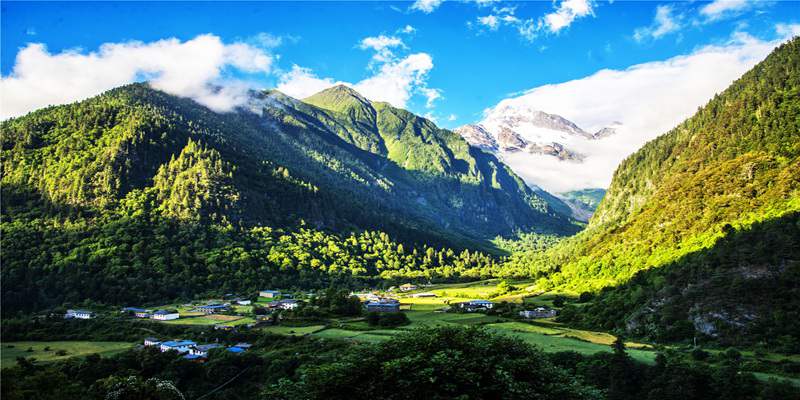
Hidden deep in Meili Snow Mountains, surrounded by mountains and isolated from the outside world, Yubeng Village is like a paradise. With traditional Tibetan wooden houses, primitive forests, alpine meadows, and streams, it offers picturesque scenery and fresh air, far from the hustle and bustle. It’s a haven for hikers, with nearby attractions like the Sacred Waterfall and Ice Lake. Hiking here allows you to enjoy the integration of snow-capped mountains, glaciers, forests, and streams, getting intimate with nature.
Yubeng Village
Jinsha River Great Bend – A Masterpiece of Nature, Must-See on the Way
On the route from Shangri-La to Meili Snow Mountains, the Jinsha River winds around the mountains, forming a huge Ω-shaped bend. Turquoise water rushes through layered mountains, creating a magnificent view. Standing on the observation deck, you can marvel at nature’s craftsmanship—it’s an unmissable photo spot for all travelers.
Recommended Food in Shangri-La Meili Snow Mountains
Tasting local Tibetan cuisine during your trip is not only satisfying but also a way to immerse yourself in Tibetan culture. Below are unique must-try dishes for all travelers.
Butter Tea
A iconic Tibetan drink, enjoyed daily by locals, available in salty or sweet flavors. Made by grinding butter, brick tea, salt, or sugar, it has a rich, creamy taste—warming the body against the cold and alleviating altitude sickness. It may take some getting used to, but its unique flavor grows on you, making it a must-try.
Tibetan Fragrant Pork
A local specialty, raised on alpine meadows feeding on wild plants and fungi. The meat is tender, fat but not greasy, and free of the fishy smell of ordinary pork. It can be roasted, boiled, or stir-fried—roasted Tibetan fragrant pork is particularly popular, with crispy skin and tender flesh, paired with local spices for an exquisite taste.
Yak Meat Hot Pot
Perfect for the cold plateau climate, a steaming pot of yak meat hot pot warms you from the inside out. Yak meat, raised on the plateau, is firm, high in protein, and nutritious. Cooked with local fungi and vegetables, the soup is delicious and the meat flavorful, offering a taste of pure plateau ingredients—especially recommended for winter trips.
Tsampa
A staple food of Tibetans, made from ground highland barley mixed with butter tea or warm water, kneaded into balls. With a nutty, grainy texture, it’s best enjoyed with butter tea—filling and energy-boosting, ideal for hiking or experiencing Tibetan daily life.
Highland Barley Wine
A traditional Tibetan wine fermented from highland barley, with low alcohol content, a sweet taste, and rich aroma—no harshness like white wine, suitable for most people. Symbolizing enthusiasm and blessings, it’s served to guests by locals. Enjoy a sip to feel their hospitality, but avoid overdrinking on the plateau to reduce physical strain.
Essentials of Transportation and Accommodation in Shangri-La Meili Snow Mountains
To reach Meili Snow Mountains, first arrive in Shangri-La City, then transfer to the scenic area. Accommodation options cover three core areas based on your itinerary and budget—below are key details for quick planning.
Transport Guide
External Arrival: Fly directly to Diqing Shangri-La Airport, or take a high-speed train or long-distance bus to Shangri-La City. The high-speed train from Lijiang to Shangri-La takes about 2 hours, and the long-distance bus from Kunming takes 6-7 hours.
Shangri-La to Meili Snow Mountains: Three options—shared ride (150-200 RMB per person, 4-5 hours, with scenic stops), chartered car (600-1000 RMB per day, high flexibility), or long-distance bus (about 60 RMB, 4-5 hours).
In-Scenic Transport: From Feilai Temple to Mingyong Glacier, take a sightseeing bus (about 50 RMB) or chartered car. To Yubeng Village, first reach Xidang Station, then choose to hike, ride a horse, or take a sightseeing bus—suitable for travelers of different physical fitness levels.
Accommodation Guide
Shangri-La City: Ideal for connecting trips, with diverse options (100-1000 RMB per night). Recommended near Dukezong Ancient City for convenient transport and dining.
Deqin County (including Feilai Temple): The best choice for viewing Sunlit Golden Peaks, close to the snow-capped mountains. Accommodation ranges from 200-800 RMB per night, with some hotels offering direct mountain views—book in advance during peak season.
Yubeng Village: Perfect for primitive experiences, featuring Tibetan homestays (150-400 RMB per night). Suitable for hikers—note that some homestays don’t have private bathrooms, so confirm in advance.
Preparations and Precautions for Traveling to Shangri-La Meili Snow Mountains
Located on the plateau with rich Tibetan culture, proper preparation and respecting local customs ensure a smooth trip. Below are key tips to master quickly.
Best Time to Visit & Must-Pack Items
Best Season: Late October to May (dry season) for high visibility of Sunlit Golden Peaks. November to February offers snow-covered peaks and bright starry skies; March to May showcases snow-capped mountains and flower seas. June to September is rainy season, not recommended as a top choice.
Must-Pack: Windproof and warm clothing, non-slip hiking shoes, altitude sickness medication (Rhodiola rosea, oxygen cylinders), SPF50+ sunscreen, a thermos, small amount of cash, and a power bank. Hikers can add trekking poles.
Altitude Sickness & Cultural Taboos
Altitude Sickness: Deqin County is around 3,400 meters—mild altitude sickness is normal. Alleviate it by slowing down, drinking plenty of warm water, and avoiding strenuous exercise. Seek medical help if severe.
Cultural Respect: Do not point at sacred mountains or prayer flags; walk clockwise around white stupas and temples. Keep quiet and avoid random photography when entering Tibetan homes or temples; respect local religious rituals.
Environmental Protection & Safety Tips
Environmental Protection: Protect the fragile ecosystem—do not litter, damage vegetation or glaciers, pick wild flowers, or feed wild animals.
Safety: Plateau weather is unpredictable—check the forecast and keep warm. Hike in groups, hire local guides (200-300 RMB per day) if needed, and do not enter undeveloped areas. Carry valid documents and keep valuables safe.
Shangri-La Meili Snow Mountains Travel Summary & Recommendations
Shangri-La Meili Snow Mountain captivates visitors with its majestic peaks, stunning glaciers, and the remote Yubeng Village, where nature and Tibetan culture blend seamlessly. For a safe and enjoyable journey, plan your transportation and accommodation in advance, bring appropriate cold-weather, sun protection, and altitude sickness gear, and respect local customs and the natural environment. Whether you are a photography enthusiast seeking iconic views or a trekking adventurer exploring high-altitude trails, Meili Snow Mountain offers an unforgettable experience of sacred beauty and purity. For professional travel planning and full assistance, contact China Dragon Travel to make your Shangri-La Meili Snow Mountain journey effortless.