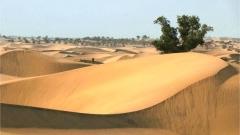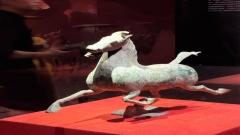

Northern Xinjiang is a magical land where multiple ethnic cultures converge, not only boasts stunning natural landscapes but also nurtures a rich diversity of traditional crafts and specialty products. From the grasslands of Altay to the river valleys of Ili, from the lakeshores of Kanas to the foothills of Nalati, each locally made souvenir carries unique cultural codes and ethnic memories. For travelers, choosing suitable souvenirs is not merely about mementos but also represents an respect for local culture. This article will provide an analysis of Northern Xinjiang’s most representative souvenirs, offering shopping tips to help bring back travel memories that are characteristic of Northern Xinjiang and culturally meaningful.
Must-Buy Souvenirs in Northern Xinjiang
Kazakh Embroidery and Felt Crafts
Kazakh embroidery and felt crafts exhibit distinct grassland characteristics. Known for their vibrant colors and intricate patterns, they include embroidered tapestries, cushion covers, tablecloths, and more. Ram’s horn patterns symbolize abundance, floral patterns represent vitality, and geometric patterns embody aesthetic order. Among these, bead embroidery is the most exquisite, using tiny beads to create three-dimensional patterns. When purchasing, note: hand-embroidered pieces feature naturally flowing lines with neat thread ends on the back; machine-embroidered products have regular patterns but lack liveliness. Price-wise, a 30×40 cm pure hand-embroidered tapestry costs approximately 300-500 RMB, while machine-embroidered products of similar size cost only 80-150 RMB.
Felt products are another major feature, including yurt models, felt hats, felt boots, etc. Yurt models are made to scale, with exquisite 20-30 cm diameter models priced around 200-400 RMB, serving as unique home decorations. Making felt requires multiple processes including rubbing and pressing wool. High-quality felt products feel thick and dense, not easily deformed. In Kazakh settlement areas like Burqin and Tekes, artisans often work onsite, allowing you to watch the process while ensuring authentic purchases.
Uyghur Silk and Ethnic Musical Instruments
Atlas silk is traditional Uyghur silk, famous for its brilliant colors and abstract patterns. This silk uses ancient tie-dye techniques, creating patterns with a “flowing” visual effect, as if weaving Tianshan meltwater and desert light into the fabric. Common products include scarves, dresses, handbags, etc. A standard-sized Atlas silk scarf (180×70 cm) costs between 150-500 RMB depending on craftsmanship complexity. When purchasing, note: genuine Atlas silk feels smooth with naturally blurred pattern edges; imitations have stiff patterns and poorer texture. In Yining’s Kazanchi Folk Tourism Area, multiple traditional workshops offer selections.
Ethnic musical instruments are another distinctive souvenir category. Instruments like rawap, dutar, and hand drums are not only musical tools but exquisite artworks. Rawap bodies are often inlaid with shells and bone pieces with fine carvings; dutar has a deep sound with slender, elegant necks; hand drums (dap) feature painted drumheads. Small decorative instruments (about 1/3 actual size) cost 200-500 RMB, suitable as decorations. For performance instruments, purchase from professional music stores, with prices ranging from 800 RMB to several thousand. Note instrument protection during transport, especially for string instruments sensitive to temperature and humidity changes.
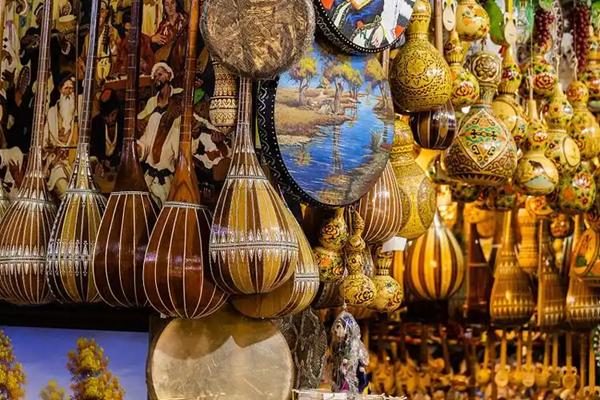
Duhtar – A Unique Gem in Ethnic Musical Instruments
Mongolian Horse Tack and Leather Carving
Northern Xinjiang’s Mongolians preserve traditional horse tack craftsmanship, with products serving both practical and artistic purposes. Saddle models are among the most popular souvenirs, with scaled-down handmade saddles (about 20 cm long) costing 300-600 RMB, featuring exquisite details including complete components like saddle bows and blankets. Leather carving products are equally outstanding, including leather paintings, bags, belts, etc. Mongolian leather carving features grassland animals and mythological themes, using various techniques like relief and openwork. An A4-sized leather painting costs approximately 200-400 RMB. When purchasing, note leather quality: camel leather is most durable, sheep leather is softer, and cow leather falls between. In Mongolian settlement areas of Bayinbuluke Grassland, artisans often demonstrate leather carving techniques onsite.
Ethnic Handicraft Products
Distinctly Xinjiang-style handicrafts make excellent souvenir choices. Here are Northern Xinjiang handicrafts you shouldn’t miss:
- Kazakh embroidery: Hand embroidery costs 300-800 RMB depending on complexity.
- Uyghur floral hats: Exquisitely embroidered small round hats, highly distinctive decorations. Ordinary hats cost 30-80 RMB, while high-end hand-embroidered hats can reach 200+ RMB.
- Wool shawls and scarves: Northern Xinjiang produces high-quality wool, making warm shawls. Kanas camel wool scarves are particularly popular—lightweight yet warm, costing 150-300 RMB.
- Handmade carpets: Although Hotan carpets originate from Southern Xinjiang, they’re widely sold in Northern Xinjiang markets. Small carpets (1×1.5 meters) work well as decorative rugs, costing 800-2,000 RMB; larger carpets require special transportation.
Northern Xinjiang Specialty Foods and Beverages: Perfect Souvenir Choices
Dairy Products Series
Northern Xinjiang’s food souvenirs are not only delicious but also allow hometown relatives and friends to experience rich regional flavors. Northern Xinjiang grasslands produce high-quality, diverse dairy products. The most popular include:
- Qurt: Traditional Kazakh cheese, available in sweet and sour varieties. Sweet qurt has a dense texture with slight sweetness; sour qurt has rich flavor, suitable with milk tea. Vacuum-packed qurt lasts 3-6 months, costing 60-100 RMB/kg. Check ingredient lists when purchasinghigh-quality products contain only fresh milk and fermenting agents, no additives.
- Butter: Extracted from milk, nutritionally rich. Traditionally made butter has golden color and pure aroma. Modern packaging typically comes in 250g or 500g portions, costing 80-120 RMB/kg. Note butter melts easily in high heat, requiring special care in summer transport.
- Dried yogurt: Dehydrated yogurt product, sweet-sour taste, high nutritional value. Ili dried yogurt is most famous, with individual small packagesthat are convenient for carrying and sharing, costing about 15-25 RMB/100g.
Dried Fruits and Nuts
Northern Xinjiang dried fruits are known for natural sweetness, mainly from Ili River Valley and Turpan areas (though belongs to eastern Xinjiang, they are widely sold in Northern Xinjiang):
- Raisins: Seedless white raisins are most common, emerald green color, sweet taste; blackcurrant raisins have higher nutritional value, slightly sour. Premium raisins cost 40-60 RMB/kg, available loose or in gift boxes.
- Dried apricots: Kuqa small white apricots have thick flesh, small pits, moderate sweetness; Semait dried apricots have orange-red color, rich flavor.High-quality dried apricots should have intact flesh, no added sugar, costing 30-50 RMB/kg.
- Walnuts and almonds: Aksu walnuts have thin shells, thick kernels; Kashghar badam (almonds) have unique aroma. Fresh nutsare sold in autumn, vacuum-packed for longer storage, costing 40-70 RMB/kg.
When purchasing dried fruits, note: naturally sun-dried products have uneven coloring but no additives; overly bright products may be sulfur-fumigated. Large farmers’ markets like Ürümqi’s Hongshan Market and Yining’s Hanren Street Market offer complete variety, reasonable prices, but compare quality and prices carefully.
Specialty Teas
- Fu brick tea: Dark tea commonly drunk by Xinjiang ethnic groups, aids digestion and reduces greasiness. Traditional fu brick tea weighs about 1 kg per brick, costing 50-80 RMB; modern small bricks (100-200g) are more portable, costing 15-30 RMB.
- Apocynum tea: Wild tea from Junggar Basinedge, and can help reduce your pressures. Apocynum tea tastes refreshing with slight herbal aroma, costing 30-50 RMB/100g.
- Jam and honey: Northern Xinjiang has abundant wild fruit resources—sea buckthorn jam, wild strawberry jam have unique flavors; wildflower honey, sunflower honey havehigh- Glass jar jam (300g) costs 20-40 RMB, honey costs 40-80 RMB/500g..
Alcoholic Products
- Yilite liquor: Xinjiang’s most famousliquor, made from sorghum and wheat, mellow taste. Available in different grades: regular (500ml) costs 80-150 RMB, gift boxes 200-500 RMB.
- Museles: Traditional Uyghur wine, ancient brewing methods, unique flavor. Modern packaging usually 375ml or 750ml bottles, costing 50-150 RMB.
- Milk wine: Traditional Mongolian fermentedliquor, low alcohol content, rich milky aroma. Bottled milk wine (500ml) costs 60-100 RMB.
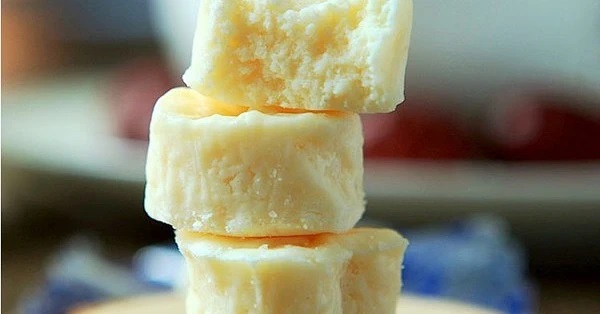
Northern Xinjiang Dairy Products
Recommended Souvenir Purchase Locations
- Ürümqi: International Grand Bazaar has most variety but higher prices; Hongshan Market has reasonable pricesfor food specialties; Hualing Market focuses on crafts.
- Yining: Kazanchi Folk Tourism Area has traditional workshops; Hanren Street Market has diverse food varieties.
- Burqin: Night market has various small crafts and foods, moderate prices.
- Tekes: Li Street Folk Areagathers many handicraft workshops.
Q&A for Buying Northern Xinjiang Souvenir
Q1: How to distinguish between handmade and machine-made souvenirs?
Handmade products have subtle irregularities, like slightly uneven embroidery stitches or natural wood carving texture; machine-made products are overly regular. Handmade products usually feature maker characteristics or signatures.
Q2: How to identify genuine silk material?
Genuine silk products burn with a hair-burning smell, ash contains black particles; imitation silk has plastic-burning smell. Pure wool products feel warm with good elasticity; synthetic fibers generate static electricity.
Q3: How to identify food authenticity?
For dried fruits, check for natural coloring and any odors; for dairy products, note production dates and storage conditions; for honey, test flow—real honey flows in a continuous stream.
Northern Xinjiang souvenirs are not merely material goods but cultural carriers. Each carefully selected gift will become a connection connecting you with this magical land, allowing friends and relatives who cannot visit personally to share your travel gains. When choosing souvenirs, take your time to understand their production craftsmanship and cultural stories—such gifts will hold greater meaning. Whether practical daily items, exquisite artworks, or delicious foods, all can bring Northern Xinjiang’s grassland charm and ethnic warmth back home, allowing travel memories to continue shining through these carefully selected souvenirs.