

Known for its dramatic sandstone pillars and breathtaking landscapes, Zhangjiajie is also a region rich in ethnic culture. The Tujia and Miao communities have lived in these mountains for generations, creating distinctive handicrafts and local specialties that reflect their traditions and daily life. From colorful Tujia brocade textiles to symbolic silver jewelry and locally produced berry tea, each souvenir carries a piece of western Hunan’s cultural heritage. For many travelers, bringing home these unique items becomes a meaningful way to remember their journey beyond photographs.
Tips for Must-Buy Souvenirs in Zhangjiajie
Buying souvenirs in Zhangjiajie is more than just a consumption act—it is a dialogue with local culture. Understanding basic shopping principles and market prices will help you avoid pitfalls and purchase genuine, valuable souvenirs.
- Shopping Locations: There are numerous specialty shops in downtown Zhangjiajie, around Wulingyuan Scenic Area and near Tianmen Mountain Cableway Station. Supermarkets in the downtown area offer transparent pricing, ideal for purchasing food specialties; stalls in scenic areas focus on handcrafts with slightly higher prices. For more distinctive handcrafted works, visit the antique markets in the downtown area or the craft street in Tujia Customs Park.
- Price Reference: Ordinary handcrafts range from tens to hundreds of yuan, while works by renowned artisans can cost over a thousand yuan. Local food specialties are generally priced from 10-20 yuan to 100 yuan. It is recommended to shop around and get a basic idea of prices before making a purchase.
- Authenticity Identification: When buying high-priced handcrafts, always choose regular stores and ask for invoices or certificates of authenticity. For cinnabar, check the color and luster—genuine cinnabar has a bright red hue; for silver jewelry, look for official hallmarks. For food products, check the production and expiration dates and choose items with intact packaging.
- Bargaining Tips: Individual stalls around scenic areas are usually open to bargaining—you can start with 30-40% off the asking price. Regular stores and supermarkets have fixed prices with no bargaining available.
When shopping for souvenirs in Zhangjiajie, there is no need to buy too many or everything. Choose a few items that truly touch your heart, and take home the memories and sentiments of Western Hunan together.
Must-Buy Handicraft Souvenirs in Zhangjiajie
Tujia Brocade
- Cultural Connotation: The patterns of Tujia brocade are mostly inspired by nature and daily life, such as the golden oriole flower, snake skin flower and chair flower, each with specific cultural meanings. According to legend, in ancient times, a skillful Tujia girl named Xilan wove everything she saw and heard into cloth, but was mistakenly killed by her brother for weaving a ginkgo flower pattern. To commemorate her, later generations named Tujia brocade “Xilankapu”. This legend endows the brocade with a deeper emotional warmth.
- Tips: Tujia brocade comes in various forms, including wall hangings, backpacks, wallets, clothing and table runners. When selecting, check the weave density and natural color transition—hand-woven brocades usually have long loose threads on the back with slightly irregular pattern edges, while machine-woven ones have a smooth back and overly regular patterns. Hand-woven brocades are more expensive but of great collectible value. It is recommended to buy them at special Tujia brocade stores or intangible cultural heritage inheritors’ studios in downtown Zhangjiajie for guaranteed quality.
Cinnabar Handcrafts
- Cultural Connotation: In Taoism and folk beliefs, cinnabar is regarded as a talisman to ward off evil spirits, protect homes and calm the mind. Red symbolizes good fortune and joy, making cinnabar ornaments a popular protective amulet. Additionally, cinnabar is a traditional Chinese medicinal herb with sedative effects, adding to its mysterious allure.
- Shopping Guide: Cinnabar handcrafts include bracelets, pendants, ornaments and seals. To identify authenticity: check the color—genuine cinnabar has a bright, even red color, while fakes are often dull or overly bright; weigh it—cinnabar has a high specific gravity and feels heavy; check the luster—genuine cinnabar has a soft metallic luster, while fakes are dull. Regular products should be accompanied by an identification certificate. It is recommended to buy from reputable specialty stores and avoid cheap, unmarked products from street stalls.
Tujia and Miao Silver Jewelry
- Cultural Connotation: In Tujia and Miao cultures, silver jewelry is more than just an ornament for beauty—it carries multiple cultural meanings: a symbol of wealth and status, a wish for warding off evil and blessing, and a sign of ethnic identity. Traditional silver jewelry patterns are mostly inspired by nature, such as flowers, birds, insects, fish, sun, moon and stars, as well as auspicious patterns like dragons and phoenixes, each with specific cultural connotations.
- Tips: Silver jewelry products include neck rings, bracelets, earrings, hairpins and silver locks. When selecting, check the purity (usually 925 sterling silver or 990 fine silver), the delicacy of the craftsmanship (clear patterns, firm welding) and the presence of official hallmarks. You can ask the merchant for a silver purity certificate. It is recommended to buy from regular silver jewelry specialty stores in the downtown area or reputable craft shops in scenic areas—prices may be slightly higher, but quality is guaranteed.
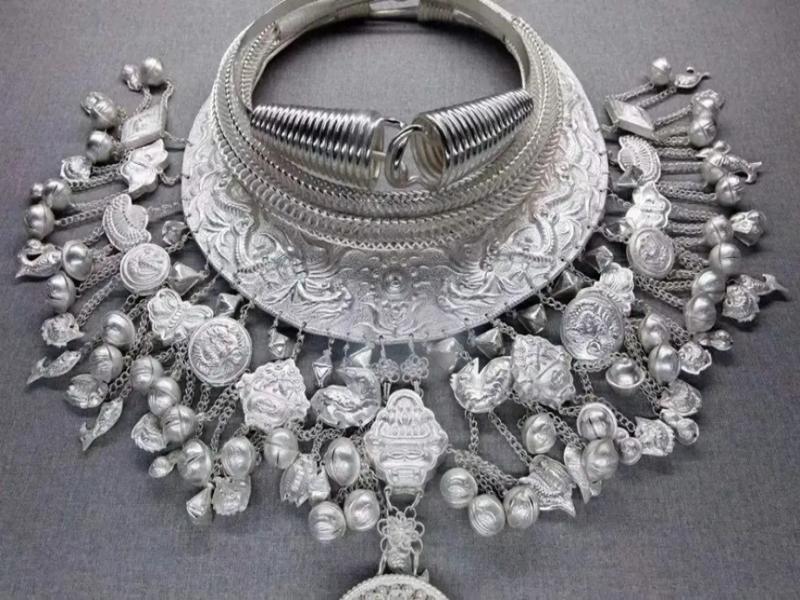
Gorgeous Miao Silver Jewelry
Must-Buy Food Souvenirs in Zhangjiajie
Zhangjiajie Berry Tea
- Cultural Connotation: Primarily produced in the Maoyan River Basin of Yongding District, Zhangjiajie Berry Tea is a staple in the diet of many centenarians in the area. According to legend, an ancient herbal picker discovered that wounded wild animals healed quickly after eating this vine, so he began to pick and eat it, finding it effective in clearing heat, detoxifying the body, promoting the production of body fluids and relieving thirst. Since then, berry tea has been widely spread among the local people.
- Tips: When selecting berry tea, check the appearance, high-quality tea has tight, twisted strands covered with a white frosty coating; smell the aroma, fresh herbal fragrance; check the tea liquor, golden and clear after brewing; taste the flavor, slightly bitter at first, with a distinct sweet aftertaste and a cool feeling in the throat. The packaging should have clear information about the regular manufacturer and production date. It is recommended to buy from supermarkets or specialty stores for guaranteed quality and price.
Zhangjiajie Cured Meat
- Cultural Connotation: Cured meat making is an annual event in rural Western Hunan, usually conducted in the 12th lunar month (Layue), hence the name. The low temperature and moderate humidity at this time are ideal for meat curing. Every step of the curing process affects the quality of the final product. The smoking materials are mostly cypress branches and orange peels, endowing the cured meat with a unique fragrance.
- Tips: Cured meat products include cured streaky pork, cured ham and cured sausages. When selecting, check the appearance—high-quality cured meat has a golden skin, bright red meat with a balanced fat-to-lean ratio; smell the aroma; press the meat—it should be firm and elastic. Vacuum-packed products are more convenient for preservation; avoid buying loose products of unknown origin.
Zhangjiajie Rock Fungus and Wild Mushrooms
- Cultural Connotation: Picking rock fungus is an ancient craft—pickers must hang themselves on steep cliffs with a long rope to find this precious ingredient amidst mist and clouds.
- Tips: Rock fungus is expensive. When selecting, check the appearance—high-quality rock fungus has large, thick, black pieces with no impurities; smell the aroma—unique delicate fragrance. For wild mushrooms, choose dry, intact products with no insect damage. It is recommended to buy from regular specialty stores, ask for shopping receipts and avoid cheap products of unknown origin.
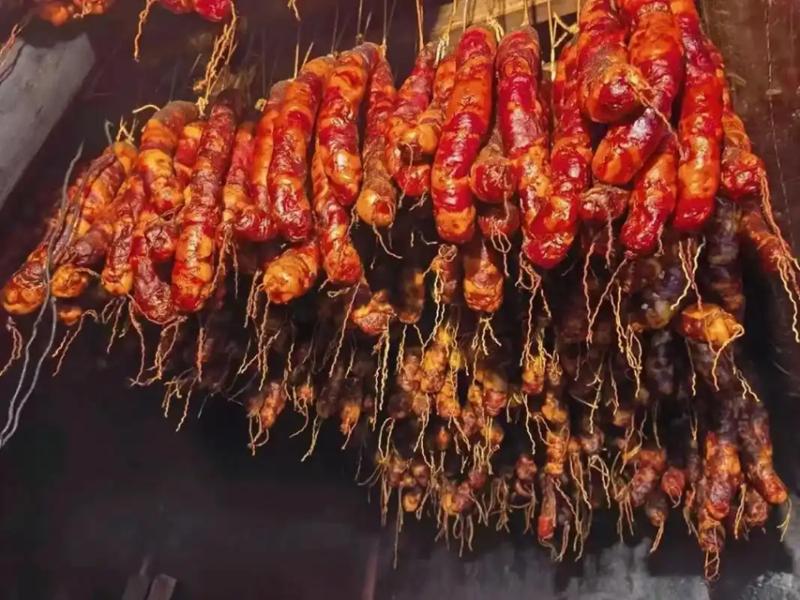
Zhangjiajie Cured Meat: Local Specialty
Tips for Must-Buy Zhangjiajie Souvenirs
To make wise choices among the dazzling array of souvenirs, the following practical advice will help you enjoy a more pleasant shopping experience and bring home satisfying treasures.
- Choose According to Needs: Handcrafts are suitable for friends who appreciate cultural taste, while food specialties are better for sharing with family and friends. Select souvenirs based on the age and preferences of the recipient.
- Pay Attention to Weight and Volume: If you have multiple destinations on your itinerary or need to take a plane back, consider the weight and volume of souvenirs. Choose lightweight gift boxes for food products and small, exquisite styles for handcrafts.
- Check Packaging Integrity: When buying food souvenirs, always check that the packaging is intact with no damage, and the production and expiration dates are clear. Items that need to be checked in should be properly packaged to avoid damage from squeezing.
- Ask for Shopping Receipts: When buying high-priced handcrafts, be sure to ask for invoices or receipts, as well as quality certificates and identification certificates. These are not only after-sales guarantees but also the basis for returns and exchanges.
- Consume Moderately: There is no need to follow the trend or buy too many items. Choosing a few items that truly touch you is far more meaningful than bringing home a lot of unsatisfactory souvenirs.
- Understand Carrying Restrictions: Liquid items and some food products may be subject to carrying restrictions when taking a plane. If in doubt, consult the airline’s relevant regulations in advance.
Locations for Must-Buy Zhangjiajie Souvenirs
- Meini Supermarket: A large chain supermarket in downtown Zhangjiajie with a complete range of products and transparent pricing, it is the first choice for buying food souvenirs. Berry tea, cured meat, kudzu root powder and other specialties are available with guaranteed quality.
- BBK Supermarket: Another large chain supermarket, also suitable for buying food specialties. It has a special local specialty section for easy shopping.
- Tujia Brocade Craft Inheritance Institute: An excellent choice if you want to buy authentic hand-woven Tujia brocade. You can not only buy finished products but also watch the brocade making process on site and learn the essence of this intangible cultural heritage craft.
- Xibu Street: A characteristic commercial street in Wulingyuan Scenic Area, gathering various craft shops and specialty stores. With a strong cultural atmosphere, it is suitable for strolling and shopping, but prices may be slightly higher and moderate bargaining is needed.
- Around Tianmen Mountain Cableway Station: There are many specialty stores and craft stalls around the cableway station, convenient for tourists to buy souvenirs before or after sightseeing. It is recommended to shop around and consume rationally.
- Duty-Free Shop/Specialty Shop at Zhangjiajie Hehua International Airport: If you have time before departure, the specialty shops at the airport also offer a variety of souvenirs, but prices are usually higher than in the downtown area. It is suitable for supplementing any missed items.
Zhangjiajie Souvenirs: Bringing a Piece of Western Hunan Home
Shopping for souvenirs in Zhangjiajie is more than simply buying gifts—it is an opportunity to connect with the region’s traditions. Handwoven textiles, handcrafted silver jewelry, and locally produced specialties such as berry tea or smoked pork all represent the cultural identity of western Hunan.
Rather than buying many items, selecting a few meaningful pieces can preserve the memory of the journey in a more personal way. Travelers who wish to explore local culture more deeply can also seek guidance from China Dragon Travel, which provides practical travel insights and assistance for discovering the authentic side of Zhangjiajie.