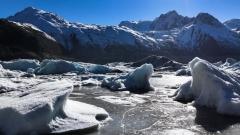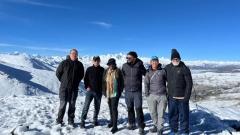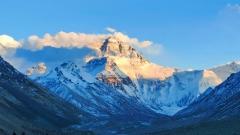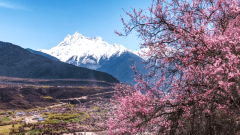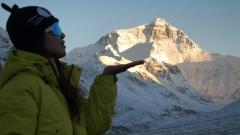

Nestled deep in the Qiangtang Plateau of northern Tibet lies Tangra Yumco, a hidden gem forgotten by time. As Tibet’s fourth-largest lake and China’s deepest saltwater lake, it boasts breathtaking natural beauty and carries the millennia-old heritage of the Zhangzhung Civilization, revered as the most sacred lake by Yungdrung Bon believers. Unlike the bustling Nam Co, Tangra Yumco remains serene and pure, its waters shifting through shades of blue with light, like a sapphire embedded in the vast Qiangtang landscape. Whether you chase extreme natural scenery or seek ancient civilizations, this land’s purity and depth will heal your soul.
Get to Know Tangra Yumco
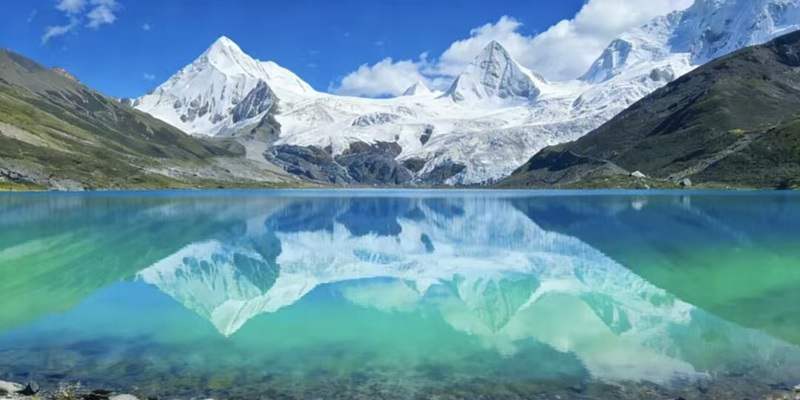
Tangra Yumco, also known as Tangre Tso or Tanggula Youmu Co, is located in Nyima County, Nagqu City, on the edge of Qiangtang No-Man’s Land at the northern foot of the middle Gangdise Mountains. With an altitude of 4,600 meters, a surface area of 1,400 square kilometers, and a maximum depth exceeding 290 meters, it is Tibet’s deepest lake—twice as deep as Nam Co. Formed 3 million years ago as a tectonic lake, it stretches north-south like a shoe sole, surrounded by mountains on three sides, with only a gap on the eastern side of Dagor Snow Mountain in the south, as if nature’s intentional “breathing gate” for the holy lake.
Tangra Yumco
The Past of Tangra Yumco
Throughout history, Tangra Yumco held a pivotal position as the core of the ancient Zhangzhung Kingdom—Middle Zhangzhung centered on Dagor Snow Mountain and Tangra Yumco. It is not only the birthplace of Bon Religion but also a crucial cradle of northern Tibetan civilization. Legend has it that Tangra Yumco was initially a demon lake until Tonpa Shenrab, the founder of Bon and the first prince of Zhangzhung, subdued the demon within, transforming it into a sacred lake blessing all beings. Adjacent Dagor Snow Mountain, with seven peaks like neatly arranged black pyramids capped in snow, is regarded as the sacred mountain guarding the lake. Together, they form Bon’s most sacred pairing of sacred mountains and holy lakes, comparable in status to Buddhism’s Kailash and Manasarovar.
The Present of Tangra Yumco
Today, Tangra Yumco retains its primeval charm, rarely disturbed by tourists. Only occasional pilgrims, herders, and fluttering prayer flags tell its thousand-year story. Fed mainly by glacial meltwater, it is a sulfate-type saltwater lake with crystal-clear waters (pH 9.12) and high mineralization, displaying gradients of light blue, deep blue, and even cyan under different light. On sunny days, sunlight shimmers on the lake, reflecting the entire sky—a breathtaking sight that leaves visitors speechless.
Tangra Yumco Transportation Guide
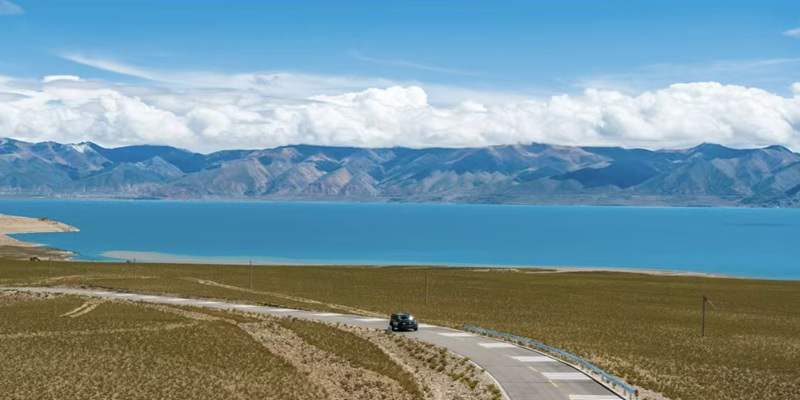
Due to its remote location in the Qiangtang Plateau, Tangra Yumco has limited transportation, which preserves its purity. Currently, self-driving and chartered cars are the main options (no public transport). Choose based on your needs, and prioritize acclimatization and road safety.
Self-Driving
Ideal for experienced plateau drivers seeking flexible itineraries. From Nagqu City, take the provincial highway to Nyima County—500 km, 8-10 hours. From Lhasa, take the Qinghai-Tibet Highway to Nagqu first, then head to Nyima County—800 km, 12-14 hours. Most roads are asphalt, but some sections are gravel or winding mountain roads, especially over 5,000-meter passes. Drive slowly, avoid livestock (yaks, sheep), and use an off-road vehicle for better performance. Check your car in advance and carry spare tires, snow chains, and engine oil. Along the way, enjoy Qiangtang Grassland’s scenery—herds of yaks, vast grasslands, and distant snow-capped mountains. Stop to take photos, but stay on main roads to avoid getting lost in no-man’s land.
Chartered Car
The most hassle-free option for those without plateau driving experience. Charter from Lhasa, Nagqu City, or Nyima County—choose reputable travel agencies or companies with experienced local drivers (who double as guides). Off-road vehicles cost RMB 800-1200 per day; shared rides save money for solo travelers or small groups. Flexibly plan your trip, stopping at Siling Co or Qiangtang Grassland. No need to worry about navigation or road conditions—just enjoy the view.
Notes
Most routes pass through no-man’s land with weak or no mobile signal. Download offline maps and carry cash. Restaurants and gas stations are scarce—stock up on water, snacks, dry food, and fuel in counties. Plateau weather is unpredictable (rainstorms, blizzards, strong winds). Check forecasts, avoid night driving, and plan travel times wisely.
Tangra Yumco
Tangra Yumco Accommodation Guide
Accommodation around Tangra Yumco is basic, mainly herder’s tents, small guesthouses, and village hotels (no large hotels). Prepare accordingly and choose between Wenbu South Village and Nyima County, each with unique advantages.
Wenbu South Village
Located on Tangra Yumco’s north bank, it is the closest village to the lake and home to the last Bon tribe. Residents practice semi-farming and semi-pastoralism, preserving ancient Bon customs. Stay here for up-close views of the lake and Dagor Snow Mountain—wake up to sunrises, watch sunsets, and gaze at starry skies at night.
Accommodation options:
- Herder’s Tents: RMB 100-150 per night, including simple breakfast. Experience nomadic life in Tibetan yurts, but note limited facilities (no private bathrooms, limited hot water; some have electric blankets). Ideal for eco-tourism enthusiasts.
- Small Guesthouses: RMB 200-300 per night, with private bathrooms, hot water, and some offering Tibetan meals. A balance of comfort and authenticity—popular among most travelers.
- Recommended: Nyima Jinlong Hotel. Located in the village, it offers stunning lake and mountain views, clean rooms with electric blankets and water heaters, and an on-site restaurant (breakfast RMB 20 per person). Great value for money.
Nyima County
The nearest county to Tangra Yumco (150 km, 2.5-hour drive). It has more comprehensive facilities, with hotels ranging from budget to comfortable (RMB 150-400 per night). Suitable for travelers prioritizing comfort or struggling with high-altitude village stays.
Hotels in Nyima County typically offer private bathrooms, 24-hour hot water, Wi-Fi, and oxygen supply. The county has restaurants, supermarkets, and gas stations for convenient supplies. However, you’ll need to commute to Tangra Yumco daily—ideal for those staying multiple days to explore surrounding attractions.
Accommodation Notes
High altitude means no central heating—nights are cold. Pack thick coats and sleeping bags. Oxygen supply is limited in some places; bring oxygen cylinders if prone to severe altitude sickness, or choose accommodation with oxygen. Book in advance during peak season (June-September) as resources are scarce.
Tangra Yumco Cuisine Guide
Food around Tangra Yumco focuses on northern Tibetan specialties, leveraging Qiangtang Grassland’s resources—mainly beef, mutton, and dairy products. Flavors are simple and rich, full of local charm. Dining options are limited (Tibetan restaurants, herder’s home-cooked meals). Eat lightly to avoid worsening altitude sickness.
Must-Try Dishes
- A signature dish. Using free-range yaks or sheep from Qiangtang Grassland, the tender meat is boiled and served with salt or chili powder. Nutritious and energy-boosting for plateau travel.
- A staple in Tibet and a remedy for altitude sickness. Made by grinding butter, tea leaves, and salt, it has a rich, savory taste. Pair with tsampa for a classic Tibetan meal—warms the body and replenishes energy.
- The Tibetan staple. Roasted highland barley ground into powder, shaped into balls by hand, and eaten with butter tea or yogurt. High in satiety and easy to carry as travel snacks.
- Made from yak milk fermentation, it is thick and tangy. Add sugar to taste—refreshing and appetizing, perfect as a dessert.
- Tibetan noodles, yak soup, and air-dried meat (chewy, great for on-the-go snacks).
Dining Recommendations
- Wenbu South Village: Guesthouses and herder’s homes serve authentic, affordable Tibetan meals. Dine with locals to experience their hospitality.
- Nyima County: More options, including Tibetan restaurants (authentic flavors) and Sichuan restaurants (spicy dishes). Prices are reasonable, catering to different tastes.
Dining Notes
The plateau’s dry climate calls for light meals—eat more fruits and vegetables, drink plenty of water. Avoid greasy or spicy food to reduce digestive strain. Local drinking water (glacial meltwater) is hard; drink bottled water instead of raw water. Respect Tibetan customs: they do not eat fish or kill living beings—never offend these traditions.
Activities Guide – Explore Beyond the Lake
Tangra Yumco’s appeal extends beyond the lake itself. Surrounding natural and cultural hidden gems require no complex planning—easily accessible to enrich your journey and deepen your understanding of northern Tibet’s unique charm.
Bon Sacred Site: Yurpung Monastery’s Millennia-old Faith
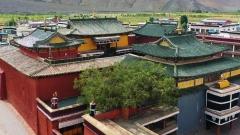
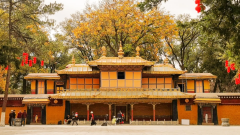
Perched on a cliffside adjacent to Tangra Yumco, Yurpung Monastery is a lesser-known Bon gem. It complements the blue lake and towering Dagor Snow Mountain, serving as an important Bon heritage site for millennia. The monastery houses Zhangzhung-era meditation caves, murals, and scriptures, offering a serene and solemn atmosphere with few tourists. Immerse yourself in Bon’s spiritual power—sit quietly to experience the harmony of the holy lake and ancient monastery, a memorable soulful journey.
Pastoral Beauty: Highland Barley Fields and Grassland Wetlands
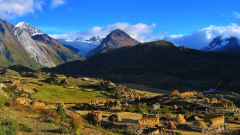
Around Wenbu South Village, highland barley fields and grassland wetlands showcase northern Tibet’s authentic rural life. In summer, golden barley fields stretch along the lake, paired with blue waters, white snow-capped mountains, and scattered Tibetan residences—like a stunning painting. Walk along country paths, encounter herders and flocks, and listen to pastoral songs. Every photo captures unfiltered plateau beauty, blending rustic charm and poetry.
Natural Wonder: The Tree of the Earth and the Hidden Paradise of Cona Lake
Along Nagqu Western Ring Road near Tangra Yumco, the Tree of the Earth is a natural marvel carved by long-term lake erosion. Resembling a giant tree with spreading branches rooted in the Qiangtang Grassland, it complements the lake’s scenery. Easily accessible en route, it offers panoramic views of the lake and unique plateau landforms—feel the vastness of nature.
Cona Lake, another lesser-known lake nearby, retains its primitive ecological beauty. With crystal-clear waters, vast grasslands, and grazing livestock, it is quieter than Tangra Yumco. Visit on a side trip to enjoy pure plateau lake views away from crowds.
Historical Echoes: Zhangzhung Ruin Fragments
On Tangra Yumco’s east bank, scattered ruin fragments reflect the ancient Zhangzhung Kingdom’s glory. Less famous than the main Zhangzhung Ruins, they exude pure historical texture. Wander along the route to spot weathered walls—touch them to feel the whispers of a millennium-old civilization, no guide required.
Starry Romance: Galactic Feast by the Holy Lake
Plateau stargazing is unmissable. Locations like Wenbu South Village’s lakeside or Yurpung Monastery’s hills offer unobstructed views of the night sky. Without city light pollution, the sky is filled with stars, and the Milky Way reflects in the lake—an awe-inspiring blend of heaven and earth. Sit by the lake to admire the cosmos, a romantic and healing memory.
Tangra Yumco Travel Tips
Tangra Yumco is on the edge of the plateau no-man’s land, with high altitude, harsh climate, and unique environment. Prioritize safety, respect local customs, and protect this pristine sanctuary.
Altitude Sickness Prevention
With an altitude above 4,600 meters, thin air easily causes altitude sickness, especially for first-time plateau visitors.
- Prepare: Take Rhodiola rosea 1-2 weeks before departure.
- Acclimatize: Avoid strenuous activities (running, jumping) upon arrival. Slow down and let your body adjust (1-2 days).
- Lifestyle: Drink warm water, eat fruits and vegetables, avoid alcohol, smoking, and heavy meals.
- Response: Mild symptoms (headache, dizziness) improve with rest and medication. Severe symptoms (difficulty breathing, vomiting, confusion) require immediate medical attention or evacuation to lower altitudes.
Climate and Clothing
Northern Tibet has a plateau monsoon climate—unpredictable weather and large temperature differences (hot days, freezing nights). Follow the “onion layer” dressing method:
- Inner layer: Breathable, moisture-wicking quick-dry clothes.
- Middle layer: Warm sweaters or fleece jackets.
- Outer layer: Windproof, waterproof jackets or down coats.
- Accessories: Hats, scarves, gloves, sunglasses, and non-slip shoes (for gravel roads and slopes).
- Sun protection: High-SPF sunscreen, lip balm, and umbrellas (strong UV rays).
Respecting Local Customs
Most locals are Tibetan herders practicing Bon or Tibetan Buddhism—respect their beliefs and traditions:
- Temples: Remove hats, stay quiet, do not touch Buddha statues, scriptures, or murals, and avoid photography. Some temples prohibit women—check in advance.
- Livestock: Do not chase or harm cattle/sheep with red, yellow, or green cloth (offerings to gods).
- Etiquette: Do not step on tent thresholds or spit in public. Tibetans stick out their tongues as a sign of respect, and joining palms is a greeting—honor these customs.
- Sky Burial: Avoid watching sky burials. Tibetans (especially bereaved families) dislike outsiders observing this tradition—act respectfully if you encounter one.
Environmental Protection and Safety
- Ecology: The lake’s ecosystem is fragile. Do not litter, pick flowers, or damage vegetation—take all trash with you.
- Safety: Stay away from dangerous lakeside areas (strong winds, deep waters). Do not deviate from main roads in no-man’s land to avoid swamps or getting lost. Travel in groups, not alone.
- Preparation: Poor mobile signal—inform family of your itinerary. Carry emergency supplies (oxygen cylinders, first-aid kits, flashlights).
Best Travel Time
The optimal period is June-September: warm and humid climate, green grasslands, blooming wildflowers, and blue lake waters—perfect for sightseeing and exploring Zhangzhung Civilization. July-August is peak season: ripe highland barley fields create a stunning contrast with the lake and snow-capped mountains, and the Northern Tibet Horse Racing Festival offers a chance to experience herders’ enthusiasm. Note: Prices for accommodation and chartered cars rise during peak season—book in advance. October-May is winter: extreme cold, frozen lakes, snow-covered roads, and closed facilities—no recommended.
Echoes of the Holy Lake – Farewell to Tangra Yumco
Tangra Yumco is a bright pearl on the Qiangtang Plateau, blending stunning natural beauty with profound Zhangzhung Civilization heritage. Serene, pure, sacred, and solemn, it is a healing sanctuary. Here, you can sleep by the lake, watch snow-capped mountains reflect in the water, listen to prayer flags flutter, explore ancient Zhangzhung ruins, experience Bon’s devotion, and immerse yourself in nomadic life—unlocking the infinite charm of plateau travel. Whether traveling alone, with a partner, or family, Tangra Yumco promises an unforgettable experience. For a hassle-free and safe journey, choose China Dragon Travel. Their professional team will plan a reasonable itinerary, provide quality services, and handle transportation and accommodation—allowing you to fully enjoy Tangra Yumco’s beauty and northern Tibet’s hidden magic.