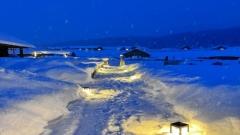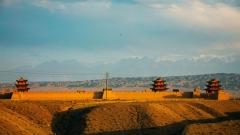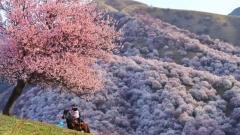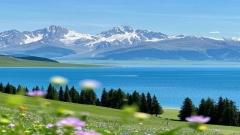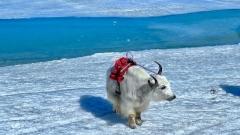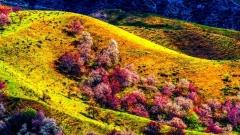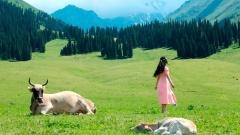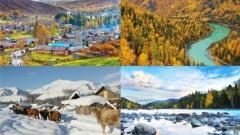

Xinjiang, located in the northwestern reaches of China, is renowned for its stunning panorama of grasslands, lakes, majestic mountains, and vast deserts, which stretch across a varied altitude spectrum from 500 to 3,000 meters. Adventurers who set foot in this region should brace themselves for the demands of the elevated terrain and the mesmerizing transformations brought by the changing seasons: the resplendent blossoms of spring, the luxuriant greenery of summer, the golden bounty of autumn, and the serene white snowdrifts of winter. Every season dons a distinctive and beguiling mantle.
Geographical Overview and Altitude Characteristics of Northern Xinjiang
Northern Xinjiang, the northern part of the Xinjiang Uygur Autonomous Region, is renowned for its diverse topography. From the Junggar Basin to the Altai Mountains, the dramatic shifts in terrain create significant variations in altitude. Generally, the land is higher in the east and lower in the west, with higher elevations in the northern and eastern mountainous areas and relatively lower altitudes in the central basin regions.
Altitude Analysis of Major Travel Destinations
Understanding the specific altitude of your destinations helps you better assess physical adaptation and plan a reasonable pace for your itinerary.
- Altay Region (Kanas, Hemu): This is a popular tourist area with relatively higher altitudes in Northern Xinjiang. Kanas Lake’s surface sits at approximately 1,374 meters, while the Fish-Watching Platform, offering a panoramic lake view, rises to about 2,030 meters. Hemu Village, often called “the backyard of the gods,” ranges from about 1,120 to 1,500 meters in altitude. Reaching these sites involves winding mountain roads, but most healthy travelers adapt well within this altitude range.
- Ili River Valley: Compared to Altay, the average altitude in the Ili region is more moderate. The “Airborne Grassland” scenic area of the Nalati Grassland is between 1,800 and 2,200 meters, while Sayram Lake’s surface is about 2,071 meters. The Ili Valley, with ample rainfall and lush vegetation, has relatively richer oxygen, making the incidence of altitude sickness lower.
- Urumqi and Surroundings: As the regional capital, downtown Urumqi averages around 800 meters in altitude. Nearby, the Tianchi (Heavenly Lake) scenic area has a lake surface at 1,910 meters, easily accessible by shuttle bus, making it a relaxed option for experiencing mid-altitude landscapes.
- Tacheng Region and Karamay: These areas feature relatively flat terrain, mostly under 500 meters, where travelers will hardly notice any discomfort from altitude changes.
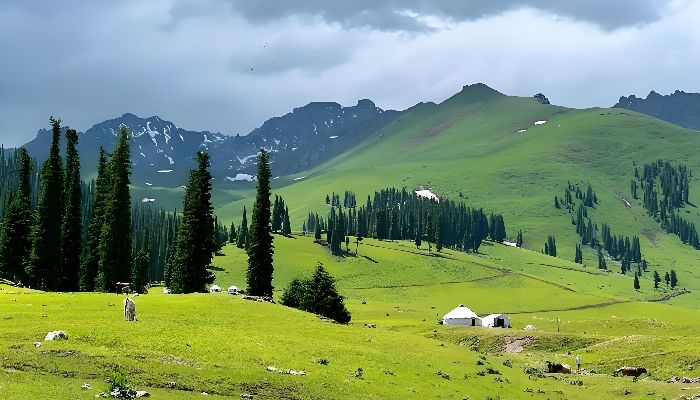
Northern Xinjiang Landscape
Prevention and Coping Strategies for Altitude Sickness
Given the altitude variations in Northern Xinjiang, thorough preparation is crucial. The onset of altitude sickness relates to individual physique, rate of ascent, and altitude.
Pre-Trip Physical Preparation
One to two weeks before departure, avoid strenuous exercise, ensure ample rest, and maintain good physical condition. While the preventive effects of traditional herbs like Rhodiola vary from person to person, maintaining a calm mindset and healthy habits is equally important. If you have a history of heart conditions, severe hypertension, lung diseases, etc., be sure to consult your doctor before traveling.
Acclimatization Techniques During Travel
A gradual ascent is the golden rule for high-altitude travel. Design your itinerary to progress from lower to higher altitudes. For example, spend one to two days acclimatizing in Urumqi (800m), then proceed to Ili (1,500-2,000m), before finally visiting higher spots in Altay. Within the first 24 hours of arriving at high altitude, avoid hot showers, alcohol, and vigorous activities like running or jumping. Move at a slower pace, stay well-hydrated, and opt for light, easily digestible meals with adequate carbohydrates.
Essential Medications and Emergency Response
It’s advisable to carry medications to alleviate altitude sickness symptoms, such as pain relievers (for headaches) and glucose supplements. If symptoms like severe headache, vomiting, or intense shortness of breath occur, the most effective response is to descend to a lower altitude immediately. Purchasing travel insurance that covers emergency medical evacuation is an essential safety net for travel to high-altitude regions.
Practical Planning Suggestions for Northern Xinjiang Travel
Armed with knowledge about Northern Xinjiang’s altitudes, you can proceed to plan your specific itinerary. Smart planning ensures a smoother journey.
Best Travel Seasons and Clothing Preparation
Northern Xinjiang enjoys four distinct seasons, each with its own scenery. Summer (June-August) offers pleasant weather and the most beautiful grasslands, but it’s also peak tourist season. Autumn (September-October) is brilliantly colorful, especially the fall foliage in Kanas, though temperatures in the mountains drop by then. Regardless of the season, due to significant daily temperature fluctuations caused by the altitude, “layering” is essential. Even in summer, pack fleece jackets and windproof outerwear; autumn requires a lightweight down jacket. Sun protection (high-SPF sunscreen, sunglasses, hat) is also vital due to intense UV radiation at high altitudes.
Transportation and Pace Arrangement
Northern Xinjiang is vast, with long driving distances between attractions. Hiring a private vehicle or joining a small tour group are popular and efficient options. Experienced drivers can flexibly adjust the pace based on road conditions and the group’s physical state. When planning daily activities, avoid an overly packed schedule. After activities at high altitudes, ensure sufficient rest time. For instance, after visiting Kanas Lake, consider staying overnight in Jiadengyu or Hemu Village to enjoy a tranquil evening, allowing your body time to acclimatize.
Must-Visit Attractions and Altitude-Acclimatized Itinerary Suggestions
A classic itinerary considering altitude acclimatization in Northern Xinjiang could be arranged as follows: First, arrive in Urumqi to acclimatize and explore the city and Tianchi Lake. Then, head to Ili to experience the grandeur of mid-altitude destinations like Sayram Lake and Nalati Grassland. Finally, travel north to Altay to explore Kanas and Hemu. This order allows for a step-by-step adaptation process. Each scenic area has its unique charm—the deep blue vastness of Sayram Lake, the vibrant, layered beauty of Nalati Grassland, and the mysterious depth of Kanas—all worthy of being savored at a leisurely pace.
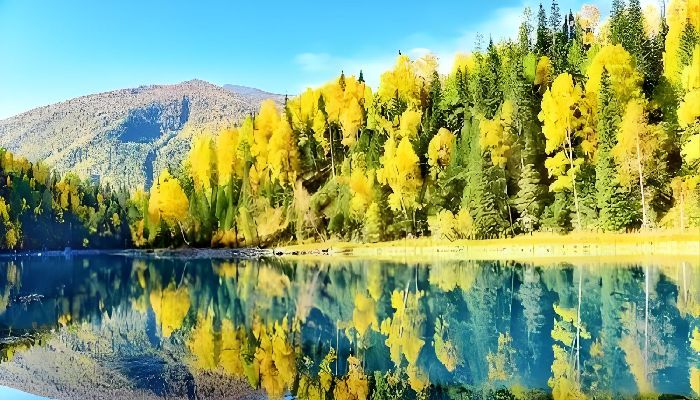
Kanas Lake
Final Advice Before Embarking on Your Northern Xinjiang Highland Adventure
The quintessence of a journey to Northern Xinjiang is contingent upon a profound reverence and apt adjustment to the natural milieu shaped by its elevated terrain. From preliminary health evaluations prior to departure to the unwavering observance of the travel tenet—“ascend gradually, maintain hydration, and shield against the sun’s rays and the cold”—every careful preparation contributes to a tranquil and delightful travel experience. The enchanting allure of the snow-capped peaks, lakes, meadows, and forests in Northern Xinjiang stems from its distinctive alpine topography, preserving an untouched splendor. Opting for a travel cohort versed in local intricacies and adept at high-altitude expeditions can markedly enhance the journey’s ease.They offer customized itinerary recommendations suited to varying degrees of physical fitness and stand ready to render assistance whenever required. With thorough planning, the awe-inspiring vistas of Northern Xinjiang’s highlands are poised to etch an indelible mark upon your recollections.