
Comprehending the precise meteorological conditions in Northern Xinjiang is essential to ensure a seamless travel experience, considering the region’s unpredictable and extreme climatic characteristics. The occurrence of sudden and drastic weather changes, including unanticipated precipitation and variable temperatures, mandates thorough planning that is contingent upon real-time weather information. The present article conducts an analysis of Xinjiang’s seasonal climatic patterns and furnishes travel recommendations for individuals intent on exploring its picturesque landscapes.
Decoding the Four Seasons in Northern Xinjiang: Your Weather Forecast Guide
Northern Xinjiang experiences a temperate continental climate characterized by significant diurnal temperature variations and concentrated rainfall. Weather conditions can differ drastically across various areas due to terrain differences (such as the Altai Mountains, Junggar Basin, and Ili River Valley). When interpreting Northern Xinjiang weather forecasts, it’s essential to make a comprehensive judgment combining both the season and geographical location.
Spring (April to June): Awakening and Changeable
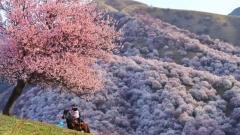
This is when Northern Xinjiang thaws, and everything comes back to life. However, the key word for Northern Xinjiang weather forecasts in spring is “unstable.” Temperatures rise quickly, but sudden cold snaps can occasionally occur. The temperature difference between day and night can reach 15-20°C. Mountainous areas may still have residual snow, and rainfall gradually increases. Even if the forecast shows clear skies, it’s recommended to pack windproof jackets and rain gear to cope with sudden changes.
Summer (July to August): Greenery and Coolness
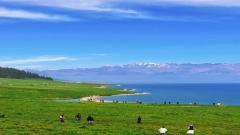
This is the peak tourist season in Northern Xinjiang, especially famous for Ili’s lavender and rapeseed flower fields. Summer forecasts for Northern Xinjiang typically feature clear weather, but it is by no means intensely hot. Mountainous and high-altitude areas (like Kanas and Hemu) are warm and pleasant during the day and very cool at night, making them excellent summer retreats. However, localized afternoon convection in the mountains can bring brief thunderstorms. Checking hourly detailed forecasts is crucial for scheduling outdoor activities.
Autumn (September to October): Golden Hues and Fleeting
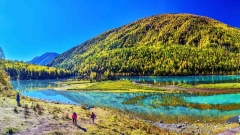
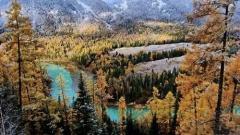
Considered Northern Xinjiang’s most beautiful season, with places like Kanas and Baihaba showcasing forests of vibrant autumn colors. The characteristic of autumn forecasts is “stable weather, but rapid cooling.” Early to mid-September usually offers clear skies and pleasant temperatures. Entering October, especially after the National Day holiday, temperatures drop in steps, potentially reaching freezing at night, with the possibility of the first snow. The forecasted minimum temperature is your most important guide for packing.
Winter (November to March): Ice, Snow, and Extreme Cold
Northern Xinjiang transforms into a fairytale-like snowfield. The core focus of winter forecasts is “severe cold” and “dry cold.” Temperatures remain below zero for extended periods, potentially dropping to -20°C or -30°C in the Altay region. Snowfall is abundant, but the weather is mostly clear and dry. Forecasts should be monitored for extreme low temperatures and road snow conditions, as these directly affect transportation feasibility and the level of cold-weather gear required.
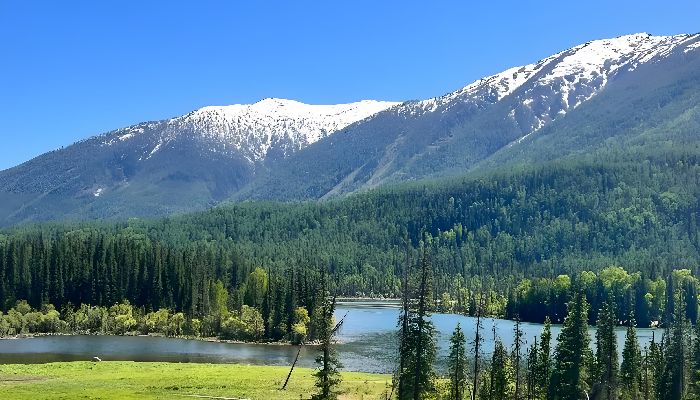
Kanas Lake scenery in Northern Xinjiang spring
How to Effectively Use Weather Forecasts to Plan Your Northern Xinjiang Trip
After understanding the seasonal characteristics, you need to translate abstract Northern Xinjiang weather forecast data into concrete action plans. Here are some key steps:
Choose Reliable Forecast Sources and Pay Attention to “Microclimates”
It is advisable to use international weather apps that incorporate data from the China Meteorological Administration, and set the location to specific counties or scenic spots (like Burqin County, Kanas Scenic Area, or Nalati in Xinyuan County). Remember, the “microclimate” effect in mountainous areas is significant; weather can be completely different between two places just dozens of kilometers apart. For example, sunny or rainy conditions in the Ili River Valley are closely tied to conditions in the Tianshan Mountains. Therefore, it’s wise to check the detailed forecast for the specific spot before heading to a particular attraction.
Create a Flexible Itinerary Based on Forecasts
Avoid packing your schedule too tightly; always leave buffer days for weather changes. If the forecast shows rain on one out of two consecutive days, you can plan outdoor activities like hiking or lake cruises for the sunny day, and schedule indoor or semi-indoor activities like visiting museums, strolling through towns, or sampling local cuisine for the rainy day. For instance, if visiting Kanas, you can flexibly adjust the order of hiking the “Three Bays” and ascending the Guanyu Terrace based on the forecast, choosing the day with the best visibility for the latter.
Final Packing Checklist
One or two days before departure, make final adjustments to your luggage based on the latest Northern Xinjiang weather forecast:
- Spring/Summer:No matter how sunny the forecast, you must bring a windproof and waterproof jacket, a warm mid-layer (fleece), and long pants. Shoes should be waterproof and slip-resistant.
- Autumn:Layering is key. Prepare a light down jacket, wool sweaters, and thermal underwear. Hats and gloves become necessary after October.
- Winter:Top-tier cold-weather gear is essential. A thick down coat, waterproof snow boots, wool socks, a face mask, and snow goggles are indispensable. Pay attention to low-temperature protection for electronic devices.
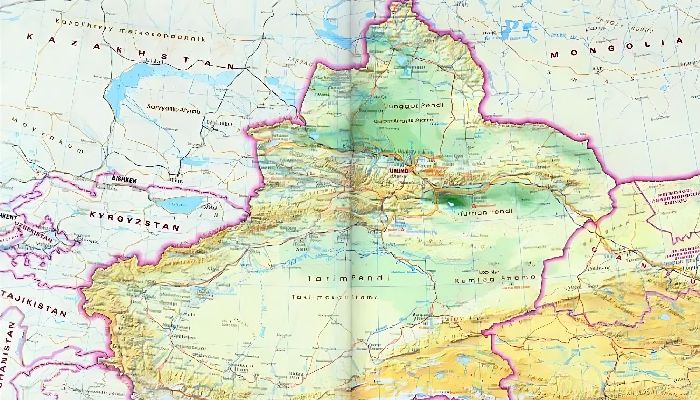
Map of northern Xinjiang
Weather Considerations and Travel Tips for Classic Northern Xinjiang Routes
A typical Northern Xinjiang loop route usually covers diverse landscapes, meaning you might experience multiple weather conditions on a single trip. Here are practical suggestions incorporating weather forecasts:
- Kanas-Hemu Route:Located in the Altai Mountains at a relatively high altitude, the weather changes fastest here. Even in summer, the forecasted temperature here can be over 10°C lower than in Urumqi. Thick morning fog is common, which isn’t necessarily bad weather—it can create a fairy-tale ambiance—but you may need to delay departure times until the fog lifts.
- Ili Grasslands Route:Summer is the prime time, but be wary of afternoon thunderstorms. If rain is forecasted, schedule grassland hikes for the morning. During the spring flower-viewing season, the weather warms up but is often windy, making a windproof jacket essential.
- Sayram Lake:Situated at a mountain pass, it’s windy year-round, with temperatures lower than the surrounding areas. When checking the forecast, pay special attention to the wind speed and be prepared with windproof clothing, even in mid-summer.
For travelers unfamiliar with local conditions or wishing to minimize planning stress, collaborating with a professional travel agency knowledgeable about Northern Xinjiang’s geography and climate can make the journey much smoother. For example, experienced planners at agencies like Yulong Travel can help you build a flexible itinerary based on medium-to-long-term weather trends and provide on-the-ground contingency plans and support in case of sudden weather changes, ensuring travel quality and safety.
Northern Xinjiang Deep Experience that Adapts to Conditions
In summary, the weather forecast for Northern Xinjiang is far from being a simple series of figures that might impede your itinerary. Instead, it functions as an informed guide, facilitating a safe and harmonious engagement with the area, thereby enhancing your bond with its landscape. It educates on the importance of respecting the environment and the necessity of flexible adaptation to its dynamic conditions. By acquiring the ability to heed the nuanced signals from the sky and to align your actions with the fluctuating patterns of wind and cloud, Northern Xinjiang will not only offer the scenic beauty captured in photographs but also a comprehensive travel experience imbued with wisdom and unexpected pleasures. Commence your planning by thoroughly examining the historical weather data and projecting the long-term climatic trends for your scheduled travel dates, thereby equipping yourself with the most authoritative guidance for your Northern Xinjiang expedition.