
Nestled in the Qukogel Mountains of Gyaca County, Shannan, Tibet, is Lhamo La-tso, a sacred lake over 4,000 meters above sea level. Covering just 1 square kilometer, it is a hidden gem pursued by travelers worldwide, owed to its exceptional status in Tibetan Buddhism. Unlike Nam Co’s vastness and Yamdrok Lake’s gentleness, its allure lies in mysterious legends and arduous pilgrimage trails. A vital witness to Tibet’s reincarnation system, it is a spiritual mirror believers hold to reflect past and future lives with piety. Trekking with sincerity reveals the plateau’s unique sacredness, blending nature and faith’s intertwined power.
Shannan Lhamo La-tso: Origin of the “Lake of the Goddess of Fortune” in Tibetan
Tibetan Meaning and Geographical Features
In Tibetan, Shannan Lhamo La-tso translates to “Lake of the Goddess of Fortune”, also known as Qungog Gyal Sacred Lake. It is located in the northeastern part of Gyaca County, Shannan City, about 65 kilometers away from the county seat. Surrounded by the Qukogel Mountains, the lake has an elliptical shape, resembling a jasper mirror held aloft by the mountains.
With an altitude of over 4,000 meters, the lake remains frozen for as long as 7 months a year. Only from May to October, when the ice and snow melt, does it unveil its crystal-clear true appearance to the world, marking the only window for visitors to explore it.
Profound Connection with Tibetan Buddhism
In the fourth year of the Zhengde reign of the Ming Dynasty, Gendun Gyatso, the 2nd Dalai Lama, built the Qungog Gyal Monastery in the vicinity. Originally regarded by local Tibetans as an ominous lake where hailstorms would descend at the sound of loud shouts, it gradually transformed into a revered sacred lake of auspiciousness after he led his followers to cast sacred objects into the water and recite scriptures to pray for blessings.
Shannan Lhamo La-tso is the core witness site of the reincarnation system of Tibetan Buddhism. After the passing of great virtuous masters such as the Dalai Lama and the Panchen Lama, before embarking on the search for their reincarnated soul boys, holy monks would come here to gaze into the lake for divination, seeking directions and guidance from the miraculous visions reflected on the lake surface. Every Dalai Lama throughout history has made a pilgrimage to this lake once in their lifetime.
The Mirror-like Mystery in Folk Legends
For ordinary believers, Shannan Lhamo La-tso is a treasure mirror capable of revealing one’s destiny. According to folklore, different people gazing at the same lake will see distinct visions. Only those who stare at the water with sincere piety and a pure heart can catch glimpses of fragments of their past and future lives in the ever-changing light and shadow of the lake.
This mystical aura elevates Shannan Lhamo La-tso beyond a mere natural scenic spot, making it an irreplaceable spiritual symbol in Tibetan beliefs and drawing countless believers to make the pilgrimage here.
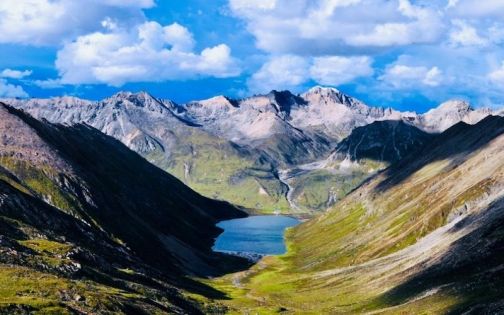
Lhamo La-tso
Best Time to Visit Shannan Lhamo La-tso and Seasonal Highlights
Golden Travel Period (May – October)
May to October each year is the prime time to visit Shannan Lhamo La-tso. During this period, the snow in the mountains melts, mountain roads become accessible, and the climate is relatively stable, which maximizes travel safety and the lake-viewing experience, making it the golden season for both sightseeing and pilgrimage.
Seasonal Experience Highlights
- May – June: As spring transitions to summer in Tibet, alpine flowers such as wild snow lotuses and blue poppies bloom on the slopes, infusing the vast mountains with vibrant life. Coinciding with the Cordyceps Festival in early June, visitors may encounter horse races, song and dance performances, and mountain markets, immersing themselves in the rich Tibetan folk customs. The lake has just thawed, with crystal-clear water rippling gently in the breeze; the interplay of light and shadow makes it easier to witness the legendary visions, making it the top choice for devout believers to pray by the lake.
- July – September: Entering the rainy season, the mountains are often shrouded in clouds and mist, which may obstruct the view of the lake and affect the viewing experience. However, on clear days after rain, the lake glows with an unblemished blue, and the surrounding mountains turn lush and fresh, creating a perfect backdrop for capturing the picturesque scenery of lakes and mountains. It should be noted that mountain roads are prone to rockfalls and mudslides; check road conditions in advance and take proper precautions.
- November – April (next year): During the long freezing period, the lake is covered with thick ice, like a white jade inlaid among the mountains. The area is swept by biting cold winds and extreme low temperatures, with some sections closed due to snow accumulation. This period is only suitable for experienced adventurers, and ordinary tourists are advised not to venture there rashly.
Transportation Guide and Itinerary Planning for Shannan Lhamo La-tso
Main Modes of Transportation
Shannan Lhamo La-tso is located in a remote area with no direct public transportation. Chartered cars, carpooling, or self-driving are the main travel options. It is essential to plan the itinerary carefully and set aside sufficient time to cope with the complex mountain road conditions.
- Chartered Car: A round-trip ride from Gyaca County costs approximately 400 yuan for a five-seater car. Carpooling with other travelers can split the cost. During the non-cordyceps season, contact drivers in advance to confirm the itinerary to avoid being stranded without available vehicles.
- Self-driving: Part of the road from Sangri to Gyaca is gravel, with poor conditions. It is recommended to use a four-wheel-drive vehicle with a high chassis. The route features numerous curves and rockfall-prone sections; drive slowly and use low gears when descending long slopes to prevent brake overheating.
Recommended Classic Itineraries
- One-day Tour: Depart from Gyaca County early in the morning and drive along the mountain road to Shannan Lhamo La-tso, enjoying the scenery of the Yarlung Zangbo River and the alternating landscapes of red soil hills and gravel mountains along the way. Hike up to the viewing platform to see the lake in the morning, stay for 1-2 hours in the afternoon to take photos and pray, then return to Gyaca County for accommodation in the evening.
- Three-day Tour:
- Day 1: Travel from Lhasa to Tsedang Town, and visit Yumbulagang Palace and Tradruk Temple.
- Day 2: Head from Tsedang Town to Gyaca County, explore Qungog Gyal Monastery, then proceed to Shannan Lhamo La-tso.
- Day 3: Visit Samye Monastery on the return trip to deeply experience the profound Tibetan cultural heritage of Shannan.
Basic Scenic Area Information
| Item | Details |
| Ticket Price | 50 yuan per person |
| Opening Hours | 9:00 – 17:00 |
| Required Documents | ID card (for passage and registration) |
Entry Process: Pass through three checkpoints. At the first checkpoint, exchange your ID card for a registration card, then complete registration at subsequent checkpoints in turn. It is advisable to confirm the opening status of the scenic area in advance to avoid temporary closures due to construction, weather, or other reasons.
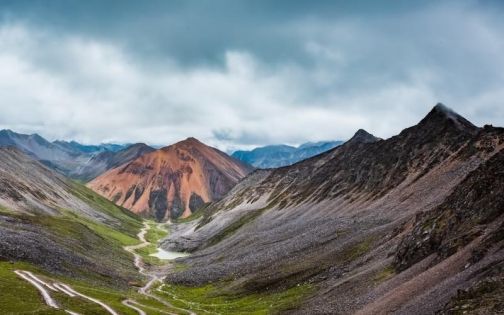
Lhamo La-tso
Mountain Climbing & Lake Viewing Tips and Precautions for Shannan Lhamo La-tso
Practical Mountain Climbing Tips
- Vehicles can directly reach the scenic area parking lot. From the parking lot to the viewing platform at an altitude of 5,300 meters, visitors need to hike along stone steps for 20-30 minutes, with an elevation gain of about 500 meters. Due to the thin air at high altitudes, walk slowly and avoid strenuous exercise; pause to rest and take deep breaths at regular intervals.
- Carry mineral water and hydrate in small sips to relieve dry and sore throat. Those with limited physical strength can opt to ride a horse up the mountain, with a one-way fare of approximately 200 yuan. Negotiate the price with local herdsmen in advance.
- Do not rush to view the lake immediately after reaching the summit. Acclimatize for a while at the viewing platform and wait until your physical condition stabilizes before gazing at the lake, to enhance the viewing experience and comfort.
Altitude Sickness Prevention and Equipment Preparation
- Altitude Sickness Prevention: Take anti-altitude sickness medication one week before departure. Carry emergency supplies such as oxygen cylinders and glucose oral liquid during the hike. If symptoms such as dizziness, palpitations, or difficulty breathing occur, stop climbing immediately, rest in place and inhale oxygen; descend to seek medical attention if the symptoms are severe.
- Equipment Recommendations: Bring windproof and warm jackets, hats, sunglasses, and high-SPF sunscreen. The plateau has intense ultraviolet radiation, unpredictable weather, and large temperature differences between day and night, so windproof, sun-protective, and warm clothing are all essential. Use lip balm to prevent chapped lips.
Lake Viewing Etiquette and Environmental Protection Requirements
- Maintain silence and reverence while viewing the lake; do not make loud noises. It is prohibited to bring electronic devices near the lakeside or fly drones, to avoid disturbing the sacred lake. According to legend, lake viewing requires a pure mind. On sunny days, when light and shadow dance on the water, strange ripples may appear on the lake surface—regard it as a spiritual practice.
- Protect the purity of the sacred lake: do not litter, and take all waste away with you. Respect local religious customs; do not touch religious items such as prayer flags and mani stones, and avoid taking photos on kora paths.
Surrounding Attractions of Shannan Lhamo La-tso
Core Surrounding Cultural Attractions
- Qungog Gyal Monastery: The closest core cultural attraction to Shannan Lhamo La-tso, built under the supervision of Gendun Gyatso, the 2nd Dalai Lama. It once served as the summer palace of the Dalai Lama and is also an important religious site for lake-viewing pilgrimages. Some of the monastery’s ruined walls exude a profound sense of history, with walls polished bright by wind and sand. The murals inside the hall clearly depict the scene where the 2nd Dalai Lama’s body faced Shannan Lhamo La-tso when he passed away. Located at the intersection of four sacred mountains and three holy rivers, this place is revered by believers as an auspicious sacred site.
- Cuijiu Valley: A must-pass on the way to Shannan Lhamo La-tso, featuring unique landforms with alternating red soil hills and gravel mountains. Clear streams gurgle through the valley, presenting distinct sceneries in different seasons—lush vegetation in summer and a snow-covered wonderland in winter. Herdsmen’s tents can be seen along the way.
Tibetan Customs, Food and Accommodation Recommendations
- Folk Custom Experience: During the cordyceps season, visitors can witness herdsmen collecting cordyceps in the mountains and learn about this local characteristic industry. Step into herdsmen’s tents to taste authentic butter tea and yak meat, and experience the simple and unsophisticated life of plateau herdsmen.
- Food Recommendations: Gyaca County mainly offers Sichuan cuisine and Shaanxi noodles. It is recommended to try the local stone pot chicken, cooked with plateau fungi, which boasts a fresh and refreshing soup. Tsedang Town has a more diverse range of dining options; sweet tea houses are great places to experience local life, where a pot of sweet tea paired with a bowl of noodle soup captures the essence of Tibetan daily life.
- Accommodation Recommendations: Gyaca County is the main accommodation base. Choose hotels with complete facilities, and prioritize rooms with heating, hot water, and humidification functions to ensure a good sleep quality. Tsedang Town has better accommodation conditions, suitable for tourists pursuing comfort.
Shannan Lhamo La-tso: A Spiritual Journey Beyond Legends
Some say Lhamo La-tso’s beauty lies not in its size, but in the faith and stories it holds. Unlike the famous Nam Co or gentle Yamdrok Lake, its unique identity as an oracle lake draws awe-struck travelers. The hardship of the hike preludes the pilgrimage; gazing at the lake from the summit is a dialogue with one’s inner self. What shimmers in its light may not be past or future lives, but genuine inner desires and relief.
The mystery of Shannan Lhamo La-tso is embedded in the inheritance of Tibetan Buddhism, hidden in the tranquility surrounded by mountains, and reflected in the sincere eyes of every pilgrim. It is more than a natural landscape; it is a spiritual practice that reminds people to slow down in the fast-paced modern life. This sacred lake on the plateau will always greet every encounter across mountains and seas with its purest form, leaving unforgettable memories of the plateau.