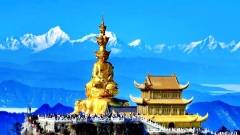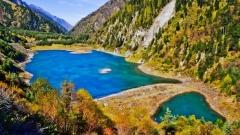

For those who are intrigued by the captivating charm of Sichuan’s Gongga Mountain, the awe-inspiring 7,556-meter summit, referred to as the “Crown of Sichuan Land,” embodies a natural wonder and a wellspring of spiritual edification. Its unique pinnacle attracts both photography enthusiasts in pursuit of the quintessential photograph and adventurers in quest of the exhilaration of discovery. Meticulous preparation is essential to guarantee a triumphant expedition. The present article delineates critical information regarding transportation, viewing recommendations, hiking guidance, and safety measures, all designed to facilitate an exceptional and unforgettable experience.
Why Choose Gongga Mountain? Exploring The Multiple Charms Of The King Of Sichuan Mountains
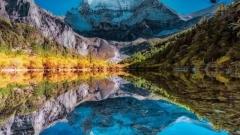
Choosing Gongga Mountain means opting for a multi-layered sensory and spiritual journey. It is not just a geographical coordinate but a comprehensive destination that can satisfy various travel aspirations simultaneously. Through the lens of photographers, Gongga Mountain is a poem of light and shadow – Lenggacuo’s mirror-like lake surface reflects the snow-capped peaks, and the surging sea of clouds at Zimei Pass holds up the golden sunlit mountains at sunrise, each scene stirring the heart. For hiking enthusiasts, the area around Gongga Mountain offers challenges of varying difficulty, from lightweight lakeside walks to multi-day high-altitude wilderness crossings, allowing people to test their limits in the primeval wilderness.
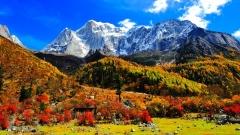
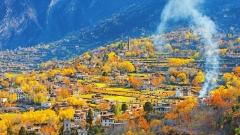
In addition, this area is a treasure trove of ecology and culture. During the journey, the vegetation gradually changes from lush forests to alpine meadows, and finally ends at the permanent snow line, unfolding a natural scroll. The villages scattered at the foot of the mountain retain a peaceful life and simple beliefs coexisting with the sacred mountain, infusing the pure natural scenery with warm humanistic warmth. Therefore, planning a trip to Gongga Mountain is essentially booking a deep experience that combines visual shock, physical challenge and cultural immersion.
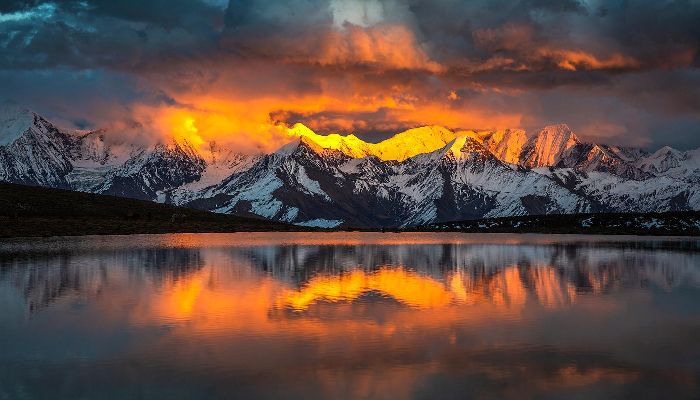
Gongga Mountain Sunrise
Transportation To Gongga Mountain: A Detailed Analysis
International travelers usually enter via Chengdu. There are various ways to travel from Chengdu to the Gongga Mountain area, which need to be selected according to your specific destination (such as viewing platforms or hiking starting points) and travel preferences.
- Independent Public Transportation: Take a bus from Chengdu Chadianzi or Xinnanmen Bus Station to Kangding, with a travel time of about 6-7 hours. Afterwards, you need to share a ride or charter a car from Kangding to frontline towns such as Moxi Town and Shangmu Ju. This method is more economical but involves multiple transfers and takes a long time, suitable for experienced independent travelers with ample time.
- Chartered Car Or Customized Itinerary: The most flexible and efficient way. You can book a car directly in Chengdu to travel point-to-point to destinations such as Lenggacuo and Zimei Pass. Local drivers are familiar with the complex mountain roads, which can greatly save time and energy, especially suitable for visiting remote viewing spots with poor road conditions. The cost varies according to the car model, itinerary duration and distance.
- Join A Specialized Tour Group: There are group tours focusing on Gongga Mountain sightseeing and light hiking on the market. Such services usually include transportation, accommodation, guides and some meals, eliminating a lot of tedious planning, suitable for first-time visitors, those seeking convenience or hoping to have companions.
Classic Experiences And Viewing Spots In The Gongga Mountain Area
The grandeur and magnificence of Gongga Mountain are fully displayed in the richness of its 360-degree panoramic views. This area is comparable to a giant outdoor geographical museum, gathering the magnificent scenery of glaciers, lakes, mountain passes and canyons. Visitors can independently choose and combine core experience projects such as glacier exploration, lakeside walks, mountain pass viewing and canyon exploration according to their personal interests and physical conditions, to find a unique way to get close to this mysterious snow-capped mountain.
Lenggacuo And Lisohai: Photographic Holy Lands For Chasing Snow Mountain Reflections
To witness the most serene and magnificent side of Gongga Mountain, Lenggacuo is undoubtedly the top choice. This alpine lake is like a sapphire inlaid in the valley. When the wind calms down, the lake surface perfectly reproduces the towering reflections of Gongga Mountain and its subsidiary peaks. Especially in the morning glow and sunset, both the water and the sky are dyed golden red, creating a dreamlike scene. The adjacent Lisohai has a slightly different perspective and is also an excellent place for shooting reflections. To reach the two lakes, you usually need to ride a horse or hike up the mountain from Shangmu Ju Village, and this climbing process itself is a prelude to integrating into the wilderness.
Zimei Pass And Yaha Pass: Shocking Platforms Facing The Summit Of The King
Eager to feel the overwhelming power of Gongga Mountain? Then driving directly to the passes with an altitude of over 4,500 meters is the most direct way. Zimei Pass seems to send people to the feet of a giant, with glacial scars and rock textures close at hand. Clouds and mist often wrap around the mountains like a belt, creating an extremely impactful scene. Yaha Pass is famous for its wide view, offering a panoramic view of the winding peaks of Gongga Mountain. Both places are top stages for watching sunrise, sunset and the boiling sea of clouds. However, it should be noted that the roads are unpaved and the altitude is high. Vehicles need to have good performance, and travelers also need to have adapted to the plateau environment.
Multi-Day Hiking In The Gongga Mountain Area: A Pilgrimage Epic Completed On Foot
For experienced hikers, a multi-day crossing around Gongga Mountain is an achievement that combines physical challenge and spiritual significance. The classic multi-day hiking loop usually takes 5 to 7 days, with altitudes ranging from 3,000 meters to 4,900 meters. The crossing will pass through forests, pastures, cross dangerous passes, and pass by ancient temples and emerald lakes, looking up at the various postures of Gongga Mountain from different sides. This is a challenge that requires rigorous planning, professional equipment, reliable guides and good physical fitness. Its reward is an unparalleled deep connection with the sacred mountain day and night that no other way can match.
Gongga Itinerary Key Points And Packing List
Choosing the right time to visit Gongga Mountain is crucial. Every year from April to May and September to October is the best window. At this time, the weather is relatively stable, there is little precipitation, visibility is high, and the autumn scenery is particularly gorgeous. The summer rainy season has poor road conditions and thick clouds, while winter is extremely cold and many areas are inaccessible.
Must-Have Packing List:
- Clothing System: Follow the layering principle. Inner layer for moisture wicking and quick drying, middle layer for warmth (fleece/down), outer layer for windproof and waterproof (jacket and pants). Warm hats, gloves and sunglasses are essential.
- Important Footwear: A pair of professional hiking shoes that are waterproof, high-top and have good support is the guarantee for safe hiking.
- Protective Supplies: High-intensity sunscreen with SPF50+ and lip balm to resist strong ultraviolet rays.
- Other Necessities: Hiking poles, insulated water bottle, headlamp, personal medicine and drugs to relieve altitude sickness (such as Acetazolamide, please consult a doctor before use).
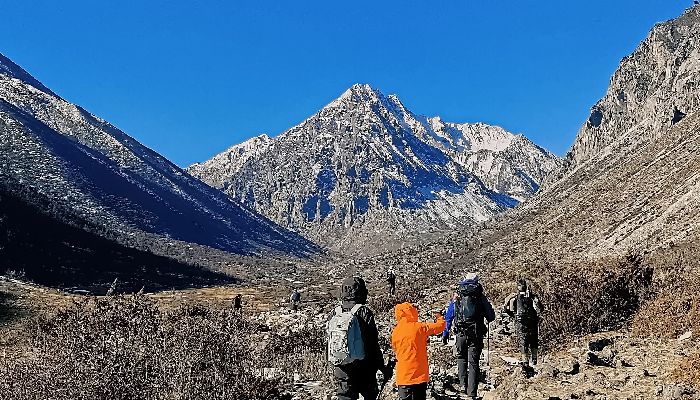
Gongga Mountain Hiking
Gongga Practical Tips And Important Safety Precautions
Coping With Altitude Sickness:
The activity altitude around Gongga Mountain is extremely high, so it is necessary to reserve time for the body to adapt. Avoid strenuous exercise, drinking alcohol and taking overly hot baths in the initial stage of arrival. Move slowly and fully hydrate. If symptoms such as severe headache, vomiting and extreme difficulty breathing occur, you should immediately stop ascending and consider descending.
Environmental Protection Responsibility:
While enjoying the gifts of nature, please strictly practice the “Leave No Trace” principle. Take away all personal garbage, do not damage any vegetation, do not feed or disturb wild animals, and jointly maintain the fragile primitive ecology of Gongga Mountain.
Cultural Respect And Etiquette:
Gongga Mountain is an important sacred mountain in Tibetan Buddhism. Please respect local religious customs. When walking around mani piles and prayer flags, you should follow the clockwise direction. Do not take close-up portraits of locals and monks without explicit permission.
Plan Your Trip to Mount Gongga – The Sacred Mountain of Sichuan
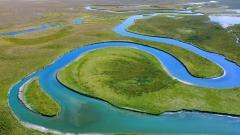
Undertaking a sojourn to Gongga Mountain is a true test of one’s perseverance and meticulous planning, as its awe-inspiring peaks and meandering waters promise memories of unparalleled splendor and profound reflection. From the nascent idea of the trip to the conclusion of the homeward-bound journey, diligent preparations, suitable gear, and a profound reverence for the highland terrain are pivotal to a seamless travel experience. Should you require guidance with transit logistics, professional guiding services, or crafting an optimal itinerary, enlisting the aid of seasoned agencies like China Dragon Travel will ensure a safer and more expeditious escapade. May each traveler return with the majestic vistas of Gongga Mountain etched in their hearts and tranquility in their souls.