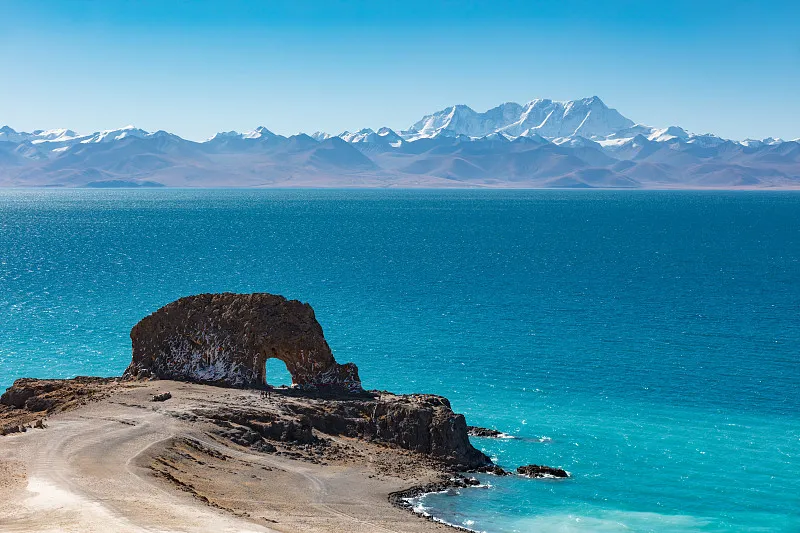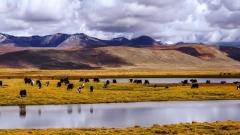

Nestled in Pulan County, Ngari Prefecture of Tibet, Lake Manasarovar, one of Tibet’s four sacred lakes, is backed by Mount Kailash and faces Mount Namuna Ni across the water. With crystal-clear waters (up to 14 meters visibility) mirroring snow-capped mountains and flowing clouds, it stands as a stunning plateau wonder. The optimal time to visit is from mid-May to mid-October, when the climate is mild, roads are accessible, and all attractions are open, allowing you to avoid harsh winter cold and closed routes for an unforgettable experience.
In-depth Analysis of Lake Manasarovar’s Best Travel Season
Lake Manasarovar’s lake area has a typical alpine frigid climate with an annual average temperature of only 2.0℃. Winters are extremely cold (minimum temperature dropping to -30℃) with closed roads. By contrast, mid-May to mid-October offers the best natural and transport conditions, making it the top choice for travel for the following reasons:
Favorable Climate for Maximum Comfort: During this period, the average temperature around the lake ranges from 2℃ to 15℃, bidding farewell to winter’s bitter cold. Even with nighttime temperature drops, regular warm clothing suffices. Sunny days account for over 80% of the time, with low precipitation, minimizing disruptions from rain and snow.
Smooth Roads for Unobstructed Travel: Snow on the ring-lake highway begins to melt in late April. From mid-May to mid-October, the entire route remains ice-free and open. Whether traveling by self-driving, chartered car or short-distance shared ride, you can reach all core attractions safely without worrying about vehicle traps or road closures.
Complete Landscapes with All Key Sights Open: After the lake thaws completely, you can admire the water’s gradient hues from light blue to deep blue. Lakeside grasslands, temples and prayer flag arrays are all in their prime viewing condition. Wildlife is highly active, offering chances to spot plateau creatures like Tibetan wild asses and brown-headed gulls.
Diverse Experiences with Versatile Activities: This period is ideal for lakeside walks, photography, lake-circling pilgrimages and hot spring experiences. Peak season brings a strong atmosphere as pilgrims of various religions gather at the sacred lake, while off-peak season allows you to enjoy the serene beauty of the secluded destination alone.
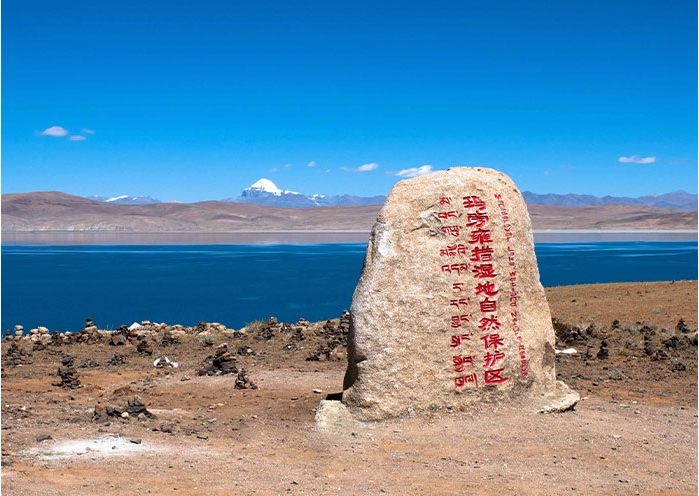
Lake Manasarovar
Seasonal Highlights of Lake Manasarovar’s Best Travel Periods
May: Serene Early Spring Wonderland
Seasonal Advantages: Mountain pass roads just reopen, with very few tourists, letting you enjoy the pristine scenery of the sacred lake and snow-capped mountains in solitude. Temperatures rise gradually, free from summer rains, with frequent sea of clouds formations, perfect for travelers seeking a peaceful experience.
Attraction Highlights:
- Lake Manasarovar Main Viewing Platform: In the early morning, mist shrouds the lake surface. Sunlight pierces through the clouds, creating a spectacular “golden light over the lake” scene. With no crowds around, you can take immersive photos of the lake and mountains framed together. The glacier contours of Mount Namuna Ni loom faintly in the sea of clouds.
- Lakeside Prayer Flag Array: Colorful prayer flags flutter in the early spring breeze, contrasting sharply with the newly budding green grassland. Mani piles reflect in the thawing lake water, blending cultural and natural beauty for uncluttered photos.
- Lakeside Herdsmen Villages: Herdsmen move back to the lakeside one after another, with yurts scattered across the grassland like stars. You can experience butter tea making up close, feel the tranquil plateau life before spring ploughing, and enjoy the authentic atmosphere without peak-season commercialization.
June-August: Vibrant Summer Scenery
Seasonal Advantages: Grasslands turn lush green completely, dotted with blooming wildflowers of various colors (yellow, purple, white, etc.), forming a stunning “green carpet embroidered with flowers”. Daytime temperatures peak at around 15℃, comfortable for long outdoor activities. Religious pilgrimage events are in full swing, creating a strong cultural atmosphere.
Attraction Highlights:
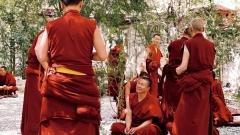
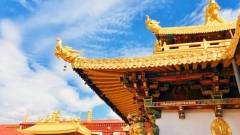
- Chugo Monastery: Its red walls and golden roof are surrounded by lush green grassland. The viewing platform behind the monastery offers a bird’s-eye view of the “snow-capped mountain (Mount Kailash) + sacred lake + grassland” panorama. In the early morning, you can hear monks chanting morning scriptures, harmonizing with birdsong over the lake. Summer is the peak season for pilgrims to circumambulate the monastery, allowing you to join in the kora and prayer activities.
- Mount Namuna Ni Viewing Spot: Snow-capped mountain glaciers are clearer under the summer sun. The mountain’s outline forms a triple color contrast with the lakeside green grass and deep blue water. In the afternoon, brown-headed gulls often play on the lake surface, adding dynamic charm to the scenery.
- Around Qiwu Monastery: The grassland at the foot of the mountain is lush with water and grass. Wildlife such as Tibetan wild asses and Tibetan gazelles are frequently seen, and herdsmen’s sheep flocks occasionally wander through. Hot springs near the monastery are open in summer, offering a unique experience of soaking in hot springs while admiring snow-capped mountains at an altitude of 4,500 meters.
- Lhanag-tso (Sister Lake): Located just a road away from Lake Manasarovar, its water takes on a deep blue-black hue in summer. With no excessive vegetation blocking the shoreline, it is the perfect spot to capture the reflection of Mount Kailash, creating a fascinating “one sacred, one mysterious” contrast with Lake Manasarovar’s vibrant charm.
September-mid-October: Breathtaking Autumn Scenery
Seasonal Advantages: The sky is clear and cloudless with no rain, boasting the highest visibility of the year, making it the golden period for photography. The number of tourists decreases compared to summer, allowing you to enjoy the beautiful scenery without crowds. Grasslands turn golden, creating a striking color contrast with the lake water and snow-capped mountains.
Attraction Highlights:
- Lake Manasarovar Main Viewing Platform: The sunset view here is absolutely stunning. Sunset glow dyes the lake surface orange-red. Golden grasslands, white snow-capped mountains, deep blue lake water and orange-red sky form a four-color picture. Every snapshot is a perfect photo without the need for filters.
- Lakeside Prayer Flag Array: Colorful prayer flags blend seamlessly with the golden grassland. As the wind blows, the flags flutter in sync with the waves of the grassland. Combined with the golden ridge of Mount Namuna Ni under the setting sun, the scene is full of atmosphere, making it a top photography spot that integrates culture and nature.
- Serxu Lung Monastery: An ancient Drigung Kagyu monastery located on the eastern shore of the lake, its red walls look more striking under the autumn sun. Mani stone piles in front of the monastery complement the golden grassland, allowing you to take layered photos of “ancient monastery + autumn grassland + lake view”. Murals inside the monastery show brighter colors in the dry autumn climate.
- Ring-lake Grasslands: Winding rivers meander like turquoise ribbons across the golden grasslands. Distant snow-capped mountains reflect in the lake water. Occasionally, herds of Tibetan wild asses gallop past, forming a dynamic and tranquil autumn pastoral scene, perfect for stopping to take photos during a self-drive trip.
Non-recommended Period: November to April
During this period, the temperature around the lake plummets to between -10℃ and -30℃. The lake freezes completely, and the ring-lake highway is closed due to snow and ice. Scenic spots suspend operations. Extreme weather such as snowstorms and strong cold air frequently occur, making travel extremely risky. Most monasteries and homestays are closed, so this period is only suitable for professional adventurers with rich experience in high-altitude winter expeditions.
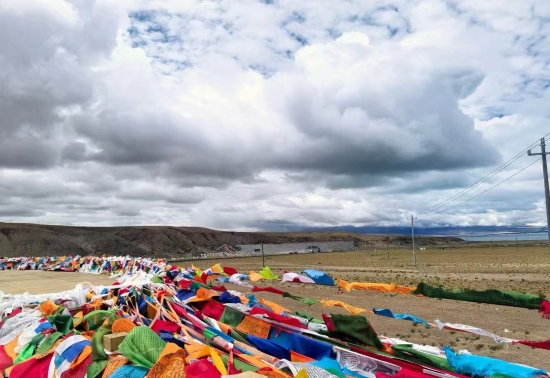
Lakeside Prayer Flag Array
Transport Options to Lake Manasarovar
Located in the hinterland of the Ngari Plateau, Lake Manasarovar is remote with limited transport options. There are three main ways to get there: plane + chartered car, self-driving/chartered car, and public transport. Travelers can choose based on their schedule, budget and preferences.
Plane + Chartered Car: Fast and Efficient, Ideal for Time-constrained Travelers
The fastest way is to fly to Ngari Gunsa Airport or Pulan Gonggar Airport first, then take a chartered car to Lake Manasarovar. Pulan Gonggar Airport is about 100 kilometers away from Lake Manasarovar, with a 2.5-3 hour drive, and the chartered car fee is around 800-1,200 CNY per vehicle (seating 4-5 people). Ngari Gunsa Airport is about 300 kilometers away, with a 5-6 hour drive, and the chartered car fee is around 1,500-2,000 CNY per vehicle. Flight prices fluctuate significantly with seasons. One-way tickets cost 1,500-3,000 CNY during peak season (June-August), and are cheaper in off-peak season. This option greatly shortens travel time, ideal for travelers with limited holidays, but the cost is relatively high.
Self-driving/Chartered Car: Flexible and Free, Perfect for Exploring Scenery Along the Way
The most popular way is to self-drive from Lhasa or Xigazê to Lake Manasarovar via the Ngari Grand Loop. The total distance from Lhasa to Lake Manasarovar is about 1,300 kilometers, taking 2-3 days by car. Along the way, you will pass attractions such as Yamdrok Lake, Karola Glacier, Tashilhunpo Monastery and Mount Everest Base Camp, allowing you to enjoy the magnificent scenery of Tibet while traveling. For self-driving, note that some sections of the roads in Ngari are complex, mostly winding mountain roads and gravel roads. It is recommended to choose a four-wheel drive off-road vehicle, and the driver should have rich high-altitude driving experience. For chartered car services, the price from Lhasa is about 800-1,200 CNY per day, varying by vehicle type, including driver’s service fee and fuel costs. It is suitable for group travel, with high cost-effectiveness after sharing expenses.
Public Transport: Economical and Affordable, Suitable for Budget Travelers
Public transport offers the best cost-effectiveness but takes the longest time, ideal for budget backpackers. Take a long-distance bus from Lhasa West Suburb Passenger Station to Pulan County, Ngari. The journey takes about 24 hours, with a fare of around 500 CNY per person. After arriving in Pulan County, transfer to a local minivan or shared ride to Lake Manasarovar, with a shared ride fee of about 50-100 CNY per person. Note that long-distance bus services are infrequent, usually only 1-2 trips per day, and the in-vehicle facilities are relatively simple. Long journeys can be tiring, so it is recommended to prepare sufficient food, water and a cushion for comfort.
Accommodation Options for Lake Manasarovar Trips
Accommodation around Lake Manasarovar is mainly concentrated in Pulan County and Darchen Town. Darchen Town is closer to Lake Manasarovar, making it the first choice for most travelers. Pulan County offers better accommodation conditions with more options.
Darchen Town Accommodation: Close to the Lake, Cost-effective
Located between Lake Manasarovar and Mount Kailash, Darchen Town is about 20 kilometers away from Lake Manasarovar, with a 20-30 minute drive. It is a must-pass for visiting the sacred lake and holy mountain. Accommodation in the town mainly consists of homestays and budget hotels, with affordable prices. Standard rooms cost around 300-500 CNY per night during peak season (June-August), and drop to 150-200 CNY per night in off-peak season. Accommodation facilities basically meet travelers’ needs, providing basic services such as hot water and WiFi. Some homestays also offer authentic Tibetan cuisine, allowing you to experience local flavors.
Pulan County Accommodation: Better Conditions, More Choices
Pulan County is about 80 kilometers away from Lake Manasarovar, with a 1.5-hour drive. Accommodation conditions here are better than those in Darchen Town, with various options including budget hotels and business hotels. Standard rooms cost around 400-600 CNY per night during peak season, and 200-300 CNY per night in off-peak season. The county has complete supporting facilities such as restaurants and supermarkets, meeting travelers’ diverse dining and shopping needs, suitable for those with higher requirements for accommodation.
Practical Travel Tips for Lake Manasarovar
Altitude Sickness Prevention: With an altitude of 4,588 meters above sea level, Lake Manasarovar is a high-altitude area where travelers may experience altitude sickness symptoms such as dizziness, shortness of breath and fatigue. It is recommended to take anti-altitude sickness medicine (such as Rhodiola rosea) one week in advance. After arrival, avoid strenuous exercise, slow down your pace, drink plenty of warm water (you can add some glucose appropriately), and eat light food such as vegetables and fruits to help your body adapt to the high-altitude environment. In case of severe altitude sickness (such as persistent vomiting and difficulty breathing), seek medical treatment at nearby hospitals or oxygen supply points in time. Basic medical facilities are available in both Darchen Town and Pulan County.
Sun Protection and Warmth: The plateau has extremely strong ultraviolet radiation and thin air, making skin prone to sunburn. No matter when you travel, bring high-SPF sunscreen (SPF50+, PA++++), sunglasses, a wide-brimmed hat and sun-protective clothing, and reapply sunscreen every 2-3 hours. Meanwhile, the temperature difference between day and night on the plateau is huge. Even in summer, nighttime temperatures may drop below 5℃. Prepare warm clothing such as thick down jackets, windbreakers and thermal underwear, and dress in layers for easy adjustment.
Supplies Preparation: Supplies around Lake Manasarovar are relatively scarce. It is recommended to prepare sufficient food and water in advance, especially for self-driving or hiking trips. Bring high-calorie snacks such as chocolate, beef jerky and energy bars to replenish energy. In addition, prepare common medicines (cold medicine, gastrointestinal medicine, motion sickness medicine, band-aids, etc.), a power bank (charging facilities are limited on the plateau) and a windproof and sandproof mask (some sections have strong wind and sand).
Transport Notes: Some sections of the ring-lake highway are gravel roads with complex conditions. Drive carefully at a slow speed to avoid vehicle jolts or traps caused by excessive speed. If choosing a chartered car, confirm the itinerary and fees with the driver in advance and sign a formal charter contract to avoid subsequent disputes. Gas stations are scarce along the way, so refuel in a timely manner to ensure sufficient fuel.
Environmental Protection and Local Customs: As a sacred Tibetan lake, Lake Manasarovar has a fragile ecological environment. Travelers should protect the environment, not litter into the lake, not pick flowers and plants randomly or damage vegetation, and take all garbage away. Meanwhile, respect local religious beliefs: do not step on prayer flags or touch Buddha statues at will; take off hats and sunglasses before entering monasteries; do not take photos of pilgrims without permission.
How to Plan a High-Quality Trip to Lake Manasarovar in the Right Season
The experience of visiting Lake Manasarovar largely depends on the timing of your trip. The period from May to mid-October offers the best combination of stable weather, accessible roads, and fully open landscapes. During this season, travelers can avoid extreme cold and road closures while enjoying the lake, snow peaks, and highland meadows at their most striking.
When planning your itinerary, it is crucial to consider the high-altitude environment. Allow time for acclimatization, control daily travel distances, and prepare appropriate cold-weather and sun-protection gear to ensure a smooth trip. Highland weather can change rapidly, so maintaining flexibility in your schedule and leaving room for adjustments will help reduce unforeseen challenges.
By understanding seasonal conditions and aligning them with your physical capacity, available time, and travel goals, a trip to Lake Manasarovar can become more than just a visit—it becomes an experience that is truly seen, felt, and remembered.