
For numerous wanderers, Qinghai conjures images of an elevated plateau, sapphire lakes, and the rich tapestry of Tibetan heritage. To embark on a journey to this region demands an appreciation of its average elevation, which soars above 3,000 meters, forming part of the majestic Qinghai-Tibet Plateau. The altitude fluctuates from the southeast to the northwest, a factor that significantly impacts travel itineraries and safety considerations. This discourse explores the unique altitude attributes of Qinghai, its implications on health, appropriate recreational pursuits, and coping strategies, providing an all-encompassing manual for a secure and delightful escapade.
Overview of Qinghai’s Altitude Geography: The Northeastern Gateway to the Roof of the World
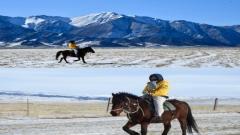
Located in western China, in the northeastern part of the Qinghai-Tibet Plateau, Qinghai Province features complex terrain with significant altitude variations. The overall landform is higher in the west and lower in the east, forming several main geographic units. The western and southern parts constitute the Southern Qinghai Plateau, with an average altitude above 4,000 meters. This area is home to famous mountain ranges like the Kunlun Mountains, Tanggula Mountains, and Bayan Har Mountains, and serves as the source of the Yellow River, Yangtze River, and Lancang River, earning it the title “China’s Water Tower.” The northeastern part is the relatively lower Hehuang Valley, with an altitude around 2,000 meters. The provincial capital, Xining, is located here, making it an ideal first stop for travelers to acclimate to Qinghai’s altitude. This diverse altitude gradient allows Qinghai to offer rich experiences ranging from river valley agricultural areas to extreme high mountains within a single trip.
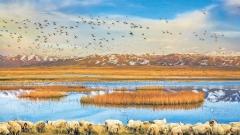
The most famous attraction—Qinghai Lake—has a surface altitude of approximately 3,196 meters. Like a sapphire embedded in the plateau, a journey around the lake is in itself an immersive experience of Qinghai’s altitude environment. Meanwhile, the Hoh Xil uninhabited area in western Qinghai has an average altitude above 4,600 meters. Its environment is harsh, yet it is a paradise for wildlife. Knowing these specific altitude figures helps travelers choose routes and activity intensities reasonably based on their physical condition.
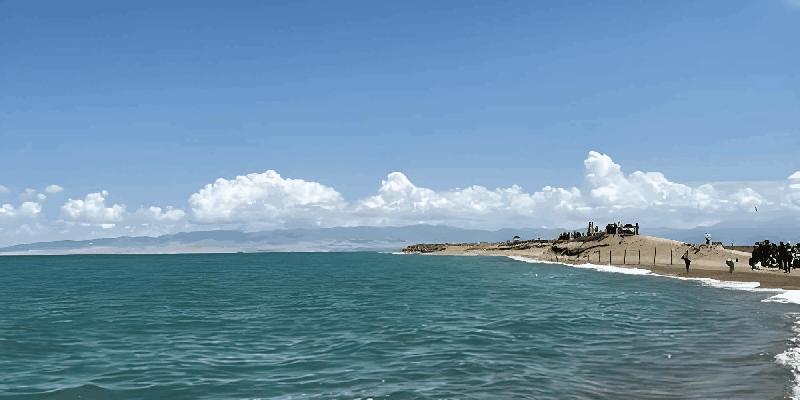
Qinghai Lake
Effects of High-Altitude Environments on the Human Body and Altitude Sickness Prevention
When you rapidly ascend from a low-altitude area to a high-altitude environment like Qinghai, your body undergoes a series of physiological reactions due to decreased air pressure and thin oxygen, collectively known as Acute Mountain Sickness (AMS). Common symptoms include headache, dizziness, insomnia, loss of appetite, and shortness of breath. The severity of these symptoms is directly related to individual constitution, speed of ascent, and the altitude reached.
To effectively prevent and alleviate altitude sickness, adhering to the following principles is key:
1.Ascend Gradually: Avoid flying directly from lowlands to ultra-high altitudes in a short time. It is recommended to make Xining (altitude~2,261 meters) your first stop, staying for 1-2 days to acclimatize before heading to higher areas like Qinghai Lake (3,196 meters) or the Qilian Mountains region.
2.Stay Well Hydrated: The air in high-altitude areas is dry, leading to faster evaporation of body fluids and increased risk of dehydration, which can worsen AMS symptoms. It is advised to drink at least 2-3 liters of water daily.
3.Avoid Strenuous Activity: Upon initial arrival at high altitude, reduce physical activity to allow your body time to produce more red blood cells to adapt to the low-oxygen environment.
4.Pay Attention to Diet and Rest: Choose easily digestible foods and avoid greasy or overly heavy meals. Ensure adequate sleep, though some may experience sleep interruptions due to hypoxia, which is normal.
5.Prepare Necessary Medications: Consult a doctor before departure for prescription medications like Acetazolamide, which can help accelerate acclimatization. Also, carry Ibuprofen to relieve headaches.
Important Reminder: If severe symptoms occur, such as intense headache, vomiting, unsteady gait, extreme fatigue, or confusion, these could be signs of High-Altitude Pulmonary Edema (HAPE) or High-Altitude Cerebral Edema (HACE). Immediate descent to a lower altitude and seeking medical attention are crucial. Purchasing travel insurance that includes emergency medical evacuation from high altitudes is vital.
Recommended Classic High-Altitude Travel Routes in Qinghai
Based on an understanding of Qinghai’s altitude, here are several popular travel routes that allow for a safe experience of Qinghai’s beauty. Professional travel agencies like Dragon Territory Travel Agency can flexibly adjust the pace of these routes according to your acclimatization.
5-Day Classic Qinghai Lake Circuit Acclimatization Tour
This route is ideal for first-time visitors to high altitudes. Starting from Xining, spend a day acclimatizing, then drive to Qinghai Lake. The circuit journey takes you past attractions like Golden Silver Beach Prairie, Bird Island (seasonal), and Sand Island. The entire route revolves around the lake area at approximately 3,200 meters, imposing a relatively low physical burden while offering spectacular scenery. Travel agencies can arrange stays in Tibetan-style guesthouses by the lake for a deep cultural experience.
5-Day Qilian Mountains & Menyuan Rapeseed Flower Sea Nature Exploration
Heading north from Xining into the Qilian Mountains area, the average altitude here ranges between 3,000-4,000 meters. It features landscapes of forests, grasslands, and snow-capped mountains interwoven. The Menyuan rapeseed flower sea in summer (July), set against snow mountains, resembles a giant painting. This route offers moderate altitude variations, allowing you to experience the grandeur of the plateau without being overly extreme. The small photography groups often organized by Dragon Territory Travel Agency will take you to the best viewpoints.
8-Day Kunlun Mountains & Hoh Xil Fringe Adventure Tour
Designed for experienced adventure enthusiasts, this route delves into Qinghai’s high-altitude hinterland. Starting from Golmud City, travel south along the Qinghai-Tibet Highway, crossing the Kunlun Mountain Pass (altitude 4,768 meters), visiting Yuzhu Peak, and having the opportunity to spot Tibetan antelope on the fringes of Hoh Xil. The altitude on this route is mostly above 4,000 meters, requiring good physical fitness and acclimatization ability. It must be undertaken with an experienced guide and under the meticulous arrangements of a travel agency (like Dragon Territory Travel Agency), ensuring vehicle reliability and comprehensive medical emergency plans.

Altitude monument at Laji Mountain Pass, Qinghai
Practical Qinghai Travel Tips and Pre-Departure Preparation
- Best Time to Travel: May to October is the golden season for tourism in Qinghai, with relatively mild weather. July-August sees blooming rapeseed flowers but is also the rainy season and peak tourist period. For fewer crowds, May-June or September-early October offers equally charming autumn scenery.
- Clothing Preparation: Temperature variations between day and night in Qinghai are extreme. Even in summer, prepare fleece jackets, and windproof/rainproof outer shells. UV radiation is intense at high altitudes; sunglasses, high-SPF sunscreen, and a wide-brimmed hat are essential.
- Photography Tips: The air is clear at high altitudes with strong light and shadow effects, making it a paradise for photography. Bring spare batteries for your camera, as cold temperatures drain battery power faster.
- Respect Local Culture: Qinghai is home to multiple ethnic groups, primarily Tibetans, Hui, and Mongols. Please respect local religious beliefs and customs. Do not photograph people or the interiors of religious sites without permission.
Why Choose a Professional Travel Agency to Plan Your Qinghai High-Altitude Trip?
Planning a high-altitude trip to Qinghai is far more complex than planning a trip to conventional tourist destinations. Professional travel agencies, like Dragon Territory Travel Agency, offer irreplaceable value:
- Altitude Acclimatization Itinerary Design: They are experts in scientifically arranging routes for gradual altitude ascent, maximizing traveler comfort and safety.
- Local Knowledge & Resources: From the best viewing times to authentic dining recommendations, local guides provide a deeper experience.
- Logistical & Emergency Support: In remote high-altitude areas, reliable vehicles, drivers familiar with road conditions, and pre-prepared oxygen and emergency plans are the last line of defense for travel safety.
- Permit Processing: For groups needing to visit certain restricted areas (like the fringes of the Three Rivers Source Nature Reserve), agencies can assist in obtaining necessary permits.
Embrace Qinghai, Embark on an Extraordinary Journey
Qinghai’s elevated stature presents less of an obstacle and more a captivating allure. It beckons one to immerse in the world’s most breathtaking vistas, at a leisurely pace that fosters a profound reverence. From the pristine azure waters of Qinghai Lake to the awe-filled grandeur of the sacred Kunlun Mountains, each breath drawn is a reminder of the plateau’s splendor. With meticulous preparation, a respectful attitude towards nature and self-imposed limitations, and with the guidance of a dependable companion such as Dragon Territory Travel Agency, this ascent into the high altitudes will transcend mere physical elevation, evolving into an extraordinary spiritual purification. Begin orchestrating your 2026 Qinghai adventure today—this elevated realm is poised to greet your presence.