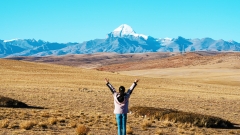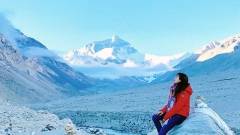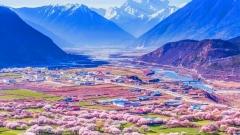

Known as the “Roof of the World’s Roof”, Ngari in western Tibet sits at an average altitude over 4,500 meters, boasting sacred mountains, holy lakes, ancient ruins and vast grasslands. Its unique plateau climate shapes distinct seasonal travel experiences. Choosing the best time to travel to Ngari, Tibet, is key to a smooth, rewarding journey—ideal for photographers, cultural explorers and adventurers. This guide shares detailed seasonal insights to help you pick the right time and plan your trip.
Spring & Autumn Charms: Core for the Best Time to Travel to Ngari, Tibet
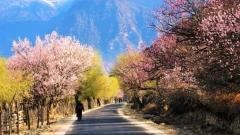
Although spring and autumn in Ngari are short, they are extremely precious. From May to June and September to October, with stable climate and excellent scenery, these periods have become the recognized best time to travel to Ngari, Tibet for most tourists. During these two periods, the temperature is moderate, precipitation is scarce, and the road conditions are good. You can not only avoid the mud of the rainy season and the severe cold of winter, but also enjoy the most representative natural and cultural landscapes of Ngari, making them the best times for a comprehensive travel experience.
May to June: Coexistence of Vitality and Holiness
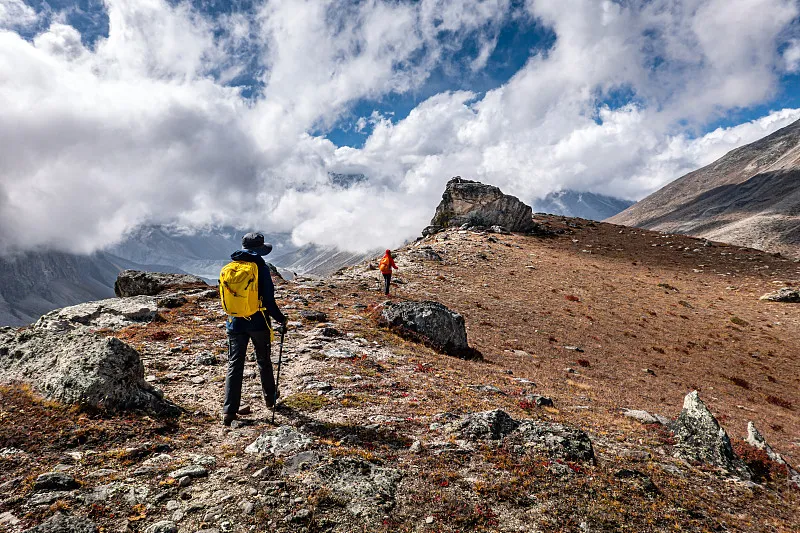
In May-June, Ngari awakens to spring, with mild weather and little rain. It’s ideal for enjoying recovering grasslands and snow-capped mountains. Key highlights and preparations:
- Climate Conditions: Winter ends in May, with temperatures rising to 8-15°C by day and -2°C at night, little rain and clear skies.
- Climate Conditions: Winter ends in May, with temperatures rising to 8-15°C daytime and -2°C at night. Little rain, clear skies and mild day-night differences.
- Natural Vitality: The Qiangtang Grassland turns light green, with Tibetan antelopes and wild asses gathering. Mount Kailash’s foot meadow greens, blending with white snow-capped mountains and blue sky.
- Photography Highlights: The water of Lake Manasarovar is clear and calm, perfectly reflecting the figure of Mount Kailash, making it the best time to take photos of snow-capped mountain reflections.
- Folk Experience: Local traditional festivals are held one after another around June. Travelers can experience original Tibetan folk customs and feel the profound cultural heritage.
- Pre-trip Equipment: Bring windproof and warm jackets, sweaters and thin down jackets to cope with the day-night temperature difference, and high-multiple sunscreen products to resist strong plateau ultraviolet rays.
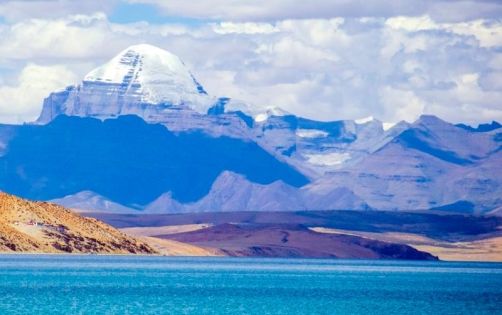
Lake Manasarovar
September to October: Interweaving of Light and Shadow with Vicissitudes
September-October is the recognized best time to travel to Ngari, Tibet, a golden season. Post-rainy season, the climate is dry and roads are accessible, ideal for self-driving, photography and relic exploration. Details below:
Climate and Road Conditions: After the rainy season, the climate is dry and stable, with no heavy precipitation. The road conditions are good, making self-driving and chartered cars safe. It is the recognized best time to travel to Ngari, Tibet.
Temperature Experience: The temperature is maintained at 3 to 16 degrees Celsius. The daytime climate is comfortable for outdoor sightseeing and hiking, and the night is cool without the severe cold of winter, providing an excellent overall experience.
Photography Timing: Low-angle sunlight covers the land with a strong golden hue. The light and shadow effect is best from mid-October to early November, suitable for aerial photography of the entire Zanda Earth Forest or capturing structural aesthetics with a telephoto lens.
Earth Forest Scenery: The textures of the Zanda Earth Forest are more three-dimensional under light and shadow, showing reddish-brown in the morning and warm golden in the sunset. The Xiangquan River winds through it, like an ink painting in nature.
Guge Ruins: The autumn light and shadow add a sense of vicissitudes to the thousand-year-old ruins. At sunrise, the sunlight spreads from the temple on the top of the castle, and the east slope of the ruins is the best shooting location for sunrise.
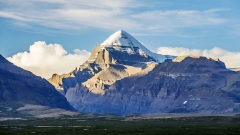
Sacred Mountain Landscape: Mount Kailash is free from clouds and mists, with a clear pyramid-shaped outline. The meadow at the foot is interwoven with golden and reddish-brown, making the scene of golden snow-capped mountains more magnificent.
Grasslands and Lakes: The Qiangtang Grassland turns into a golden stage, with Tibetan antelopes and Tibetan wild asses shuttling through it. The water of Lake Manasarovar is deep blue, matching the golden aquatic plants and perched waterfowl, hiding vitality in tranquility.
Equipment Suggestions: Bring thick jackets, sweaters and warm underwear. Keep warm when taking photos in the morning and evening, and做好 dustproof and thermal insulation for camera equipment to avoid low-temperature impact.
Exploring Summer and Winter: Alternative Choices for the Best Time to Travel to Ngari, Tibet
Beyond the golden spring and autumn, Ngari’s July-August and November-April offer unique charm for adventurous travelers seeking alternative experiences. Though not the recognized best time to travel to Ngari, Tibet, they attract adventurers with distinct scenery and culture.
July to August: Coexistence of Greenery and Vitality
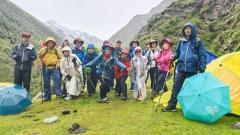
July to August is the rainy season in Ngari. Although it is not the traditional best travel season, it blooms with extraordinary greenery due to abundant precipitation. With rainfall at night and sunny days during the day, the grasslands are lush, the lakes are clear, and there are great chances to encounter brilliant rainbows. The relevant experiences and tips are as follows:
- Climate Characteristics: Precipitation is concentrated at night, with mostly sunny days during the day and occasional showers. Although it is not the traditional best time to travel to Ngari, Tibet, the scenery is unique.
- Natural Landscapes: It is the greenest time of the year in Ngari, with lush grasslands, full lake water and a significantly increased chance of seeing rainbows.
- Core Experiences: The area around Mount Kailash is covered with green plants, contrasting with the snow-capped mountains. Swans and other waterfowl inhabit Lake Manasarovar, full of vitality. Pangong Tso ushered in the best bird-watching season, with flocks of birds forming a vivid picture with the blue lake and distant mountains.
- Road Condition Tips: Some roads are prone to mud, and may be interrupted by heavy rains. It is recommended to choose high-performance off-road vehicles and plan emergency routes in advance.
- Temperature and Equipment: The average daily temperature is 8 to 19 degrees Celsius, with a large day-night temperature difference. Bring windproof and waterproof jackets and thin down jackets, and prepare rain gear and camera dust covers.
- Protection Points: The humid air can alleviate the dryness of the plateau, but the ultraviolet rays are still strong. Sunscreen and sunburn prevention should not be ignored.
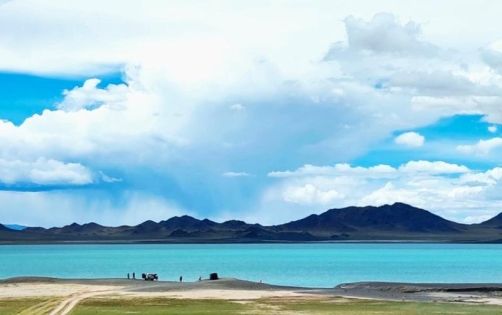
Ngari in August
November to April: Accompanied by Tranquility and Devotion
Ngari from November to April is wrapped in severe cold, but hides the purest tranquility and devotion. The extremely cold weather drives away most tourists, allowing people to enjoy the integrated beauty of starry sky and culture alone, suitable for adventurous travelers with rich experience. Specific experiences and preparations are as follows:
Climate Difficulty: The average temperature is minus 22 to minus 3 degrees Celsius, with an extreme low temperature of minus 35 degrees Celsius. There are frequent snowstorms, and roads are easily covered by snow. It is not the best time to travel to Ngari, Tibet.
Suitable Crowds: Only recommended for adventurers with rich plateau travel experience and complete equipment.
Core Highlights: It hides the purest scenery and the strongest cultural atmosphere of Ngari, offering a unique experience.
Tranquil Experience: There are few tourists, allowing you to enjoy the tranquility and grandeur of the land alone without crowds.
Astrophotography: The sky is extremely clear, and the Ngari Dark Sky Park is one of the best stargazing spots in Asia, with clear Milky Way and star trails visible.
Urban Culture: The cultural road market in Shiquanhe Town is full of characteristic products such as Tibetan carpets and incense. You can sit and drink tea with locals in teahouses to experience authentic Tibetan life.
Folk Experience: The festive atmosphere is strong around the Tibetan New Year. Travelers can participate in celebrations, make Gutu by hand, and experience Tibetan food culture.
Ruins Tour: The Guge Ruins Park is more vicissitudes in the cold air. You can quietly listen to the stories of thousands of years.
Travel Guarantee: Bring a full set of cold-proof equipment. Equip the vehicle with antifreeze, snow chains, and check the weather and road conditions in advance to ensure travel safety.
Supporting Guides for the Best Time to Travel to Ngari
After choosing the best time to travel to Ngari, Tibet, proper preparations smooth your journey. Remote with unique natural conditions, it needs pre-trip planning on transport, accommodation, altitude sickness and culture for safe, comfortable sightseeing.
Transportation Planning: Choose the Right Method According to the Season
Ngari’s transportation is greatly affected by seasons, so choosing the right way is key to a smooth trip. Plan based on the best time to travel to Ngari, Tibet, road conditions and your driving ability to ensure safety and efficiency. Specific plans are as follows:
- Spring & Autumn Plan: Favorable road conditions make it ideal for self-driving or chartered cars. Off-road vehicles are recommended for unpaved roads; the southern route suits first-timers, while the northern route requires group travel and satellite phones.
- General Principle: Adjust travel methods according to the selected best time, prioritizing safety and travel experience.
- Summer Rainy Season: Prioritize chartered cars with local experienced drivers familiar with road conditions and rain/mud handling skills.
- Winter Travel: Only skilled snow drivers can self-drive, with snow chains, snow removal tools and emergency supplies on board.
- Flight Option: Fly to Ngari Kunsha Airport, then charter a car for sightseeing to save time. Adapt to the plateau climate in advance.
Accommodation Arrangement: Book in Advance to Ensure a Comfortable Experience
Ngari’s accommodation is relatively limited. Shiquanhe Town offers the best options with various hotels and homestays; other scenic areas have simple family hotels. Book 1-2 months early for spring-autumn peaks to avoid shortages.
- Summer Notes: Accommodation in some remote areas may be affected by waterlogging and unstable power supply during the rainy season. You can consult about the facilities and emergency measures of the accommodation when booking.
- Winter Arrangement: Most accommodations around remote scenic spots are closed in winter, and only a few in Shiquanhe Town are open. Confirm the accommodation information in advance and choose accommodation with heating facilities to ensure comfortable rest at night.
- Camping Suggestions: Camping is only recommended when the climate is stable in spring and autumn. Bring sleeping bags with good warmth retention and windproof tents, and avoid areas where wild animals appear.
Altitude Sickness and Health: Seasonal Protection Points
With an average altitude exceeding 4,500 meters, Ngari is cold and oxygen-poor. No matter which best time to travel to Ngari, Tibet you choose, altitude sickness prevention is crucial. It is recommended to have a physical examination before the trip to ensure no heart disease, hypertension and other diseases. You can take Rhodiola 1 to 2 weeks in advance for prevention.
- Post-Arrival Notes: Avoid strenuous exercise, drink more water, eat small meals frequently, and drink an appropriate amount of butter tea to relieve altitude sickness symptoms.
- Spring and Autumn Care: The climate is dry. Bring moisturizing products such as lotion, lip balm and eye drops to alleviate discomfort caused by dry air.
- Summer Protection: Prevent colds. Dry and keep warm in time after taking a shower at night to avoid aggravating altitude sickness due to cold.
- Winter Care: Keep limbs warm, avoid prolonged exposure to the outdoors in extremely cold weather, and bring antifreeze cream to protect the skin. In addition, carry commonly used medicines, including cold medicine, antidiarrheal, anti-inflammatory and painkillers, to deal with sudden health conditions.
Culture and Environmental Protection: Respect Local Customs
Ngari is one of the important birthplaces of Tibetan culture. Travelers should respect local religious customs and living habits during the trip. Walk around mani piles and prayer wheels clockwise, take off hats before entering temples, do not take photos inside temples, and do not touch religious artifacts at will.
- Communication Principles: Communicate with locals politely, avoid sensitive topics, and respect the living rhythm and habits of nomadic people.
- Environmental Protection Requirements: No matter which best time to travel to Ngari, Tibet you choose, keep in mind the concept of environmental protection. Take garbage away with you, do not litter around grasslands and lakes, and avoid damaging the local ecology.
- Wildlife Protection: Do not frighten or hunt wild animals, keep a safe distance from them, do not step on meadows or damage vegetation, and jointly guard the pure land on the roof of the world.
Choose a Good Season to Encounter the True Beauty of Ngari
There’s no absolute best time to travel to Ngari, Tibet. Spring and autumn are top choices for stable weather and scenery; summer’s greenery and winter’s tranquility suit adventurers seeking uniqueness. Ngari rewards visitors with distinct seasonal charms, each worth cherishing.
Prepare well, adjust itinerary and gear by season, and respect local culture. You’ll encounter authentic Tibetan beauty here, making this trip unforgettable. Ngari’s scenery awaits—choose a season and explore its snow-capped mountains and holy lakes.