What are the top attractions in Western Sichuan? This is one of the most common questions for travelers planning a highland journey in China. Located in the western part of Sichuan Province, this region features a dramatic transition from urban landscapes to snow-capped mountains, vast grasslands, and alpine lakes. From iconic natural sites like Mount Siguniang and Ruoergai Grassland to culturally rich destinations such as Tibetan villages in Danba, Western Sichuan offers a diverse and unforgettable travel experience.
Classic Natural Landscapes in Western Sichuan
Siguniang Mountain Scenic Area
Siguniang Mountain is located in Xiaojin County, consisting of four peaks: Da Peak, Er Peak, San Peak, and Yaomei Peak. Yaomei Peak stands at 6,250 meters, offering first-time visitors an extraordinary experience.
- Features: The scenic area includes three core zones—Shuangqiao Valley, Changping Valley, and Haizi Valley. Shuangqiao Valley is famous for Potala Peak, larch forests, glaciers, and colorful forests, with shuttle buses reaching all spots for easy plateau viewing. Changping Valley is ideal for hiking, winding through primeval forests, streams, and meadows with close-up views of snow mountains. Haizi Valley provides a panoramic view of all four peaks, perfect for stargazing and mountaineering.
- Best Time: Spring and autumn are prime. Azaleas bloom in spring, colorful forests blanket the mountains in autumn, and a fairy-tale winter wonderland unfolds in winter.
- Maobiyan Observation Deck is the best spot to view the full panorama of Siguniang Mountain. At sunrise and sunset, the snow peaks glow golden-red, creating a breathtaking sight.
Maobiyan Observation Deck is the best spot to view the full panorama of Siguniang Mountain. At sunrise and sunset, the snow peaks glow golden-red, creating a breathtaking sight.
Huanglong Scenic and Historic Interest Area
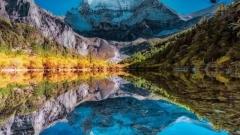
Huanglong is situated in Songpan County, famous for its unique travertine landscapes and recognized as a World Natural Heritage Site. Its stunning travertine pools attract countless visitors from home and abroad.
- Features: The core attraction is layered travertine pools that shift in brilliant hues of blue, green, yellow, and purple with light and seasons. The Five-Color Pond at the highest point is the highlight. Along the way, snow mountains, forests, waterfalls, and ancient temples blend nature and culture.
- Best Time: September to October in autumn, when colorful forests reflect in the pools for the richest colors. The elevation ranges from 3,000 to 4,000 meters; altitude sickness is a concern, so take it slow and avoid strenuous activity.
The elevation ranges from 3,000 to 4,000 meters; altitude sickness is a concern, so take it slow and avoid strenuous activity.
Zoige Grassland
Zoige is an oasis on the northwestern Sichuan Plateau. The vast grassland, dotted with cattle and sheep, exudes the poetic charm of a highland pasture.
- Features: In summer, the grassland is lush and covered with wildflowers. The First Bend of the Yellow River winds through it, presenting a magnificent golden glow at sunset. Huahu Lake is the core spot, with clear water, waterfowl habitats, and a stunning picture of plateau lakes and wetland grasslands.
- Best Time: June to August, when wildflowers bloom, the weather is mild and comfortable, ideal for horse riding, camping, and sightseeing.
Whether horseback riding or camping, Zoige Grassland is a top choice. Note the large day-night temperature difference—warm clothing is still needed in summer.
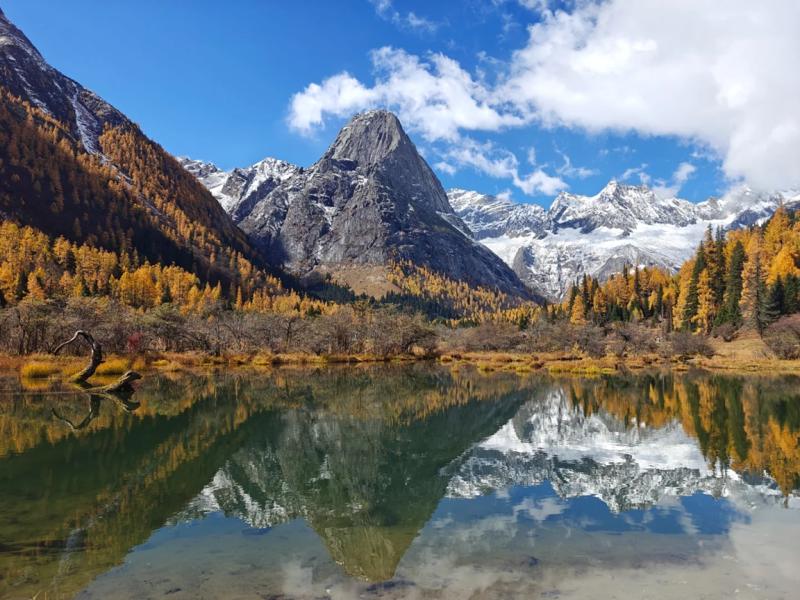
Siguniang Mountain Scenic Area: a Top Check-in Spots in Western Sichuan
Classic Cultural Landscapes in Western Sichuan
Danba Jiaju Tibetan Village
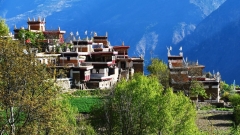
Danba Jiaju Tibetan Village is a classic example of Gyalrong Tibetan architecture, perched on steep slopes of the Dadu River Valley, with hundreds of Tibetan houses layered along the mountainside.
- Features: Built on hillsides, the village features white walls, red windows, and dark wood timbers, stacked tier upon tier. It blends beautifully with green mountains, fields, and pear blossoms, full of idyllic poetry.
- Best Time: March in spring, when thousands of mu of pear blossoms bloom along the slopes, with white-walled and red-eaved Tibetan houses nestled in the sea of flowers. October in autumn, when mountains turn golden and crimson, forming a rich autumn scene with ancient watchtowers and Tibetan villages.
It is a museum of Gyalrong Tibetan culture. Stay at least one night to enjoy misty mornings and golden sunsets on the rooftops.
Zhuokeji Chief’s Village and Xisuo Folk Houses
Zhuokeji Chief’s Village stands on the bank of the Suomo River, facing Xisuo Folk Houses across the water, forming the best-preserved Tibetan architectural complex in Western Sichuan.
- Features: The chief’s village integrates residential, defensive, and religious functions, housing precious Tibetan cultural relics. Xisuo Folk Houses retain watchtower styles, with stone-paved roads and walls full of ancient charm.
- Best Time: All seasons, suitable for in-depth experiences of Gyalrong culture. The traditional Gyalrong Flower Viewing Festival is held in the sixth lunar month.
Visit the chief’s village, stroll through Xisuo Folk Houses, and feel the profound Gyalrong culture accompanied by the creak of prayer wheels.
Songge Mani Stone Scripture City
Songge Mani Stone Scripture City is the world’s largest Mani stone city, built with countless stones carved with scriptures, a sacred wonder of faith in Tibetan areas.
- Features: Each stone is engraved with the Six-Syllable Mantra or Buddhist scriptures. Passed down through generations, it forms a millennium-old faith structure without a roof or foundation.
- Best Time: May to October, with mild weather, high visibility, and ideal for in-depth experiences.
It is recommended to visit here in early morning or late afternoon for soft light, as Tibetan pilgrims circle the city with prayer beads and low, long chanting.
Self-driving attractions in Western Sichuan
Genie Eye
Genie Eye is a natural round plateau lake in the Genie Sacred Mountain area of Litang County, Garze Tibetan Autonomous Prefecture, resembling an eye of the earth from above.
- Features: A top-tier secret spot in Western Sichuan. The lake is several hundred meters in diameter with a small meadow in the center, forming a unique circular landscape surrounded by Genie Sacred Mountain. The combination of snow mountains, grasslands, and lakes is visually stunning. Pristine and rarely visited, it is perfect for self-driving adventures, accessible only by off-road vehicles with original plateau scenery along the way.
- Best Time: June to August, with blooming wildflowers and clear lake water; September to October, with crisp autumn weather, maximum visibility, and the most magnificent views.
Arrive at dawn or dusk for soft light, snow-capped mountains reflected in the lake, and golden grasslands—the best time to visit.
Eighteen Turns of the Heavenly Road
Located in Yajiang County, Garze Tibetan Autonomous Prefecture, this iconic section of National Highway 318 is named for its eighteen sharp hairpin turns, a thrilling wonder of the Sichuan-Tibet line and a must-visit for self-driving enthusiasts.
- Features: Built high on mountains, the road winds and undulates with the terrain, looking like a giant dragon coiled on the plateau slope from above—thrilling and spectacular. Driving here offers excitement and sweeping views of snow mountains, grasslands, and forests. It is a great section for self-driving experiences and highway wonders, with every photo full of impact.
- Best Time: May to October, with clear weather and good road conditions for full views of the mountain road and plateau scenery. Drive carefully in winter due to icy roads.
The Eighteen Turns of the Heavenly Road is one of the most unforgettable highway wonders along the Sichuan-Tibet Line. It is more than just a road; it is a perfect integration of human engineering and natural mountains and rivers, as well as an essential route leading to the sacred plateau realm.
Yuzixi
Yuzixi is near Xinduqiao, Kangding City, Garze Tibetan Autonomous Prefecture, at an elevation of about 4,200 meters. It is a premium viewing platform for overlooking Minya Konka Snow Mountain and a popular internet-famous spot for self-driving in Western Sichuan.
- Features: Standing on the platform, you face the 7,556-meter “King of Sichuan Mountains” Minya Konka. The snow-capped peak looms through mist and glows golden in sunshine. With wide views, fluttering prayer flags, and vast grasslands, it is perfect for sunsets, stargazing, and the Milky Way.
- Best Time: October to November, with stunning autumn scenery and clear snow peaks; May to June, with stable weather and high success rates for viewing sunlit golden mountains and starry skies.
A must-stop on Western Sichuan self-driving routes. Arrive in the evening to watch the golden sunlit mountain and the rising galaxy. Prepare well for altitude sickness due to high elevation.
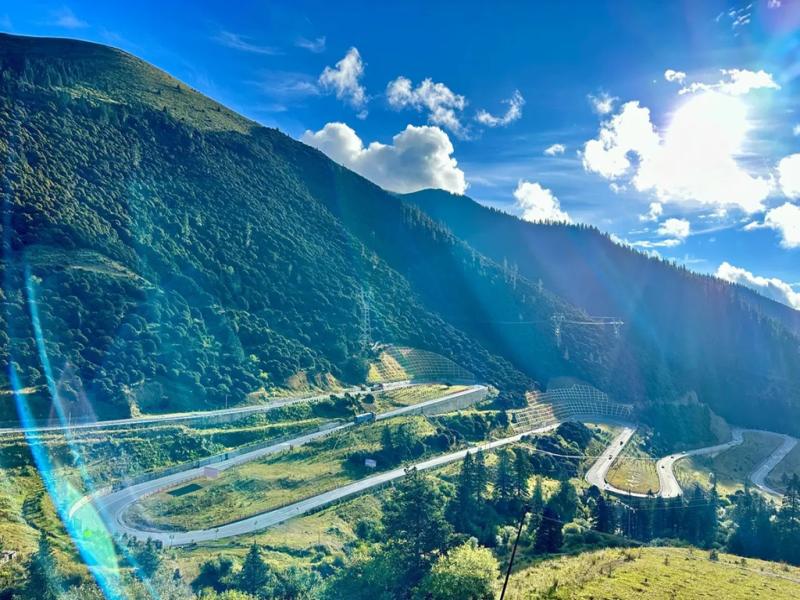
Eighteen Turns of the Heavenly Road: a Must-Visit Places on Western Sichuan
Climate Features of Western Sichuan
Western Sichuan lies on the eastern edge of the Qinghai‑Tibet Plateau, with elevation ranging from just over 1,000 meters to over 7,000 meters. High mountains, valleys, and plateau meadows interweave, creating distinct seasonal sceneries. Choosing the right travel time directly affects comfort and experience.
- Spring (April–May): Temperatures rise gradually, and snow melts below 3,000 meters. High-altitude areas remain cold, but accommodation is affordable—ideal for quiet, budget travelers. Large day-night temperature differences require warm clothing, as nights stay near freezing.
- Summer (June–August): The rainy season and the most beautiful season for grasslands. Daytime temperatures are 15–25°C, with peak grassland views. Mountain rains may cause risks; self-driving travelers should monitor road conditions closely.
- Autumn (September–October): The golden season for Western Sichuan travel, with peak views at middle and high altitudes. Stable, sunny, and rainless weather brings the year’s highest visibility. Larger day-night temperature differences require down jackets or winter coats at night.
- Winter (November–March): Cold with heavy snow in high-altitude areas, perfect for mountain scenery. Frequent heavy snow disrupts travel; self-driving travelers need snow chains and cautious driving.
What Are the Best Places to Visit in Western Sichuan?
In summary, there is no single answer to what the best attractions in Western Sichuan are, as the region offers a wide variety of landscapes and cultural experiences. From the glaciers and peaks of Mount Siguniang to the expansive wetlands of Ruoergai Grassland and the traditional Tibetan villages of Danba, each destination showcases a different side of Western Sichuan.
For travelers with limited time, focusing on classic routes that combine mountains, grasslands, and cultural sites is the most efficient approach. Those with more flexibility can explore remote areas like Yuzixi or the “Eye of Genye” for a deeper and more adventurous experience. Autumn is generally considered the best season due to stable weather and clear views, while summer is ideal for lush greenery and blooming landscapes.